
Planting
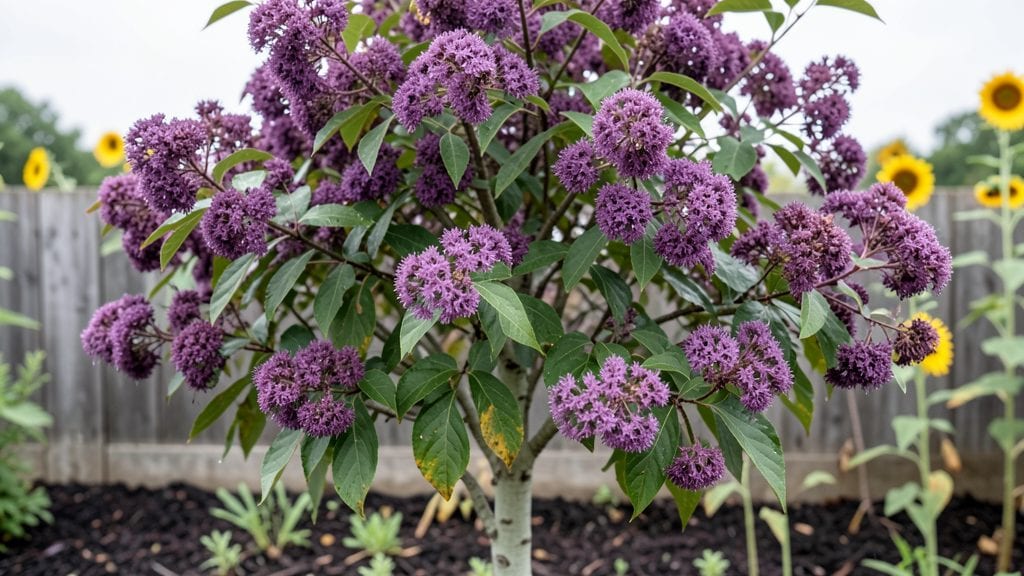
Creating a purple plant tree garden isn’t about luck—it’s about choosing the right varieties that thrive with minimal fuss. 🌿 The secret lies in plants like Purple Leaf Plum, Smoke Tree, or Royal Purple Smokebush, which burst with deep hues while demanding little more than sunlight and occasional pruning.
These trees aren’t just colorful; they’re the backbone of a low-maintenance yet stunning landscape.
What you’ll need is simple: a sunny spot (most do well in full sun), well-draining soil, and patience for their mature beauty. Purple Leaf Plum, for example, delivers spring blooms and fiery fall foliage, while Smoke Tree’s feathery foliage shifts from purple to gold.
These aren’t high-maintenance divas—they’re the reliable stars of any garden.
By the end of the season, you’ll have a garden that stays vibrant from spring through fall, with minimal pruning or fuss. The deep purples contrast beautifully with green foliage, and their textures add depth to borders, focal points, or even containers.
Here’s how to pick the perfect purple plants for your space.
Whether you’re planting a single specimen or creating a purple-themed border, these trees and shrubs deliver drama with ease. They’re perfect for small yards, urban gardens, or even large landscapes where bold color is welcome year-round.
📚 In This Guide
- What you need
- Instructions
- Tips and common mistakes
- Wrapping up and next steps
What you need
- ● Purple Plant Tree (Lagerstroemia indica or similar): 1 young sapling (3–5 ft tall) or
- ● 1 packet of purple crepe myrtle seeds (ensure cold stratification if needed)
- ● Well-draining soil: 50% garden soil (or potting mix for containers)
- ● 30% perlite or coarse sand (for aeration)
- ● 20% compost or organic matter (for nutrients)
- ● Container or planting hole: For containers: 1–2 large pots (15–20 gallons) with drainage holes
- ● For in-ground: A hole twice as wide and deep as the root ball
- ● Slow-release fertilizer: 1 lb of balanced 10-10-10 or 20-20-20
- ● Mulch: 2–3 inches of wood chips or pine straw (to retain moisture)
- ● Watering can or hose: With a gentle spray nozzle
- ● Gloves (to protect your hands)
- ● Trowel or shovel (for planting)
- ● Pruning shears (for shaping and deadheading)
- ○ pH testing kit (optional but helpful—ideal range: 5.5–6.5)
- ● Sunlight access: At least 6+ hours of direct sun daily (critical for vibrant purple blooms!)
- ● Patience! Purple crepe myrtles thrive with time—expect blooms in 2–3 years from seed.
- ● Epsom salt (1 tbsp/month in water) for magnesium boost (enhances purple hues!)
- ● Drip irrigation system (for low-maintenance watering)
- ● Tree stakes (if planting in windy areas)
- ● Decorative rocks or pebbles (for aesthetic mulch)
How to create a striking purple plant tree for year-round color
Here's my go-to method for crafting a bold purple focal point that thrives with almost no fuss.
🌱 Step 1: Select the Right Purple Foliage Plants
Start with four purple-leaved plants that complement each other in size and texture. My favorite combo includes a purple smoke bush (Cotinus coggygria 'Royal Purple') as the centerpiece, flanked by purple leaf plums (Prunus cerasifera 'Atropurpurea'), purple heart petunias (Petunia 'Purple Heart') for trailing color, and black mondo grass (Ophiopogon planiscapus 'Nigrescens') as a ground-hugging accent.
I always check plant tags for mature size—you want a mix of heights from 3-6 feet to create natural layers. Purple foliage plants need full sun to partial shade (at least 4-6 hours of direct sun daily), so choose a location that gets morning light and afternoon shade if your climate is hot. Purple leaves can scorch in intense afternoon sun.
🪴 Step 2: Prepare the Planting Site
Dig a hole for each plant that's twice as wide and slightly deeper than the root ball. I mix the excavated soil with 1 part compost and ½ part perlite to improve drainage—purple foliage plants hate soggy roots, which can cause leaf drop. For the centerpiece plant, add a slow-release fertilizer (like 10-10-10) to the bottom of the hole to give it a nutrient boost.
Space plants according to their mature size: 8-10 feet apart for shrubs, 12-18 inches apart for perennials, and 6-12 inches apart for trailing plants. Tap the soil lightly around each plant after setting it in the hole to remove air pockets. Water deeply to settle the roots—you'll see water beading on the surface when it's done.
☀️ Step 3: Arrange for Maximum Visual Impact
Place the tallest plant (like the smoke bush) in the center, then arrange the others in a semi-circle or staggered pattern around it. I like to create a natural arc by positioning the purple plum trees slightly behind the trailing petunias, so they spill over the edges. The black mondo grass goes closest to the front to frame the base.
Step back and adjust until the colors pop against each other. Purple foliage looks best when paired with contrasting textures—try adding a silver-leaved plant (like lamb's ear) or a chartreuse plant (like golden dusty miller) to make the purples stand out even more. Mulch the area with 2-3 inches of shredded bark mulch to conserve moisture and keep roots cool.
💧 Step 4: Water and Maintain for Longevity
Water deeply once a week during the first growing season, allowing 1-2 inches of water to soak into the soil. Purple foliage plants are drought-tolerant once established, but they need consistent moisture to develop their vibrant color. I check soil moisture by sticking my finger 2 inches deep—if it feels dry, it's time to water.
Fertilize in early spring with a balanced, slow-release fertilizer to encourage new growth. Prune leggy stems in late winter to maintain shape and remove any yellowed or damaged leaves throughout the season. Purple foliage plants are generally low-maintenance, but I do give them a light trim after flowering to keep them looking tidy.
✂️ Step 5: Extend the Season with Simple Care
To keep your purple plant tree looking fresh year-round, add evergreen plants like boxwood or hemlock to the base for winter structure. In fall, apply a 2-inch layer of mulch to protect roots from freezing temperatures. Purple foliage can fade in winter, but the structure remains striking.
For extra color, plant winter-blooming pansies or heather around the base in late summer. These cold-hardy plants will bloom until frost, extending your purple display. In spring, remove any dead foliage and apply a fresh layer of mulch to prep for the next growing season.
Tips & tricks for perfect purple plant trees
Creating a stunning purple plant tree is easier than you think—here are my go-to tricks to make sure your design thrives all year long.
Plant Selection Tip: When choosing your purple foliage plants, look for healthy specimens with vibrant color—avoid plants with yellowing leaves or brown edges, as these signs indicate stress. I always check for new growth at the tips of branches, which ensures the plant will continue to produce rich purple hues. For the purple smoke bush, opt for a young plant (3-4 feet tall) to give it room to grow into its mature size without crowding other plants.
Soil Prep Strategy: The 1:1 ratio of soil to compost with ½ part perlite in Step 2 is key for preventing soggy roots. If your native soil drains poorly, consider amending it with additional perlite or sand before planting. I've found that purple leaf plums especially appreciate this extra drainage—poor drainage can cause root rot and lead to leaf drop, ruining that stunning purple color.
Arrangement Hack: For maximum visual impact, sketch your design on paper first. This helps you visualize how the plants will look once mature. I like to place my purple heart petunias slightly higher than the ground level so they spill over the edges beautifully. Also, position the silver-leaved or chartreuse plants strategically—they should contrast but not compete with the purple hues.
Watering Wisdom: The once-a-week watering guideline in Step 4 works best in most climates, but adjust based on your soil type and weather. Sandy soil drains quickly and may need more frequent watering, while clay soil holds moisture longer. I always check soil moisture by sticking my finger 2 inches deep—if it feels dry, that's your cue to water. Overwatering is the #1 mistake that causes purple foliage to lose its vibrancy.
Pro Tips for Purple Plant Tree
- Creating a stunning purple plant tree is easier than you think—here are my go-to tricks to make sure your design thrives all year long.
- Plant Selection Tip: When choosing your purple foliage plants, look for healthy specimens with vibrant color—avoid plants with yellowing leaves or brown edges, as these signs indicate stress.
- Soil Prep Strategy: The 1:1 ratio of soil to compost with ½ part perlite in Step 2 is key for preventing soggy roots.
Frequently asked questions
What’s the best climate for a purple plant tree?
A purple plant tree (like the Purple Smoke Bush or Lilac) thrives in USDA Zones 5–9, handling both mild winters and hot summers. For cooler zones, plant in full sun to boost purple hues. In hot climates, provide partial shade to prevent leaf scorch. Pro tip: Mulch in winter to protect roots!
How long does it take for a purple plant tree to bloom?
Patience pays off! Most purple plant trees take 2–3 years to mature and bloom after planting. Young trees focus on root growth first. Speed up blooms by pruning in late winter (before buds swell) and fertilizing with low-phosphorus plant food in early spring.
Why are my purple leaves turning green?
Green leaves often mean too much shade or over-fertilizing with nitrogen (which favors green growth). Move your tree to 6+ hours of sunlight daily and switch to a balanced or phosphorus-rich fertilizer (like 5-10-5) to encourage purple pigments. Bonus: Prune leggy branches to improve airflow and color intensity!
Can I grow a purple plant tree in a container?
Dwarf varieties like Purple Leaf Sand Cherry or Compact Purple Lilac thrive in 15–20 gallon pots with well-draining soil. Use a terracotta pot to prevent root rot, and repot every 2–3 years. Container hack: Place pots near a south-facing window or balcony for maximum sun exposure!
What pests should I watch for on purple plant trees?
Common culprits include aphids, spider mites, and scale insects, which drain sap and dull foliage. Neem oil or insecticidal soap work wonders for mild infestations. For severe cases, introduce ladybugs (natural predators) or prune heavily affected branches. Prevent pests by keeping your tree well-watered and removing fallen leaves!
Wrapping up and next steps
The purple plant tree is your ticket to year-round beauty with almost no fuss—just a little sunlight, patience, and love! 🌿 Whether you’re drawn to its striking foliage or its low-maintenance charm, this plant proves that vibrant color doesn’t require a green thumb.
Ready to elevate your space? Start with one purple plant tree today and watch your garden (or home) transform into a lively, ever-changing canvas.
Next steps:
- Pick your favorite purple variety from the materials list.
- Follow the simple planting guide to get started.
- Snap a photo and tag us—we’d love to see your purple paradise! 📸