
Pruning
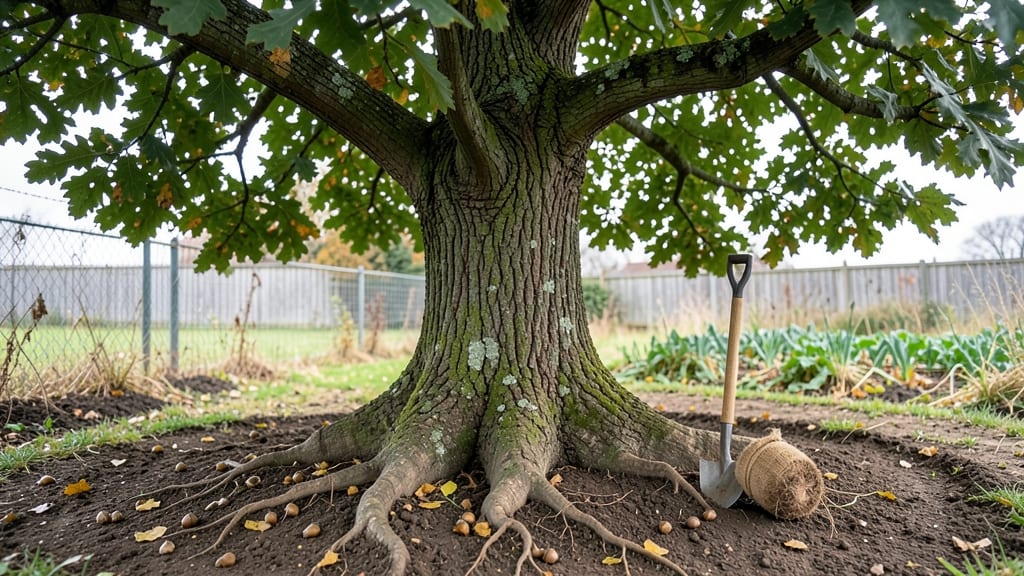
Digging up and replanting a tree feels like moving a skyscraper—except with roots instead of steel beams. 🌳 I’ve transplanted everything from weeping willows to young fruit trees, and the difference between success and failure often comes down to timing, technique, and treating those roots like the delicate network they are.
The key isn’t brute force; it’s patience and preparation. Skip the guesswork, and you’ll save yourself a season of wilting disappointment.
Start with the right tools: a sharp spade, burlap, root stimulator, and a wheelbarrow for hauling. Timing matters too—spring or early fall gives roots time to recover before extreme weather hits. For larger trees, prune roots in a 3-foot-wide circle before digging, which reduces shock.
Smaller trees? You can often lift them whole with a 5-gallon bucket and some muscle. The goal is to disturb as few roots as possible while keeping the root ball intact.
After replanting, the real work begins: watering deeply every 3-5 days for the first month, mulching to retain moisture, and avoiding heavy traffic around the base. You’ll know it’s working when new shoots appear within 4-6 weeks.
Even mature trees can adapt if you give them time and the right conditions. The payoff? A tree that thrives in its new home instead of struggling to survive.
This method works for everything from ornamental maples to young citrus trees—just adjust the root ball size and watering schedule based on species. The first year is critical, but with the right approach, your transplanted tree could outlive you. Let’s get those roots moving safely.
📚 In This Guide
- What you need
- Instructions
- Tips and common mistakes
- Wrapping up and next steps
What you need
- ● Shovel or spade: A sharp, sturdy digging spade (18–24" blade) for clean cuts and efficient digging.
- ● Pruning shears or handsaw: Bypass pruners (for small branches) or a pruning saw (for thicker limbs) to trim roots/branches.
- ● Wheelbarrow or tarp: A large wheelbarrow (or sturdy tarp) to transport soil and the root ball.
- ● Burlap or landscape fabric: 50–100 sq. ft. of breathable fabric to wrap the root ball (avoid plastic—it suffocates roots!).
- ● Rope or twine: 10–15 ft. of strong, natural fiber rope to secure the burlap.
- ● Garden hose or watering can: For deep hydration before and after transplanting.
- ○ Soil amendment (optional but helpful): Compost or peat moss (5–10 gallons) to enrich the new planting hole.
- ● Stakes and ties (for large trees): 2–4 wooden stakes and soft tree ties to support the tree temporarily.
- ● Timing: Transplant in early spring or fall (avoid extreme heat or frost).
- ● Weather check: Ensure light rain or cloudy conditions—no direct sun or wind during the move!
- ● New planting site prepped: Dig a hole twice as wide and deep as the root ball.
- ● Helper(s): Trees >5 ft. tall need at least 2 people—teamwork makes the dream work! 💪
- ● Root stimulator: A mycorrhizal fungus powder or rooting hormone gel to boost survival rates.
- ● Tree guard: A plastic tree collar to protect the trunk from lawn equipment.
- ● Mulch: 3–4 inches of organic mulch (wood chips or straw) to retain moisture.
- ● Wheel dolly: For heavy root balls (50+ lbs)—no more backaches!
Step-by-Step instructions for moving trees safely
Transplanting trees isn't rocket science—just careful planning and methodical work.
🪴 Step 1: Prepare the New Location First
Start by digging the new planting hole twice as wide as the root ball but only as deep as the root ball itself. This prevents burying the trunk too deeply, which suffocates roots. I like to loosen the sides of the hole with a shovel to remove any compacted soil that could restrict root growth.
Mix the native soil you removed with half as much compost (by volume) to improve drainage and fertility. This blend gives roots an easier time establishing in their new home. Place the amended soil in a wheelbarrow—you'll need it right after removing the tree.
🌱 Step 2: Prune and Dig the Root Ball
Cut back any branches that exceed ⅓ of the tree's height to reduce water stress during transplanting. Prune just outside the branch collar where it meets the trunk. This encourages new growth while minimizing shock. Wrap the remaining branches in burlap if they're fragile—it protects them from breakage during the move.
Dig a trench around the tree 12-18 inches from the trunk and work your way inward, cutting through roots with a sharp spade. The goal is a clean, intact root ball—no tearing or breaking. If the tree is large, you might need to rent a root saw. I've seen roots as thick as my forearm, so patience here pays off.
💧 Step 3: Lift and Transport the Tree
Slide a tarp or burlap sack under the root ball and secure it tightly around the trunk. Two people should lift the tree by the tarp, not the trunk, to avoid damaging the bark. If the root ball is heavy, use a wheelbarrow or dolly to move it to the new hole. Never drag the tree—this tears roots and guarantees poor survival.
Keep the root ball moist during transport by lightly misting it with water. If you're moving the tree more than 50 feet, cover the root ball with a damp burlap to prevent drying. I once watched a crew forget this step, and the tree wilted before they even planted it—don't make that mistake.
☀️ Step 4: Plant and Stabilize the Tree
Lower the tree into the prepared hole and position it so the top of the root ball sits 1-2 inches above ground level. This allows for settling over time. Backfill with the amended soil mixture, tamping down gently in layers to eliminate air pockets. Water thoroughly as you go to help the soil settle around the roots.
Stake the tree only if it's taller than 10 feet or in a windy location. Use 3 stakes positioned 12 inches from the trunk and tie them loosely with rubber tree ties—not wire, which can cut into the bark. Water deeply immediately after planting to help roots rehydrate.
Tips & tricks for perfect tree transplanting
Moving trees successfully comes down to these simple but critical tricks that’ll make all the difference between a thriving transplant and a sad, wilting failure.
Timing is Everything: The best time to transplant is during the tree's dormant season—late fall or early spring when temperatures are cool. This gives roots time to establish before summer heat stress. I’ve seen trees struggle when transplanted in summer heat, so plan ahead! If you must move in summer, do it on a cloudy day and keep the root ball moist at all times.
Root Ball Protection: In Step 2, when you’re digging around the tree, focus on keeping that root ball intact—no tearing or rough edges. Wrap it in burlap before lifting to prevent root damage. I’ve made the mistake of rushing this step, and the tree never recovered. Take your time here; it’s worth the patience for long-term success.
Transportation Tips: For Step 3, never drag a tree—always lift it by the tarp or burlap. If you’re moving more than 50 feet, cover the root ball with damp burlap to prevent drying. I once saw a crew forget this, and the tree wilted before they even planted it. Trust me on this: keep that root ball hydrated during transport.
Staking Secrets: Only stake trees taller than 10 feet or in windy locations, as mentioned in Step 4. Use rubber tree ties—not wire—and position stakes 12 inches from the trunk. Too-tight ties can strangle the bark, and improper placement can cause leaning. Give the tree room to sway naturally if possible; it helps strengthen the trunk.
Pro Tips for Dig Up A Tree And Replant
- Moving trees successfully comes down to these simple but critical tricks that’ll make all the difference between a thriving transplant and a sad, wilting failure.
- Timing is Everything: The best time to transplant is during the tree's dormant season—late fall or early spring when temperatures are cool.
- Root Ball Protection: In Step 2, when you’re digging around the tree, focus on keeping that root ball intact—no tearing or rough edges.
Frequently asked questions
Got questions about digging up and replanting trees? You're not alone—this process can feel tricky! Below, we’ve answered the most common questions to help you avoid pitfalls and ensure your tree thrives in its new home.
Can I dig up and replant a tree at any time of year?
The best times are early spring (before new growth) or late fall (after leaves drop). Avoid extreme heat or frost—roots need time to recover. If you must transplant in summer, water deeply and shade the tree for a few weeks to reduce stress.
How do I know if my tree will survive being dug up?
Trees with shallow roots (like willows or birches) or young, flexible branches (under 2–3 inches in diameter) handle transplanting best. Mature trees with thick trunks or deep taproots (e.g., oaks) are riskier—consider professional help or pruning to reduce shock.
What’s the best way to keep the roots from drying out while digging?
Keep roots moist by watering the area 24–48 hours before digging and wrapping them in burlap soaked in water or a root barrier cloth while transporting. Avoid letting roots bake in the sun—cover them with damp towels or mulch.
How far can I move a tree after digging it up?
Most trees tolerate moves within 50–100 feet if handled carefully. For longer distances, rent a tree spade or hire pros to minimize root damage. Larger trees (over 15 feet tall) may need staking and extra care post-transplant.
What should I do if my newly replanted tree’s leaves turn brown?
Brown leaves often signal transplant shock. Trim damaged foliage, water deeply but infrequently (overwatering suffocates roots), and mulch to retain moisture. Avoid fertilizing for 3–6 months—focus on recovery first!
Still unsure? Drop your question in the comments—we’re happy to help your tree find its happy place!
Wrapping up and next steps
Digging up and replanting a tree can feel like a big challenge, but with the right tools, patience, and know-how, you’ve got this! 🌳✨ Remember to choose the best time to transplant, protect the roots, and give your tree the love it needs afterward.
Whether you’re saving a beloved tree or relocating it for landscaping, your effort will pay off with a thriving, happy plant.
Now that you’re armed with the know-how, take the next step—mark your calendar, gather your crew, and get ready to give your tree a fresh start! For extra peace of mind, consider consulting a local arborist if your tree is particularly large or delicate. Happy transplanting! 🌱💚