
Pruning
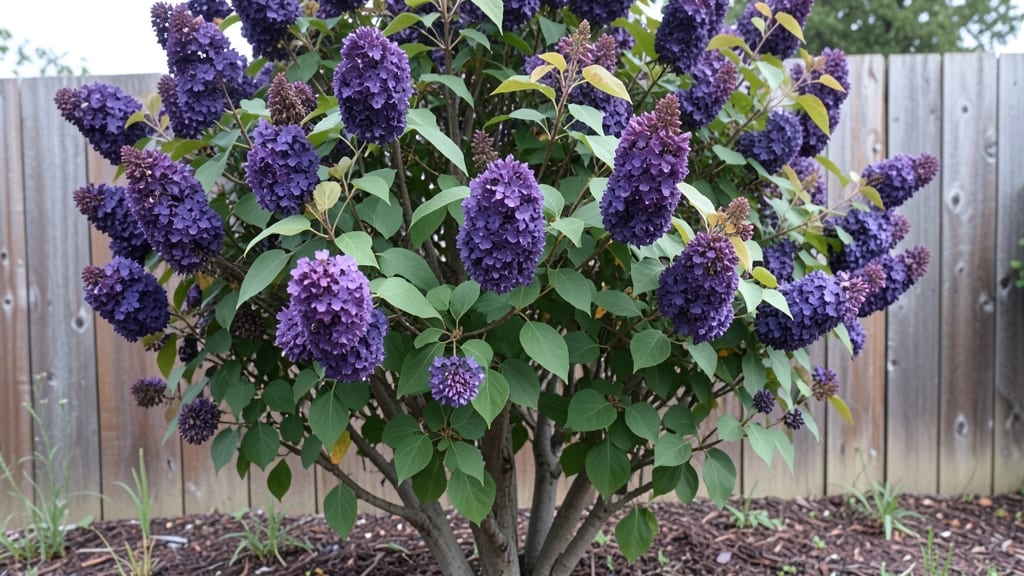
A dark purple lilac tree transforms any garden into a fragrant, jewel-toned masterpiece—its deep violet blooms stand out against spring greenery like nothing else. I planted mine last year near the patio, and every April, the neighborhood stops to admire it.
The secret to keeping it show-stopping? Pruning at the right time and in the right way.
Most people prune lilacs too late or too aggressively, which cuts back blooms for the next season. Instead, focus on shaping the tree after flowering but before new growth hardens—usually in late May or early June.
This timing lets you trim spent blooms while encouraging stronger stems for next year’s display. A well-pruned lilac also grows more compact, making it perfect for small yards or as a dramatic focal point.
Your reward? A tree that bursts into vibrant purple clouds every spring, stays healthy for decades, and even attracts bees and butterflies. The fragrance alone makes it worth the effort—imagine sitting under its canopy while the scent drifts through the air.
With the right pruning, you’ll have blooms that last 2-3 weeks longer than unpruned trees.
Works beautifully as a standalone specimen, paired with silver foliage plants for contrast, or layered into borders for height. Once you see how easy it is to maintain, you’ll wonder why you didn’t prune lilacs this way sooner.
📚 In This Guide
- What you need
- Instructions
- Tips and common mistakes
- Wrapping up and next steps
What you need
- ● Pruning shears – Bypass-style (sharp, clean cuts), 10-12 inch blades (for thicker branches). Pro tip: Disinfect with rubbing alcohol before/after use to prevent disease spread! 💡
- ● Loppers – 18-24 inch (for branches ½ inch to 2 inches thick).
- ● Pruning saw – 7-10 inch curved blade (for branches thicker than 2 inches).
- ● Gloves – Heavy-duty, cut-resistant (lilac thorns are no joke! 😅).
- ● Ladder – Sturdy, extendable (if your tree is over 6-8 feet tall).
- ● Disposable pruning bags – 1-2 large bags (for collecting debris).
- ● Rubbing alcohol (70%+) – Small bottle (for sterilizing tools).
- ○ Sharpie or marker – Permanent (optional, for marking branches to remove).
- ● Hand pruners – For tiny twigs (½ inch or less).
- ● Tree wound dressing – Controversial but useful for large cuts (follow package instructions).
- ● Garden hose or spray bottle – To clean tools between cuts (keeps sap off blades!).
- ● Notebook & pen – To sketch your tree’s shape before pruning (great for planning!).
How to prune a dark purple lilac tree for maximum blooms
Pruning transforms your lilac into a bushier, more vibrant plant. Here's my tested approach to encourage longer blooms and healthier growth.
Time Your Pruning for Best Results
Prune your dark purple lilac immediately after it finishes blooming—typically in late spring or early summer. This timing ensures you don't cut off next year's flower buds, which form on old wood. If you prune too early, you risk removing half the blooms. If you wait too long, new growth won't have time to harden off before winter.
Look for spent flowers that have dropped completely and new leaves that are fully unfurled. This visual cue tells you the tree has finished its main bloom cycle. I always mark the date on my calendar so I don't miss the window—lilacs are particular about timing.
Remove Dead or Weak Wood First
Start by identifying and cutting out any dead, diseased, or crossing branches. Dead wood is easy to spot—it's grayish-brown, brittle, and doesn't have leaves. Diseased branches often have black spots or unusual growths. Crossing branches rub against each other, creating wounds that invite pests and diseases.
Use clean, sharp pruning shears to make your cuts. Cut just outside the branch collar—the swollen area where the branch meets the trunk. This ensures the wound heals properly. I always disinfect my tools with rubbing alcohol between cuts to prevent spreading any potential infections.
Thin Out the Center for Better Airflow
Lilacs naturally grow dense, which can lead to crowded centers with poor airflow. Select branches that are growing inward or rubbing against others and remove about one-third of them. This opens up the center of the tree, allowing sunlight and air to reach all parts of the plant.
When thinning, aim for an open vase shape. You want to see light through the center when looking at the tree from all sides. I like to step back every few cuts to visualize the overall shape. This prevents over-thinning, which can stress the plant.
Shape and Encourage Bushier Growth
To promote bushier growth and longer blooms, cut back about one-third of the oldest stems to just above a strong outward-facing bud. These older stems produce the most flowers, but they also become woody over time. By cutting them back, you encourage new growth that will produce flowers next season.
Make your cuts at a 45-degree angle, about ¼ inch above the bud. This angle helps water run off the cut and prevents it from sitting in the wound. Avoid cutting too close to the bud—you want to leave enough room for new growth to emerge without damaging the bud itself.
Clean Up and Monitor for New Growth
After pruning, remove all debris from the ground around the tree. This prevents pests and diseases from taking hold. I also like to apply a light layer of mulch around the base, keeping it a few inches away from the trunk to prevent rot.
Watch for new growth in the coming weeks. Healthy new shoots will appear from the buds you left behind. If you see any signs of stress, like wilting leaves or unusual spots, adjust your watering or check for pests. Lilacs are generally hardy, but proper aftercare ensures they thrive after pruning.
Tips & tricks for perfect dark purple lilac tree pruning
A few key insights will help you avoid common mistakes and maximize your lilac's potential for years to come.
Timing is Everything: The late spring/early summer window is non-negotiable for dark purple lilacs. I learned this the hard way after pruning too early and losing half my blooms. Watch for when 80% of flowers have dropped completely—this is your exact cue. The tree's natural leaf unfurling signals it's ready for pruning too. Mark your calendar now so you don't miss next year's window!
The Branch Collar Technique: When cutting branches in Step 2, focus on the branch collar—the swollen area where the branch meets the trunk. This is the tree's natural healing point. I see people cutting too close to the trunk all the time, which creates wounds that never properly seal. Always cut just outside this collar to ensure healthy regrowth. A magnifying glass helps if you're unsure where the collar begins.
Visualizing the Vase Shape: For Step 3's thinning, imagine looking at your tree through a clear vase. You should see light shining through the center when you're done. I step back every few cuts to check this—it's amazing how quickly a dense center becomes open and airy. This airflow improvement prevents fungal diseases that often plague overcrowded lilacs. Remember, we're removing about one-third of branches, not all of them.
Bud Selection Matters: In Step 4, choose buds that face outward and are about ¼ inch below your cut. These buds will grow into next year's blooms. I always run my fingers along the stem to feel for the strongest buds—sometimes you can tell just by touch which ones will thrive. Avoid cutting too close to the bud itself, as this can damage the emerging growth. A good rule is to make your cut at the angle where you can see the bud clearly through the cut.
Pro Tips for Dark Purple Lilac Tree
- A few key insights will help you avoid common mistakes and maximize your lilac's potential for years to come.
- Timing is Everything: The late spring/early summer window is non-negotiable for dark purple lilacs.
- The Branch Collar Technique: When cutting branches in Step 2, focus on the branch collar—the swollen area where the branch meets the trunk.
Frequently asked questions
Got questions about your dark purple lilac tree? You’re not alone! Whether you’re new to pruning or just want to keep those stunning blooms coming, here are some of the most common concerns—and their answers.
When is the best time to prune my dark purple lilac tree?
The ideal window is right after it finishes blooming in late spring or early summer. This ensures you don’t cut off next year’s flowers, which form on old wood. Avoid pruning in fall or winter, as lilacs are dormant and more susceptible to disease.
How much can I trim my lilac tree without damaging it?
For established trees, aim to remove no more than 1/3 of the plant’s growth per year. Focus on dead, crossing, or overcrowded branches first. Over-pruning can stress the tree and reduce blooms. Pro tip: If your lilac is young (under 3 years), light shaping is enough—wait to prune heavily until it’s mature!
Why aren’t my dark purple lilac blooms as vibrant as last year?
Fading blooms often signal over-pruning, nutrient deficiencies, or poor sunlight. Check if you’re pruning too late (after mid-summer) or cutting back into old wood. Feed with balanced fertilizer in early spring and ensure it gets 6+ hours of sun daily. Bonus: Mulch around the base to retain moisture!
Can I grow a dark purple lilac from a cutting?
Yes! Take 4–6 inch cuttings from softwood (new growth) in early summer. Dip the cut end in rooting hormone, plant in moist perlite or sand, and cover with a plastic bag to retain humidity. Keep in bright, indirect light until roots form (4–8 weeks). Patience is key—lilacs root slowly!
What pests or diseases should I watch for in my lilac tree?
Lilacs are tough but can fall prey to lilac borers, aphids, or powdery mildew. For borers, prune infested branches and treat with neem oil. Aphids? Blast them off with water or use insecticidal soap. Powdery mildew thrives in humid conditions—space plants for airflow and apply fungicide if needed.
How do I encourage a bushier, fuller dark purple lilac tree?
Prune just above a leaf bud (not a bare stem) to promote new growth. Avoid top-heavy cuts, which can make the tree leggy. Thin out inner branches to improve airflow and sunlight penetration. Feed annually with phosphorus-rich fertilizer (like 10-20-10) in spring to boost blooming!
Wrapping up and next steps
Your dark purple lilac tree is a stunning addition to any garden, and with the right pruning techniques, it can thrive for years to come! 🌿 By following seasonal timing, using the proper tools, and mastering the art of selective cutting, you’ll encourage longer blooms, stronger growth, and a healthier plant.
Remember, patience and consistency are key—your lilac will reward you with vibrant, fragrant flowers season after season.
Ready to take the next step? Grab your pruners, mark your calendar for late winter or early spring, and give your lilac the care it deserves! Happy pruning! ✂️💜