
Pruning
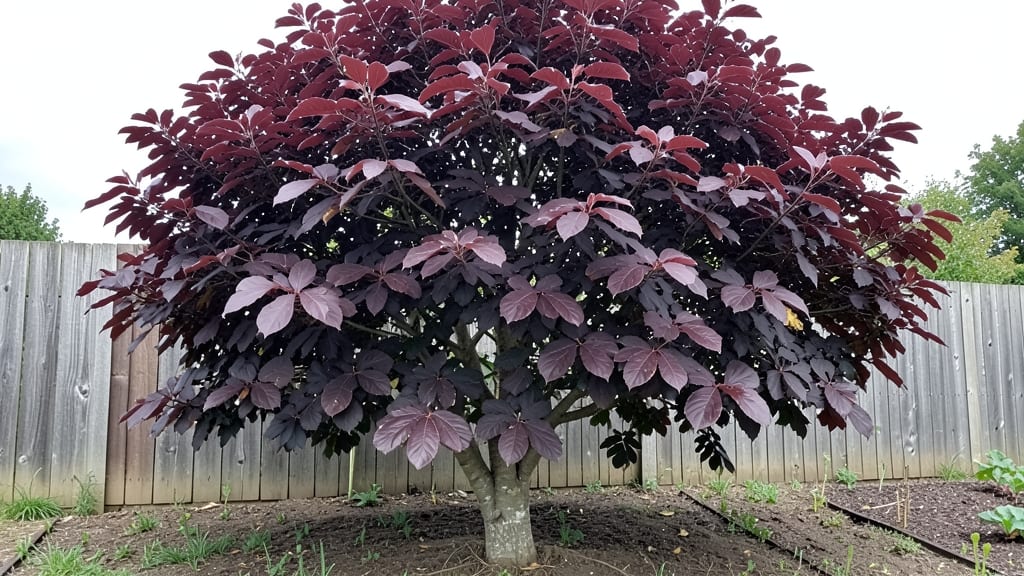
The purple leaf beech tree turns your yard into a living masterpiece with its striking burgundy foliage that stays vibrant even in winter. 🌿 I planted mine in a spot where it gets partial shade, and now it’s the centerpiece of my garden—its deep purple leaves create a dramatic contrast against the green backdrop year-round.
This cold-hardy tree thrives in well-draining soil and tolerates a range of climates, making it perfect for zones 4 through 8. It grows slowly but steadily, reaching 15 to 25 feet tall, so it’s ideal for both small yards and larger landscapes.
The key to keeping it healthy is regular watering during its first year and minimal pruning to maintain its natural shape.
You’ll love how it stands out in every season—spring brings fresh green leaves that darken to rich purple by summer, and even in winter, the branches add texture and interest.
Its unique foliage makes it a conversation starter, and its ability to handle cold temperatures means you won’t have to worry about replacing it.
Whether you’re planting it as a focal point or lining a driveway, this tree adds year-round beauty with almost no fuss. Let’s get you started on growing one that becomes the envy of your neighborhood!
📚 In This Guide
- What you need
- Instructions
- Tips and common mistakes
- Wrapping up and next steps
What you need
- ● Purple leaf beech tree sapling (3–5 gallons in a container, or bare-root for transplanting). Pro tip: 🌡️ Choose a healthy specimen with vibrant purple foliage and no signs of pests!
- ● High-quality soil (well-draining, slightly acidic: pH 5.0–6.5). Mix 1 part compost with 2 parts native soil or use a tree-specific potting mix.
- ● Organic mulch (3–4 inches of shredded bark or wood chips to retain moisture and regulate temperature).
- ● Slow-release fertilizer (balanced 10-10-10 or tree-specific formula, 1–2 lbs per 100 sq ft).
- ● Pruning shears (bypass type, sharp and sterilized to avoid disease).
- ● Loppers (for thicker branches, 8–12 inch cutting capacity).
- ● Hand pruners (for precision trimming, bypass or anvil style).
- ● Gloves (heavy-duty, cut-resistant for protection).
- ● Watering can or hose (with adjustable nozzle for gentle watering).
- ● Measuring tape (for spacing and branch length).
- ● Shovel or spade (for planting, 18–24 inch width).
- ○ Tree stake & ties (optional, for young saplings in windy areas).
- ○ Tree wound dressing (for sealing large pruning cuts, optional but recommended for older trees).
- ● Soil moisture meter (to monitor watering needs, especially in drought-prone areas).
- ● Fungicide spray (copper-based, preventative treatment for powdery mildew or leaf spot).
- ● Tree growth regulator (e.g., Paclobutrazol, to control excessive growth if needed).
- ● Decorative stakes or markers (to label your tree or outline planting zones).
Step-by-step guide to planting and caring for purple leaf beech trees
Here’s how to grow these stunning trees with striking foliage that thrives in cold climates.
🌱 Step 1: Choose the Right Location and Planting Time
Purple leaf beech trees need full sun to partial shade—at least 6 hours of sunlight daily for vibrant foliage. I always plant mine in early spring or fall when temperatures are mild, avoiding extreme heat or frost. The tree’s roots establish best in well-draining, slightly acidic soil with a pH between 5.0 and 6.5. If your soil is heavy clay, amend it with 3-4 inches of compost before planting.
Dig a hole twice as wide as the root ball but no deeper. This gives roots room to spread without settling too far. Gently remove the tree from its container, loosen any circling roots with your fingers, and place it in the hole so the top of the root ball sits 1 inch above ground level. This prevents water from pooling around the trunk, which can cause rot.
☀️ Step 2: Water Deeply After Planting and Mulch Properly
Water the tree deeply right after planting—soak the soil until it’s 6-8 inches down, then let it drain. Purple leaf beeches are drought-tolerant once established, but young trees need 1-2 inches of water weekly during the first growing season. I use a soaker hose to deliver moisture slowly and avoid wetting the leaves, which can invite fungal diseases.
Apply 2-3 inches of organic mulch (like shredded bark or wood chips) around the base, keeping it 3-4 inches away from the trunk to prevent rot. Mulch helps retain moisture, regulates soil temperature, and suppresses weeds. Refresh the mulch layer annually in early spring to maintain its effectiveness.
✂️ Step 3: Prune for Shape and Health in Late Winter
Prune your purple leaf beech in late winter or early spring, just before new growth begins. Remove dead, diseased, or crossing branches first—these can weaken the tree or block sunlight. I also thin out any crowded branches to improve airflow, which reduces the risk of pests and fungal issues.
Shape the tree by cutting back overly long branches to maintain a natural form. Avoid heavy pruning in summer, as it can stress the tree and lead to weak growth. Sterilize your pruners with rubbing alcohol between cuts to prevent spreading disease. After pruning, water the tree deeply to help it recover.
🌿 Step 4: Monitor for Pests and Diseases Year-Round
Purple leaf beeches are generally low-maintenance, but watch for scale insects, spider mites, or beech leaf disease—common issues in humid climates. I inspect the leaves monthly during growing season for signs of yellowing, spots, or sticky residue (a sign of sap-sucking pests). If you spot problems, treat with neem oil or an insecticidal soap as a first line of defense.
Beech leaf disease, caused by a fungus, can be devastating. Remove and destroy infected leaves immediately and avoid overhead watering to keep foliage dry. If the tree is young, consider applying a copper fungicide in early spring for prevention. Healthy trees with good airflow rarely suffer severe issues, so proper spacing and pruning go a long way.
⏰ Step 5: Enjoy Year-Round Interest and Plan for Long-Term Growth
Purple leaf beeches offer stunning fall color (deep reds and purples) and textured bark in winter, making them a standout in any landscape. As the tree matures—expect 40-60 feet tall and 30-50 feet wide—its canopy will provide shade and year-round beauty. I often pair mine with evergreens or ornamental grasses to create contrast.
Fertilize young trees annually in early spring with a balanced, slow-release fertilizer (10-10-10). Mature trees typically don’t need extra nutrients if the soil is healthy. Prune lightly each year to maintain shape, and enjoy the tree’s low-maintenance elegance for decades. With proper care, your purple leaf beech will become a focal point in your landscape.
Tips & tricks for perfect purple leaf beech tree planting and care
Here’s what I’ve learned from planting and growing purple leaf beeches—these tips will help you avoid common mistakes and get the most vibrant foliage possible.
Soil Prep is Everything: Before planting, test your soil’s pH—purple leaf beeches thrive in slightly acidic soil (pH 5.0-6.5). If your soil is too alkaline, amend it with sulfur or peat moss before planting. I’ve seen trees struggle in heavy clay soil, so if yours is compacted, mix in 3-4 inches of compost to improve drainage and aeration. This makes all the difference for root health and vibrant purple leaves.
Planting Depth Matters: When placing your tree in the hole, make sure the top of the root ball sits 1 inch above ground level. This prevents water from pooling around the trunk, which can cause rot. I’ve had to replant trees that were buried too deep—don’t make my mistake! Also, loosen any circling roots with your fingers before planting to encourage outward growth.
Watering Wisdom: After planting, water deeply until the soil is soaked 6-8 inches down. Young trees need 1-2 inches of water weekly during their first year, but avoid wetting the leaves to prevent fungal diseases. I use a soaker hose for slow, even watering that keeps the roots happy without encouraging leaf spots. In hot summers, you might need to water more frequently—just check the soil moisture before deciding.
Mulch Like a Pro: Apply 2-3 inches of organic mulch around the base, keeping it 3-4 inches away from the trunk. Refresh the mulch layer annually in early spring to maintain its effectiveness. I’ve found that mulching helps regulate soil temperature and retain moisture, which is especially important during dry spells. Just avoid piling mulch against the trunk—it can trap too much moisture and cause rot.
Pro Tips for Purple Leaf Beech Tree
- Here’s what I’ve learned from planting and growing purple leaf beeches—these tips will help you avoid common mistakes and get the most vibrant foliage possible.
- Soil Prep is Everything: Before planting, test your soil’s pH—purple leaf beeches thrive in slightly acidic soil (pH 5.0-6.5).
- Planting Depth Matters: When placing your tree in the hole, make sure the top of the root ball sits 1 inch above ground level.
Frequently asked questions
Got questions about growing and caring for your purple leaf beech tree?
Here are answers to the most common ones—from planting to pruning and beyond!
How fast does a purple leaf beech tree grow?
A purple leaf beech grows at a moderate pace, typically adding 12–24 inches per year under ideal conditions. In the first 10 years, expect slower growth (6–12 inches/year), while mature trees (20+ years) may grow faster with proper care. Patience is key—their stunning foliage is worth the wait!
When is the best time to prune a purple leaf beech?
Prune in late winter or early spring (February–March), before new growth begins. Avoid heavy pruning in fall or summer, as it can stress the tree. Focus on removing dead, diseased, or crossing branches to maintain its shape and health. Always sterilize tools to prevent infections!
Can purple leaf beech trees survive in cold climates?
These trees thrive in USDA Zones 4–8 and handle winter temps as low as -30°F. Their cold hardiness makes them perfect for northern gardens. Just ensure they’re planted in well-draining soil and avoid waterlogged areas to prevent root damage.
Why are the leaves turning brown or yellow?
Brown/yellow leaves often signal stress from overwatering, underwatering, or nutrient deficiencies. Check soil moisture (it should be evenly damp but not soggy) and fertilize in early spring with a balanced, slow-release fertilizer. Fungal issues (like powdery mildew) may also cause discoloration—treat with fungicide if needed.
Are there dwarf varieties of purple leaf beech trees?
Yes! If space is limited, consider the ‘Copper Beech’ (Fagus sylvatica ‘Copper’) dwarf cultivar, which stays under 15–20 feet tall. Another option is ‘Purpurea Pendula’, a weeping variety with vibrant purple leaves. Both retain the iconic color while offering compact growth.
Do purple leaf beeches attract pests?
They’re generally pest-resistant, but spider mites, scale, and borers may occasionally appear. Monitor for webbed leaves or sawdust-like frass. Treat infestations early with insecticidal soap or horticultural oil. Healthy trees (with proper water/fertilizer) are less prone to pests!
Wrapping up and next steps
The purple leaf beech tree is a stunning, low-maintenance addition to any landscape, offering year-round beauty with its vibrant foliage and striking bark. Whether you're a seasoned gardener or just starting out, this cold-hardy tree brings drama and elegance to your outdoor space with minimal fuss.
Ready to plant your own? Start by reviewing the essentials—soil prep, sunlight needs, and pruning tips—to set your tree up for success. With patience and care, you’ll enjoy its breathtaking colors for decades to come! 🌿✨