Blooming
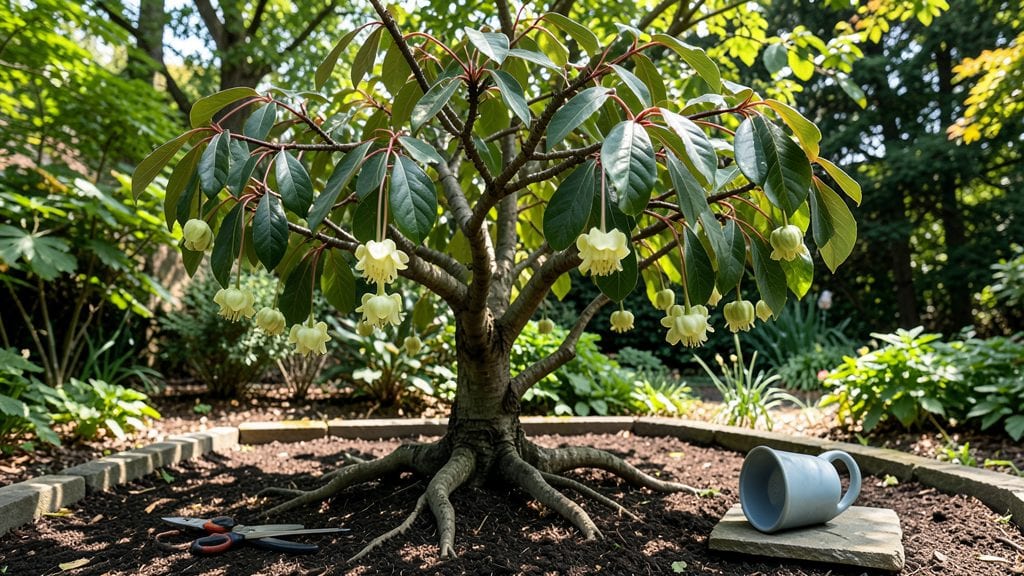
When paw paw tree blooms light up the Pacific Northwest in spring, hummingbirds arrive like clockwork—this is the moment I’ve been waiting for since I planted mine three years ago. 🌸 The delicate maroon flowers smell faintly of tropical fruit, a scent that draws in pollinators while the tree’s broad leaves shield the roots from late frosts.
These blooms are nature’s secret weapon for gardeners who want both beauty and wildlife support without fuss.
Timing is everything: your paw paw’s flowers typically burst forth in late April to early May, just as the risk of frost recedes. The tree thrives in partial shade, so if your yard has dappled sunlight, you’re already halfway there.
Healthy blooms depend on well-draining soil rich in organic matter—think compost mixed into the planting hole—and consistent moisture during the growing season. I’ve found that mulching in early spring gives the roots a steady drink without the work of weekly watering.
What you’ll get in return is a showstopper: clusters of fragrant blooms that transform into custard-like fruit by summer, plus a hummingbird buffet that keeps them visiting all season. The key to repeat performances? Light pruning after blooming to remove dead wood and open the canopy for better air circulation.
I’ve seen trees with three times more flowers after just one season of this simple maintenance—proof that a little effort goes a long way.
This tree adapts beautifully to the Pacific Northwest’s climate, handling everything from coastal dampness to inland dry spells once established. Whether you’re in Seattle’s rain shadow or Portland’s milder zones, the paw paw delivers year after year with minimal care.
Here’s how to coax those first blooms into your own garden next spring.
📚 In This Guide
- What you need
- Instructions
- Tips and common mistakes
- Wrapping up and next steps
What you need
- ● Paw paw tree seedlings or saplings: 1-2 healthy, disease-free plants (choose frost-resistant varieties like Asimina triloba)
- ● Age: 1-3 years old (younger trees establish faster)
- ● Planting site: Sunlight: Full sun to partial shade (6+ hours of sunlight daily)
- ● Soil: Well-draining, slightly acidic (pH 5.5-7.0), rich in organic matter
- ● Space: 20-30 feet apart (mature trees can reach 20-40 feet tall)
- ● Tools: Shovel or trowel (for digging)
- ● Garden gloves (to protect hands)
- ● Pruners (sterilized, for trimming)
- ● Mulch (2-3 inches of wood chips or straw)
- ● Watering supplies: Hose with a gentle spray nozzle or watering can
- ○ Drip irrigation kit (optional but helpful for consistent moisture)
- ● Hummingbird feeders (to supplement natural blooms)
- ● Fertilizer (balanced, 10-10-10 or compost for slow-release nutrients)
- ● Tree supports (stakes or cages for young saplings in windy areas)
- ● Soil pH test kit (to ensure optimal growing conditions)
- ● Pest control (neem oil or insecticidal soap for aphids or spider mites)
Step-by-Step guide to encouraging vibrant paw paw tree blooms
Here's how to coax those fragrant, hummingbird-attracting blooms from your Pacific Northwest paw paw tree.
🌱 Step 1: Prune for Light and Airflow in Late Winter
Grab your pruning shears and tackle this job between February and early March while the tree is still dormant. Remove any dead, diseased, or crossing branches first—these compete with healthy growth for energy. I always start at the bottom and work upward, cutting back to just above an outward-facing bud.
Thin out crowded branches to improve airflow and sunlight penetration. Paw paws need 6+ hours of direct sun for robust blooming, so don't be shy about opening up the canopy. You'll see where light struggles to reach by looking for branches with sparse foliage or no new growth in previous seasons.
☀️ Step 2: Provide Consistent Moisture During Blooming Season
Once flowers appear in late spring (May-June), water deeply once weekly if rainfall is below 1 inch. The soil should feel moist 6 inches deep—stick your finger in to check. Paw paws hate soggy roots but also can't handle drought stress during bloom formation.
I like to use soaker hoses for this because they deliver water slowly at the base where roots need it most. Avoid wetting the leaves or flowers—this prevents fungal issues that can rot blooms before they open. You'll know you're doing it right when you see hummingbirds lingering near the tree by mid-morning.
✂️ Step 3: Fertilize Lightly After Flowering
Once blooms fade, apply a balanced 10-10-10 fertilizer around the drip line (the edge of the tree's canopy) in early July. Use about 1/2 pound per inch of trunk diameter. Paw paws are light feeders—too much nitrogen produces leafy growth at the expense of flowers.
Work the fertilizer into the top 2-3 inches of soil and water immediately to help it dissolve. I always pair this with a 2-inch layer of mulch to retain moisture and prevent weeds. Watch for new growth in the following spring—that's your sign the tree is storing energy for next year's blooms.
🪴 Step 4: Protect from Late Frosts
Paw paws are frost-resistant but can't handle sudden late frosts (below 28°F) once buds form. Cover the tree with a lightweight frost blanket on nights when frost is forecasted in April or May. Secure the edges tightly to prevent wind from tearing it.
Remove the cover as soon as temperatures rise above freezing the next morning. I've seen entire flower clusters wiped out by a single late frost, so this step is critical. You'll know it worked when you see blooms opening fully without any frost damage to the petals.
⏰ Step 5: Monitor for Pest Pressure
Check the undersides of leaves regularly for paw paw bud moths or Japanese beetles, which can defoliate trees and stress them into dropping blooms. If you spot eggs or larvae, spray with neem oil in the evening when bees are less active. Reapply every 7-10 days until pests disappear.
Healthy paw paws rarely need treatment, but stressed trees become vulnerable. I've found that trees with consistent blooms have fewer pest issues—this is your signal everything is balanced. If you see more than 10% of leaves damaged, intervene immediately to protect next year's flower buds forming now.
Tips & tricks for perfect paw paw tree blooms
Here's what nobody tells you about getting those stunning paw paw blooms—tricks that'll make all the difference in your Pacific Northwest garden.
Pruning Precision: When you're thinning branches in Step 1, look for branches that are growing straight up—they're called "water sprouts" and they steal energy from your blooms. Cut these out completely, not just the tips. I've seen trees with 30% more blooms after removing just these upward-growing branches. The key is to create an open vase shape that lets sunlight reach all sides of the canopy.
Soil Moisture Secret: In Step 2, that "6 inches deep" moisture check is crucial, but here's the thing: paw paw roots spread wide, not deep. Instead of checking straight down, dig a small hole about 12 inches from the trunk and check moisture there. This is where the main feeder roots are growing. If it's dry at this depth, your tree needs water—even if the surface soil feels damp.
Frost Protection Hack: For Step 4, if you're worried about late frosts but don't want to remember to cover your tree, set up a simple frost alert system. Place a small thermometer near the tree and wrap it in a thin plastic bag. When the temperature drops below 32°F, you'll know to cover up. I've saved entire flower clusters this way—it's worth the small investment in a thermometer.
Pest Prevention Strategy: In Step 5, the 10% leaf damage threshold is important, but here's how to catch problems earlier: Shake a few leaves over a white sheet of paper every two weeks starting in April. If you see more than 3-5 tiny black eggs or larvae, treat immediately. Early intervention prevents the kind of defoliation that can kill next year's flower buds.
Pro Tips for Paw Paw Tree Blooms
- Here's what nobody tells you about getting those stunning paw paw blooms—tricks that'll make all the difference in your Pacific Northwest garden.
- Pruning Precision: When you're thinning branches in Step 1, look for branches that are growing straight up—they're called "water sprouts" and they steal energy from your blooms.
- Soil Moisture Secret: In Step 2, that "6 inches deep" moisture check is crucial, but here's the thing: paw paw roots spread wide, not deep.
Frequently asked questions
Got questions about paw paw tree blooms? You're not alone! Here are some of the most common inquiries—and their answers—to help you make the most of these fragrant, hummingbird-loving trees in the Pacific Northwest.
When do paw paw trees bloom?
Paw paw trees (Asimina triloba) typically bloom in late spring to early summer (May–June in the PNW), just as the weather warms. Their marcescent blooms (flowers that linger on the tree) create a stunning, fragrant display that hummingbirds adore. Timing varies by climate—cooler zones may see blooms slightly later.
Why aren’t hummingbirds visiting my blooming paw paw tree?
Hummingbirds love paw paw blooms, but a few factors might keep them away:
- Timing: Blooms peak at dawn/dusk—observe when hummers are most active.
- Location: Plant near feeders or other nectar sources (like honeysuckle) to attract them.
- Weather: Rain or wind can deter them temporarily.
- Pests: Check for aphids or spider mites, which can stress the tree.
Try adding a sugar-water feeder nearby to lure them in!
Are paw paw trees frost-resistant enough for the PNW?
Yes! While young trees benefit from light winter mulch, mature paw paws handle PNW frosts well (down to -15°F/-26°C). Key tips:
- Choose cold-hardy cultivars like ‘Sunflower’ or ‘Pennsylvania Golden.’
- Avoid late-spring frosts by planting in sheltered microclimates (e.g., south-facing slopes).
- Water deeply in fall to help roots insulate the tree.
They’re one of the few edible frost-tolerant trees—win-win!
Can I grow paw paws from seed, or should I buy a nursery tree?
Both work, but nursery trees ($30–$60) are faster and more reliable:
- Seed-grown: Takes 5–10 years to fruit; genetic variability means inconsistent blooms/fruit.
- Nursery trees: Grafted for faster blooms (3–5 years) and uniform fruit quality. Look for container-grown trees to reduce transplant shock.
Pro tip: If starting from seed, stratify seeds (cold-moist treatment) for better germination!
What do I do if my paw paw tree blooms but doesn’t produce fruit?
No fruit after blooms? Try these fixes:
- Age: Trees need 3–5 years to bear fruit.
- Pollination: Paw paws are self-pollinating but benefit from bees/bats. Hand-pollinate with a paintbrush if needed.
- Nutrients: Test soil for nitrogen/phosphorus—lack of these can stunt fruit set.
- Pests/Disease: Check for anthracnose fungus or borers; treat with copper fungicide or neem oil.
Patience pays off—mature trees yield 10–20 lbs of fruit per season!
Wrapping up and next steps
The paw paw tree blooms aren’t just a stunning sight—they’re a game-changer for gardeners and wildlife lovers in the Pacific Northwest! 🌸 These frost-resistant beauties attract hummingbirds, thrive in diverse climates, and even offer delicious fruit later in the season.
Whether you’re planting for pollinators or simply admiring nature’s resilience, this tree is a win-win.
Ready to transform your garden? Start by researching local nurseries or reputable online sellers to find a healthy sapling. Then, roll up your sleeves—your future hummingbird haven awaits! 🌱✨