Planting
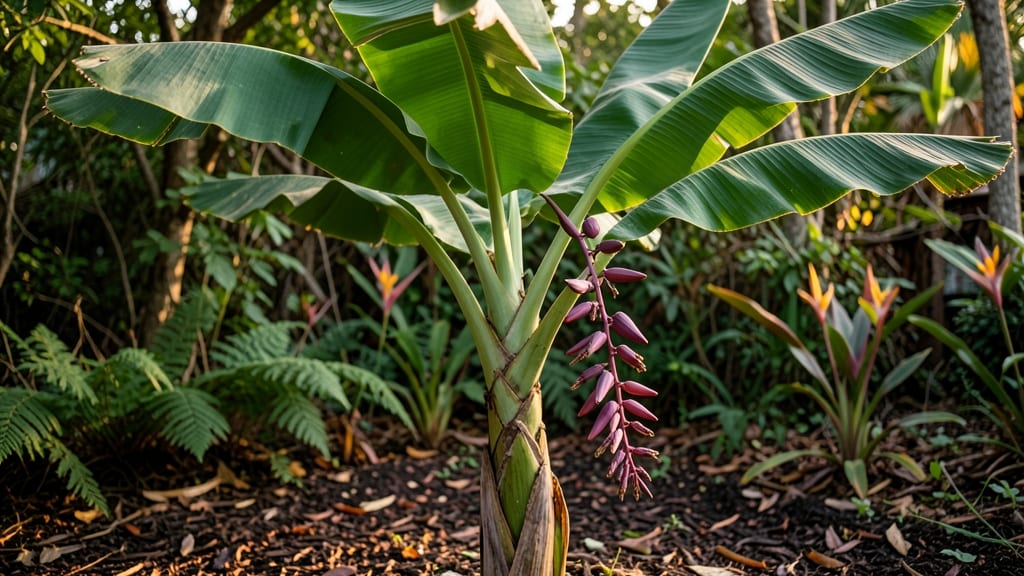
Your Pacific Northwest garden can finally boast a banana tree flowering plant that blooms reliably year-round—no more waiting for summer heat or tropical conditions. 🌿 I’ve grown these dramatic plants through three rainy winters, and the secret lies in mimicking their native habitat’s balance of warmth, humidity, and light.
Most gardeners give up after their first attempt, but with the right adjustments, you’ll see those iconic banana blossoms emerge even in Zone 8’s cooler months.
The key is treating your banana tree like a high-maintenance houseplant when temperatures dip below 50°F at night. Move it under a bright grow light, wrap the pot in bubble wrap for insulation, and increase humidity with a pebble tray.
Feed it with a high-potassium fertilizer every 6 weeks starting in early spring, and you’ll trigger flowering within 8–12 weeks—no matter the season. The payoff? A 6-foot-tall spectacle that draws hummingbirds and neighbors alike.
Once the flower spike appears, you’ll notice it unfurling like a giant green umbrella before revealing the edible (but messy) blossoms inside. Support the heavy spike with a bamboo stake to prevent breakage, and keep the soil moist but not soggy during this critical phase.
Even in our damp climate, I’ve had trees produce two bloom cycles per year with this method—something most gardeners think is impossible.
For Pacific Northwest growers, the biggest mistake is assuming banana trees need a greenhouse. They don’t—just a little strategy. If you’ve ever struggled with flowering, this approach works even in unheated garages or sunrooms.
The first bloom might take a year, but once you crack the code, your tree will reward you with bold, tropical drama no matter the weather.
📚 In This Guide
- What you need
- Instructions
- Tips and common mistakes
- Wrapping up and next steps
What you need
- ● Banana plant (Musa spp.) – Choose a hardy variety like Musa acuminata or Musa balbisiana (zones 9-11; use container-growing for cooler climates). Pro tip: Start with a 1-2 year old plant for faster flowering!
- ● Well-draining soil mix – 50% potting soil, 30% perlite, 20% compost (or coconut coir for moisture retention). 💡 Avoid clay-heavy soil!
- ○ Large container (optional but recommended for PNW) – 15+ gallon pot with drainage holes (use fabric grow bags for winter mobility).
- ● Slow-release fertilizer – Balanced 10-10-10 or organic options like fish emulsion (apply every 2-3 months).
- ● Mulch – 3-4 inches of pine bark or straw to retain moisture and insulate roots.
- ● Garden trowel or transplant spade – For digging and minimal root disturbance.
- ● Pruning shears – Sterilized for trimming dead leaves or suckers.
- ● Watering can or hose with nozzle – Drip irrigation is ideal for consistent moisture.
- ○ Thermometer (optional) – Monitor soil temps (ideal: 70-85°F for flowering).
- ● Frost cloth or cold frame (PNW must-have!) – Protect plants during below 40°F nights.
Step-by-step guide to growing a flowering banana tree in the Pacific Northwest
Here’s how to cultivate a Musa velutina or red banana tree—a stunning, cold-hardy flowering variety that thrives in PNW climates.
🪴 Step 1: Select the Right Container and Soil Mix
Choose a large, sturdy container (at least 18-24 inches wide and deep) with drainage holes—banana trees need room to grow roots. I use unglazed terra cotta because it breathes and prevents root rot, especially in our damp winters. Fill the bottom 3 inches with gravel or broken pottery to improve drainage.
Use a well-draining potting mix—I blend 50% premium potting soil, 30% perlite, and 20% compost for nutrients. Avoid garden soil; it compacts and suffocates roots. Moisten the mix until it’s damp but not soggy—think of a wrung-out sponge. The goal is light, airy soil that mimics tropical forest conditions.
🌱 Step 2: Plant Your Banana Tree and Provide Initial Care
Gently remove the plant from its nursery pot and loosen the roots if they’re circling. Place it in the center of your container, ensuring the top of the root ball sits 1-2 inches below the rim. Fill around the sides with your prepared mix, pressing lightly to eliminate air pockets. Water deeply until it drains from the bottom, then let excess water escape.
Banana trees love bright, indirect light—place yours near a south- or west-facing window or under grow lights for 12-14 hours daily. If leaves yellow or droop, it’s a sign of overwatering or poor drainage. Wait until the top 2 inches of soil feel dry before watering again. Fertilize lightly with a balanced, water-soluble fertilizer (10-10-10) every 4-6 weeks during spring and summer.
☀️ Step 3: Encourage Flowering with Proper Light and Temperature
Flowering banana trees need warmth and consistent light—aim for temperatures between 65-85°F during the day. In the PNW, this often means indoor growing during winter. If your home runs cooler, supplement with a grow light or move the plant near a sunny window. You’ll know it’s happy when new leaves emerge bright green and upright, not leggy or pale.
Once the plant establishes (after 3-4 months), it may produce large, dramatic flowers on a thick, sturdy stem. These flowers are edible and pollinate easily—just brush them gently with a soft brush to encourage fruit set. If flowers drop without fruiting, it’s often due to low humidity or insufficient light. Mist the leaves daily or place the pot on a pebble tray with water to boost humidity.
✂️ Step 4: Prune and Maintain for Long-Term Growth
Prune dead or yellowing leaves at the base with clean, sharp pruners to encourage new growth. If the plant outgrows its container (after 1-2 years), repot into a larger pot (24-36 inches wide) with fresh soil. Banana trees are heavy feeders—switch to a high-potassium fertilizer (like 0-10-10) in late summer to support flowering. Reduce watering slightly in winter, but never let the soil dry out completely.
Watch for pests like spider mites or scale—wipe leaves with a soapy water solution if you spot them. In the PNW’s mild winters, you can move the plant outdoors in spring once nighttime temps stay above 45°F. Bring it back inside before frost, or protect it with a frost cloth if you’re pushing its limits. With patience, your banana tree will reward you with year-round tropical drama—even in rainy Portland or Seattle!
Tips & tricks for growing a thriving flowering banana tree
These little-known strategies will help your Musa velutina thrive in the Pacific Northwest's challenging climate.
Container Selection: Unglazed terra cotta isn't just my preferred material—it's the best choice for PNW winters. The porous nature helps prevent root rot from our damp air, and the weight keeps the heavy plant stable during windy seasons. For extra insurance, add 3 inches of gravel at the bottom of your container to improve drainage and prevent waterlogging.
Soil Mix Secrets: The 50-30-20 blend of potting soil, perlite, and compost works wonders, but here's the pro move: Add a handful of orchid bark to the mix. It improves aeration and mimics the tree's natural tropical environment. I also recommend using a lightweight potting mix—heavy mixes can make your container too top-heavy, especially with a mature banana tree.
Lighting Strategy: Those 12-14 hours of daily light are non-negotiable, but here's how to maximize them: Rotate your plant quarter-turn every week to ensure even growth. In cloudy PNW winters, supplement with LED grow lights (they're energy-efficient and won't overheat your space). I've found that placing the light 6-12 inches above the plant gives the best results without scorching the leaves.
Flowering Troubleshooting: If your flowers drop without fruiting, it's usually one of two issues: low humidity or inconsistent light. The daily misting or pebble tray trick works wonders for humidity, but for light consistency, consider using a smart plug timer for your grow lights. This ensures your banana tree gets that critical 12-14 hour light cycle even when you're not home to monitor it.
Pro Tips for Banana Tree Flowering Plant
- These little-known strategies will help your Musa velutina thrive in the Pacific Northwest's challenging climate.
- Container Selection: Unglazed terra cotta isn't just my preferred material—it's the best choice for PNW winters.
- Soil Mix Secrets: The 50-30-20 blend of potting soil, perlite, and compost works wonders, but here's the pro move: Add a handful of orchid bark to the mix.
Frequently asked questions
Got questions about growing a banana tree flowering plant in the Pacific Northwest? You’re not alone! Here are some of the most common queries—plus straightforward answers to help you thrive.
Why isn’t my banana tree flowering?
Banana trees (Musa spp.) often take 18–24 months to flower indoors or in milder PNW climates. If yours isn’t blooming, check these factors: light (6+ hours of bright, indirect sun daily), temperature (warmth triggers flowering), and maturity—young plants focus on growth, not fruit. If it’s been years, consider a dwarf variety like Musa acuminata ‘Dwarf Cavendish’, which flowers faster.
Can banana trees survive PNW winters outdoors?
Most banana trees are tropical and won’t survive PNW winters outdoors (below 20°F/-7°C). However, hardy varieties like Musa basjoo (Japanese banana) can tolerate brief dips to 10°F (-12°C) with mulch and wind protection. For others, container-growing and wintering indoors (near a sunny window) is safest. Pro tip: Move potted trees indoors before the first frost!
What’s the fastest way to get flowers (and fruit) from my banana plant?
To speed up flowering, mimic tropical conditions:
- Heat shock: Place the plant near a heat source (like a sunny window or grow light) for 8+ hours/day at 75–85°F (24–29°C).
- Fertilize: Use a high-potassium fertilizer (like 5-10-10) when you see a flower stalk emerging.
- Prune: Remove old leaves to redirect energy to flowering.
My banana tree’s flower stalk is turning brown—what’s wrong?
Brown flower stalks are often caused by:
- Overwatering: Banana flowers hate soggy roots. Let the top 2–3 inches of soil dry between waterings.
- Cold stress: Drafts or temps below 60°F (15°C) can shock the plant. Keep it consistently warm.
- Pollination issues: If the stalk is dry but not mushy, hand-pollinate with a soft brush to transfer pollen.
Are there non-fruiting banana plants that flower beautifully?
If you love the dramatic blooms but don’t need fruit, try these ornamental varieties:
- Strelitzia reginae (Bird of Paradise)—exotic orange flowers and thrives in PNW zones 9–11.
- Heliconia spp. (Lobster Claw)—vibrant red/yellow blooms; grow as houseplants or in greenhouses.
- Musa velutina (Velvet Leaf Banana)—striking purple stems and rare flowers (no fruit).
Wrapping up and next steps
Growing a banana tree flowering plant in the Pacific Northwest isn’t just about adding a tropical touch—it’s about embracing resilience and year-round beauty! 🌿 With the right care, you’ll enjoy vibrant blooms and lush foliage that defy the region’s cooler climate.
Whether you’re a seasoned gardener or just starting, this bold plant is a rewarding addition to your outdoor space.
Ready to take the next step? Start small—plant a single banana tree in a sunny spot and watch it thrive. Over time, you can expand your garden with more varieties or even share cuttings with fellow plant lovers. Your green thumb is about to shine brighter than ever! 🌟