Trees
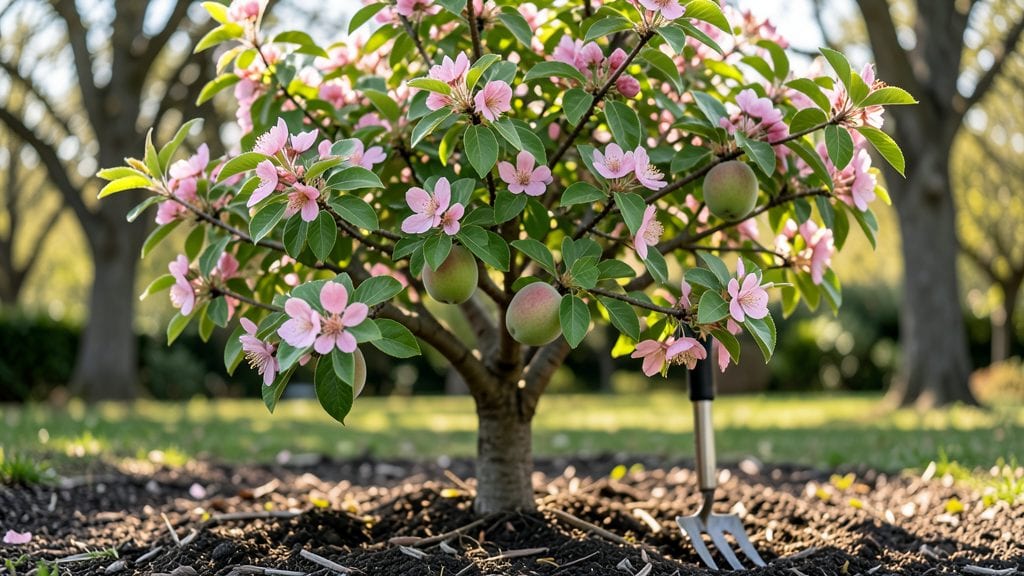
Pink flowering fruit trees turn your yard into a living canvas—spring blooms that steal the show, summer fruit, and fall color that lingers. ✨ I planted my first cherry blossom tree after seeing how it transformed a neighbor’s dull corner into a magnet for early pollinators.
The petals drift like confetti, and by summer, you’re picking sweet fruit straight from the tree.
These trees aren’t just pretty—they’re practical. Varieties like ‘Okame’ cherry or ‘Snow Fountains’ crabapple thrive in most climates, needing only full sun and well-drained soil. Pair them with lavender or ornamental grasses for a cottage-garden feel, or let them stand alone as a bold focal point.
The best part? They reward you with both beauty and harvest.
You’ll love waking up to branches heavy with blossoms, then watching birds feast on the fruit before you do. Maintenance is simple: prune in late winter, water deeply during droughts, and enjoy the show. These trees work in small yards, urban spaces, or sprawling estates—anywhere you want color that lasts.
For maximum impact, plant three trees of the same variety to ensure cross-pollination and a fuller bloom display. The investment pays off in seasons of joy, from spring’s pink explosion to autumn’s lingering fruit. Ready to add magic to your landscape?
📚 In This Guide
- What you need
- Instructions
- Tips and common mistakes
- Wrapping up and next steps
What you need
- ● Pink flowering fruit tree saplings: 1–3 trees (e.g., Hawthorn, Cherry, Plum, or Crabapple varieties like 'Royalty' or 'Pink Perfection').
- ● Choose bare-root (dormant season) or container-grown (year-round) saplings.
- ● High-quality potting soil or native soil mix: 50 lbs (for in-ground planting) or 1–2 bags (for containers).
- ● Organic compost or fertilizer: 5 lbs (e.g., 5-10-10 or fish emulsion for young trees).
- ● Mulch: 2–3 inches of wood chips or straw (avoid fresh sawdust).
- ● Hand trowel or spade (for digging holes).
- ● Garden gloves (to protect your hands from thorns or rough bark).
- ● Watering can or hose with a gentle nozzle (1–2 gallons per watering for saplings).
- ● Pruning shears (sterilized with rubbing alcohol).
- ○ Staking kit (optional) (if planting in windy areas—use 3–4 stakes per tree).
- ● Sunlight: 6+ hours of direct sun daily (most pink flowering fruit trees thrive in full sun).
- ● Climate zone: Check your USDA Hardiness Zone (e.g., Zones 5–9 for most varieties).
- ● Well-draining soil: Amend clay soil with sand or perlite if needed.
- ● Patience: Trees take 2–5 years to bear fruit (but the blooms arrive sooner!).
How to select and care for pink flowering fruit trees
Here's the straightforward approach I've used to keep these stunning trees blooming and bearing fruit season after season.
🌱 Step 1: Choose the Right Varieties for Your Climate
Start with pink-blooming fruit trees that thrive in your USDA hardiness zone. My top picks include cherry trees (like Stella or Royal Ann), apricot trees (like Goldcot), and plum trees (like Santa Rosa). These varieties handle your local conditions while delivering spectacular spring blooms and delicious fruit.
Check your average last frost date—most pink flowering fruit trees need 100-150 frost-free days to mature fruit. If you're in a cooler zone, opt for early-season varieties. I always verify the tree's mature size too—some dwarf varieties stay under 12 feet, while standard trees can reach 25 feet or more.
☀️ Step 2: Plant in Full Sun with Proper Soil Preparation
Pink flowering fruit trees demand 6-8 hours of direct sunlight daily for optimal blooming and fruiting. Choose a location with morning sun exposure to prevent afternoon heat stress. I dig the planting hole twice as wide as the root ball but only as deep—this encourages roots to spread horizontally rather than sinking too deep.
Amend heavy clay soil with 2-3 inches of compost mixed into the bottom of the hole. For sandy soil, add 1 inch of organic matter and a handful of slow-release fertilizer. The goal is well-draining soil with pH between 6.0-7.0—most fruit trees prefer slightly acidic to neutral conditions. Test your soil before planting if possible.
💧 Step 3: Water Deeply During Establishment Phase
After planting, water deeply once a week for the first two months to encourage root growth. I use a soaker hose or drip irrigation to deliver 1-2 inches of water directly to the root zone. Avoid overhead watering—wet foliage invites fungal diseases like powdery mildew.
Once established (after 12 months), reduce watering to once every 10-14 days unless you experience extended dry spells. Check soil moisture by sticking your finger 2 inches deep—if it feels dry, that's your watering cue. Mulch around the base with 2-3 inches of wood chips, keeping it 6 inches away from the trunk to prevent rot.
✂️ Step 4: Prune for Shape and Airflow in Late Winter
Prune your pink flowering fruit tree during dormancy (late winter or early spring, before buds swell). Remove dead, diseased, or crossing branches first—these compete with healthy growth. Then shape the tree by opening the canopy to improve airflow and sunlight penetration.
I aim to keep the center open and airy, cutting back any branches growing inward. For young trees, I remove suckers (shoots growing from the base) and water sprouts (vertical shoots from the trunk). Thin out too-close branches to 6-8 inches apart—this prevents overcrowding that leads to poor fruit quality. Sterilize pruning tools with rubbing alcohol between cuts to prevent disease spread.
🌿 Step 5: Fertilize for Blooms and Fruit Production
Apply a balanced fruit tree fertilizer (10-10-10 or similar) in early spring as new growth begins. Follow package rates—over-fertilizing leads to excessive leaf growth at the expense of flowers and fruit. I also add 1 cup of bone meal around the drip line in late winter to boost phosphorus for better blooming.
In mid-summer, switch to a low-nitrogen, high-potassium fertilizer (like 5-10-10) to support fruit development. Avoid fertilizing in fall—new growth won't harden off before winter. Always water deeply after fertilizing to prevent root burn. Watch for yellowing leaves—this often signals over- or under-fertilization.
Tips & tricks for perfect pink flowering fruit trees
These little details make all the difference when growing vibrant pink flowering fruit trees that keep blooming and bearing fruit year after year.
Variety Selection Matters: When choosing between cherry, apricot, or plum varieties, consider your local climate patterns. Stella cherries handle cooler zones better than Royal Ann, while Goldcot apricots thrive in warmer areas. I always check the tree's mature size too—dwarf varieties under 12 feet work perfectly for small gardens, while standard trees can become stunning focal points. The right variety ensures you get both those spectacular pink blooms AND delicious fruit.
Soil Prep is Non-Negotiable: That 6-8 hours of sunlight is crucial, but soil preparation makes or breaks your tree's health. For heavy clay soil, mix in those 2-3 inches of compost right into the planting hole—not just on top. I've seen trees struggle in amended soil when the roots can't penetrate the compacted layer below. A soil test before planting saves headaches later.
Watering Wisdom: Those first two months are critical—stick to the weekly deep watering with 1-2 inches delivered directly to the root zone. I use a soaker hose because it prevents fungal diseases from wet foliage. After the first year, you can ease up to every 10-14 days, but always check that 2-inch soil moisture test before watering. Overwatering is just as damaging as underwatering.
Pruning Precision: When you're pruning in late winter, aim to create that open center with branches spaced 6-8 inches apart. I always sterilize my tools between cuts with rubbing alcohol—this simple step prevents spreading diseases between branches. And remember, you're not just shaping the tree, you're improving airflow which reduces fungal issues and increases fruit quality.
Pro Tips for Pink Flowering Fruit Trees
- These little details make all the difference when growing vibrant pink flowering fruit trees that keep blooming and bearing fruit year after year.
- Variety Selection Matters: When choosing between cherry, apricot, or plum varieties, consider your local climate patterns.
- Soil Prep is Non-Negotiable: That 6-8 hours of sunlight is crucial, but soil preparation makes or breaks your tree's health.
Frequently asked questions
Got questions about pink flowering fruit trees?
You’re not alone! Here are some of the most common queries—plus quick, practical answers to help you grow and enjoy these stunning plants with ease.
What are the best pink flowering fruit trees for small yards?
If space is limited, opt for dwarf varieties like dwarf cherry trees (Prunus avium) or miniature peach trees (Prunus persica). These still produce vibrant pink blooms and fruit while staying compact—perfect for patios or containers! Just ensure they get at least 6–8 hours of sunlight daily.
When do pink flowering fruit trees bloom, and how long does it last?
Blooming timing varies by species, but most pink-flowering fruit trees (e.g., cherry, plum, or apricot) burst into color in early to mid-spring, often lasting 2–4 weeks. Cooler climates may see later blooms, while warmer regions might enjoy a shorter but intense display. Pro tip: Prune in late winter to encourage healthier, more abundant blooms!
Can I grow pink flowering fruit trees in pots, or do they need to be planted in the ground?
Yes! Many varieties thrive in large containers (at least 15–20 gallons) with well-draining soil. Use a balanced fertilizer (like 10-10-10) and repot every 2–3 years. However, root-bound trees may produce smaller fruit, so ground planting is ideal for long-term growth. Bonus: Move pots to a sheltered spot if frost threatens!
Why aren’t my pink flowering fruit trees producing fruit?
Common culprits include poor pollination (plant two compatible varieties nearby), young age (trees often take 3–5 years to fruit), or environmental stress (drought, extreme heat, or pests). Check for aphids or mites and thin fruit clusters to encourage larger harvests. Pro tip: Hand-pollinate with a soft brush if bees are scarce!
Are there pink flowering fruit trees that tolerate cold climates?
Hardier options like tart cherry (Prunus cerasus) or sour cherry can handle USDA zones 3–6, while apricot trees (Prunus armeniaca) thrive in zones 5–8. For extra protection, mulch the base in winter and avoid late-season pruning. Cold-hardy tip: Choose grafted trees—they recover better from frost damage!
Wrapping up and next steps
Pink flowering fruit trees aren’t just a dream—they’re a vibrant, rewarding reality that brings beauty and bounty to your garden year-round! 🌸 From the delicate blooms of cherry blossoms to the lush fruit of plum or peach varieties, these trees offer both stunning visuals and delicious harvests.
Whether you're a seasoned gardener or just starting, there’s no better time to plant your own slice of colorful magic.
Ready to take the next step? Research your climate, pick your favorite tree, and start planting! Your future self—and your neighborhood—will thank you for the pink paradise you’re creating. 🌱✨