Pruning
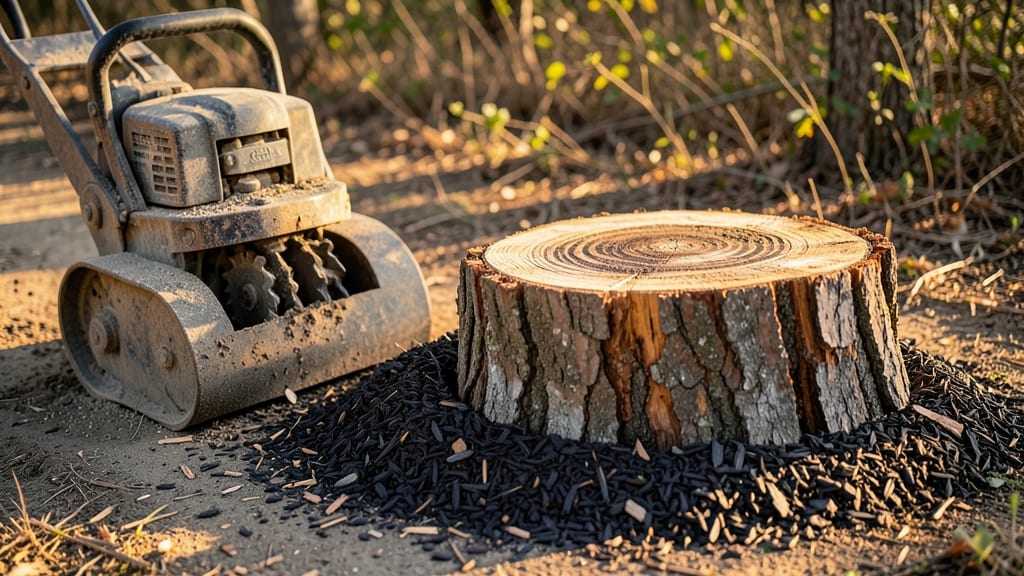
That stubborn tree stump in your yard isn’t just an eyesore—it’s a tripping hazard and a magnet for pests, and figuring out the best tree stump disposal method makes all the difference between a quick afternoon cleanup and a frustrating battle. project and a weekend nightmare.
Whether you’re clearing space for a new garden bed or just tired of the way it ruins your lawn mower, there’s a solution that fits your time, budget, and energy level.
The three most common approaches—grinding, digging, or chemical treatment—each have their pros. Grinding turns the stump into mulch in hours, digging is the cheapest but most labor-intensive, and chemicals work slowly but safely for DIYers.
I’ve tried them all, and the best choice depends on how fast you need results and whether you’re replanting right away. For example, grinding leaves behind fine wood chips perfect for mulch, while digging lets you salvage the wood for firewood if you’re patient.
By the end, you’ll have a clean yard and a clear plan for what comes next—whether that’s planting a new tree, creating a flower bed, or just enjoying a smoother lawn.
The key is picking the method that matches your tools, timeline, and tolerance for mess. Let’s break down the options so you can choose the one that works for you.
If you’re replanting, timing matters: grinding or digging too close to planting can stress new roots, while chemicals take weeks to work. I’ll share the best way to prep the area afterward so your next project starts on solid ground—literally. Ready to tackle that stump?
📚 In This Guide
- What you need
- Instructions
- Tips and common mistakes
- Wrapping up and next steps
What you need
- ● Safety gear: Heavy-duty work gloves (2 pairs)
- ● Safety goggles (ANSI-rated)
- ● Ear protection (if using power tools)
- ● Steel-toe or composite-toe boots
- ● Cutting tools: Stump grinder (rental recommended for large stumps)
- ● Chainsaw (for smaller stumps, 18" bar or larger)
- ● Hand saw or pruning saw (for fine cuts)
- ● Shovel (round-point or flat-blade)
- ● Removal supplies: Wheelbarrow or sturdy tarp (for debris transport)
- ● Rope or bungee cords (to secure loads)
- ○ Dolly or hand truck (optional, for heavy chunks)
- ● Stump removal service (if DIY isn’t feasible)
- ● Fire extinguisher (for outdoor work)
- ● Post-hole digger (if planting a replacement tree)
- ● Mulch or wood chips (to repurpose stump debris)
- ● Knee pads (for prolonged ground work)
How to remove a tree stump efficiently in one day
Here’s the no-nonsense method I’ve used to eliminate stubborn stumps—whether you chip, grind, or remove it completely.
Assess the Stump and Choose Your Removal Method
First, examine the stump’s size and condition. A small stump (under 6 inches in diameter) can often be dug out by hand, while larger stumps (6+ inches) require a stump grinder or chemical treatment. If you’re using a manual approach, gather a shovel, pry bar, and wheelbarrow—this works best for soft, rotting wood. For power tools, a stump grinder rental is the fastest option, but wear safety goggles and gloves—wood chips fly at high speeds.
I always check for underground roots before starting. If the stump has deep, thick roots, grinding is the only practical solution. For shallow roots, digging or burning (where legal) can work. Never skip this step—skipping root assessment leads to half-removed stumps that regrow.
Prepare the Work Area for Safety and Efficiency
Clear a 3-foot radius around the stump of debris, rocks, and loose soil. This gives you space to work without tripping or damaging nearby plants. If using a stump grinder, mark the grinding path with spray paint or stakes—this prevents accidental damage to lawn edges or hardscapes. For manual removal, loosen the soil around the stump with a shovel or mattock to expose the roots.
Wear closed-toe shoes, long pants, and eye protection—splinters and flying debris are real hazards. If the stump is near power lines or gas lines, call 811 to check for underground utilities before digging. I once nearly hit a buried pipe while removing a stump near my garage—always verify first.
Remove the Stump Using Your Chosen Method
For grinding, rent a stump grinder and follow the manufacturer’s safety guidelines. Start at the outer edge of the stump and work inward in slow, steady passes. The machine will reduce the stump to wood chips in minutes, leaving a 1-2 inch deep hole. For manual removal, dig a trench around the stump’s perimeter, then insert a pry bar to lever out chunks of wood. This is labor-intensive but works for smaller stumps under 4 inches.
If you’re burning the stump (check local laws first), drill 1-inch holes in a grid pattern, fill with kerosene or charcoal starter, and light carefully. Never use gasoline—it can cause dangerous flare-ups. For chemical removal, apply a stump remover gel according to the label, then cover with plastic to speed decomposition. This takes weeks to months, so it’s not a one-day solution.
Fill the Hole and Restore the Landscape
After removal, the hole will be 6-12 inches deep, depending on the stump’s size. Fill it with topsoil and tamp down firmly to prevent settling. For grinding, the remaining hole can be used as a planting spot—just add compost or mulch to improve soil quality. If the area was previously a lawn, reseeding or sodding will restore it quickly.
I like to plant a small tree or shrub in the leftover hole—it’s a great way to turn a nuisance into a feature. Just avoid planting directly over old roots, which can still harbor pests. Water the area well after filling to help the soil settle and encourage root growth in new plants.
Tips & tricks for perfect tree stump removal
Here's what I've learned after removing dozens of stubborn stumps—these tricks will save you time, effort, and frustration.
Size Matters: In Step 1, when assessing your stump, pay extra attention to the root system. For stumps under 4 inches, manual removal is absolutely doable, but if you see roots spreading wider than 12 inches, grinding is your best bet. I once spent three hours trying to dig out a 5-inch stump with 2-foot roots—don't make my mistake. The root-to-stump ratio is what determines your method, not just the stump diameter.
Safety First: Step 2's safety precautions can't be emphasized enough. I recommend adding a dust mask to your gear when grinding—those wood chips create fine dust that's hard on your lungs. Also, if you're using a rented grinder, always check the fuel level before starting. I've seen grinders stall mid-job because someone forgot to top off the tank, leaving you with half-removed stumps.
Grinding Technique: When you're grinding in Step 3, work in concentric circles starting from the outer edge. This prevents the machine from getting stuck in the center where roots are densest. Take your time—rushing causes the grinder to bind, which can damage the blades. I like to stop every 5 minutes to clear debris from the cutting area with a shovel.
Landscape Restoration: For Step 4, if you're planting in the leftover hole, choose a plant that thrives in your climate zone. I've had great success with Japanese maples and dwarf fruit trees in the holes left after grinding. Just remember to add a 2-inch layer of mulch around your new plant to retain moisture and suppress weeds.
Pro Tips for Tree Stump Disposal
- Here's what I've learned after removing dozens of stubborn stumps—these tricks will save you time, effort, and frustr...
- Size Matters: In Step 1, when assessing your stump, pay extra attention to the root system. For stumps under 4 inches...
- Safety First: Step 2's safety precautions can't be emphasized enough. I recommend adding a dust mask to your gear whe...
Frequently asked questions
Got questions about tree stump disposal? You’re not alone—removing a stump can feel overwhelming! Below, we’ve answered the most common questions to help you tackle the job with confidence. Whether you’re curious about timing, costs, or DIY tricks, we’ve got you covered.
How much does it cost to remove a tree stump?
Costs vary based on stump size, location, and method. On average, professional removal ranges from $100–$300 for small stumps (under 12 inches in diameter) to $300–$800+ for larger ones. DIY methods like grinding or digging can save money but require effort. Always get quotes to compare!
How long does it take to remove a stump?
Professional removal usually takes 1–4 hours, depending on size and method. Grinding a stump can be done in 30–90 minutes, while manual digging (with a shovel or stump grinder rental) may take a full day or more. Factor in cleanup time too—debris removal adds extra minutes!
Can I leave a tree stump in my yard?
Technically, yes—but it’s not ideal. Stumps can attract pests, rot, and become trip hazards. Over time, they may also sprout new shoots or harbor fungi. If you’re not using the space, consider grinding it down or removing it for a cleaner, safer yard.
Is it cheaper to rent a stump grinder or hire a pro?
Renting a stump grinder ($60–$150/day) can be cost-effective for small stumps, but pros are worth it for large or stubborn ones. Rentals require physical effort, while pros handle everything—plus, they dispose of debris. Weigh your time, skill level, and stump size before deciding!
What’s the best time of year to remove a tree stump?
The best time is fall or early winter when the ground is softer (easier digging) and fewer pests are active. Avoid spring—wet soil can complicate removal. Summer works too, but expect higher demand (and prices) for pros. Just avoid freezing temperatures if renting equipment!
Wrapping up and next steps
Disposing of a tree stump doesn’t have to be a headache—whether you choose to chip, grind, or remove it, there’s a solution that fits your needs and budget. 🌳💨 By weighing factors like cost, safety, and environmental impact, you can tackle this task efficiently and even turn it into an opportunity for new landscaping projects.
Ready to reclaim your space? Call a local stump removal service today or rent the right equipment to get the job done in a single day!