Trees
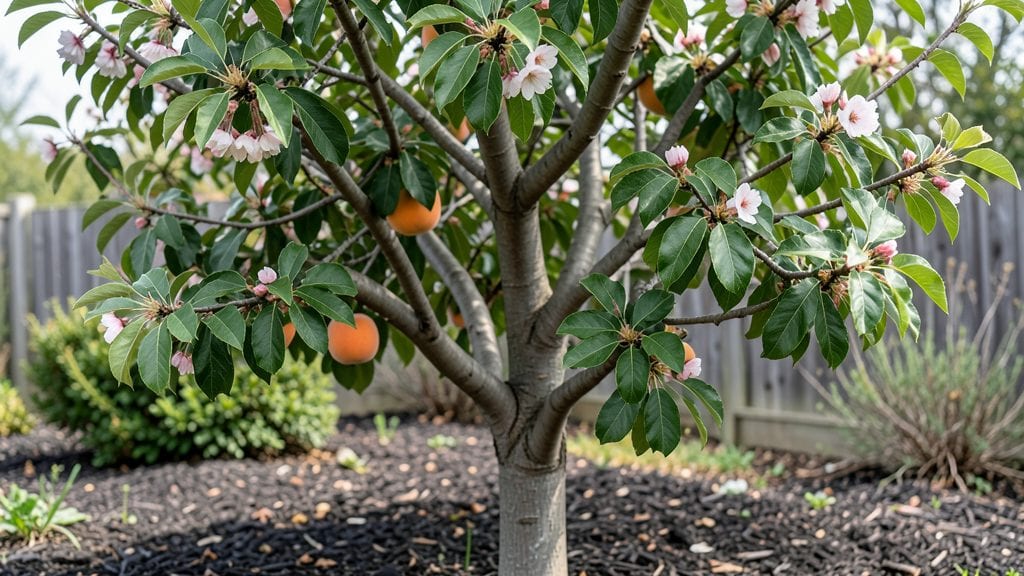
Majestic peach trees transform your yard into a sunlit masterpiece—blushing blossoms in spring, velvety fruit in summer, and fiery foliage in fall. 🌸 I’ve designed orchards where these trees aren’t just fruit producers but the centerpiece, their branches arching like living sculptures against the sky.
The right varieties—like ‘Reliance’ or ‘Contender’—thrive even in Zone 5, proving you don’t need a warm climate for drama.
Pair them with dwarf fruit trees for layered interest or lavender and roses for fragrant contrast. Space them 15-20 feet apart to let their canopies spread naturally, creating a dappled shade that invites afternoon picnics.
The key is balancing their bold presence with plants that complement their height—think ornamental grasses swaying at their feet or climbing clematis twining up their trunks for vertical texture.
By late summer, you’ll harvest juicy, fragrant peaches while the tree’s golden-orange fruit glows against the green. In autumn, the leaves turn amber and crimson, extending the season’s beauty. This isn’t just a fruit tree—it’s a year-round statement piece that turns your garden into a postcard-worthy escape.
Whether you’re crafting a formal orchard or a wild cottage garden, these trees deliver. Their dramatic bloom, edible bounty, and seasonal flair make them the ultimate garden investment—one that feeds both the body and the soul.
📚 In This Guide
- What you need
- Instructions
- Tips and common mistakes
- Wrapping up and next steps
What you need
- ● Cold-hardy peach tree varieties: Choose from reliable options like ‘Reliance,’ ‘Redhaven,’ or ‘Contender’ (zones 5-8). Purchase 1-2 bare-root or container-grown trees (1-3 years old) from a trusted nursery.
- ● Well-draining soil: Aim for a mix of 60% topsoil, 30% compost, and 10% sand or perlite (1 cubic yard per tree). Test soil pH (ideal: 6.0–6.5).
- ● Organic mulch: 3–4 inches of wood chips or straw to retain moisture and regulate temperature.
- ● Fertilizer: Start with a balanced 10-10-10 NPK fertilizer (1 lb per tree) or a citrus-specific blend for extra nutrients.
- ● Shovel and spade: For digging planting holes (depth: 2x the root ball, width: 3x the root ball).
- ● Pruning shears: Sharp, bypass-style (for clean cuts). Disinfect with rubbing alcohol between uses.
- ● Garden hose or watering can: With a gentle spray nozzle to avoid damaging roots.
- ○ Tree stakes (optional): 2–3 wooden or metal stakes (6 ft tall) + soft tree ties for young trees.
- ○ Drip irrigation kit (optional): For consistent moisture (especially in zones 5–6).
- ● Sunlight: Full sun (6–8+ hours/day). Avoid low-light spots!
- ● Spacing: Plant trees 15–20 feet apart (allows airflow and future growth).
- ● Frost protection: In zones 5–6, use frost cloth or burlap wraps for young trees (first 2–3 years).
- ● Pollination: Plant 2+ trees of compatible varieties for cross-pollination (e.g., ‘Reliance’ + ‘Redhaven’).
How to plant cold-hardy peach trees for reliable harvests
Here's the method I've used to grow thriving peach trees in colder climates—no fancy tricks, just proven techniques.
🌱 Step 1: Select and Prepare the Planting Site
Choose a location with full sun exposure (6-8 hours daily) and protection from strong winds. Peaches need warmth to ripen fruit, so avoid low spots where cold air settles. Test your soil—peaches thrive in slightly acidic to neutral pH (6.0-7.0) with good drainage.
Dig a hole twice as wide as the root ball but only as deep. Loosen the soil at the bottom to encourage root spread. I always mix in a handful of compost with the native soil to improve fertility without overwhelming the tree. Avoid fresh manure—it can burn delicate roots.
☀️ Step 2: Plant at the Correct Depth and Stake for Support
Position the tree so the graft union sits 2-3 inches above ground level. This ensures proper healing and prevents disease. Backfill with native soil, tamping gently to remove air pockets. Water thoroughly to settle the soil around roots.
Install a 5-foot stake on the side opposite prevailing winds. Use soft ties to secure the tree trunk without constricting it. I like to use wide fabric strips that won't cut into the bark as the tree grows. Mulch the base with 2-3 inches of wood chips, keeping it 6 inches away from the trunk to prevent rot.
💧 Step 3: Water Deeply and Establish a Consistent Schedule
Water immediately after planting to eliminate air pockets, then maintain 1-2 inches of water weekly during the first year. Deep watering—soaking until moisture reaches 12-18 inches deep—encourages strong root development. You'll know you've watered enough when the soil feels damp at that depth.
Reduce watering in late summer to harden off the tree before winter. Overwatering at this stage can lead to weak wood that's more susceptible to cold damage. I always check soil moisture by hand—if it's still damp after 2-3 days, hold off on watering.
✂️ Step 4: Prune for Structure and Disease Prevention
Remove any broken or crossing branches during the dormant season (late winter). Make cuts just outside the branch collar to promote proper healing. I always sterilize my pruners between cuts with rubbing alcohol to prevent spreading disease.
Open the center of the tree to improve airflow and sunlight penetration. Aim for a vase-like shape with the strongest scaffold branches. Avoid heavy pruning in the first year—you're shaping the framework, not harvesting fruit. Watch for suckers at the base and remove them promptly to maintain tree energy.
🌿 Step 5: Protect from Winter Cold and Pest Pressure
Wrap the trunk with tree guard or burlap in late fall to prevent sunscald and rodent damage. I also apply a thick layer of mulch (4-6 inches) to insulate roots. Cold-hardy varieties still benefit from a 10-14°F winter chill period to set fruit buds properly.
Monitor for peach tree borers and aphids in early spring. A preventive spray of neem oil mixed with water (1 tbsp per gallon) keeps pests at bay without harming beneficial insects. The key is consistency—apply sprays before you see signs of infestation, not after damage appears.
Tips & tricks for planting cold-hardy peach trees
These practical insights will help you avoid common pitfalls and maximize your peach tree's potential for years of reliable harvests.
Site Selection Secrets: In Step 1, prioritize south-facing locations to capture maximum sunlight during those critical 6-8 hours daily. I've found that even a slight northward slope can improve warmth retention, especially in colder climates. Avoid areas where cold air pools—like valleys or low spots—where temperatures can drop unexpectedly. A simple trick: Observe your property during winter—where does frost settle first? That's where you don't want your peach tree!
Planting Depth Precision: The 2-3 inches above ground level for the graft union in Step 2 is non-negotiable—this positioning prevents disease and ensures proper healing. To verify depth, use a measuring tape from the graft union to the soil line after planting. Pro tip: Mark your shovel at the correct depth before digging to avoid guesswork. Remember, the graft union is the tree's genetic blueprint—protect it like you would a seedling's heart.
Watering Wisdom: When establishing that weekly 1-2 inches of water in Step 3, think "deep and infrequent" rather than light daily watering. Use a soil probe or long screwdriver to check moisture at 12-18 inches deep—this tells you more than surface moisture. I've seen many gardeners overwater, creating waterlogged roots that suffocate the tree. The 2-3 day moisture check in late summer is your early warning system for potential winter weakness.
Winter Protection Layering: That 4-6 inches of mulch in Step 5 acts like a thermal blanket for your tree's roots. For extra insulation in Zone 5 or colder, consider adding a layer of straw over the wood chips before winter sets in. And here's a trick I learned the hard way: Don't pile mulch against the trunk—keep it 6 inches away to prevent rot. The 10-14°F winter chill requirement is actually beneficial—it sets those fruit buds for next season's harvest.
Pro Tips for Majestic Peach Trees
- These practical insights will help you avoid common pitfalls and maximize your peach tree's potential for years of reliable harvests.
- Site Selection Secrets: In Step 1, prioritize south-facing locations to capture maximum sunlight during those critical 6-8 hours daily.
- Planting Depth Precision: The 2-3 inches above ground level for the graft union in Step 2 is non-negotiable—this positioning prevents disease and ensures proper healing.
Frequently asked questions
Got questions about growing majestic peach trees? You’re not alone!
Whether you're a first-time gardener or a seasoned grower, these answers will help you cultivate thriving, cold-hardy peach trees that produce fruit year after year.
What are the best cold-hardy peach tree varieties for my region?
If you live in USDA Zones 5-7, look for varieties like Reliance, Contender, or Honey Babe. These trees can withstand temperatures as low as -20°F (-29°C) and still bear fruit. Always check your local nursery for region-specific recommendations!
How long does it take for a peach tree to bear fruit after planting?
Most cold-hardy peach trees take 2-4 years to produce fruit, depending on variety and growing conditions. Dwarf varieties may fruit sooner (1-2 years), while standard trees take longer. Patience pays off—healthy trees reward you with abundant harvests!
Can I grow peach trees in containers, or do they need ground planting?
Yes! Dwarf peach trees thrive in large containers (at least 18-24 inches wide) with well-draining soil. Use a mix of potting soil and compost, and ensure the container gets full sun. Just remember to repot every 2-3 years and fertilize regularly for best results.
What pests or diseases should I watch for in cold-hardy peach trees?
Common threats include peach leaf curl (a fungal disease), aphids, and borers. Prevent leaf curl with copper fungicide in late fall. For pests, use neem oil or insecticidal soap. Prune infected branches promptly to keep your tree healthy and majestic!
Do peach trees need winter protection in cold climates?
Young trees (under 3 years) benefit from mulch (4-6 inches) around the base and tree wraps to protect trunks from frost cracks. Mature trees usually handle cold well, but severe winters may require extra care. Avoid heavy mulch piles against the trunk to prevent rot.
Wrapping up and next steps
From cold-hardy varieties to expert planting tips, growing your own majestic peach trees is a rewarding journey that brings sweetness to your life—literally! 🌳🍑 Whether you're a seasoned gardener or a curious beginner, these trees promise lush canopies, fragrant blossoms, and juicy fruit for years to come.
Ready to take the next step? Start by researching the best variety for your climate, then roll up your sleeves and plant your tree this season. Your future self—and your taste buds—will thank you!