Blooming
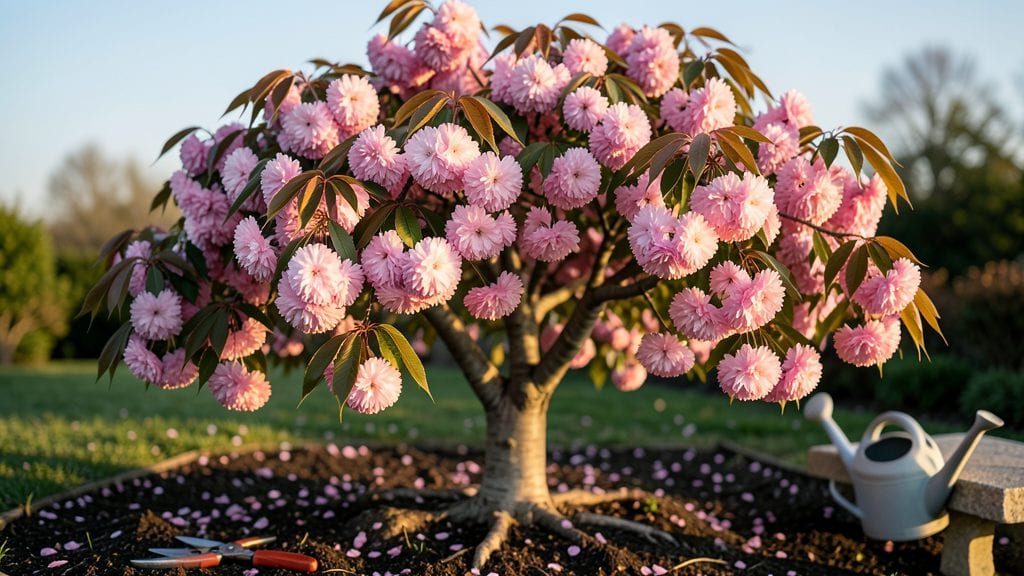
Planting a pink Japanese cherry blossom tree means turning your garden into a springtime masterpiece—soft pink clouds of blooms that last for weeks, even in the Pacific Northwest’s chilly mornings. 🌸 I’ve grown mine for seven years now, and every March, the neighbors stop to admire the canopy that turns my yard into a dreamy, fleeting paradise.
The secret isn’t just the tree itself—it’s the right spot, soil prep, and a little patience to let those roots establish before the big show begins.
These trees thrive in zones 5-8, making them perfect for the PNW’s damp, cool climate. They’re not fussy about soil as long as it drains well—sandy loam or amended clay works—but they do need full sun for those legendary blooms.
A mature tree can reach 20-30 feet, so give it space (or plan to prune young branches to shape it). The first year is all about root growth; hold off on heavy pruning until you see how it settles into your landscape.
By spring of the second year, you’ll be rewarded with weeks of fragrant blossoms that attract bees and hummingbirds while filling the air with that unmistakable cherry scent. The tree’s glossy leaves add summer shade, and its autumn foliage turns a warm golden-yellow before the cycle begins again.
With minimal maintenance—just annual pruning to remove dead wood and shape the canopy—this tree becomes the backbone of your garden’s seasonal drama.
Whether you’re planting in a lawn, along a driveway, or near a patio, the key is timing: early fall or late winter gives roots time to anchor before the blooms take over.
And if you’re worried about pests? Japanese cherry blossoms are remarkably resistant—just watch for aphids during spring growth spurts. Let’s get yours planted so you can enjoy that magic too.
📚 In This Guide
- What you need
- Instructions
- Tips and common mistakes
- Wrapping up and next steps
What you need
- ● Pink Japanese cherry blossom tree (e.g., Prunus serrulata 'Kanzan' or 'Shirotae'): 1-3 years old (bare-root or potted, 6–8 ft tall for mature planting)
- ● Frost-hardy cultivar (USDA Zones 5–8)
- ● Planting site: Full sun (6+ hours/day) or partial shade (mornings sun, afternoon shade)
- ● Well-draining soil (amend with compost if heavy clay is present)
- ● Space: 15–25 ft apart (account for mature spread)
- ● Tools: Shovel or trowel
- ● Garden fork (for soil aeration)
- ● Pruning shears (sterilized)
- ● Wheelbarrow (for soil/compost)
- ● Soil amendments: 5–10 lbs organic compost or aged manure
- ○ 1 cup bone meal (optional, for phosphorus boost)
- ● Mulch: 2–3 inches of wood chips or pine bark (retains moisture, regulates temperature)
- ● Tree stakes & ties (if planting in windy areas)
- ● Drip irrigation system (for consistent watering)
- ● Fungicide (e.g., copper-based, for preventative care)
- ● Frost cloth (for young trees in late spring/early fall)
Step-by-Step guide to planting and caring for pink Japanese cherry blossoms
Here’s how to bring that iconic Pacific Northwest charm to your yard with a thriving pink cherry blossom.
🌱 Step 1: Choose the Perfect Planting Spot
Pink Japanese cherry blossoms (Prunus serrulata 'Kanzan') need full sun—at least 6 hours of direct sunlight daily—to produce their legendary blooms. In the Pacific Northwest, a south- or west-facing location works best, but avoid spots where late frost lingers. The tree’s roots spread widely, so give it 20-25 feet of clearance from structures or other plants.
Check the soil drainage before planting. These trees hate soggy roots, so if your yard holds water, amend the area with 2-3 inches of compost mixed into the top 12 inches of soil. You’ll know drainage is good when water soaks in within 10-15 minutes after watering.
🪴 Step 2: Plant at the Right Time and Depth
Plant your bare-root or container-grown cherry blossom in early spring (after the last frost date) or early fall, when temperatures are cool but still above 40°F. Dig a hole twice as wide as the root ball but only as deep—the top of the roots should sit 1-2 inches above ground level to prevent rot.
Gently loosen the roots if they’re circling (common with container-grown trees) and spread them outward in the hole. Backfill with native soil, tamping lightly every 6 inches to remove air pockets. Water deeply until the soil settles—you’ll see moisture sink 6-8 inches down into the hole.
☀️ Step 3: Water and Mulch for First-Year Establishment
Water your new cherry blossom deeply 2-3 times per week for the first year, ensuring moisture reaches 12-18 inches down. You’ll know it’s enough when the soil feels damp 4-6 inches below the surface. After watering, add a 3-inch layer of mulch (wood chips or bark) around the base, keeping it 6 inches away from the trunk to prevent rot.
Prune only to remove any broken branches or crossing limbs—never shape the tree in its first year. This encourages strong root and branch growth. By late summer, you’ll notice new shoots forming along the branches, signaling the tree is settling in.
✂️ Step 4: Prune and Fertilize for Long-Term Health
Prune late winter or early spring (before buds swell) to remove dead, diseased, or weak branches. Cut just outside the branch collar (the swollen area where the branch meets the trunk) using clean, sharp pruners. Avoid heavy pruning—cherry blossoms bloom on old wood, so over-pruning reduces next year’s flowers.
Fertilize in early spring with a balanced 10-10-10 or 20-20-20 formula, spreading ½ cup per inch of trunk diameter around the drip line (the area under the tree’s branches). Water immediately after to activate the fertilizer. You’ll see lush, vibrant foliage by midsummer—a sign the tree is thriving.
⏰ Step 5: Protect from Late Frosts and Pests
Cover young trees with frost cloth if late frosts threaten after buds form. Cherry blossoms are frost-resistant, but new growth can still suffer damage. Watch for aphids or borers—spray with neem oil if you spot sticky residue on leaves or sawdust-like frass near the trunk.
By year three, your tree should burst into vibrant pink blooms in early spring, turning your yard into a Pacific Northwest masterpiece. With proper care, these trees live 50-100 years, becoming a cherished landmark in your landscape.
Tips & tricks for perfect pink Japanese cherry blossom planting
These simple insights will help you avoid common pitfalls and ensure your cherry blossom thrives for decades.
Sunlight Secret: That 6 hours of direct sunlight in Step 1 is non-negotiable for those iconic pink blooms. In the Pacific Northwest, I've seen trees planted in partial shade still produce flowers, but they'll be sparse and less vibrant. If your yard gets less than 6 hours, consider a south-facing location or a small patio container where you can move it to catch afternoon sun.
Soil Prep Strategy: The 10-15 minute water absorption test in Step 1 is your best friend. If water pools on top after 15 minutes, you definitely need that 2-3 inches of compost amendment. I've seen cherry blossoms struggle in heavy clay soil—amending with compost improves drainage while adding nutrients the tree will love during its first critical year.
Planting Depth Caution: Those 1-2 inches above ground level in Step 2 might seem like a small detail, but it's crucial. Burying too deep can cause root rot, while planting too shallow exposes roots to temperature swings. I always use a level to check—place it horizontally across the hole to ensure consistent depth all around the root ball.
Watering Wisdom: The 2-3 times per week guideline in Step 3 works for most Pacific Northwest climates, but adjust based on rainfall. After a heavy rain week, you might only need to water once. The key is keeping that 12-18 inch soil depth consistently moist—stick your finger 4-6 inches down to check. Overwatering is just as harmful as underwatering for these trees.
Pro Tips for Pink Japanese Cherry Blossom Tree
- These simple insights will help you avoid common pitfalls and ensure your cherry blossom thrives for decades.
- Sunlight Secret: That 6 hours of direct sunlight in Step 1 is non-negotiable for those iconic pink blooms.
- Soil Prep Strategy: The 10-15 minute water absorption test in Step 1 is your best friend.
Frequently asked questions
Got questions about cultivating or enjoying your pink Japanese cherry blossom tree? Here are some of the most common ones—and their answers—to help you grow with confidence!
When is the best time to plant a pink Japanese cherry blossom tree in the Pacific Northwest?
The ideal time is late fall or early winter (November–January) when the tree is dormant. This gives roots time to establish before spring growth. If planting in spring, do it as early as possible (March–April) to avoid summer heat stress. Just ensure the soil isn’t frozen or waterlogged!
Are pink Japanese cherry blossoms truly frost-resistant?
Yes! These trees are hardy to USDA Zones 5–8 and can tolerate light frosts, even when in bloom. However, late spring frosts (after buds swell) may damage flowers. Choose a sheltered spot to minimize cold air exposure. Mulching also helps protect roots during winter.
How do I keep my cherry blossom tree healthy in rainy PNW climates?
Overwatering is the biggest risk! Ensure your tree has well-draining soil (amend clay soil with compost) and plant it on a slight mound to improve drainage. Avoid overhead watering during blooms to prevent fungal diseases like powdery mildew. A 3–4 inch layer of mulch (keep it 6 inches from the trunk) helps regulate moisture.
Can I grow a pink cherry blossom tree in a container?
While possible, it’s challenging long-term due to their size (mature trees reach 20–30 feet). If you must, use a large, sturdy container (minimum 24 inches wide) with drainage holes and repot every 2–3 years. Container trees need consistent watering and may require winter protection in colder zones (Zone 5). Dwarf cultivars like ‘Akebono’ are better suited.
Why aren’t my pink cherry blossoms attracting pollinators?
Cherry blossoms are not a primary pollinator source—they’re showy but low in nectar. To boost your garden’s pollinator appeal, plant companion flowers like lavender, bee balm, or native PNW wildflowers nearby. Early spring blooms (like crocuses) also help pollinators transition into cherry blossom season.
Wrapping up and next steps
The pink Japanese cherry blossom tree isn’t just a stunning addition to your Pacific Northwest garden—it’s a resilient, frost-resistant beauty that brings joy and color to even the coolest climates. 🌸 With the right care, this tree can thrive for decades, turning your outdoor space into a serene sanctuary during spring blooms.
Ready to welcome this floral magic into your yard? Start by researching local nurseries or reputable online sellers to find a healthy sapling. Then, roll up your sleeves—planting, pruning, and nurturing your tree will reward you with breathtaking views for years to come!