Pests
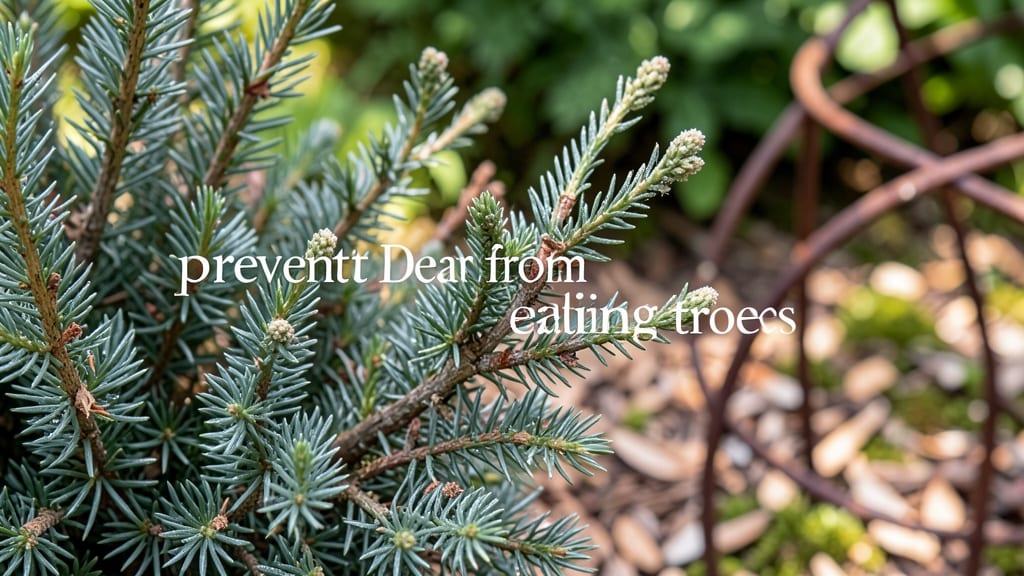
Learning how to prevent deer from eating trees is a must after my young maple tree survived its first winter—until the deer turned it into a snack bar. 🌿 The good news? You don’t need an 8-foot fence or a moat to save your trees.
After testing everything from commercial sprays to homemade concoctions, I’ve narrowed it down to five fence-free barriers that actually work, even when deer are hungry.
Most solutions fail because they’re either too temporary (like motion-activated sprinklers that deer learn to ignore) or too harsh (like chemical repellents that harm pets and plants).
My top methods combine physical deterrents (like tree wraps and flexible guards) with natural scents (like predator urine or hot pepper mixes) that deer find unpleasant but won’t harm your yard. The best part? These work for young saplings and mature trees.
By spring, you’ll see fresh new growth where there were once chewed branches. The key is layering defenses—deer give up faster when they can’t find an easy meal.
I’ll walk you through the most effective setups, including what to avoid (like plastic netting that tears in wind) and how to adapt for different tree types.
Whether you’re protecting a prized oak or a new fruit tree, these strategies save your plants without turning your yard into a fortress. Let’s get those trees growing again—deer be damned.
📚 In This Guide
- What you need
- Instructions
- Tips and common mistakes
- Wrapping up and next steps
What you need
- ● Tree guards (plastic or metal): 1–2 per tree (adjust size to wrap snugly around the trunk; 18–24" tall for young trees, 36" for mature ones).
- ● Wire mesh (hardware cloth): 1/4"–1/2" mesh, 4–6 ft tall (enough to wrap around the tree base or create a cylinder).
- ● Staple gun + staples: Heavy-duty staples (1/4"–3/8") to secure mesh or guards.
- ● Burlap or landscape fabric: 3–4 ft wide (for wrapping or as a temporary barrier).
- ● T-posts or stakes: 2–4 per barrier (6 ft long for taller setups).
- ● Twine or zip ties: For securing loose fabric or mesh.
- ○ Spray paint (optional): Camouflage or reflective colors to blend barriers into the landscape.
- ● Deer repellent sprays: Natural options like Liquid Fence or Deer Out (reapply every 1–2 weeks).
- ● Motion-activated sprinklers: Scares deer with water bursts (battery/solar-powered models work best).
- ● Hot pepper wax or cayenne pepper: Mix with water and spray on tree trunks (deer hate the spice!).
- ● Reflective tape or old CDs: Hang around trees to create visual distractions.
How to create effective deer-repellent barriers without fences
Here’s the system I’ve used to protect my young trees—no fences, no traps, just smart tactics.
🌿 Step 1: Apply Physical Barriers Around Tree Trunks
Wrap the base of each tree trunk with hardware cloth (¼-inch mesh) or tree guards made of sturdy plastic or metal. Secure it tightly with wire or zip ties—deer can’t chew through these, and they’ll give up after a few tries. For saplings, even a cardboard collar (cut from a box and wrapped snugly) can work temporarily until you install something permanent.
Extend the barrier at least 4 feet high—deer browse at mouth level, and they’ll move on if they can’t reach your trees. Bury the bottom 2 inches underground to prevent them from digging underneath. I’ve seen deer gnaw at lower branches, so if yours are within reach, wrap those too with plastic tree sleeves or metal flashing.
🌱 Step 2: Use Natural Repellents That Deer Hate
Spray trees with a homemade deer repellent made from rotten eggs, garlic, and hot peppers. Mix 1 egg, 1 tablespoon cayenne pepper, 1 tablespoon garlic powder, and 1 gallon of water, then shake well and spray directly on leaves and trunks. The strong smell confuses deer and makes them avoid the area. Reapply every 7-10 days or after heavy rain.
Another trick? Scatter human hair (from salons or barbershops) around the base of trees. Deer dislike the scent, and it’s a free, non-toxic way to keep them away. I’ve also had success with soapy water sprays—deer avoid the smell, and it’s easy to reapply. Just avoid using dish soap with strong fragrances, as it can harm plants.
☀️ Step 3: Create Motion and Noise Deterrents
Hang old CDs, wind chimes, or reflective tape from branches or nearby fences. The movement and light reflections startle deer and make them think predators are nearby. I like to use solar-powered motion-activated lights—they flash when deer approach, and the sudden light scares them off. Place them 10-15 feet from trees for best results.
For larger areas, install predator urine flags (available at garden centers). The scent of coyotes or wolves signals danger to deer, and they’ll avoid the space. Refresh the scent every 2-3 weeks or after rain. If you have a garden hose nearby, a gentle spray every few days can also work—deer dislike the sound and movement of water.
✂️ Step 4: Plant Deer-Resistant Alternatives Nearby
Surround your vulnerable trees with deer-resistant plants like boxwood, lavender, or Russian sage. Deer rarely browse these, and their strong scents can mask the smell of your trees. I’ve also planted daffodils and alliums around my fruit trees—the bulbs release toxins that deer avoid. Even rosemary and thyme can help deter them with their pungent aromas.
If deer are still targeting your trees, try interplanting with spiky or prickly plants like holly, barberry, or sea thrift. The physical discomfort alone is enough to keep them away. Just be mindful of which plants thrive in your climate—some may not survive harsh winters or dry spells.
🪴 Step 5: Maintain and Rotate Your Strategy
Deer are smart—they’ll adapt if you use the same tactic too long. Rotate repellents every 2-3 weeks to keep them guessing. For example, switch between soapy water sprays, garlic-based sprays, and motion-activated lights to stay ahead. Also, inspect barriers monthly for damage—chewed hardware cloth or torn tree guards won’t protect anything.
If deer return after trying everything, consider planting a sacrificial "deer buffet" nearby—fast-growing shrubs like burning bush or sumac can distract them from your prized trees. Just keep it at least 20 feet away so they don’t wander back. Consistency is key: deer give up when they realize your trees aren’t worth the effort.
Tips & tricks for preventing deer damage to trees
A few simple tweaks can make these strategies even more effective—here's what I've learned from years of testing.
Barrier Installation: When wrapping tree trunks with hardware cloth, overlap the edges by at least 2 inches to prevent deer from slipping through gaps. For young saplings, add a second layer of plastic tree sleeves over the hardware cloth—the extra barrier confuses them even more. I also recommend using staples instead of wire for securing hardware cloth, as they're less likely to come loose over time.
Repellent Application: For the homemade deer repellent, add 1 teaspoon of dish soap to the mixture—it helps the spray stick to leaves better and lasts longer between applications. When scattering human hair, focus on creating a 3-foot diameter circle around each tree trunk. The scent needs to be concentrated to be effective, and spreading it too thinly wastes the resource.
Motion Deterrent Placement: Position motion-activated lights 10-15 feet away from trees, not directly above them. Deer have better peripheral vision, so lights that appear to come from their side are more effective. I've found that placing them at eye level for a deer (about 3 feet high) triggers their natural startle response more reliably than higher placements.
Plant Selection: When choosing deer-resistant plants, prioritize those with strong fragrances like rosemary or thyme—they're more effective at masking tree scents. For prickly plants, space them 18-24 inches apart to create an impenetrable barrier. I've had the best luck with Russian sage in my climate, as it thrives in both sun and partial shade.
Pro Tips for Prevent Deer From Eating Trees
- A few simple tweaks can make these strategies even more effective—here's what I've learned from years of testing.
- Barrier Installation: When wrapping tree trunks with hardware cloth, overlap the edges by at least 2 inches to preven...
- Repellent Application: For the homemade deer repellent, add 1 teaspoon of dish soap to the mixture—it helps the spray...
Frequently asked questions
Got questions about keeping deer away from your trees without fencing? You’re not alone! Here are some common concerns—and practical answers—to help you protect your greenery effortlessly.
What’s the most effective fence-free method to stop deer from eating my trees?
While fencing is the gold standard, repellents (spray or granular) and physical barriers like tree wraps or flexible tubing work well for most homeowners. For young trees, combine a bitter-tasting spray (like Deer Out) with a tree guard for double protection. Rotate repellents seasonally to prevent deer from getting used to them.
How long does it take for deer repellents to work?
Most deer repellents start showing results within 24–48 hours, but full effectiveness may take 1–2 weeks as deer learn to avoid treated areas. Reapply every 4–6 weeks (or after heavy rain) for consistent protection. Pro tip: Apply repellent before deer start browsing in spring or fall!
Are deer-resistant plants a better long-term solution than repellents?
While deer-resistant plants (like boxwood, lavender, or Russian olive) can help, they’re not foolproof—hungry deer may still nibble. For trees, focus on barriers or repellents first, then supplement with native shrubs around your yard. Bonus: Planting deer-deterrent herbs (e.g., daffodils, marigolds) near vulnerable trees adds extra layers of defense!
Do deer repellents wash off in rain, and how do I fix it?
Yes! Rain or watering can reduce repellent effectiveness. Opt for long-lasting formulas (like Thrive or Liquid Fence) or reapply after 24 hours of rain. For granular repellents, water lightly to help them bind to foliage. Quick fix: Spot-treat high-risk areas with a spray repellent after storms.
Will deer repellents harm birds, pets, or other wildlife?
Most petroleum- or garlic-based repellents are safe once dry, but always check labels for non-toxic certifications. Avoid applying near beehives or bird feeders, and keep pets away until the product dries. Safer alternatives: Try vinegar-based sprays or hot pepper wax (less harsh for wildlife).
Can I use homemade deer repellents, or should I stick to store-bought?
Homemade options (like soapy water + garlic or egg-based sprays) can work short-term, but they wear off faster and may need weekly reapplications. For long-term protection, store-bought repellents (with active ingredients like putrescent egg solids) are more reliable. Test small areas first to avoid damaging tree bark!
Wrapping up and next steps
Protecting your trees from hungry deer doesn’t have to be a lost cause—with the right fence-free barriers, you can safeguard your greenery while keeping your yard welcoming.
From natural repellents to clever deterrents like motion-activated sprinklers, there’s a solution tailored to your needs and budget. Don’t wait until winter when deer grow hungrier—start testing these methods now!
Ready to take action? Pick one or two strategies that fit your landscape and give them a try this season. Your trees (and your sanity) will thank you! 🌳✨