Trees
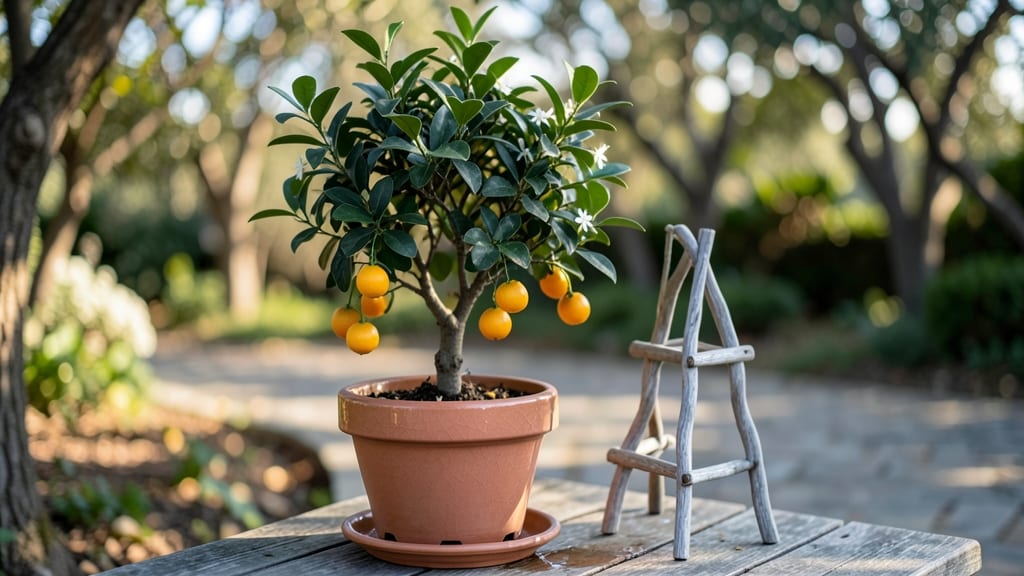
Growing miniature fruit trees in pots lets you harvest apples, peaches, and citrus from your patio or balcony—no yard required. 🌱 I’ve watched my dwarf apple tree produce 20+ pounds of fruit in a 15-gallon container, proving that small spaces can deliver big rewards with the right approach.
The key starts with variety selection: columnar apples, dwarf citrus, or peaches thrive in containers when paired with the right pot—at least 15 gallons for mature trees.
Well-draining soil mix with compost keeps roots happy, while 6+ hours of sunlight daily ensures sweet, abundant fruit. Pruning in late winter keeps the tree compact and productive.
You’ll enjoy fresh fruit within 2-3 years, with minimal pests and no weeding. The best part? Move your tree indoors during winter if you’re in a cold climate, or keep it outside year-round in warmer zones. This is gardening that fits your space—not the other way around.
Whether you’re in an apartment or a small backyard, these trees transform empty corners into edible oases. Let’s get your container orchard growing!
📚 In This Guide
- What you need
- Instructions
- Tips and common mistakes
- Wrapping up and next steps
What you need
- ● Miniature fruit tree(s): Dwarf varieties (e.g., Apple ‘Columnar,’ ‘Patio Pear,’ or ‘Dwarf Citrus’). Choose 1-3 trees depending on space.
- ● Containers: 5-gallon pots or larger (minimum 18" deep/12" wide) with drainage holes. Terracotta or fabric pots work best.
- ● Potting mix: Well-draining, nutrient-rich soil blend (e.g., 50% potting soil + 30% perlite + 20% compost). Avoid garden soil!
- ● Fertilizer: Slow-release granular (e.g., 10-10-10 NPK) or organic options like fish emulsion. Apply every 4-6 weeks.
- ● Mulch: Organic mulch (e.g., straw or bark chips) to retain moisture.
- ● Tools: Trowel or small shovel
- ● Pruning shears (sterilized)
- ● Watering can with a rose attachment
- ○ pH testing kit (optional but helpful)
- ● Self-watering system: Drip irrigation or a moisture meter to monitor soil.
- ● Support: Small stakes or cages for windy conditions.
- ● Pest control: Neem oil or insecticidal soap for aphids/spider mites.
- ● Winter care: Insulating wrap or a cold frame for tender varieties (e.g., citrus).
Step-by-step instructions for growing miniature fruit trees in pots
Here's how to cultivate dwarf fruit trees that thrive in containers and deliver real harvests.
🪴 Step 1: Select the Right Varieties and Pots
Choose dwarf rootstock varieties like 'Columnar' apples or 'Patio' peaches—these stay 6-8 feet tall when pruned properly. The key is matching tree size to container depth: 5-gallon pots work for young trees, but mature dwarfs need 15-20 gallons with 18-inch diameter for root spread.
I always use containers with drainage holes and elevate them on casters for easy winter protection. The wider the pot's diameter, the more stable the tree—narrow pots cause root circling. For 4 trees, you'll need at least 4 containers (minimum 10 inches wide each).
🌱 Step 2: Prepare the Soil and Planting Mix
Dwarf fruit trees demand well-draining, fertile mix. I blend 60% premium potting soil, 20% perlite, and 20% compost for each container. The perlite prevents compaction while the compost provides slow-release nutrients—critical for fruit production.
Fill the pot to 2 inches below the rim, leaving room for watering. Tap the container gently to settle the mix, then create a 6-inch deep hole in the center. The hole should be twice as wide as the root ball. Water the mix thoroughly before planting to eliminate air pockets.
☀️ Step 3: Plant and Establish Proper Spacing
Remove the tree from its nursery pot and loosen any circling roots with your fingers. Position the graft union 2-3 inches above the soil line—this ensures the scion (fruit-bearing) portion stays above ground. Backfill with your mix, pressing gently to remove air gaps but not compacting.
Space multiple trees 8-10 feet apart if planting outdoors. In containers, they can share space but need their own pots—root competition stunts growth. Water deeply immediately after planting to settle the soil around roots. You'll know it's right when water drains freely from the bottom holes.
💧 Step 4: Water and Fertilize for Maximum Fruit Set
Water when the top 2 inches of soil feel dry—overwatering causes root rot, while underwatering stresses trees. I use a slow-release fertilizer at planting time, then switch to liquid feed every 4-6 weeks during growing season. The goal is balanced nutrition: too much nitrogen means leaves over fruit.
Here's the thing—dwarf trees need full sun (6-8 hours daily) for fruit development. If your patio gets only morning sun, choose varieties like 'Columnar Honeycrisp' that tolerate partial shade better. Move containers to sunnier spots in late winter to encourage flowering.
✂️ Step 5: Prune and Train for Container Success
Prune in late winter to remove dead wood and crossing branches. I cut back 20% of the previous year's growth to encourage bushier growth. For shape, I remove any branches growing toward the center—they'll shade each other and reduce fruit quality.
Train young trees with a stake and soft tie to prevent wind damage. In containers, roots can't anchor as well as in ground. Thin fruit clusters to 6-8 inches apart when they're 1 inch wide—this prevents overburdening branches. You'll see better-sized fruit and fewer dropped apples or peaches.
Tips & tricks for perfect container-grown miniature fruit trees
Here's what nobody tells you about keeping these little powerhouses thriving in pots.
Root Health Starts with the Right Pot: While the instructions mention 5- to 20-gallon containers, I've found that adding a 2-inch layer of gravel at the bottom creates a drainage reservoir that prevents soggy roots. This is especially important during heavy watering seasons—water should drain freely within 15 minutes. For urban growers, consider self-watering pots with built-in reservoirs to maintain consistent moisture without overwatering.
Soil Mix Secrets: The 60-20-20 blend of potting soil, perlite, and compost is perfect, but here's the upgrade: mix in 1 cup of worm castings per 5-gallon container. The castings add beneficial microbes that improve root development and fruit flavor. If you're using pre-mixed potting soil, sift it to remove large particles that can compact around roots. Remember, dwarf trees have shallow root systems—good aeration is everything.
Sunlight Strategy: The instructions mention 6-8 hours of full sun, but here's the thing about container trees: they get hotter than in-ground plants. If your patio gets intense afternoon sun (especially in summer), move containers to dappled shade between 12-3pm. I've seen trees scorch when left in full sun all day—look for leaf edges turning crispy as your warning sign. For shade-tolerant varieties, consider 'Patio' peaches or 'Columnar' pears.
Winter Protection Hacks: While casters make moving trees easy, I've learned that adding a 4-inch layer of straw mulch around the base provides extra insulation during cold snaps. For extreme winters, wrap the container (and tree) in burlap or frost cloth, leaving the top open. The key is protecting the roots—container soil freezes faster than ground soil, which can kill tender roots. I also elevate pots slightly on bricks to prevent water pooling during winter thaws.
Pro Tips for Miniature Fruit Trees In Pots
- Here's what nobody tells you about keeping these little powerhouses thriving in pots.
- Root Health Starts with the Right Pot: While the instructions mention 5- to 20-gallon containers, I've found that add...
- Soil Mix Secrets: The 60-20-20 blend of potting soil, perlite, and compost is perfect, but here's the upgrade: mix in...
Frequently asked questions
Got questions about growing your own miniature fruit trees in pots? You’re not alone! Here are some of the most common queries—and their answers—to help you get started with confidence.
How do I choose the right fruit tree variety for a pot?
Opt for dwarf or semi-dwarf varieties like Columnar apples, Patio Pear, or Bush Citrus. These are bred for containers and won’t outgrow your space. Check the tree’s mature height and spread—most stay under 6 feet tall! Avoid standard-sized trees unless you’re committed to pruning and large pots.
When is the best time to plant a miniature fruit tree in a pot?
Spring or early fall is ideal! Plant in spring after the last frost when roots can establish before summer heat. For fall, aim for 4–6 weeks before your first frost to allow roots to settle. Avoid planting in extreme heat or cold—roots need time to adapt to their new home.
How often should I water my potted fruit tree?
Water when the top 1–2 inches of soil feel dry (usually every 2–3 days in summer, less in winter). Pots dry out faster than ground soil, so consistency is key. Use a moisture meter or stick your finger in the soil to check. Overwatering can suffocate roots—ensure pots have drainage holes!
Why are the leaves on my potted fruit tree turning yellow?
Yellow leaves often signal overwatering, nutrient deficiency, or root bound issues. Check the soil moisture first—let it dry slightly between waterings. If roots circle the pot, it’s time to repot. For nutrients, use a balanced fruit tree fertilizer every 4–6 weeks during growing season.
Can I grow a miniature fruit tree indoors year-round?
Most fruit trees need 6–8 hours of sunlight daily and cooler winter temps (40–50°F) to fruit. A sunny windowsill or grow lights work for leaves, but fruit production is limited indoors. For best results, move pots outside in spring/summer and bring them back indoors before frost. Citrus trees are the exception—they thrive indoors with bright light!
Wrapping up and next steps
Growing miniature fruit trees in pots is a rewarding way to enjoy fresh, homegrown fruit—no matter your space! With the right dwarf variety, proper care, and a little patience, you’ll harvest delicious apples, peaches, or citrus right from your balcony or patio. 🌱✨
Ready to take the next step? Start by choosing your favorite dwarf tree and gather your supplies—then watch your tiny orchard thrive! Happy planting!