Pruning
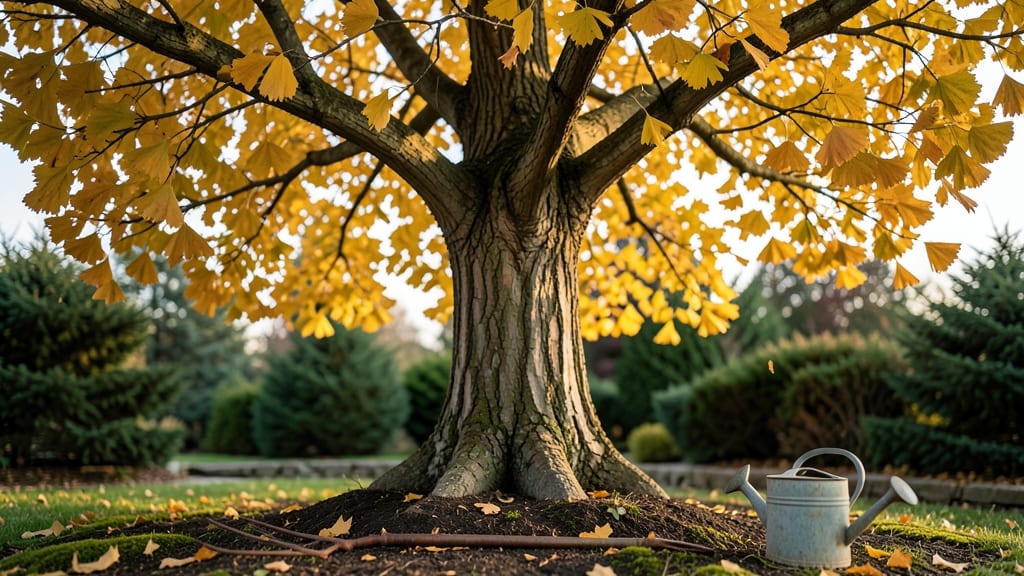
The ginkgo tree in the fall transforms into a golden masterpiece that outshines any other tree in the neighborhood. 🌿 That iconic golden foliage isn't just beautiful—it's a signal that pruning season is here, and doing it right will keep your tree thriving for decades.
I've pruned ginkgos for years, and the difference between a well-maintained specimen and an overgrown mess comes down to timing and technique.
Fall is the perfect time to shape your ginkgo because the tree's natural growth slows down, making it less stressed by pruning. You'll need basic tools—a sharp pair of pruners, loppers for thicker branches, and safety gear—and about 30-60 minutes of focused work.
The goal isn't to remove massive amounts of foliage but to open up the canopy for better airflow and sunlight penetration, which prevents disease and encourages vibrant golden hues next season.
What you'll end up with is a tree that becomes the centerpiece of your landscape during autumn, its golden leaves creating a stunning contrast against any background.
Proper pruning also makes nut harvesting easier if you're interested in that, though be prepared for the distinctive "ginkgo smell" that accompanies fallen leaves. The tree's resilience means it'll bounce back quickly, ready to handle winter's chill.
This approach works for both young ginkgos and mature specimens, though older trees may require more strategic cuts to maintain their majestic form. Whether you're dealing with a small urban planting or a large backyard tree, these techniques will keep it healthy and show-stopping every fall.
📚 In This Guide
- What you need
- Instructions
- Tips and common mistakes
- Wrapping up and next steps
What you need
- ● Pruning shears: Bypass pruners (for small branches, 5–7 inches) or anvil pruners (for thicker branches, 8+ inches). Must be sharp and clean!
- ● Loppers: Bypass loppers with a 10–14 inch blade for medium branches (½–2 inches thick).
- ● Pruning saw: Curved-tooth saw for branches over 2 inches thick (avoid straight teeth—they tear wood!).
- ● Gloves: Heavy-duty gardening gloves (cut-resistant for protection against thorns or rough bark).
- ● Disinfectant: 70% isopropyl alcohol or rubbing alcohol + a clean cloth (to sterilize tools between cuts).
- ● 5-gallon bucket: For collecting debris (or a tarp if you prefer sweeping later!).
- ● Ladder: Sturdy, extendable ladder (if your tree exceeds 6 feet in height). Safety first—secure it to a stable surface!
- ○ Marking twine or tape: Colored twine or painter’s tape (optional but helpful for identifying branches to remove).
- ● Hand saw: For precision cuts on stubborn branches.
- ● Pole pruner: If your tree is tall and you’d rather avoid the ladder.
- ● Sealant: Pruning sealant (like Tanglefoot Tree Wound Pruning Sealer) for large cuts (controversial but some swear by it!).
- ● Camera or phone: To document your tree’s transformation before/after!
- ● Timing: Prune in late winter or early spring (dormant season) for best results. Fall pruning is only for light shaping—avoid heavy cuts now!
- ● Weather: Choose a dry, overcast day (wet wood splinters and attracts pests).
- ● Safety gear: Eye protection (goggles) and closed-toe shoes (just in case!).
- ● Tree health check: Inspect for disease or pests (like ginkgo psyllids) before pruning. Report issues to a local arborist if needed.
Instructions for pruning your ginkgo tree in fall
Fall is the perfect time to shape your ginkgo tree—here's how to do it right.
✂️ Step 1: Assess the Tree for Dead and Weak Branches
Start by walking around your ginkgo tree, scanning from the ground up. Look for branches that are completely brown, brittle, or devoid of leaves—these are dead and need removal. You'll also spot branches growing at awkward angles or rubbing against others, which can create wounds that invite disease.
Run your hand along the bark of each branch you're unsure about. Dead wood feels dry and papery, while healthy branches have a firm, slightly rough texture. Mark these branches with a piece of colored tape or a small flag so you don't miss them during pruning. I always prune dead wood first—it's the easiest way to improve your tree's health and airflow.
✂️ Step 2: Prune for Structure and Airflow
Use clean, sharp pruning shears to make cuts just outside the branch collar—the swollen area where the branch meets the trunk. This ensures the tree can heal properly. Start with branches that are crossing or growing inward, as these create weak points and block sunlight from reaching the inner canopy.
Remove no more than 25% of the tree's foliage in one season—this prevents stress. Focus on thinning out dense areas to let light and air circulate. You'll see the golden leaves glow brighter in the fall when the tree isn't fighting for sunlight. For larger branches over 2 inches thick, use a pruning saw and make the cut on the underside of the branch to avoid tearing the bark.
☀️ Step 3: Encourage Golden Leaf Display
To enhance the ginkgo's famous golden foliage, prune lightly to open the canopy. Remove any branches that are shading others—this ensures even sunlight exposure, which deepens the color. I like to step back every few cuts and imagine the tree in full fall glory. If you see areas where leaves look sparse or dull, those are spots that need more light.
Trim back any overly long or leggy branches to maintain a balanced shape. These often grow at the tree's edges and can look unkempt. Cut just above a lateral bud or side branch to encourage bushier growth. Avoid heavy pruning at the top—ginkgos naturally grow upward, and you want to preserve that elegant silhouette. The goal is to create a tree that looks full and vibrant, not overtrimmed.
⏰ Step 4: Clean Up and Protect the Tree
After pruning, rake up all fallen leaves and debris to reduce the risk of fungal diseases. Ginkgo trees are generally disease-resistant, but fallen leaves can harbor pests or pathogens. Disinfect your pruning tools with rubbing alcohol between cuts to prevent spreading any potential infections.
Apply a thin layer of mulch around the base of the tree, keeping it 3-4 inches deep and 6 inches away from the trunk. This helps retain moisture and protect roots during fall's cooler temperatures. Water deeply once a week if rainfall is scarce, ensuring the soil stays moist but not waterlogged. Your tree will thank you with even more vibrant golden leaves next season.
Tips & tricks for pruning your ginkgo tree in fall
These simple tricks will help you prune your ginkgo like a pro and keep those golden leaves looking their best.
Timing is Everything: Prune your ginkgo in early fall—ideally in September or early October—when the leaves have changed color but before they've all fallen. This timing lets you see the tree's structure clearly while still having time for new growth to heal before winter. I've seen trees pruned too late in fall show more winter damage, so don't wait until after the leaves have all dropped.
Visual Cue for Healthy Cuts: When making cuts in Step 2, look for the branch collar—the swollen area where the branch meets the trunk. This is your target spot for cuts. A good way to visualize it is to imagine a small ridge or bump where the branch connects. Cutting just outside this collar ensures the tree can seal the wound properly, preventing disease. If you're unsure, trace the branch with your finger—you'll feel the ridge.
Seasonal Pruning Strategy: Remember the 25% rule from Step 2—never remove more than a quarter of the tree's foliage in one season. Ginkgos are resilient, but they need time to recover. I like to do a light pruning every fall and a more extensive shaping every 3-4 years. This gradual approach keeps your tree healthy while building up to that stunning golden display year after year.
Tool Maintenance Tip: After pruning, give your tools a thorough cleaning. Wipe down the blades with a damp cloth and disinfect with rubbing alcohol. Store them in a dry place to prevent rust. I keep my pruning shears in a tool bag with a silica gel packet to absorb moisture. Well-maintained tools make pruning safer and more effective next season.
Pro Tips for Ginkgo Tree In The Fall
- These simple tricks will help you prune your ginkgo like a pro and keep those golden leaves looking their best.
- Timing is Everything: Prune your ginkgo in early fall—ideally in September or early October—when the leaves have chan...
- Visual Cue for Healthy Cuts: When making cuts in Step 2, look for the branch collar—the swollen area where the branch...
Frequently asked questions
Got questions about pruning your ginkgo tree for that stunning golden fall display? Here are some of the most common queries—plus quick answers to keep your tree thriving:
When is the best time to prune a ginkgo tree for fall color?
The ideal window is late winter to early spring (February–March), before new growth begins. This ensures you’re not removing buds that could impact fall foliage. Avoid pruning in fall—it stresses the tree and may reduce next year’s golden show!
Can I prune a ginkgo tree in fall to encourage more golden leaves?
Pruning in fall is a bad idea—it disrupts the tree’s energy reserves and can weaken its structure. Focus on light shaping in late winter instead. For extra vibrancy, prioritize air circulation by removing dense branches before summer heat stress.
What if my ginkgo tree isn’t turning golden in fall?
Several factors could be at play:
- Age: Young trees (under 10 years) may not fully color.
- Sunlight: Ginkgos need full sun (6+ hours/day) for optimal fall color.
- Nutrition: A soil test can reveal deficiencies (e.g., nitrogen or zinc).
- Stress: Over-pruning, drought, or pests (like ginkgo psyllids) can dull colors.
Are there any pruning mistakes to avoid with ginkgo trees?
Watch out for these no-nos:
- Topping: Cutting the main trunk stump-style invites disease and weak growth.
- Over-thinning: Ginkgos thrive on density—remove no more than 25% of foliage per year.
- Pruning wet wood: Wait until branches are dry to avoid ragged cuts.
What’s a good alternative if I don’t have a ginkgo tree?
If you’re craving fall gold without a ginkgo, try these low-maintenance alternatives:
- Sweetgum (Liquidambar): Star-shaped leaves turn fiery red/orange.
- Japanese Maple (Acer palmatum): Delicate lace-like foliage in golds and reds.
- Hornbeam (Carpinus betulus): Glossy green summer leaves → golden fall.
Wrapping up and next steps
Watching your ginkgo tree transform into a golden masterpiece in the fall is pure magic—and now you’re equipped to keep it thriving! With the right tools, timing, and techniques, you can prune with confidence while preserving that stunning foliage.
Ready to take the next step? Schedule a quick check-in with your tree every few months to spot any overgrown branches or signs of stress early. Your ginkgo will reward you with years of vibrant autumn displays—so grab those pruners and get to work! 🌿✨