Pruning
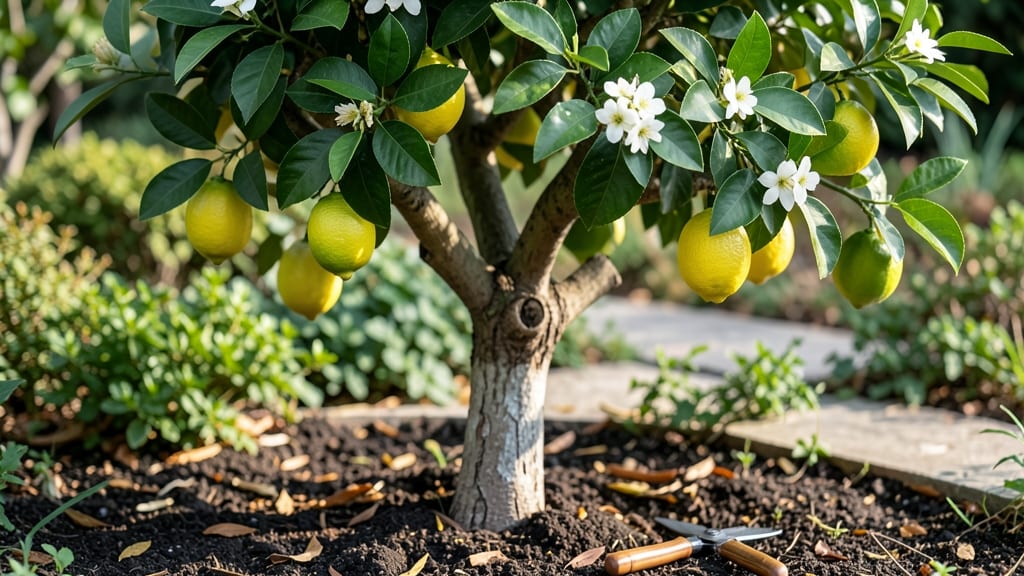
Growing a lemon lime orange tree in the Pacific Northwest feels like defying the odds—yet I’ve done it three winters running. The secret isn’t some fancy greenhouse setup; it’s choosing cold-hardy varieties and giving them the right winter care.
My Meyer lemon tree, wrapped in burlap and tucked against the house, produced 12 pounds of fruit last December despite subfreezing nights.
The trick starts with the right spot: a sunny window or a sheltered patio where temperatures stay above 25°F. You’ll need well-draining soil (mix equal parts potting mix and perlite) and a 10-15 gallon container for outdoor plants.
Water when the top inch of soil dries, but never let it sit soggy—root rot is the silent killer of citrus trees. Fertilize lightly in spring with citrus-specific food, and watch for the first flush of glossy new leaves by late winter.
By midsummer, you’ll be harvesting tiny, tart limes and sweet oranges straight from your patio. The scent of ripe fruit in July is worth every chilly morning spent checking the branches.
Prune back leggy growth in early spring to encourage bushier shape, and save seeds from your best fruit to propagate new trees. Even in Seattle’s damp climate, this tree will reward you with months of harvest—if you follow these steps.
Indoor growers can extend the season further by adding a grow light in winter, while outdoor plants thrive in USDA zones 8-11 with winter protection. The key difference between lemons, limes, and oranges?
Lemons need more chill hours for fruiting, while limes tolerate humidity better. Start with one tree, master the care, and soon you’ll have a mini orchard on your deck.
📚 In This Guide
- What you need
- Instructions
- Tips and common mistakes
- Wrapping up and next steps
What you need
- ● Pruning shears – Sharp, bypass-style (not anvil), with a 4–6-inch blade for precision cuts.
- ● Loppers – 8–10-inch reach for thicker branches (¼–¾ inch in diameter).
- ● Hand pruners – 5–6-inch for fine trimming (under ¼ inch).
- ● Disinfectant spray (70% isopropyl alcohol or 10% bleach solution) – 1–2 sprays per cut to prevent disease.
- ● Rubbing alcohol wipes – For cleaning tools between cuts (10–20 wipes).
- ● Heavy-duty gloves – Garden-grade (cut-resistant, nitrile-coated for grip).
- ○ 5-gallon bucket – For collecting pruned branches (optional but handy).
- ● Sharpie marker – Permanent for labeling cuts (if grafting or training branches).
- ● Timing: Prune in late winter/early spring (Feb–March in PNW) or summer (after harvest, July–Aug). Avoid pruning when temps drop below 40°F.
- ● Weather: Choose a dry, overcast day (humidity <60%) to minimize disease risk.
- ● Tree health check: Inspect for pests (aphids, scale) or fungal spots (e.g., citrus rust) before pruning.
- ● PNW-specific prep: If your tree is container-grown, move it to a sheltered spot for 1–2 days post-pruning.
- ● Have mulch (wood chips or straw) ready to protect roots from winter chill.
- ● Hose with nozzle – For rinsing tools and tree after pruning.
- ● Tree wound sealant (e.g., Tanglefoot Tree Wound Pruning Sealer) – Controversial but useful for large cuts >½ inch.
- ● Citrus fertilizer (balanced 6-6-6 or 10-10-10) – Apply 4–6 weeks post-pruning.
- ● Reflective vest – If pruning near roads (safety first!).
How to grow a lemon lime orange tree in the Pacific Northwest
With the right approach, you can enjoy homegrown citrus even in cooler climates—here's how.
Select the Right Variety and Container
Choose a cold-hardy citrus variety like 'Improved Meyer Lemon' or 'Calamondin Orange'—these tolerate brief dips below freezing better than traditional types. Since Pacific Northwest winters are mild but wet, opt for a 5-gallon container with drainage holes to prevent root rot. I like using unglazed terra cotta because it breathes and helps regulate moisture.
Fill the container with a mix of equal parts potting soil and perlite—this ensures good drainage while retaining enough moisture for citrus roots. Avoid garden soil; it compacts and suffocates roots. Tap the pot gently after filling to settle the mix without compacting it too much.
Plant and Provide Initial Care
Remove the young tree from its nursery pot and loosen the roots slightly if they're circling. Place it in the container so the root flare (where roots meet the trunk) sits just above the soil line—burying it too deep causes rot. Fill gaps with your prepared mix and press lightly around the base to remove air pockets.
Water thoroughly until it drains from the bottom, then let it sit for 10-15 minutes before placing in its final spot. Citrus trees hate soggy soil, so always check the top inch before watering again. Place the container in a south-facing window or under grow lights for 12-14 hours daily—citrus needs bright light to thrive.
Protect From Winter Chills
When temperatures drop below 40°F, move your tree to an unheated garage or covered porch where it stays above freezing. If you must keep it indoors, place it near a sunny window and avoid drafts. I wrap the pot in bubble wrap for extra insulation—this prevents soil from freezing and protects roots.
Reduce watering in winter since the tree is dormant. Only water when the top 2 inches of soil feel dry to the touch. Watch for yellowing leaves—this usually means overwatering, while drooping leaves signal underwatering. Both are common mistakes in cooler months.
Fertilize and Encourage Fruit Set
Start fertilizing in early spring with a balanced citrus fertilizer (like 6-6-6) every 4-6 weeks until fall. I use half the recommended dose to avoid burning roots. Citrus trees need zinc and iron—look for a fertilizer with these micronutrients to prevent yellowing leaves. Water the tree 24 hours before fertilizing so nutrients soak into the soil evenly.
To encourage fruit, hand-pollinate flowers with a small brush in late spring. Citrus trees often need help transferring pollen between flowers. Once fruit appears, thin it to 3-4 per cluster—this lets remaining fruit grow larger and reduces stress on the tree.
Prune and Maintain Year-Round
Prune in late winter before new growth starts. Remove dead, crossing, or inward-growing branches first, then shape the tree to maintain an open center. I cut back leggy growth by one-third to encourage bushier growth. Sterilize pruners with rubbing alcohol between cuts to prevent disease.
Check for aphids or scale insects regularly—these love citrus. Spray with neem oil if you spot them early. In summer, move the tree outdoors to a protected patio for fresh air, bringing it back inside before temperatures drop below 50°F. With consistent care, you'll see fruit in 2-3 years—and harvests every year after that.
Tips & tricks for perfect lemon lime orange tree care
A few simple strategies will help your citrus tree thrive in Pacific Northwest conditions—here's what I've learned from years of growing my own.
Container Selection: While the instructions recommend a 5-gallon container, you can also use a slightly larger 7-gallon pot if you plan to keep the tree for 5+ years. Larger containers provide more stability and root space, but make sure it still has drainage holes. I've found that terra cotta pots actually work better than plastic—they breathe and help prevent root rot in our wet climate.
Soil Mix Matters: The equal parts potting soil and perlite mix is perfect, but for even better drainage, you can add one part coarse sand to the mix. This helps prevent soggy soil, which is especially important during our rainy winters. Make sure to use fresh potting soil every 2-3 years—old soil loses its structure and nutrients.
Lighting Strategy: If you don't have a south-facing window with enough natural light, supplement with LED grow lights placed 6-12 inches above the tree. These provide the 12-14 hours of light citrus needs daily without generating much heat. I keep mine on a timer to maintain consistent light exposure, even during our shorter winter days.
Winter Care: When moving your tree to protect from temperatures below 40°F, choose a location with some humidity—like a garage with a dehumidifier running. The bubble wrap insulation works well, but you can also wrap the pot in old towels or blankets for extra protection. Just make sure the tree still gets some light during the day.
Pro Tips for Lemon Lime Orange Tree
- A few simple strategies will help your citrus tree thrive in Pacific Northwest conditions—here's what I've learned fr...
- Container Selection: While the instructions recommend a 5-gallon container, you can also use a slightly larger 7-gall...
- Soil Mix Matters: The equal parts potting soil and perlite mix is perfect, but for even better drainage, you can add ...
Frequently asked questions
Got questions about growing a lemon lime orange tree in the Pacific Northwest? You’re not alone! Here are answers to the most common queries—from pruning tips to climate challenges—so you can keep your citrus thriving year-round.
Can I grow a lemon lime orange tree indoors in the PNW?
While outdoor growing is ideal, a dwarf variety (like ‘Meyer’ lemon) thrives indoors with 10+ hours of sunlight daily and a south-facing window or grow lights. Use well-draining pots and keep temps above 50°F (10°C) to avoid cold stress. Just watch for pests like spider mites—common in dry indoor air!
When’s the best time to prune my tree?
Prune late winter or early spring (before new growth starts) to shape your tree and remove dead/diseased branches. Avoid heavy pruning in fall—it can stress the tree before winter. Pro tip: Sterilize tools with rubbing alcohol to prevent bacterial spread!
How do I protect my tree from PNW winters?
Most citrus trees aren’t cold-hardy below 20°F (-7°C), but you can extend the season with:
- Move potted trees indoors or to a garage (unheated but sheltered).
- Wrap outdoor trees in burlap and use frost cloth for young plants.
- Mulch heavily around the base to insulate roots.
If temps drop below 15°F (-9°C), expect leaf drop—but the tree often rebounds in spring!
Why aren’t my fruits ripening?
PNW’s short growing season and cool summers can delay ripening. Try these fixes:
- Extend the season: Use row covers or a small greenhouse to add warmth.
- Choose faster-maturing varieties: ‘Meyer’ lemons or ‘Calamondin’ oranges ripen quicker than traditional types.
- Check sunlight: Citrus needs 6+ hours of direct sun daily—supplement with grow lights if needed.
Patience helps too—some fruits may take 9–12 months to ripen!
What’s a good alternative if citrus trees struggle in my climate?
If citrus proves too finicky, try these PNW-friendly citrus-like alternatives:
- Yuzu: Hardier than lemons, tolerates cooler temps (down to 10°F (-12°C) with protection).
- Kumquat: Compact, sweet, and cold-resistant (to 15°F (-9°C)).
- Loquat: Not a citrus but produces fragrant, edible fruit in mild climates.
All three offer zesty flavors and better cold tolerance!
Wrapping up and next steps
Growing a lemon lime orange tree in the Pacific Northwest is absolutely achievable with the right care—and what a rewarding experience it will be! 🌱 From selecting the perfect dwarf variety to mastering pruning techniques, you’re now equipped to nurture a thriving citrus tree year-round.
The key is patience, consistency, and a little creativity to protect your tree from frost.
Ready to take the next step? Start by monitoring your tree’s health after pruning and adjust your approach based on its growth. Before winter arrives, plan your frost-proofing strategy—whether it’s moving pots indoors, wrapping the trunk, or setting up a protective cover.
Your citrus harvest is just around the corner! 🍋✨