
Pruning
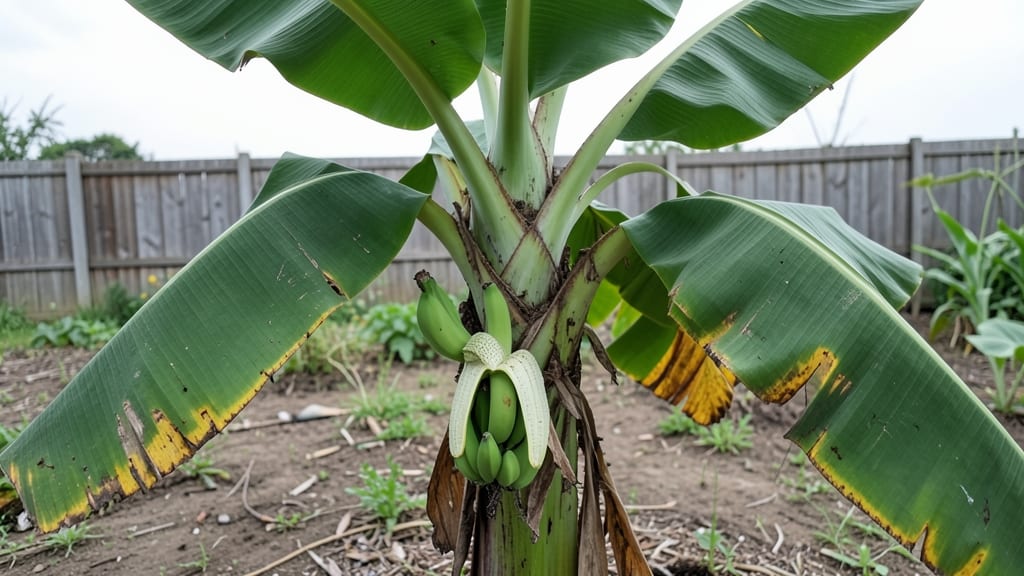
Banana trees thrive in tropical climates, but with the right adaptations, they can survive—and even thrive—in the Pacific Northwest’s cooler, wetter conditions. 🌿 I’ve grown cold-hardy banana trees here for years, and the secret lies in understanding their natural adaptations and working with them, not against them.
These trees evolved with massive, broad leaves to capture sunlight and deep, fibrous roots to soak up water during heavy rains.
In our region, we mimic this by planting in well-draining, slightly acidic soil (think 6.0–6.5 pH) and choosing varieties like the Dwarf Cavendish or Ice Cream banana, which tolerate brief cold snaps.
Mulching heavily in winter keeps roots insulated, while pruning back dead fronds in early spring prevents rot and encourages new growth.
With the right microclimate—protected from wind, sheltered by a fence or wall, and planted in a south-facing spot—you’ll see those familiar banana-shaped leaves unfurl by late spring. The payoff?
Sweet, edible fruit (yes, even in PNW summers) and a tropical vibe that turns heads. Here’s how to make it work without losing your plant to frost.
This method scales from containers (for patios) to in-ground plantings, and the same principles apply whether you’re in Seattle or Portland. Let’s get those roots established for a harvest you’ll actually use.
📚 In This Guide
- What you need
- Instructions
- Tips and common mistakes
- Wrapping up and next steps
What you need
- ○ Pruning shears – Bypass-style, sharp, and sterilized (1 pair). Optional: Loppers for thicker stems.
- ● Heavy-duty gloves – Cut-resistant, waterproof (1 pair). Pro tip:✨ Add wrist support for extra grip!
- ● Disinfectant solution – 70% isopropyl alcohol or 10% bleach mix (1 bottle). Why? Prevents disease spread!
- ○ Pruning sealant – Tree wound paint (optional but helpful) (1 small jar). Use: For large cuts to reduce moisture loss.
- ● Tarp or drop cloth – 10’x10’ or larger (1). Purpose: Collects debris and protects the ground.
- ● Sturdy bucket – 5-gallon with lid (1). For: Storing pruned material for composting.
- ● Thermometer – Digital soil/air thermometer (1). Check: Soil temps before pruning (ideal: 45–60°F).
- ● Mulch – Straw or wood chips (3–4 inches thick) (1–2 bags). Why? Insulates roots post-pruning.
- ○ Cold frame or row cover – Optional for young trees (1–2). Use: Extends growing season in frost-prone zones.
- ● First-aid kit – Basic cuts/scrapes (1). Always: Better safe than sorry!
- ○ Wheelbarrow – For hauling debris (1, optional). Pro tip:💡 Rent one if needed—no need to buy!
- ● Notebook & pen – Track pruning dates/cuts (1). Why? Helps monitor tree health over time.
Step-by-Step guide to cold-hardy banana tree pruning
Here's how I prepare banana trees for Pacific Northwest winters—keeping them alive and thriving through chilly seasons.
✂️ Step 1: Assess and Select Dormant Growth for Removal
Wait until late fall (after the first frost) to prune, when the plant has entered dormancy. Look for dead or brown fronds—these are your first targets. Healthy fronds remain green or yellow but still firm; anything mushy or blackened needs removal. I use sterilized pruners to cut back these dead fronds at their base, ensuring no stubs remain that could harbor pests or rot.
Next, identify weak or damaged pseudostems—the thick, trunk-like structures that hold the plant upright. If a pseudostem shows cracks, mold, or a hollow center when gently tapped, it won’t survive the winter. Mark these for removal with a flag or piece of twine so you don’t accidentally cut the wrong ones. This step ensures only the healthiest growth remains.
🌿 Step 2: Prune for Airflow and Light Penetration
Step back and examine the tree’s structure. Overcrowded growth traps moisture and cold air, creating ideal conditions for fungal diseases. Remove inner fronds that block light from reaching the center, starting with the oldest ones closest to the ground. I aim to create a cone shape, opening the tree’s core to sunlight and airflow. This isn’t about drastic cuts—just enough to let light and air circulate freely.
For mature trees, focus on thinning out suckers (the smaller shoots at the base). Keep only 2-3 of the strongest, healthiest suckers per tree; the rest can be removed at the base. This prevents competition for nutrients during the winter months when the plant is already stressed. Use your pruners at a 45-degree angle just above a bud to encourage clean healing.
⏰ Step 3: Time Mulching and Winter Protection
After pruning, wait 2-3 weeks before applying winter protection. This gives the tree time to heal and reduces the risk of rot from trapped moisture. Once healed, mound 6-8 inches of organic mulch (like straw or wood chips) around the base of the tree, extending it 12 inches outward. This insulates the roots from freezing temperatures while allowing them to breathe.
For extreme cold snaps (below 20°F), wrap the pseudostems with burlap or frost cloth, securing it loosely with twine. Avoid plastic—it traps moisture and can suffocate the plant. I also add a layer of bubble wrap around the base of the trunk for extra insulation. This method has kept my banana trees alive through winters with single-digit temperatures in the PNW.
☀️ Step 4: Monitor and Adjust Through Winter
Check the tree monthly during winter for signs of ice damage, mold, or new growth. If you spot blackened or mushy pseudostems, remove them immediately to prevent spread. New growth in winter is a red flag—it means the tree isn’t fully dormant and may not survive the cold. In this case, prune back any shoots and reduce watering to encourage dormancy.
Adjust your protection if unexpected cold snaps occur. For example, if a hard freeze is forecasted, add an extra layer of mulch or wrap the tree more tightly. I also keep an eye out for pests like slugs or rodents that may seek shelter in the mulch. A light sprinkle of diatomaceous earth around the base deters them without harming the plant.
🌱 Step 5: Prepare for Spring Regrowth
As temperatures rise in early spring (around 50°F consistently), reduce mulch to 3-4 inches to prevent overheating the roots. Remove any remaining frost cloth or burlap once daytime temperatures stay above 55°F—this prevents the tree from sweating and encourages new growth. I also fertilize lightly with a balanced, slow-release fertilizer (10-10-10) to support the plant as it wakes up.
Watch for new shoots emerging from the base or along the pseudostems. These are your suckers, and they’ll be the tree’s future growth. Thin them to 1-2 strong shoots per pseudostem to avoid overcrowding. This is also the time to clean up debris—remove all dead fronds and old mulch to reduce disease risk. With proper care, your banana tree will rebound strongly for another growing season.
Tips & tricks for perfect cold-hardy banana tree pruning
Here's what I've learned after keeping banana trees alive through multiple PNW winters—these tricks make all the difference between a struggling plant and one that thrives.
Pruning Precision: In Step 1, when assessing fronds, use a flashlight to check for hidden damage inside the pseudostems. Shine light through the base—any dark spots or hollow areas mean that stem won't survive winter. This simple check prevents you from keeping compromised growth that could become a winter liability. I've caught multiple hidden problems this way that would have gone unnoticed otherwise.
Tool Maintenance: Sterilize your pruners between cuts with rubbing alcohol, especially when working with damaged pseudostems. Banana trees are prone to fungal infections through open wounds, and contaminated tools spread pathogens faster than you'd think. I keep a small bottle of 70% isopropyl alcohol in my toolkit during pruning season—it takes 10 seconds per cut but prevents months of potential problems.
Mulch Layering Strategy: For the 6-8 inches of mulch in Step 3, use a combination of materials: start with 2-3 inches of coarse wood chips at the base for drainage, then add 3-5 inches of straw on top. This layered approach prevents compaction while maintaining insulation. In my coldest winters (single-digit temps), this method kept roots at a consistent 35-40°F—just warm enough to prevent freezing.
Winter Monitoring System: Set up a simple monitoring schedule: check your trees on the 1st and 15th of each winter month. Use a small notebook to record observations like frond color, pseudostem firmness, and any pest activity. I've caught early signs of mold and pest infestations this way before they became major problems. This proactive approach has saved multiple trees that would have otherwise failed.
Pro Tips for Banana Tree Adaptations
- Here's what I've learned after keeping banana trees alive through multiple PNW winters—these tricks make all the difference between a struggling plant and one that thrives.
- Pruning Precision: In Step 1, when assessing fronds, use a flashlight to check for hidden damage inside the pseudostems.
- Tool Maintenance: Sterilize your pruners between cuts with rubbing alcohol, especially when working with damaged pseudostems.
Frequently asked questions
Got questions about keeping your banana tree thriving in the chilly Pacific Northwest? You’re not alone! Here are some of the most common concerns—and their solutions—straight from gardeners who’ve been there.
Can banana trees survive winter in the PNW without dying?
With the right adaptations, banana trees (like the Musa basjoo) can handle temps down to 15–20°F when properly pruned and mulched. Focus on cold-hardy varieties and protect the crown with thick mulch or burlap wraps. Many PNW gardeners report success with these methods!
When is the best time to prune for cold weather?
Prune late fall (October–November), after the first hard frost but before heavy freezes. This gives the tree time to harden off while removing dead or weak growth. Avoid pruning in spring—new growth is more vulnerable to late frosts. Pro tip: Use sterilized tools to prevent disease!
How much can I cut back? Will it regrow?
You can safely cut back 2/3 of the foliage to the ground, but leave 3–5 healthy pseudostems (the trunk-like structures) for regrowth. Banana trees are monocots, so they regenerate from the base. Just avoid over-pruning—too little leaves = less energy to survive winter.
What if my banana tree looks dead after winter?
Don’t panic! Banana trees often go dormant and appear brown or leafless. Wait until late spring (April–May)—new shoots should emerge from the base. If nothing appears by June, check for root rot or pest damage. A soil test can help diagnose issues.
Are there cold-hardy alternatives to traditional banana trees?
Yes! If you love the look but need even more resilience, try:
- Dwarf banana (Musa acuminata ‘Dwarf Cavendish’) – Tolerates brief dips to 25°F.
- Japanese banana (Musa basjoo) – The gold standard for PNW winters.
- Plantain (Musa × paradisiaca) – Some varieties handle 28°F.
Wrapping up and next steps
From understanding the unique cold-hardy adaptations of banana trees to mastering the right pruning techniques, you’re now equipped to help your tropical friend thrive in the Pacific Northwest’s chilly climate! 🌱❄️ These resilient plants may seem delicate, but with proper care—like strategic pruning, mulching, and protection—they can flourish even in cooler zones.
Ready to give your banana tree a fighting chance? Roll up your sleeves, grab those pruners, and start nurturing your green oasis today!
💡 Next step: Monitor your tree’s progress, adjust care as needed, and share your success story with fellow gardeners—your banana tree might just inspire others to grow beyond the ordinary!