
Pruning
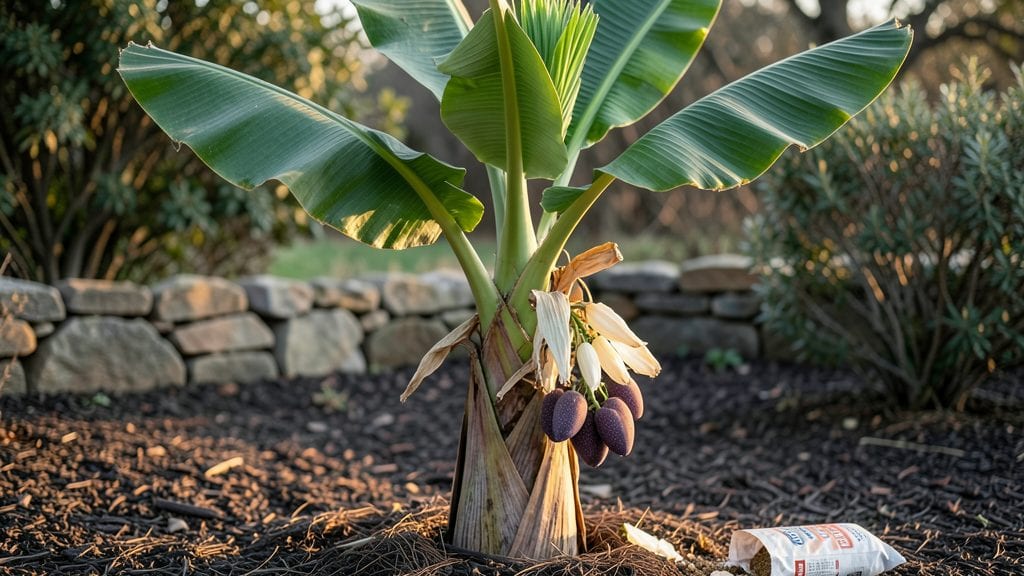
Pruning your hardy banana tree Musa basjoo reveals its true potential—thicker trunks, lush foliage, and a bold tropical statement even in cold climates.
I’ve pruned mine every February for five years now, and each time, the plant rebounds with new growth by spring, proving it’s far tougher than most gardeners realize. The key isn’t just cutting back dead fronds but understanding when and how to do it without shocking the plant.
You’ll need sharp pruners, disinfectant, and a clear day to work—30 minutes tops for most trees. Start by removing all brown or yellow fronds at the base, then cut back any that look weak or damaged.
The goal is to leave 3-5 healthy, mature leaves per trunk to keep photosynthesis going. My first mistake? Over-pruning in winter and ending up with bare stems—now I wait until late winter when new shoots are just starting to emerge.
What you’ll end up with is a neat, productive plant that looks intentional, not neglected. The trunks thicken, the foliage stays vibrant, and you avoid the messy, leggy look that plagues neglected banana trees.
Plus, the non-edible but decorative fruit (when it appears) adds a fun bonus. By summer, your tree will be the showstopper of the garden, frost-proof and thriving—no matter how chilly your zone gets.
This method works for Pacific Northwest gardens (Zones 5-9) and beyond—just adjust timing based on your first frost. The same principles apply whether you’re shaping a single trunk or letting it grow as a clump.
Ready to transform that winter-brown mess into a year-round tropical focal point? Let’s get to it.
📚 In This Guide
- What you need
- Instructions
- Tips and common mistakes
- Wrapping up and next steps
What you need
- ● Pruning shears: Bypass pruners (sharp, 6–8" blades) for clean cuts on smaller stems.
- ● Loppers: 1 pair (8–10" blades) for thicker branches (1–2" diameter).
- ● Pruning saw: 1 handheld saw (for stems >2" thick).
- ● Disinfectant: 70% isopropyl alcohol or bleach solution (1:9 ratio) to sterilize tools between cuts.
- ● Gloves: Heavy-duty work gloves (cut-resistant for safety).
- ● Compost/bin: For disposing of pruned material (or repurposing as mulch).
- ○ Marking twine or tags: Optional, for labeling sections if dividing the plant.
- ● Rubbing alcohol wipes: Quick tool disinfection on the go.
- ● Sealing wax: For coating large cuts (prevents disease entry).
- ● Plant food: Balanced fertilizer (10-10-10) to replenish nutrients post-pruning.
- ● Mulch: Wood chips or straw to protect roots during PNW winters.
- ● Camera/phone: Document progress—great for tracking growth!
Step-by-Step guide to pruning hardy banana trees (Musa Basjoo) in the Pacific Northwest
Transform your hardy banana tree into a thriving, frost-resistant specimen with these precise pruning techniques tailored for PNW climates.
🌿 Step 1: Identify and Remove Dead or Damaged Fronds
Start by examining your Musa Basjoo for fronds that show signs of frost damage, disease, or physical injury. These will appear brown, blackened, or mushy at the base, often with a foul odor when touched. I always begin pruning in early spring—just as new growth starts—because this removes winter damage while allowing the plant to focus energy on fresh shoots.
Use sharp, sterilized pruning shears to cut each frond at its base, making a clean cut about ½ inch above the main trunk. Avoid tearing the tissue, as jagged edges invite fungal infections. If you're unsure whether a frond is dead, gently scratch the underside with your fingernail—healthy tissue will be firm and greenish, while dead tissue will crumble or smell rancid.
✂️ Step 2: Prune for Structural Balance and Airflow
Hardy banana trees develop a natural clumping habit, but over time, dense growth can block airflow and trap moisture. Step back and visually assess the plant’s shape—look for fronds growing inward or crossing over others. These create shaded areas where humidity lingers, increasing the risk of fungal diseases like sigatoka leaf spot, which thrives in the Pacific Northwest’s damp climate.
Remove any fronds that grow at sharp angles or overlap with others. Focus on maintaining an open, vase-like structure that allows sunlight to reach the center. For mature trees, I typically remove 10-20% of the total fronds during each pruning session. Never cut more than ⅓ of the plant’s foliage at once, as this stresses the tree and reduces its ability to recover from winter cold.
🌱 Step 3: Encourage New Growth with Strategic Cuts
The key to frost-resistant growth lies in stimulating vigorous new shoots from the base. After removing dead fronds, look for the 3-5 strongest, outermost buds at the base of the trunk. These are your priority—healthy new fronds will emerge from here and form the tree’s protective canopy for the next winter.
If your Musa Basjoo has fewer than three active growth points, it may need rejuvenation. In this case, cut back the oldest, largest fronds first, even if they’re still green. The tree will redirect energy to the remaining buds. Water deeply after pruning to help the plant recover, and apply a balanced, slow-release fertilizer to support new growth. You’ll see fresh shoots within 4-6 weeks, signaling successful pruning.
⏰ Step 4: Time Pruning for Frost Hardiness
Timing is everything with Musa Basjoo in the Pacific Northwest. Prune in early spring (March-April), just as the ground thaws but before new shoots emerge. This gives the tree time to harden off before the next winter. Avoid pruning in late summer or fall, as new growth won’t have time to mature before cold snaps hit—tender shoots are far more susceptible to frost damage.
If you must prune in late fall (e.g., to remove severely frost-damaged fronds), do so at least 6 weeks before the first expected frost. This allows the tree to seal wounds and prepare for dormancy. In the PNW, where temperatures can drop below 20°F, even hardy banana trees benefit from a thick layer of mulch around the base after pruning. This insulates the roots and protects new shoots from radiant frost.
Tips & tricks for pruning hardy banana trees in the Pacific Northwest
Here’s how to make your Musa Basjoo pruning session even more effective—and avoid the common pitfalls that can stress your tree.
Tool Preparation: Sterilize your pruning shears with rubbing alcohol before each cut to prevent spreading fungal spores. I’ve learned the hard way that skipping this step can introduce sigatoka leaf spot, which thrives in the damp PNW climate. For larger cuts, use a pruning saw—it gives you more control and reduces tearing. Always clean your tools between cuts on different trees if you’re working with multiple Musa Basjoo plants.
Visual Assessment Technique: When evaluating fronds in Step 1, look for the "V" shape where the petiole meets the trunk—this is where healthy tissue connects. If you see blackened or hollow areas, that frond needs removal. For mature trees, I recommend taking a photo before and after pruning to track structural changes over time. This helps you notice patterns in growth habits that might need adjustment in future pruning sessions.
Frost Protection Strategy: After pruning, apply a 3-4 inch layer of organic mulch around the base of your Musa Basjoo to insulate roots from temperature fluctuations. I use straw or wood chips because they break down slowly and improve soil structure over time. In particularly cold winters (below 20°F), consider wrapping the trunk with burlap for extra protection against radiant frost damage.
Growth Monitoring: Mark the height of your tree before pruning with a piece of twine or a paint marker—this gives you a clear reference point to track new growth. Within 4-6 weeks, you should see fresh shoots emerging from the base buds you prioritized. If you don’t see any new growth after this period, it might indicate nutrient deficiency or root damage that needs addressing.
Pro Tips for Hardy Banana Tree Musa Basjoo
- Here’s how to make your Musa Basjoo pruning session even more effective—and avoid the common pitfalls that can stress your tree.
- Tool Preparation: Sterilize your pruning shears with rubbing alcohol before each cut to prevent spreading fungal spores.
- Visual Assessment Technique: When evaluating fronds in Step 1, look for the "V" shape where the petiole meets the trunk—this is where healthy tissue connects.
Frequently asked questions
When is the best time to prune my Musa basjoo?
Prune your hardy banana tree in late winter or early spring (February–March) before new growth begins. This timing prevents frost damage to fresh cuts and gives the plant energy to regrow. Avoid pruning in fall—it leaves the tree vulnerable to winter cold. Pro tip: If you spot dead or damaged fronds in winter, trim them immediately to prevent pests.
How do I protect my Musa basjoo from Pacific Northwest frost?
The Musa basjoo is cold-hardy (USDA Zones 5–9), but young plants or extreme cold (<15°F) may need extra care. Wrap the trunk with burlap or frost cloth and mulch the base with straw or leaves (6–12 inches deep). For container-grown trees, move them to a sheltered spot or insulate with bubble wrap. Pro tip: Prune back any frost-bitten fronds in spring—the tree will bounce back!
How much can I cut back my Musa basjoo?
You can safely remove up to ⅓ of the plant’s height in one pruning session. Focus on:
- Dead or blackened fronds (cut at the base).
- Overcrowded pseudostems (leave 1–2 healthy stems for regrowth).
- Damaged leaves (trim ragged edges to improve airflow).
Warning: Avoid aggressive pruning—this can stress the plant. If you’re unsure, start conservatively!
What if my Musa basjoo isn’t growing back after pruning?
Patience is key! Hardy banana trees regrow from the base, and new shoots may take 4–8 weeks to emerge. If no growth appears by late spring:
- Check for root rot (soggy soil = bad news).
- Ensure it’s in full sun (6+ hours/day) and well-draining soil.
- Fertilize lightly with balanced 10-10-10 in spring.
If the trunk is soft or mushy, the plant may be beyond saving—start fresh with a new cutting!
Can I grow Musa basjoo in a container?
Container-growing is ideal for colder climates or small spaces. Use a large pot (15+ gallons) with drainage holes and fill with well-draining mix (60% soil, 30% compost, 10% perlite). Move containers to sheltered spots in winter and water only when the top inch of soil is dry. Pro tip: Elevate pots to prevent waterlogging!
Wrapping up and next steps
The Musa basjoo is a resilient, frost-resistant star for Pacific Northwest gardens—when pruned with care! By following this blueprint, you’ll ensure healthy growth, protect it from winter chill, and keep its iconic tropical vibe thriving year-round. Remember: timing, sharp tools, and patience are your best friends.
Ready to give your hardy banana tree the TLC it deserves? Roll up your sleeves, grab those pruners, and get growing! 🌱 Whether you’re a seasoned gardener or just starting, every snip brings you closer to a lush, vibrant yard. Start pruning today—your Musa basjoo will thank you!