
Blooming
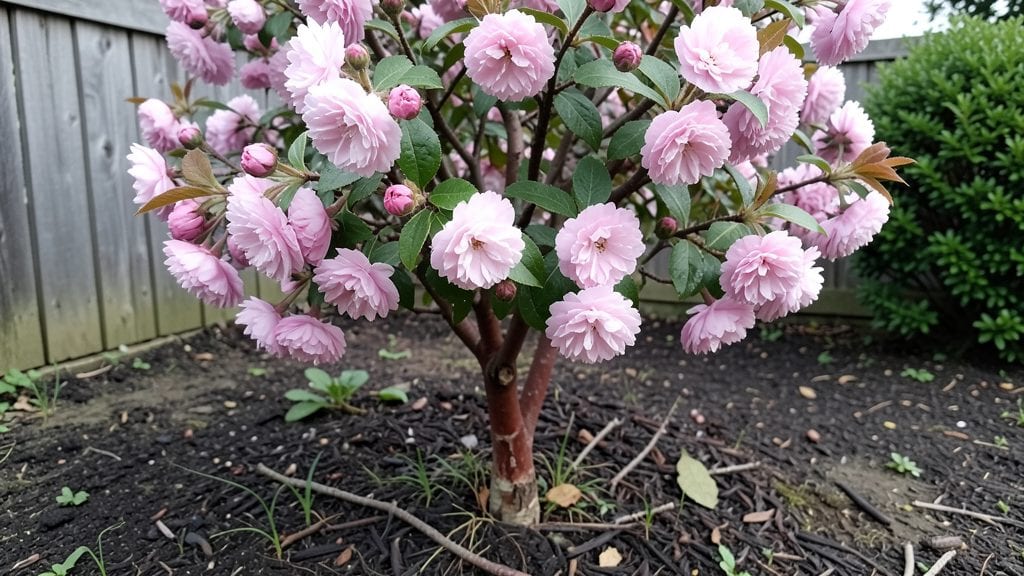
A double blooming plum tree turns your yard into a fragrant sanctuary twice a year—spring and fall—while hummingbirds flock to its nectar-rich blossoms. 🌸 I planted mine last autumn, and by summer, the branches were heavy with pink perfection, then did it all again in October.
The secret isn’t just the variety; it’s the way you prune and feed it to keep that second flush of blooms coming.
You’ll need a sunny spot with well-draining soil—plums hate soggy roots—and a variety like ‘Santa Rosa’ or ‘Methley’ for reliable double blooms. Pruning in late winter removes dead wood while shaping the tree, and a spring feeding of 10-10-10 fertilizer kickstarts that first bloom.
Water deeply once a week during dry spells, but don’t drown it—the roots need air almost as much as water.
By summer, your tree will be a hummingbird magnet, its branches swaying with visitors. The fruit, if you let it form, is tart but delicious for jams or fresh eating.
And when autumn rolls around, those pink blooms return, filling the air with perfume while other trees have long gone dormant. The key to keeping this cycle going? Prune after the second bloom fades to avoid cutting off next year’s flowers.
Even in colder zones, these trees thrive with proper winter care—a thick mulch ring and wrapping young trunks protects them from frost cracks. The first year is about establishing roots; after that, you’ll enjoy decades of blooms and birdwatching. Ready to transform your landscape into a four-season showstopper?
📚 In This Guide
- What you need
- Instructions
- Tips and common mistakes
- Wrapping up and next steps
What you need
- ● Double blooming plum tree: Choose a variety like Prunus cerasifera 'New Zealand Pink' or 'Thundercloud' (ensure it’s disease-resistant and cold-hardy for your zone). 1 tree (3-5 gallons in container or bare-root for transplanting).
- ● Well-draining soil: Mix equal parts garden soil, compost, and coarse sand (or use a pre-mixed loamy soil with a pH of 6.0–7.0). ~5 cubic yards for in-ground planting.
- ● Organic mulch: Wood chips, straw, or pine bark (3–4 inches thick) to retain moisture and suppress weeds. ~10–15 cubic feet.
- ● Slow-release fertilizer: 10-10-10 or 5-10-10 NPK ratio (avoid high-nitrogen fertilizers). 1–2 lbs per tree.
- ● Watering can or hose with nozzle: For gentle, deep watering (avoid overhead sprinklers to prevent fungal diseases).
- ● Shovel or spade: For digging the planting hole (depth/width 2–3x the root ball).
- ● Garden trowel: For adjusting soil around roots.
- ● Pruning shears: Bypass pruners (sharp, clean) for shaping and removing dead branches.
- ● Gloves: Heavy-duty work gloves to protect against thorns.
- ● Measuring tape: To ensure proper spacing (plant 15–20 feet apart for mature trees).
- ○ Stakes & twine (optional): For young trees in windy areas.
- ● Sunlight: Full sun (6–8+ hours daily)—plum trees thrive in open, sunny spots.
- ● Climate zone: Check your USDA Hardiness Zone (most double bloomers suit Zones 5–9).
- ● Hummingbird-friendly zone: Plant in areas sheltered from strong winds (hummingbirds love still, fragrant air!).
- ● Patience: Double bloomers take 3–5 years to reach full bloom potential—plan for long-term enjoyment! ✨
How to plant and care for a double blooming plum tree
Here's the straightforward approach I've used to keep my double blooming plum thriving—full of flowers twice a year and hummingbirds year-round.
🌱 Step 1: Choose the Right Planting Location
Double blooming plum trees need full sun—at least 6-8 hours daily—to produce their spectacular spring and fall blooms. I plant mine where the morning sun warms the trunk (plums love warmth) but afternoon shade protects leaves from intense heat. The tree's roots also need room to spread, so avoid planting near sidewalks or driveways.
Check your soil's drainage by digging a 12-inch deep hole. If water pools after 15 minutes, amend with 3-4 inches of compost mixed into the native soil. Double bloomers hate soggy roots, so raised beds work beautifully if your yard stays wet. I always test the pH too—aim for 6.0-7.0—and adjust with lime if needed.
🪴 Step 2: Plant at the Right Time and Depth
Plant your double blooming plum in late fall or early spring, when soil is workable but not frozen. Dig a hole twice as wide as the root ball but only as deep as the container's bottom. The top of the root ball should sit 1-2 inches above ground level—this prevents water from pooling around the trunk.
Gently remove the tree from its container and loosen any circling roots with your fingers. Place it in the hole so the graft union (the bump near the base) faces slightly upward. Backfill with native soil mixed with 5 gallons of compost, tamping lightly every 4 inches to eliminate air pockets. Water deeply until the soil settles.
☀️ Step 3: Water and Mulch for First-Year Establishment
Water your new plum tree deeply every 5-7 days during the first growing season, aiming for 1-2 gallons per watering. You'll know it's enough when water drains 6-8 inches deep. Let the top 2 inches of soil dry between waterings—this encourages deep root growth instead of shallow, weak roots.
Spread 3-4 inches of wood chip mulch in a 3-foot diameter circle around the base, keeping it 6 inches away from the trunk. This mulch layer locks in moisture and regulates soil temperature. I refresh it annually in early spring—this simple step cuts summer watering by half.
✂️ Step 4: Prune for Health and Blooms
Prune your double blooming plum in late winter or early spring, before buds swell but before new growth starts. Remove any dead, diseased, or crossing branches first—these compete with healthy growth. Then cut back 1/3 of last year's growth to encourage new flowering stems.
Look for "water sprouts" (shoots growing straight up from the trunk) and thin them out—they drain energy from fruit and flowers. I also shape the tree lightly to maintain an open center, which improves air circulation and reduces disease. Sterilize your pruners with rubbing alcohol between cuts to prevent bacterial spread.
💧 Step 5: Maintain Through Seasons
After the first year, your plum tree will need water only during prolonged dry spells—typically every 10-14 days in summer. Check by pushing a 6-inch screwdriver into the soil; if it goes in easily, roots have enough moisture. Fertilize lightly in early spring with ½ cup of 10-10-10 fertilizer, working it into the top 4 inches of soil.
Watch for signs of stress: yellowing leaves often mean too much water, while crispy edges signal underwatering. Hummingbirds will visit both spring and fall blooms—leave some flowers on the tree for them, even if you want fruit. I harvest plums when they're fully colored but still slightly firm—this ensures peak flavor and texture.
Tips & tricks for perfect double blooming plum tree care
These simple strategies will help you nurture a thriving double blooming plum that rewards you with stunning flowers twice a year.
Sunlight Secret: That 6-8 hours of daily sun is non-negotiable for double bloomers. I've found that positioning your tree where it gets morning sun (when temps are cooler) and afternoon shade (to prevent leaf scorch) makes all the difference. If your yard has limited sun, consider a south-facing location or even a large container that can be moved seasonally.
Drainage Check: The 15-minute drainage test in Step 1 is crucial—don't skip it! I've seen too many double bloomers fail because of soggy roots. If you're planting in heavy clay soil, creating a raised bed with a mix of native soil and compost (like the 3-4 inches mentioned) gives roots the perfect environment to thrive without waterlogging.
Mulch Magic: That 3-4 inches of wood chip mulch isn't just decorative—it's a game-changer. I've noticed trees with proper mulching need up to 50% less water in summer. The key is keeping it 6 inches away from the trunk to prevent rot while still protecting roots from temperature swings. Refreshing it annually in spring keeps it working effectively.
Pruning Precision: When you're cutting back 1/3 of last year's growth in Step 4, focus on removing branches that grow inward or cross each other. These compete for sunlight and nutrients, which can reduce your tree's spectacular double blooms. I always make cuts just above an outward-facing bud to encourage healthy new growth in the right direction.
Pro Tips for Double Blooming Plum Tree
- These simple strategies will help you nurture a thriving double blooming plum that rewards you with stunning flowers twice a year.
- Sunlight Secret: That 6-8 hours of daily sun is non-negotiable for double bloomers.
- Drainage Check: The 15-minute drainage test in Step 1 is crucial—don't skip it!
Frequently asked questions
Got questions about your double blooming plum tree? Here are some common ones to help you nurture year-round beauty and buzzing visitors!
When will my double blooming plum tree flower twice?
A double blooming plum tree typically flowers in early spring (March–April) and again in late summer/fall (August–October). The second bloom may be lighter but equally fragrant! Timing depends on your climate—warmer regions like California or Texas often see earlier blooms.
Why aren’t hummingbirds visiting my tree?
Hummingbirds love double blooming plums for their nectar-rich flowers, but they might skip your tree if:
- No other blooms nearby: Plant companion flowers like salvia or bee balm to attract them.
- Wrong timing: Hummingbirds are most active during spring and summer blooms.
- Pesticides: Avoid chemicals—opt for organic sprays to keep pollinators safe.
Can double blooming plums survive harsh winters?
Most double blooming plums are hardy in USDA zones 5–9, but younger trees or extreme cold (<10°F) may need protection. Mulch the base and wrap the trunk in burlap for insulation. Prune damaged branches in late winter to encourage healthy regrowth.
What’s the best alternative if my plum tree isn’t blooming?
If your tree skips blooms, try these low-maintenance alternatives for year-round color:
- Japanese Plum (Prunus mume): Cold-hardy and fragrant.
- Cherry Blossom (Prunus serrulata): Classic double bloomer.
- Camellia: Evergreen with winter flowers.
- Crabapple (Malus): Disease-resistant and pollinator-friendly.
My tree’s leaves are yellowing—what’s wrong?
Yellow leaves often signal:
- Overwatering: Plums prefer well-draining soil—water deeply but less frequently.
- Fungal issues: Prune affected branches and apply copper fungicide.
- Nutrient deficiency: Feed with balanced fertilizer in early spring.
Wrapping up and next steps
Transforming your garden into a fragrant, hummingbird-friendly paradise with a double blooming plum tree is a rewarding journey! 🌸 These stunning trees offer year-round beauty, from their delicate blossoms to their lush foliage, while attracting pollinators and adding value to your outdoor space.
Whether you're a seasoned gardener or just starting, the key is patience, proper care, and a little love—your efforts will bloom into breathtaking results.
Ready to take the next step? Start by selecting the perfect variety for your climate, then plant with confidence! 🌱 Visit your local nursery, consult with experts, or even share your progress with fellow gardeners online—your double blooming plum tree adventure is just beginning!