
Trees
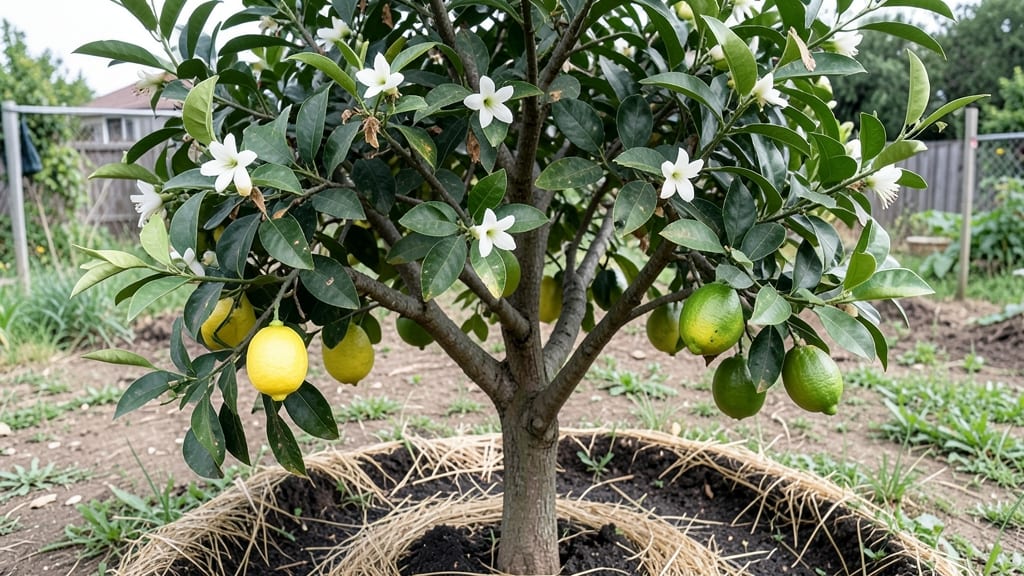
Looking after citrus trees means waking up to glossy leaves and fragrant blossoms year after year—if you nail the basics. 🌿 I’ve had my Meyer lemon tree survive winters in Zone 7 by mastering just three critical habits: watering, sunlight, and winter protection.
Most people overcomplicate it, but citrus thrives when you mimic its Mediterranean roots—bright light, well-draining soil, and a little TLC during dormancy.
The real secret isn’t fancy tools or expensive soil—it’s consistency. You’ll need a pot with drainage holes (or well-amended ground soil), a balanced citrus fertilizer, and a sharp pair of pruners. Citrus trees hate soggy roots but love deep watering—once a week in summer, less in winter.
And yes, even indoor trees need 6+ hours of direct sunlight daily—a south-facing window won’t cut it unless you supplement with grow lights.
By spring, you’ll see thick new growth and buds forming for next year’s harvest. The tree’s scent alone—especially when you brush past the leaves—is enough to make you forget the winter blues.
Prune only to shape or remove dead wood, and watch as the tree rewards you with bright yellow fruit by fall, even in containers.
Works for lemons, oranges, limes, and grapefruit—indoor or outdoor, as long as you protect them from frost. Here’s how to keep yours alive (and producing) for decades.
📚 In This Guide
- What you need
- Instructions
- Tips and common mistakes
- Wrapping up and next steps
What you need
- ● Citrus tree: Choose between dwarf varieties (3–6 ft tall) for containers or standard types (10–15 ft) for in-ground planting. Popular picks: Meyer lemon, Calamondin orange, or Satsuma mandarin.
- ● Well-draining potting mix: 5–10 gallons (for containers) or native soil amended with compost (20–30%) and perlite/sand (10–20%) for in-ground planting.
- ● Pot (if container-grown): Minimum 15–20 gallons for dwarf trees, with drainage holes. Terracotta or fabric pots work best.
- ● Fertilizer: Balanced citrus fertilizer (6-6-6 or 8-3-9): 1–2 tbsp per month during growing season (spring–fall).
- ○ Citric acid or Epsom salt: 1 tsp/month to prevent deficiency (optional but helpful).
- ● Watering can or hose: With a gentle spray nozzle to avoid damaging leaves.
- ● Pruning shears: Sharp, bypass-style (avoid anvil shears to prevent crushing).
- ● Mulch: Wood chips or straw (2–3 inches deep) to retain moisture and regulate soil temp.
- ○ Support stakes (optional): For young trees in windy areas—use 3–4 ft bamboo stakes with soft ties.
- ● Citrus-specific pest control: Neem oil (2 tsp/gallon water) or horticultural oil for aphids/mites.
- ● pH test kit: Ideal soil pH for citrus: 6.0–7.0 (adjust with lime if too acidic).
- ● Drip irrigation system: Automates watering for consistency (great for containers).
- ● Tree collar protector: Plastic guard to prevent sunscald on young trunks.
- ● Citrus fruit thinners (if overproducing): Prune excess fruit to 6–8 inches apart for larger, sweeter citrus.
Step-by-Step instructions for caring for citrus trees
Here's the straightforward routine I follow to keep my citrus trees lush and productive.
☀️ Step 1: Position for Maximum Sunlight
Citrus trees thrive in full sun—place yours where it gets at least 6-8 hours of direct sunlight daily. A south-facing window or patio works for container trees, while in-ground plants need even more light. I always check the sunniest spot in my yard first—citrus leaves will yellow if they're not getting enough light.
If you're growing indoors, supplement with a grow light 12-14 hours a day. You'll notice leaves stretching toward the light? That's a sign your tree needs more brightness. Rotate the pot every few days so the tree grows evenly instead of leaning.
💧 Step 2: Water Deeply and Consistently
Water your citrus tree when the top 2-3 inches of soil feel dry to the touch. Stick your finger in the soil—if it's dry at that depth, it's time to water. Overwatering is the #1 killer of citrus trees, so always let excess water drain away completely. I use a watering can with a long spout to reach the roots without disturbing the soil.
In hot summer months, you may need to water every 2-3 days, while winter watering can drop to once a week. Watch the leaves—if they start curling or dropping, you're either underwatering or overwatering. A happy citrus tree has firm, glossy leaves that don't wilt easily.
✂️ Step 3: Prune for Shape and Airflow
Prune your citrus tree in late winter or early spring before new growth begins. Remove any dead, diseased, or crossing branches first—these are easy to spot as they'll be brown, brittle, or growing inward. I always sterilize my pruning shears with rubbing alcohol between cuts to prevent spreading disease.
Next, shape the tree by cutting back any branches that are growing too close together. Aim for an open center that allows sunlight and air to reach all parts of the tree. Never remove more than 25% of the tree's foliage in one pruning session—citrus trees are sensitive to heavy pruning.
🌱 Step 4: Feed with Citrus-Specific Fertilizer
Use a citrus-specific fertilizer every 4-6 weeks during the growing season (spring through fall). I like to use a slow-release granular fertilizer mixed into the top inch of soil. In winter, when the tree is dormant, skip fertilizing entirely—this helps prevent root burn and encourages healthy spring growth.
You'll see the difference in just a few weeks—leaves will turn a deeper green, and new growth will appear more vigorous. If you notice yellow leaves with green veins, that's a classic sign of iron deficiency. In that case, switch to a fertilizer with chelated iron for a few applications until the problem clears.
🪴 Step 5: Protect from Pests and Cold
Check your citrus tree regularly for common pests like aphids, scale, or spider mites. I like to spray the undersides of leaves with a strong stream of water first—this often dislodges soft-bodied pests. For stubborn infestations, use an insecticidal soap or neem oil solution applied in the evening when bees aren't active.
If you live in a cold climate, bring container trees indoors before temperatures drop below 40°F. Place them near a sunny window but keep them away from drafts. For in-ground trees, wrap the trunk with burlap or use a tree wrap to protect from winter sunscald. You'll know your tree is cold-hardy when it drops leaves naturally in winter and regrows them in spring.
Tips & tricks for perfect citrus tree care
Citrus trees might seem high-maintenance, but a few key tricks make all the difference between a struggling plant and a thriving one.
Sunlight Strategy: In Step 1, when positioning your tree, remember that citrus trees need more sunlight than most other plants. If you notice leaves turning yellow or stretching toward the light, it's a clear sign your tree needs more of those 6-8 hours of direct sunlight daily. For indoor trees, invest in a quality grow light on a timer—those 12-14 hours make a huge difference in leaf health and fruit production.
Watering Wisdom: The finger-in-the-soil test in Step 2 is your best friend. But here's what nobody tells you: citrus trees actually prefer slightly drier soil than most plants. Let that top 2-3 inches dry out completely between waterings, especially in winter. Overwatering causes root rot faster than you'd think, and those 2-3 days in summer? That's a maximum—check daily if your tree shows signs of thirst like wilting leaves.
Pruning Precision: When you're shaping your tree in Step 3, focus on creating that open center. I like to make my cuts just above a leaf node where new growth can sprout. And here's my secret: always prune on a dry day. Wet leaves make it harder to spot pests and diseases, which you definitely don't want to accidentally spread when sterilizing your shears.
Fertilizer Finesse: That 4-6 week feeding schedule in Step 4 works wonders, but timing matters. I start fertilizing in early spring when I see new growth appear, and stop completely by late fall. Pro tip: mix your fertilizer with a little water first to create a slurry—this helps distribute it evenly without clumping in the soil.
Pro Tips for Look After Citrus Trees
- Citrus trees might seem high-maintenance, but a few key tricks make all the difference between a struggling plant and a thriving one.
- Sunlight Strategy: In Step 1, when positioning your tree, remember that citrus trees need more sunlight than most other plants.
- Watering Wisdom: The finger-in-the-soil test in Step 2 is your best friend.
Frequently asked questions
Got questions about citrus tree care? You’re not alone! Here are some of the most common concerns—and straightforward answers to keep your trees happy and fruitful.
What’s the best temperature range for citrus trees?
Citrus trees thrive in warm climates (60–85°F), but most varieties tolerate brief dips to 28°F if protected. In colder zones, grow them in containers and move them indoors or under cover during winter. Pro tip: Avoid sudden temperature swings, which can stress the tree.
When should I prune my citrus tree?
Prune late winter or early spring (before new growth starts) to shape the tree and remove dead/diseased branches. Avoid heavy pruning in summer, as it can stress the tree. Pro tip: Sterilize pruners with rubbing alcohol to prevent bacterial infections.
How often should I water my citrus tree?
Water deeply 1–2 times per week (more in extreme heat), ensuring moisture reaches the roots (6–12 inches down). Overwatering is worse than underwatering—let the top inch of soil dry out between waterings. Pro tip: Mulch around the base to retain moisture and regulate soil temperature.
What pests should I watch for, and how do I treat them?
Common pests include aphids, scale, and citrus leaf miners. Treat mild infestations with neem oil or insecticidal soap. For severe cases, consult a local nursery for targeted solutions. Pro tip: Inspect leaves regularly—early detection makes treatment easier!
Can I grow citrus trees in containers? If so, what size pot do I need?
Yes! Citrus trees adapt well to containers, but choose a pot at least 12–18 inches wide with drainage holes. Dwarf varieties (like ‘Calamondin’) need smaller pots (10–12 inches), while standard trees require larger ones. Pro tip: Repot every 2–3 years to refresh soil and accommodate root growth.
Why aren’t my citrus tree’s fruits ripening?
Fruits may fail to ripen due to insufficient sunlight, overwatering, or nutrient deficiencies. Ensure the tree gets 6+ hours of sun daily and fertilize with citrus-specific food in spring and summer. Pro tip: Thinner fruits early on (remove excess) to encourage larger, sweeter ones.
Wrapping up and next steps
Looking after citrus trees is a rewarding journey that brings vibrant blooms, fragrant blossoms, and delicious fruit to your space! By following the right care steps—from sunlight and watering to pruning and pest control—you’ll set your tree up for long-term success. 🌿✨
Now that you’re armed with pro tips, why not take the next step? Start small—plant a lemon, lime, or orange tree today and watch your green thumb grow! Whether you’re a beginner or a seasoned gardener, every citrus tree thrives with love and attention.