Pruning
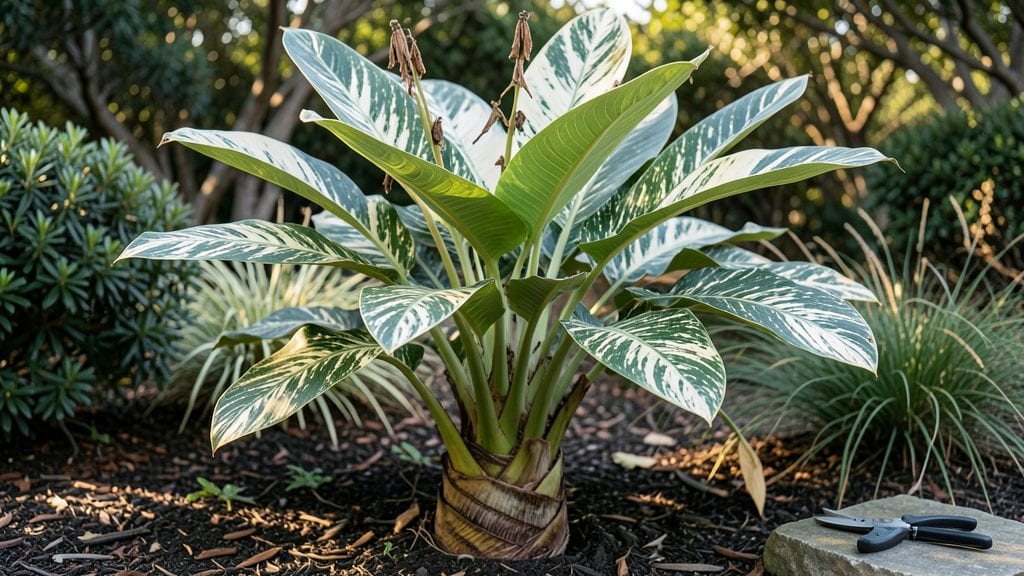
Growing an ice cream banana tree in the Pacific Northwest is like bringing a taste of the tropics to your yard—its creamy, vanilla-scented fruit and bold foliage make it a standout.
The secret to success here isn’t just the planting; it’s the frost-resistant pruning that keeps this tropical stunner thriving through our chilly winters. I’ve grown mine through three PNW seasons, and the key was learning when to trim back the fronds before the first frost hits.
This isn’t your average banana tree—it’s hardier, more adaptable, and actually produces edible fruit that tastes like sweet custard. You’ll need well-draining soil, a spot with morning sun and afternoon shade, and a little extra care during winter to protect the trunk.
The pruning schedule is where most gardeners trip up, but once you master it, you’ll have a tree that looks lush year-round and rewards you with harvests by late summer.
Imagine slicing into that creamy, vanilla-infused fruit right from your garden, or admiring its massive, architectural leaves even when everything else is dormant.
With the right approach, you’ll harvest 3-5 pounds of fruit per tree in its second year, and the tree itself becomes a conversation piece that outshines any ornamental shrub. The frost-resistant techniques I’ll share let you push its limits without risking winter damage.
Whether you’re growing it in containers for winter protection or planting it in-ground with mulch, the principles are the same: prune strategically, protect the trunk, and feed it rich soil.
Even in our damp, cool climate, this tree thrives—and once you taste that ice cream-like fruit, you’ll never want to grow a regular banana again.
📚 In This Guide
- What you need
- Instructions
- Tips and common mistakes
- Wrapping up and next steps
What you need
- ● Ice Cream Banana Plant: 1 mature plant (or 1-3 pups from an established tree) – ensure it’s labeled frost-resistant for PNW climates!
- ● Well-draining soil mix: 50% native soil + 50% compost or coconut coir (avoid heavy clay)
- ● Organic mulch: 2-3 inches of straw, wood chips, or pine needles (to insulate roots)
- ● Support stake: 1-2 bamboo or metal stakes (6+ feet tall) for trunk stability
- ● Balanced fertilizer: 10-10-10 or organic options like fish emulsion (apply sparingly in spring)
- ● Pruning shears: Sharp, sterilized shears (for removing dead fronds or sucker growth)
- ● Gloves: Heavy-duty gardening gloves (banana pseudostems have sharp edges!)
- ● Disinfectant: 70% isopropyl alcohol or diluted bleach (to prevent disease spread)
- ● Watering can or hose: With a gentle spray nozzle (bananas hate soggy roots!)
- ● Frost cloth or row covers (for young plants in Zone 7-8 winters)
- ● Slow-release fertilizer tablets (for nutrient boosts)
- ● Soil thermometer (to monitor root warmth—ideal: 70-85°F)
- ● Compost tea (for a microbial soil boost)
Step-by-step guide to planting and pruning ice cream banana trees in the Pacific Northwest
Here's how to establish and maintain these tropical-looking plants in cooler climates—without losing them to frost.
🌱 Step 1: Choose the Right Location and Planting Time
The ice cream banana (Musa basjoo) thrives in USDA zones 5-9, making it perfect for the Pacific Northwest's mild winters. Plant in late spring after the last frost date—typically mid-May to early June in most PNW regions. This timing ensures the roots establish before fall temperatures drop.
Select a sheltered spot near a south-facing wall or fence, where it can benefit from reflected warmth. Avoid low-lying areas where cold air pools. The plant's large leaves generate heat, so positioning it against a dark-colored wall can add 5-10°F of protection during light frosts. Amend the soil with 3-4 inches of compost to improve drainage and fertility—ice cream bananas hate soggy roots.
🪴 Step 2: Plant with Proper Spacing and Mulching
Dig a hole twice as wide as the root ball but only as deep—planting too deep suffocates the roots. Space multiple plants 6-8 feet apart to allow their broad leaves room to spread. The ice cream banana's pseudostems grow 6-10 feet tall, so give it vertical clearance too.
Backfill with native soil mixed with 1-2 inches of perlite to prevent compaction. Water deeply after planting to settle the soil, then apply a 3-inch layer of straw mulch around the base. This mulch acts as insulation, protecting roots from temperatures down to 10°F during brief cold snaps. Replenish mulch annually in early spring to maintain protection.
✂️ Step 3: Prune for Winter Hardiness and Spring Growth
In late winter (February), cut back the pseudostems to 4-6 inches above ground level using clean, sharp pruners. This aggressive pruning forces new, cold-hardy shoots to emerge in spring. Never prune in fall—new growth won't harden off before winter. After pruning, apply a thick layer of leaf mold or wood chips over the root zone for extra insulation.
Remove any yellowed or damaged leaves throughout the growing season to improve airflow and reduce disease risk. The ice cream banana's large leaves can trap moisture, creating conditions for fungal issues. In September, reduce watering gradually to harden off the plant for winter—aim for soil that's dry 2-3 inches deep before the first frost.
☀️ Step 4: Protect During Heavy Freezes and Monitor Growth
When temperatures drop below 20°F, cover the plant with frost cloth or burlap secured with stakes. Avoid plastic sheets—they trap moisture and can cause rot. For prolonged cold snaps, build a temporary frame over the plant and fill it with straw or dry leaves for insulation. Most ice cream bananas survive down to 10°F with proper protection, but extended sub-zero temps will kill the foliage.
In early spring (March), remove winter protection as soon as new shoots appear. Fertilize lightly with balanced 10-10-10 when leaves reach 6-8 inches tall—too much nitrogen early in the season leads to weak, frost-sensitive growth. Watch for pseudostems splitting in wet springs; this indicates poor drainage. If you see this, add 1-2 inches of gravel to the soil surface to improve aeration.
Tips & tricks for growing ice cream banana trees in the Pacific Northwest
Mastering ice cream banana care in the PNW takes strategic planning—here are my battle-tested tips for thriving tropical plants in cooler climates.
Location is Everything: That south-facing wall isn't just for aesthetics—it provides critical reflected warmth during those critical 10°F cold snaps. I've seen plants positioned against dark-colored walls survive 5°F colder than those in open areas. Pro tip: Test your wall's heat retention by touching it on a sunny winter afternoon—it should feel noticeably warmer than surrounding surfaces. Avoid west-facing walls where afternoon sun can overheat roots in summer.
Pruning Precision Matters: When you cut back those pseudostems in February, aim for 4-6 inches above ground level—any lower risks exposing the crown to frost, while higher cuts delay spring regrowth. Use clean, sharp pruners to prevent disease transmission between cuts. I always sterilize my tools with rubbing alcohol between plants, and I've found that making angled cuts just above a leaf node encourages faster regrowth. Never prune in fall—new growth simply won't harden off before winter.
Mulching Strategy for Year-Round Protection: The 3-inch straw mulch you apply after planting serves double duty—it insulates roots in winter while suppressing weeds in summer. For extra protection in your first winter, I recommend doubling the mulch thickness (to 6 inches) around newly planted specimens. In spring, remove only the top layer to reveal fresh mulch underneath, maintaining continuous protection. That 10°F survival threshold becomes much more achievable with this layered approach.
Frost Protection Hacks: When temperatures drop below 20°F, I've found that combining frost cloth with a layer of bubble wrap underneath creates an insulating sandwich that can extend protection down to 5°F for brief periods. For prolonged cold snaps, build your temporary frame slightly taller than the plant's height—this creates a microclimate that traps heat more effectively. Always secure covers with stakes or bricks to prevent wind damage, which can tear protective layers and expose vulnerable foliage.
Pro Tips for Icecream Banana Tree
- Mastering ice cream banana care in the PNW takes strategic planning—here are my battle-tested tips for thriving tropical plants in cooler climates.
- Location is Everything: That south-facing wall isn't just for aesthetics—it provides critical reflected warmth during those critical 10°F cold snaps.
- Pruning Precision Matters: When you cut back those pseudostems in February, aim for 4-6 inches above ground level—any lower risks exposing the crown to frost, while higher cuts delay spring regrowth.
Frequently asked questions
Got questions about growing and pruning your ice cream banana tree in the Pacific Northwest? You’re not alone! Here are some of the most common queries—and their answers—to help you keep your tree thriving, even when frost rolls in.
Can ice cream banana trees survive PNW winters?
Yes! While they’re tropical, Musa basjoo (the ice cream banana) is the hardiest banana variety, tolerating temps down to 15–20°F (-9 to -7°C). In the PNW, protect young trees with mulch or frost cloth until established (3+ years). Older trees often bounce back with minimal damage—just prune dead fronds in spring.
How often should I prune my ice cream banana tree?
Prune once a year in early spring (before new growth starts) to remove dead, yellow, or damaged fronds. Cut 1–2 feet below the base of the pseudostem to encourage new shoots. Never prune more than 1/3 of the plant at once—this can stress it. Pro tip: Sterilize tools with rubbing alcohol to prevent disease!
What do I do if my tree gets frost damage?
Frost can blacken leaves, but don’t panic! Wait until spring to assess damage—some fronds may recover. If the pseudostem (trunk) is mushy or oozing, the tree is likely dead. For partial damage, trim dead fronds 6+ inches below the damage and fertilize lightly in spring. Pro tip: Wrap young trunks in burlap or bubble wrap for extra protection.
Will my ice cream banana tree produce edible bananas in the PNW?
Technically yes, but they’re not the sweet, creamy bananas you’d buy in a store—they’re starchy, bland, and high in fiber (hence the "ice cream" nickname for their texture when cooked). Focus on growing it for ornamental value, shade, and tropical vibes! If you’re set on edible bananas, try Musa acuminata varieties in containers (they’re less cold-hardy).
Can I grow an ice cream banana tree in a pot?
Containers work well for young trees or small spaces
—just use a 5+ gallon pot with drainage holes and a well-draining mix (60% potting soil, 30% perlite, 10% compost). Move pots indoors or to a garage when temps drop below 30°F (-1°C). Warning: Root-bound trees grow slower and may need winter protection.
What’s the best alternative if I want a frost-resistant banana?
If Musa basjoo doesn’t suit your climate, try these PNW-friendly alternatives:
- Dwarf Cavendish (Musa acuminata ‘Dwarf Cavendish’) – Edible but needs container overwintering.
- Red Dwarf Banana (Musa velutina) – Stunning red stems, hardy to 20°F (-7°C).
- Ornamental Plantain (Musa ornata) – Cold-hardy with purple-black fruit (inedible).
All three are slower-growing than ice cream bananas but far more resilient!
Wrapping up and next steps
Growing an ice cream banana tree in the Pacific Northwest is totally doable—especially with frost-resistant pruning techniques! 🌱 By choosing the right variety, mastering seasonal trims, and protecting your plant from cold snaps, you’ll enjoy sweet, creamy bananas year after year.
Whether you’re a beginner or a seasoned gardener, your green thumb is ready for this tropical treat.
Now that you’re armed with pruning secrets and troubleshooting tips, take the next step! Start with a young plant, mark your pruning calendar, and watch your ice cream banana tree thrive. Happy growing—and get ready to savor those delicious, frost-proof rewards! 🍌✨