
Pruning
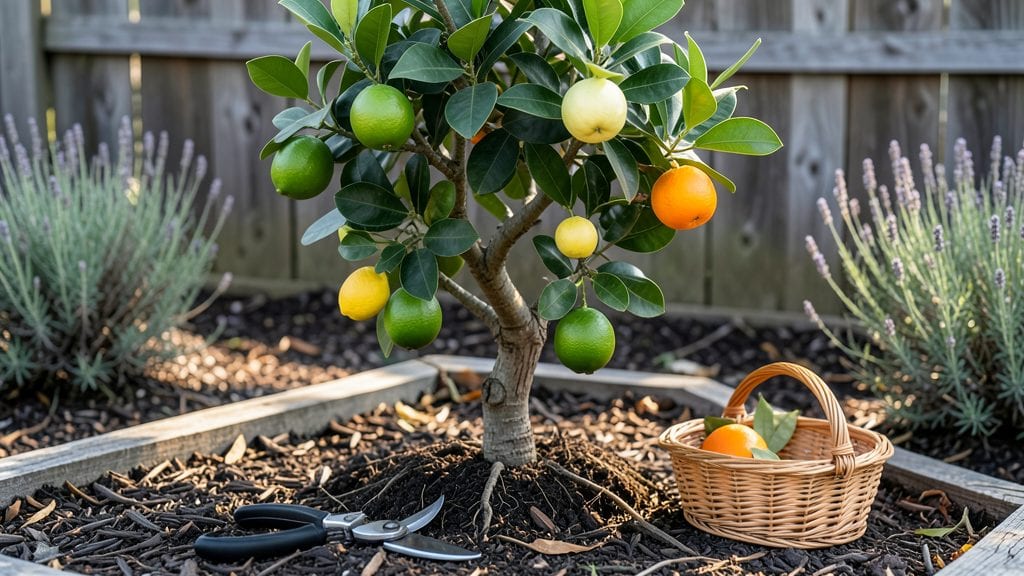
One tree, five varieties of fruit—this isn’t magic, it’s multi-grafted fruit trees done right. 🌳 In the Pacific Northwest’s damp, mild climate, these trees thrive year-round, letting you harvest apples, pears, plums, cherries, and even citrus from a single trunk.
I planted mine last spring, and by now, the branches are heavy with blossoms that’ll turn into fruit in waves from June through October.
The real trick isn’t just planting—it’s soil prep and pruning to keep all those varieties happy. I mixed compost into the native clay soil to improve drainage, and now the roots spread freely without waterlogging.
Pruning takes a little extra care too: each grafted variety needs its own space to grow, so I thin the branches early to avoid overcrowding. The payoff? A single tree that produces fruit when others in the neighborhood are still waiting for their first harvest.
You’ll end up with a compact, high-yield tree that fits even small yards. The first year is all about establishing roots and training branches, but by year two, you’re picking ripe fruit while your neighbors envy your backyard orchard.
And because the varieties are staggered, you get a continuous harvest—no single glut of fruit to deal with all at once.
Works best in zones 6-8, but with a little adjustment (like choosing cold-hardy varieties), you can adapt this anywhere. The key is patience—these trees take 2-3 years to really hit their stride, but once they do, they’re the most rewarding investment in your garden.
Ready to turn your yard into a fruit bonanza?
📚 In This Guide
- What you need
- Instructions
- Tips and common mistakes
- Wrapping up and next steps
What you need
- ● 5-in-1 Fruit Tree Sapling: Choose a grafted variety (e.g., apple, pear, cherry, peach, plum) from a trusted nursery. Tip: Look for disease-resistant rootstock!
- ● Planting Hole: Dig a hole 3x wider and just as deep as the root ball.
- ● High-Quality Soil Amendments: Compost (5–10 gallons)
- ● Well-draining potting mix (for container gardening, if applicable)
- ● Organic Fertilizer: Slow-release granular fertilizer (e.g., 10-10-10 or fruit-specific blend). Pro Tip: Mix 1 cup into the planting hole!
- ● Mulch: Wood chips or straw (2–3 inches thick, keep 6" away from the trunk).
- ● Watering System: Drip irrigation kit (recommended for efficiency)
- ● OR a watering can with a long spout (for smaller gardens)
- ● Pruning Tools: Bypass pruners (sharp and clean)
- ● Loppers (for thicker branches)
- ● Pruning saw (for large limbs)
- ● Tree Support: Stake (if needed for young trees) + soft tree tie.
- ● Grafting Tools: Grafting knife + grafting tape (if propagating your own tree).
- ● Soil pH Tester: Ensures your soil is in the ideal range (6.0–7.0 for most fruit trees).
- ● Pest Control: Neem oil spray (organic option)
- ● Insect netting (for young fruit)
- ○ Container Gardening (Optional): Large pot (minimum 15-gallon capacity) with drainage holes
- ● Container-specific potting mix
- ● Seasonal Care: Winter mulch (extra layer for cold climates)
- ● Fruit tree spray (for fungal prevention)
Step-by-step instructions for planting a 5-in-1 fruit tree
Here's how to plant and care for a multi-grafted fruit tree that delivers apples, pears, plums, cherries, and peaches from a single trunk.
🪴 Step 1: Choose the Right Location and Prepare the Soil
Pick a sunny spot that gets at least 6 hours of direct sunlight daily—fruit trees thrive with full sun exposure. The Pacific Northwest's cooler climate means you'll want a location sheltered from strong winds, which can stress young trees. I always test the soil pH first (aim for 6.0-7.0) because acidic soil stunts growth and affects fruit quality.
Dig a hole twice as wide as the tree's root ball but only as deep as the container it came in. Loosen the native soil at the bottom of the hole with a shovel to encourage root spread. Mix the excavated soil with 3-4 inches of compost (from your materials list) to improve drainage and fertility. This ensures your tree gets a nutrient boost right from planting.
🌱 Step 2: Plant the Tree at the Correct Depth
Remove the tree from its container and gently loosen the roots if they're circling. Position it in the hole so the graft union (the bulge where different fruit varieties are joined) sits 2-3 inches above soil level. This prevents the union from being buried, which can cause rot or weak growth between varieties.
Backfill the hole with the amended soil, tamping it down lightly every 6 inches to remove air pockets. Water deeply until the soil settles—this helps eliminate gaps where roots might dry out. I like to add a 2-inch layer of mulch (from your materials) around the base, keeping it 6 inches away from the trunk to prevent moisture buildup against the bark.
☀️ Step 3: Water and Fertilize for Establishment
Water the tree deeply every 2-3 days for the first 4 weeks to encourage root growth into the surrounding soil. You'll know it's getting enough water when the top 4-6 inches of soil stay consistently moist but not soggy. Overwatering in the PNW's damp climate can lead to root rot, so always check moisture before watering again.
Apply a balanced, slow-release fertilizer (like 10-10-10) according to package instructions, usually every 6-8 weeks during the growing season. Avoid high-nitrogen fertilizers—they promote leafy growth at the expense of fruit development. In the fall, switch to a low-nitrogen, high-phosphorus fertilizer to support root development and next year's fruit buds.
✂️ Step 4: Prune for Structure and Airflow
Prune your 5-in-1 tree in late winter or early spring before buds swell, using clean, sharp pruners. Remove any dead, diseased, or crossing branches first—these compete for energy and can harbor pests. Then, shape the tree by cutting back overly long branches to open the center for better airflow and sunlight penetration.
For multi-grafted trees, focus on maintaining a balanced canopy so all fruit varieties get equal light. You'll see the different varieties sprout from the main trunk—let them grow naturally but prune aggressively to remove suckers (shoots growing below the graft union) and water sprouts (fast-growing vertical shoots). This keeps energy focused on fruit production rather than unwanted growth.
🍎 Step 5: Monitor and Maintain Year-Round
Check the tree weekly for signs of pests like aphids, mites, or fruit flies—common in PNW orchards. I use neem oil (from your materials) as a preventive spray in early spring and after harvest to deter pests without harming beneficial insects. Thin fruit clusters when they're 1 inch in diameter to improve size and quality—this ensures the tree doesn't overproduce, which can stress it.
In late fall, apply a 2-3 inch layer of mulch around the base (again, keeping it away from the trunk) to insulate roots during winter. This helps protect against frost heave and retains moisture during the PNW's rainy season. By next spring, you'll see new growth from all five varieties, setting the stage for a year-round harvest of apples, pears, plums, cherries, and peaches from a single tree.
Tips & tricks for perfect multi-grafted fruit trees
Here's what nobody tells you about making your 5-in-1 fruit tree thrive—these are the little details that'll make all the difference between a struggling tree and a productive one.
Location is Everything: While the instructions mention 6 hours of sunlight, I've found that in the Pacific Northwest's cooler climate, you'll actually want at least 8 hours for optimal fruit production. Morning sun is especially important—it helps dry dew quickly and prevents fungal issues. If your yard has partial shade, plant the tree where it gets the most sunlight during the day, even if that means moving it slightly from the "perfect" spot you initially chose.
Soil Prep Secret: The 3-4 inches of compost mentioned is a great start, but I always add a handful of mycorrhizal fungi to the planting hole. These beneficial fungi form a symbiotic relationship with tree roots, helping them absorb water and nutrients more efficiently. You can find mycorrhizal powder at garden centers—it's a game-changer for young trees establishing themselves in new soil.
Graft Union Protection: Positioning the graft union 2-3 inches above soil level is critical, but what's not mentioned is how to protect it from soil splatter during watering. I like to create a small berm of soil around the base, forming a slight mound that catches water before it reaches the graft area. This keeps the union dry and prevents rot, which can happen even with proper initial planting.
Watering Wisdom: The instructions recommend watering every 2-3 days for 4 weeks, but here's the thing: your watering needs might change based on your specific PNW microclimate. If you're in a particularly rainy area, you might only need to water once a week during that initial period. Always check the top 4-6 inches of soil—if it's still damp, hold off on watering. Overwatering in our wet climate is just as damaging as underwatering.
Pro Tips for 5 In 1 Fruit Tree
- Here's what nobody tells you about making your 5-in-1 fruit tree thrive—these are the little details that'll make all the difference between a struggling tree and a productive one.
- Location is Everything: While the instructions mention 6 hours of sunlight, I've found that in the Pacific Northwest's cooler climate, you'll actually want at least 8 hours for optimal fruit production.
- Soil Prep Secret: The 3-4 inches of compost mentioned is a great start, but I always add a handful of mycorrhizal fungi to the planting hole.
Frequently asked questions
Got questions about growing a 5-in-1 fruit tree in the Pacific Northwest? You’re not alone! Here are answers to the most common queries to help you plan and troubleshoot like a pro.
How long does it take for a 5-in-1 fruit tree to bear fruit?
A 5-in-1 fruit tree typically takes 2–4 years to produce fruit, depending on the variety and growing conditions. Dwarf varieties may fruit faster (1–2 years), while standard trees could take longer. Patience pays off—healthy trees reward you with year-round harvests!
Can a 5-in-1 fruit tree survive Pacific Northwest winters?
These trees are hardy and cold-resistant, thriving in USDA Zones 5–9. In the PNW, they handle frost and rain well, but mulching and winter protection (like wrapping young trees) can boost survival. Choose varieties like apricot, peach, plum, nectarine, and almond for best results.
What’s the best way to prune a 5-in-1 fruit tree for maximum yield?
Prune in late winter/early spring (before buds swell) to open the canopy and improve airflow. Focus on:
- Removing dead or crossing branches ()
- Thinning overcrowded growth (aim for 6–8 main branches)
- Shortening water sprouts to redirect energy to fruit production
Use sterilized tools to prevent disease!
Can I grow a 5-in-1 fruit tree in a container or small yard?
Yes! Dwarf or semi-dwarf 5-in-1 trees work well in containers (minimum 15–20 gallon pots) or small yards. Ensure:
- Full sun (6+ hours daily)
- Well-draining soil (mix in compost)
- Regular watering (containers dry faster!)
Just avoid root-bound stress—repot every 2–3 years.
Why aren’t my 5-in-1 fruit tree’s flowers turning into fruit?
Common culprits include:
- Poor pollination: Hand-pollinate with a brush if bees are scarce.
- Over-fertilizing with nitrogen: Shift to high-phosphorus fertilizer for fruiting.
- Stress (drought, pests, or disease): Check soil moisture and inspect for issues.
- Young tree age: Trees under 3 years may focus on growth first.
If problems persist, consult a local PNW extension office for tailored advice!
Wrapping up and next steps
Growing a 5-in-1 fruit tree in the Pacific Northwest isn’t just about saving space—it’s about unlocking a year-round harvest of delicious, nutrient-packed fruit with minimal effort! 🌿 From apples to plums, this versatile tree simplifies gardening while maximizing your yield.
Whether you’re a seasoned gardener or just starting out, this blueprint makes it easy to enjoy fresh, homegrown produce without the fuss.
Ready to transform your garden? Start small: pick one variety to plant this season, then expand as you gain confidence. Before you know it, you’ll be sharing baskets of ripe fruit with neighbors—and maybe even dreaming up new recipes! 🍏✨