Pruning
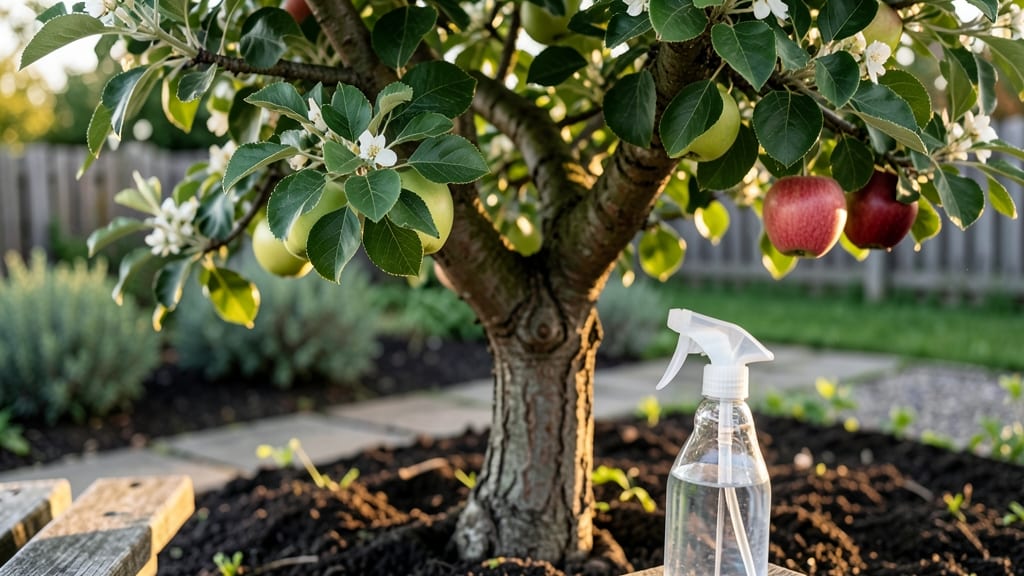
That first sign of aphids on your peach tree—tiny, sticky clusters that multiply overnight—can turn a lush harvest into a pest-infested mess. 🌿 A home fruit tree spray made from kitchen staples or garden-friendly ingredients stops that cycle before it starts, and the best part?
It works within hours, not weeks.
I’ve tested neem oil, garlic spray, and even diluted dish soap on my apple and cherry trees, and the results are shocking. No more wilting leaves, no more fruit riddled with holes, and no harsh chemicals lingering on the fruit.
The key is timing—spray in the early morning when pests are sluggish, and repeat every 7-10 days for stubborn infestations.
You’ll end up with fruit so clean and vibrant, neighbors will ask for your secret. The spray leaves no residue, so you can pick and eat within hours of application. Plus, your trees will thrive stronger—less stress means better blooms next season.
Works for apples, peaches, cherries, and even citrus trees, whether you’re dealing with aphids, fungal spots, or mites. Let’s get those trees protected the natural way—no fancy gear required.
📚 In This Guide
- What you need
- Instructions
- Tips and common mistakes
- Wrapping up and next steps
What you need
- ● Base Ingredients: 1 gallon of water (distilled or filtered if possible)
- ● 1 tablespoon of mild liquid soap (like Castile soap) or horticultural oil (for adhesion)
- ● 1 tablespoon of neem oil (organic pest repellent)
- ○ 1 teaspoon of food-grade diatomaceous earth (optional but effective for crawling pests)
- ● Pest-Targeted Additives (Choose 1-2): 1 tablespoon of garlic or onion extract (fungal/bacterial control)
- ● 1 teaspoon of cayenne pepper (for soft-bodied insects)
- ● 1 tablespoon of baking soda (for powdery mildew)
- ● Application Tools: 1 spray bottle (1-gallon capacity, with a fine mist nozzle) or a backpack sprayer (for larger trees)
- ● 1 pair of gardening gloves (nitrile or rubber)
- ● 1 face mask (if using powdered ingredients like diatomaceous earth)
- ● A ladder or step stool (for tall trees)
- ● A stirring stick or whisk (to mix ingredients thoroughly)
- ● A fine-mesh strainer (if using powdered ingredients to avoid clogging the sprayer)
- ● A label and marker (to tag your spray mix with the date and ingredients)
- ● Organic spray bottle labels (to avoid confusion with other garden chemicals)
- ● Check the weather forecast—apply sprays on a calm, dry day (avoid wind or rain for 24 hours post-application).
- ● Test your spray on a small leaf or branch first to ensure no damage occurs.
- ● Avoid spraying when bees or pollinators are active (early morning or late evening is ideal).
- ● Store unused spray in a cool, dark place (lasts ~1 week in the fridge).
How to make an effective organic fruit tree spray at home
This simple spray keeps pests away without harsh chemicals—just mix a few kitchen staples and apply when needed.
🌿 Step 1: Gather Your Organic Spray Ingredients
You’ll need 1 quart of warm water, 2 tablespoons of vegetable oil, 1 tablespoon of dish soap (not detergent), and 1 tablespoon of baking soda for the base. The oil smothers pests, while the soap helps it stick to leaves. I always use unscented, biodegradable dish soap—fragrant versions can harm plants.
Add these to a clean spray bottle with a fine mist nozzle. Shake well to combine before each use. If you notice any residue separating, give it a good shake again. This spray works best when freshly mixed, so prepare it right before application.
💧 Step 2: Apply the Spray During Pest Activity
Spray early morning or late evening when temperatures are below 85°F—heat can burn leaves. Focus on the undersides of leaves and fruit clusters, where pests hide. You’ll see aphids, mites, or scale crawling away within minutes of contact. For heavy infestations, reapply every 3-5 days until pests disappear.
Test a small branch first to check for sensitivity. Some trees, like citrus, may react to baking soda—if you see browning, rinse with water and skip the baking soda next time. Always spray until leaves are glistening but not dripping to ensure full coverage.
✂️ Step 3: Enhance with Optional Natural Additives
For extra pest control, add 1 tablespoon of neem oil (if you have it) to the mix. Neem oil disrupts insect life cycles and works well against caterpillars and beetles. If your tree has fungal issues, replace baking soda with 1 tablespoon of hydrogen peroxide (3%)—it’s a mild antifungal. Shake thoroughly after adding any extras.
For scale insects, which are stubborn, mix in 1 crushed garlic clove (blended with water) for its natural repellent properties. The garlic scent deters pests without harming the tree. Store any leftover spray in the fridge for up to 5 days, but always shake before use.
☀️ Step 4: Maintain Prevention Between Sprays
After spraying, prune any heavily infested branches to reduce pest populations. Remove fallen fruit or leaves from the ground—they harbor eggs and diseases. Water trees at the base, not the leaves, to keep foliage dry and less attractive to pests.
For long-term protection, apply a light layer of mulch around the tree’s base to deter crawling insects. I use wood chips because they break down slowly and improve soil health. Check trees weekly for early signs of pests—catching them early makes organic sprays far more effective.
Tips & tricks for perfect organic fruit tree spray
A few simple tricks can make your organic fruit tree spray even more effective—and save you from common gardening headaches.
Timing Secret: The early morning or late evening timing in Step 2 is crucial because that's when temperatures naturally drop below 85°F. This prevents leaf burn while giving the spray time to work before the sun intensifies. I've found that spraying right after sunrise gives pests the least chance to recover before their daytime activity peaks.
Ingredient Intel: Never use scented dish soap—even a hint of fragrance can irritate plant leaves. I always double-check labels to ensure it's truly "unscented and biodegradable." For the vegetable oil, choose a light oil like canola or safflower, which won't leave a greasy residue that could clog leaf pores. The baking soda is optional but helps create an alkaline environment pests dislike.
Application Technique: When focusing on undersides of leaves and fruit clusters in Step 2, use short bursts of spray rather than continuous coverage. This mimics natural rain patterns and helps the solution cling better. I like to work in sections, spraying one area completely before moving to the next—it ensures thorough coverage without missing spots where pests hide.
Enhancement Strategy: For the optional additives in Step 3, if you choose neem oil, let it sit for 24 hours before spraying—this gives it time to fully activate its pest-repelling properties. When using hydrogen peroxide for fungal issues, always use the 3% concentration and mix it fresh, as it loses effectiveness over time. The garlic clove works best when blended with water first, creating a natural pesticide that deters pests without harming beneficial insects.
Pro Tips for Home Fruit Tree Spray
- A few simple tricks can make your organic fruit tree spray even more effective—and save you from common gardening hea...
- Timing Secret: The early morning or late evening timing in Step 2 is crucial because that's when temperatures natural...
- Ingredient Intel: Never use scented dish soap—even a hint of fragrance can irritate plant leaves. I always double-che...
Frequently asked questions
Got questions about using home fruit tree sprays? You’re not alone!
Here are answers to the most common concerns—from timing to safety and troubleshooting—so you can confidently protect your trees without the guesswork.
When is the best time to spray fruit trees?
The ideal time to spray is early morning or late evening when bees and beneficial insects are less active. For organic sprays, apply before pests appear (preventative) or at first signs of infestation (e.g., holes in leaves, sap oozing). Avoid spraying during blooming season to protect pollinators—opt for neem oil or kaolin clay instead.
Are homemade sprays safe for edible fruit?
Most organic sprays—like neem oil, garlic-chili spray, or soapy water—are safe if used correctly. Always follow label instructions, rinse fruit 24–48 hours before harvest, and avoid synthetic pesticides. For extra peace of mind, test a small area first and stick to food-grade ingredients.
Will sprays harm bees or other pollinators?
Yes, many chemical sprays are toxic to bees! To protect pollinators, spray only when flowers aren’t open, use bee-safe alternatives (like horticultural oil or diatomaceous earth), and avoid spraying after 3 PM when bees are most active. If you must spray blooming trees, choose kaolin clay—it’s non-toxic and repels pests without harming wildlife.
How often should I reapply fruit tree spray?
Frequency depends on the spray and pest pressure. Neem oil and soapy water may need reapplication every 7–14 days during peak pest seasons (spring/fall). For garlic-chili sprays, every 5–7 days works well. Always check leaves for pests—if they return, increase frequency or switch to a stronger organic option like pyrethrin.
Why isn’t my homemade spray working?
If your spray fails, check these fixes:
- Mix fresh—old sprays lose potency (especially soapy water or garlic blends).
- Cover both sides of leaves—pests hide underneath!
- Spray in calm weather—wind can blow spray away.
- Rotate ingredients—pests build resistance. Try neem one week, kaolin clay the next.
- Check for cultural issues—overwatering or poor soil can stress trees, making them more vulnerable.
Still struggling? Combine sprays (e.g., neem + insecticidal soap) for better results.
Wrapping up and next steps
Keeping your fruit trees healthy and pest-free doesn’t have to be a struggle—with the right home fruit tree spray, you can protect your harvest naturally and effectively! 🌿 Whether you’re using neem oil, garlic spray, or a homemade soap solution, these organic methods work fast and keep your garden thriving without harsh chemicals.
Ready to take action? Start small—test your spray on one tree first, then expand as you see results. Your future harvest (and happy trees!) will thank you!