
Pruning
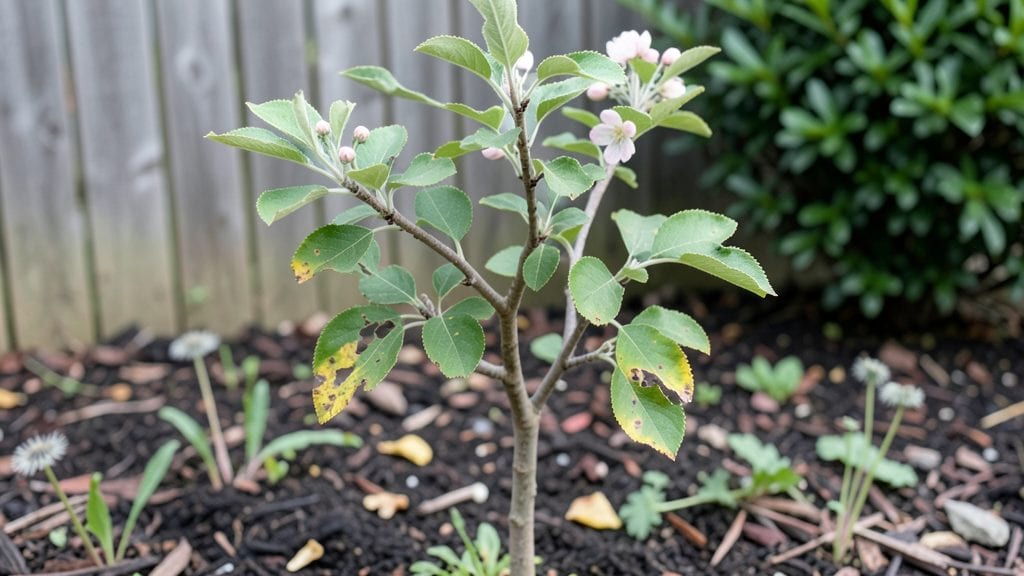
Planting a crabapple tree sapling in the Pacific Northwest means choosing a tree that thrives when others struggle—especially through those brutal winter freezes.
I’ve planted three in my own yard, and the right spot makes all the difference between a scraggly survivor and a showstopper with glossy leaves and fragrant blooms every spring.
The secret starts with soil that drains well but holds moisture, and a location where the tree gets sunlight but isn’t baked all day.
You’ll need basic tools—a shovel, gloves, and maybe a wheelbarrow for amending the soil—but the real prep work is choosing the right variety for your zone. Look for disease-resistant types like ‘Sentinel’ or ‘Liberty,’ which handle the Pacific Northwest’s damp winters like champs.
Once planted, water deeply every week for the first month, then taper off as roots establish. Mulch helps retain moisture and keeps roots cozy through those frosty nights.
By year three, your sapling will reward you with clusters of pink or white blossoms that smell like spring in a bottle. The fruit may not be edible, but birds will love it, and the tree’s shape will fill out beautifully with minimal pruning.
Even in my windy corner of Oregon, these trees stand tall and proud, their branches heavy with blossoms that brighten gray winter skies.
For advanced gardeners, consider grafting your own scions onto a rootstock for unique varieties, or training the branches into a formal espalier against a fence. Beginners should focus on consistent watering and annual pruning to remove crossing branches—just enough to keep the tree strong and open.
Either way, you’re planting more than a tree; you’re creating a focal point that’ll outlive you.
📚 In This Guide
- What you need
- Instructions
- Tips and common mistakes
- Wrapping up and next steps
What you need
- ● Crabapple tree sapling: 1–3 gallon container (1–3 ft tall) with healthy roots and vibrant foliage.
- ● Shovel: Round-point or digging spade (for breaking up soil).
- ● Garden gloves: A pair (to protect hands from thorns and rough bark).
- ● Pruning shears: Sharp, clean pair (sterilized with rubbing alcohol).
- ● Mulch: 2–3 inches of organic mulch (wood chips, bark, or pine straw).
- ● Watering can or hose: With a gentle spray nozzle (for post-planting hydration).
- ○ Staking kit (optional but recommended): 2–3 stakes + tree ties (if sapling is top-heavy or in windy areas).
- ● Planting location: Full sun (6+ hours/day) with well-draining soil (test soil pH—ideal range: 5.5–7.0).
- ● Space: Minimum 15–20 ft from buildings, sidewalks, or other trees (account for mature size).
- ● Weather check: Plant on a cool, cloudy day (avoid frost or extreme heat).
- ● Soil amendments (if needed): Compost (1–2 gallons) to improve drainage.
- ● Sulfur or lime (if soil pH is off—test kit recommended).
- ● ❄️ Frost prep: If planting in early spring, cover the sapling with frost cloth for the first 2 weeks.
- ● 🌧️ Watering plan: Keep soil consistently moist (not soggy) for the first 3 months.
- ● 🚫 Avoid: Fertilizers with high nitrogen (wait until year 2 for slow-release organic fertilizer).
Step-by-Step instructions for planting a crabapple sapling in the Pacific Northwest
Here’s how to establish your frost-hardy crabapple sapling for long-term health and stunning blooms.
Choose and Prepare the Planting Site
Select a location with full sun to partial shade—at least 6 hours of direct sunlight daily—and well-draining soil. Crabapples thrive in the Pacific Northwest’s mild winters but need airflow to prevent fungal diseases. Avoid low spots where cold air pools, as frost can linger and damage young roots.
Test your soil’s drainage by digging a 12-inch deep hole—if water pools after 30 minutes, amend the site with 3-4 inches of compost or sandy loam to improve texture. The ideal soil pH for crabapples is 6.0 to 7.0, so add pelletized lime if your soil tests acidic. I always check drainage first; poor drainage is the #1 reason crabapple saplings fail.
Dig the Hole and Amend the Soil
Dig a hole twice as wide as the root ball but no deeper—this encourages roots to spread horizontally rather than circling, which strangles growth. The top of the root ball should sit 1-2 inches above ground level to prevent waterlogging during winter rains. Mix the removed soil with 50% compost and 1 cup of balanced 10-10-10 fertilizer to give your sapling a nutrient boost.
Gently loosen the root ball’s edges if it’s tightly bound—this helps roots establish faster. Place the sapling in the hole, backfilling with the amended soil mixture while tapping the sides lightly to eliminate air pockets. Water deeply to settle the soil around the roots. Here’s the thing—don’t compact the soil too much—you want it firm but not dense.
Mulch and Water for Establishment
Spread 3-4 inches of organic mulch (wood chips or shredded bark) in a 3-foot diameter circle around the base, keeping it 6 inches away from the trunk to prevent rot. Mulch insulates roots in winter and retains moisture in summer. In the Pacific Northwest, where winters are damp but not extreme, this layer also protects against sudden frost heaves.
Water deeply once a week during the first growing season, providing 10-15 gallons per tree to encourage deep root growth. Check moisture by sticking your finger 3 inches into the soil—if it feels dry, water again. Avoid overhead sprinkling, which can spread fungal diseases. I water in the early morning to reduce evaporation and give leaves time to dry.
Prune and Protect for Long-Term Health
Remove any broken, crossing, or diseased branches using clean, sharp pruners, cutting just outside the branch collar. Avoid heavy pruning in the first year—just shape lightly to encourage a strong structure. Crabapples bloom on old wood, so prune after flowering in late spring to avoid removing next year’s blooms.
In the Pacific Northwest’s Zone 7-8 climates, young saplings benefit from winter protection during their first two years. Wrap the trunk with tree guard or burlap in late fall to shield it from voles or deer, which love tender bark. I also add a lightweight frost cloth over the canopy in extreme cold snaps—it’s a small precaution that pays off in spring.
Monitor and Maintain Through the Seasons
Fertilize in early spring with ½ cup of 10-10-10 fertilizer, working it into the soil around the drip line. Avoid high-nitrogen fertilizers, which promote leafy growth at the expense of flowers. Watch for aphids or scale insects—common pests in the Pacific Northwest—and treat with neem oil if needed. Healthy crabapples rarely need pesticides, but early intervention prevents infestations.
By year three, your sapling should show vigorous new growth and plentiful blooms. If leaves yellow in spring, it’s often a sign of iron deficiency—apply chelated iron to the soil. In the Pacific Northwest, where summers are mild, crabapples grow steadily but slowly. Patience is key; a well-planted sapling will reward you for decades with fragrant blossoms and ornamental fruit.
Tips & tricks for perfect crabapple sapling planting
These practical insights will help you avoid common pitfalls and set your frost-resistant crabapple up for decades of success.
Site Selection Secrets: The 6 hours of daily sunlight mentioned in Step 1 are non-negotiable for Pacific Northwest growing conditions. I've seen saplings planted in partial shade struggle with weak growth—look for spots where sunlight reaches for most of the day, even if it means moving a few feet from your original plan. Also, check for overhead power lines or large trees that might cast shade later in the season.
Drainage Test That Works: When testing soil drainage in Step 1, dig that 12-inch hole in multiple spots if your yard has slopes. Water pools faster in low areas, which means those spots need the 3-4 inches of compost or sandy loam amendment. I've had to move planting locations twice because I didn't test enough spots—don't make my mistake!
Root Ball Prep Matters: In Step 2, take extra time to gently loosen the root ball edges if they're tightly bound. I use my fingers to carefully separate the outer roots from the container—this helps them establish faster. Also, make sure the root ball sits just 1-2 inches above ground level; sinking it too deep can suffocate the roots during our wet winters.
Mulching Like a Pro: For the 3-4 inches of mulch in Step 3, use only organic materials like wood chips or shredded bark. Inorganic mulches can compact and prevent proper drainage. I always keep the mulch 6 inches away from the trunk to prevent rot—this is especially important in our damp Pacific Northwest climate where fungal diseases can be problematic.
Pro Tips for Crabapple Tree Sapling
- These practical insights will help you avoid common pitfalls and set your frost-resistant crabapple up for decades of success.
- Site Selection Secrets: The 6 hours of daily sunlight mentioned in Step 1 are non-negotiable for Pacific Northwest growing conditions.
- Drainage Test That Works: When testing soil drainage in Step 1, dig that 12-inch hole in multiple spots if your yard has slopes.
Frequently asked questions
When is the best time to plant a crabapple sapling in the PNW?
The ideal window is early spring (March–April) or fall (September–October). These periods offer mild temps, ample rain, and minimal frost risk. Avoid planting in winter (dormant roots can freeze) or late summer (heat stress). If you must plant in summer, water deeply twice weekly to prevent shock.
How much space does a crabapple sapling need to thrive?
Most crabapple varieties need 15–25 feet of space for mature growth. Check your sapling’s tag for specific spacing needs—some dwarf cultivars (like ‘Sargentii’) tolerate 10 feet, while standard types need room to spread. Plant at least 10 feet from sidewalks to avoid root conflicts with foundations or driveways.
Are crabapple saplings frost-hardy in the PNW? What if we get a late freeze?
Yes! Crabapples are USDA Zones 3–8 hardy, making them perfect for the PNW’s winters. However, new growth in spring can still suffer from late frosts (below 28°F). Protect young trees with burlap wraps or row covers if frost is forecasted during bud break (April–May). Mulch heavily around the base for extra insulation.
Should I prune my crabapple sapling right after planting?
Light pruning is key! Trim dead, crossing, or damaged branches immediately after planting to encourage a strong structure. Avoid heavy pruning—remove no more than 20–30% of the foliage. Wait until late winter (before buds swell) for major shaping. Use sterilized pruners to prevent disease.
What pests or diseases should I watch for in PNW crabapple saplings?
Common issues include:
- Apple maggots: Tiny white flies—use row covers or neem oil if spotted.
- Fire blight: Blackened, oozing branches (cut infected parts 6 inches below damage and sterilize tools).
- Scale insects: Sticky residue on leaves? Blast off with water spray or apply horticultural oil.
PNW’s damp climate can worsen fungal issues, so improve airflow with proper spacing and pruning.
Can I grow a crabapple sapling in a container? How long before transplanting?
Yes, but it’s temporary! Use a 5-gallon+ pot with drainage holes and well-draining soil. Repot annually until the sapling reaches 3–4 feet tall (usually 1–2 years). Transplant in spring when roots fill the pot. Avoid containers long-term—their shallow roots struggle in the PNW’s rainy winters.
Wrapping up and next steps
Growing a crabapple tree sapling in the Pacific Northwest is a rewarding journey—especially when you prioritize frost resistance, proper pruning, and thoughtful care. With the right tools, timing, and techniques, your sapling will thrive for years to come, offering beauty, shade, and even delicious fruit.
Now that you’re armed with expert insights, take the next step: schedule your first pruning session in early spring and watch your tree flourish!
🌱 Pro tip: Keep an eye on local frost dates and adjust your pruning calendar accordingly for optimal growth!