Pruning
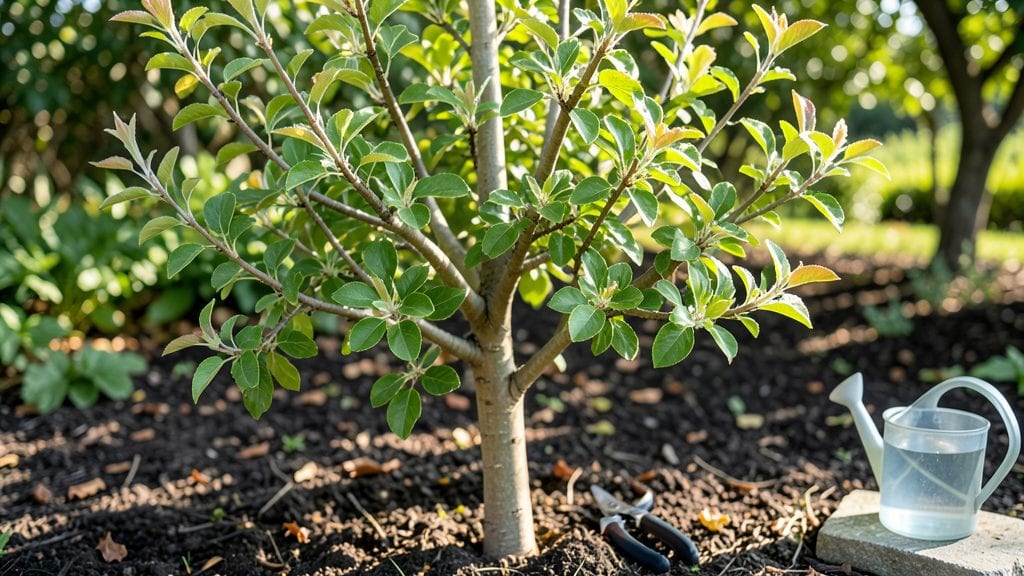
Encouraging apple tree new growth starts with a sharp pair of pruners and the right timing—because those spring shoots hold the key to next year’s harvest. 🌿 I learned this the hard way after my first pruning session left my tree looking like a tangled mess instead of a structured framework.
The secret isn’t just cutting back; it’s directing energy where it matters most.
You’ll need a few simple tools: pruning shears for clean cuts, rubbing alcohol to sterilize between branches, and a sharp saw for thicker limbs. The real work happens in late winter or early spring, when the tree is still dormant but ready to burst with vibrant green new growth.
Focus on removing dead wood first, then thin out crowded branches to let sunlight reach the center.
What you’ll end up with is a tree that produces stronger branches capable of supporting heavier fruit loads. Those new shoots will grow faster, develop thicker bark, and resist disease better than overcrowded growth.
The best part? You’ll see the difference in just one growing season—more flowers, better fruit set, and a tree that looks like it belongs in a postcard.
This method works for both young saplings and mature trees, though the approach shifts slightly based on age. Whether you’re dealing with a 5-year-old tree or a century-old heirloom, the principles stay the same. Let’s get those branches growing the right way—before next spring’s pruning season rolls around.
📚 In This Guide
- What you need
- Instructions
- Tips and common mistakes
- Wrapping up and next steps
What you need
- ● Pruning shears: Bypass pruners (sharp, 6–8" blades) for small branches up to ½ inch thick.
- ● Loppers: For branches ¾–1½ inches thick (longer handles for leverage).
- ● Pruning saw: For thick branches (2+ inches)—choose a curved blade for clean cuts.
- ● Gloves: Heavy-duty, cut-resistant gloves (e.g., 12–14" length) to protect hands from thorns and splinters.
- ● Disinfectant: 70% isopropyl alcohol or a 10% bleach solution (1 part bleach to 9 parts water) to sterilize tools between cuts.
- ○ Sealing wax or pruning paint: (Optional but recommended for cuts larger than ½ inch to prevent disease.)
- ● Ladder or step stool: Sturdy, non-slip (extendable if your tree is tall).
- ○ Twine or zip ties: (For optional support of weak branches during regrowth.)
- ● Hand saw: For emergency cuts if your pruning saw isn’t accessible.
- ● Pole pruner: Extendable tool for high branches (saves ladder time!).
- ● Rubbing alcohol wipes: Quick tool disinfection on the go.
- ● Notebook & pen: To sketch a pruning plan or track branch growth.
- ● Tree growth regulator: (e.g., paclobutrazol) if overgrowth is a recurring issue.
How to encourage strong apple tree new growth through pruning
Here's the method I've used for years to turn weak apple branches into sturdy, fruit-bearing limbs.
✂️ Step 1: Prune During Dormancy for Maximum Growth
Timing matters most—prune your apple tree in late winter or early spring while it's still dormant but just before buds swell. This 6-8 week window (typically February through March in most climates) gives new growth time to establish before summer heat sets in. You'll see fresh, vibrant buds forming within weeks of pruning.
Start by removing dead, diseased, or crossing branches first. These compete with healthy growth and can harbor pests. Use clean, sharp pruners to make cuts at a 45-degree angle just above an outward-facing bud. The goal is to open the canopy to sunlight and air circulation—this prevents fungal issues and encourages stronger new shoots.
☀️ Step 2: Thin Branches to Improve Sunlight Penetration
Focus on thinning rather than topping. Remove branches that rub against each other or grow inward—they create weak crotches and block light from reaching the center. Aim to keep the tree's structure open, with sunlight able to reach all the way to the trunk. You'll notice new growth emerging from the outer branches first, signaling the tree is directing energy outward.
For each branch you remove, look for a strong lateral branch growing from below. Prune back to just above its bud—this lateral will become your new leader. Thin about 20-30% of the tree's branches total, never more than that in one season. Over-pruning stresses the tree and reduces next year's fruit production.
🌱 Step 3: Encourage New Growth with Strategic Cuts
Make your cuts at bud unions—the swollen areas where leaves once attached. These contain dormant buds that will sprout into new growth. For upright branches, cut just above a bud that faces outward. For horizontal branches, choose buds on the upper side to promote upward growth. You'll see tiny green shoots emerge within 4-6 weeks after pruning.
Pay special attention to water sprouts—those fast-growing, vertical shoots that steal energy from fruit production. Prune these back to a lateral branch or bud. These aggressive cuts might seem harsh, but they redirect the tree's energy into stronger, fruit-bearing limbs. After pruning, water deeply to help the tree recover and support new growth.
💧 Step 4: Maintain Growth Through the Season
Once new growth appears, monitor it closely. Healthy new shoots should be green, firm, and growing at a steady pace. If you notice weak, yellowing growth, it may indicate over-pruning or nutrient deficiency. Apply a balanced fertilizer (10-10-10) in early spring to support new foliage and fruit development.
Continue to prune throughout the growing season if needed. Remove any suckers (shoots growing from the base) and shoots growing from the trunk. These compete with the main branches and weaken the tree's structure. By mid-summer, you should see a noticeable difference in branch strength and density—this is your tree responding to proper pruning techniques.
Tips & tricks for encouraging apple tree new growth
These simple yet powerful techniques will help you transform your apple tree into a thriving, fruit-bearing powerhouse—without the guesswork.
Timing is Everything: The 6-8 week window between late winter and early spring is your golden opportunity. I've learned this the hard way—pruning too early can leave your tree vulnerable to frost damage, while waiting too long risks losing that precious early growth. Check your local frost dates and aim to prune just as buds begin to swell. You'll know you're on track when you see tiny green buds forming within weeks after pruning.
Tool Prep Matters: Before you even touch your tree, clean and sharpen your pruners. Dull blades tear wood fibers instead of making clean cuts, which invites disease. I like to wipe my pruners with rubbing alcohol between cuts when dealing with diseased branches. Also, always make cuts at the 45-degree angle just above outward-facing buds—this promotes better healing and growth direction.
Visual Cues for Healthy Growth: When you're thinning branches in Step 2, look for these key visuals: healthy branches should have a smooth, green bark, while weak ones often show cracks or peeling. The best lateral branches to keep are those growing at less than a 45-degree angle from the main branch—these create stronger crotches. After pruning, you should see new growth emerging from the outer branches first, confirming your tree is directing energy outward where it belongs.
Seasonal Maintenance Strategy: Don't stop after your initial spring pruning! I make it a habit to do a quick seasonal check every 6-8 weeks throughout the growing season. Remove any water sprouts (those fast-growing vertical shoots) as soon as you spot them—they're energy vampires that steal nutrients from fruit production. A deep watering after each pruning session helps the tree recover and establishes new growth more quickly.
Pro Tips for Apple Tree New Growth
- These simple yet powerful techniques will help you transform your apple tree into a thriving, fruit-bearing powerhouse—without the guesswork.
- Timing is Everything: The 6-8 week window between late winter and early spring is your golden opportunity.
- Tool Prep Matters: Before you even touch your tree, clean and sharpen your pruners.
Frequently asked questions
Got questions about nurturing that apple tree new growth? You’re not alone! Here are some of the most common queries—plus straightforward answers to help your tree thrive.
When is the best time to prune for new growth?
The ideal window is late winter or early spring (just before buds swell), but you can also prune in summer after harvest. Avoid heavy pruning in fall—it stresses the tree and invites disease. Light shaping in summer promotes vigorous new growth without overburdening the tree.
How much should I cut back for healthy new growth?
Remove no more than 25% of the tree’s canopy in one season to avoid shock. Focus on:
- Dead, crossing, or inward-growing branches
- Suckers (shoots from the base)
- Water sprouts (fast-growing vertical shoots)
Why isn’t my apple tree growing new branches after pruning?
Several factors could be at play:
- Timing: Pruned too late in the season? New growth needs warm weather to sprout.
- Nutrients: Poor soil or drought stress stunts growth. Test soil and fertilize with balanced 10-10-10 in early spring.
- Pests/Disease: Check for borers, aphids, or fungal spots. Treat with neem oil or copper fungicide if needed.
Can I prune apple trees for new growth in containers or small yards?
Dwarf or semi-dwarf varieties are perfect for containers or tight spaces. Prune aggressively in early spring to control size and encourage fruitful new growth. Use sterilized tools and a well-draining potting mix. Just avoid overcrowding—aim for 12–18 inches between branches for airflow.
What’s the fastest way to fix over-pruned apple trees?
If you’ve accidentally pruned too much:
- Apply a root stimulator (like seaweed extract) to boost recovery.
- Water deeply 2–3 times weekly for 4–6 weeks.
- Fertilize lightly with high-nitrogen (e.g., 21-0-0) to promote leafy regrowth.
- Avoid pruning again until you see new shoots (1–2 inches long).
Wrapping up and next steps
Cultivating apple tree new growth is all about patience, precision, and a little love for your orchard! 🌱 By mastering the art of year-round pruning—whether it’s winter shaping, summer thinning, or spring cleanup—you’ll set your tree up for stronger branches, better fruit production, and a healthier lifespan.
Remember, every cut is a step toward a more vibrant, productive apple tree.
Ready to put your new skills to work? Grab your pruners, mark your calendar for the next pruning season, and start observing your tree’s growth habits now! The best time to prune is always today—your future harvest will thank you. 🍏✨