Pruning
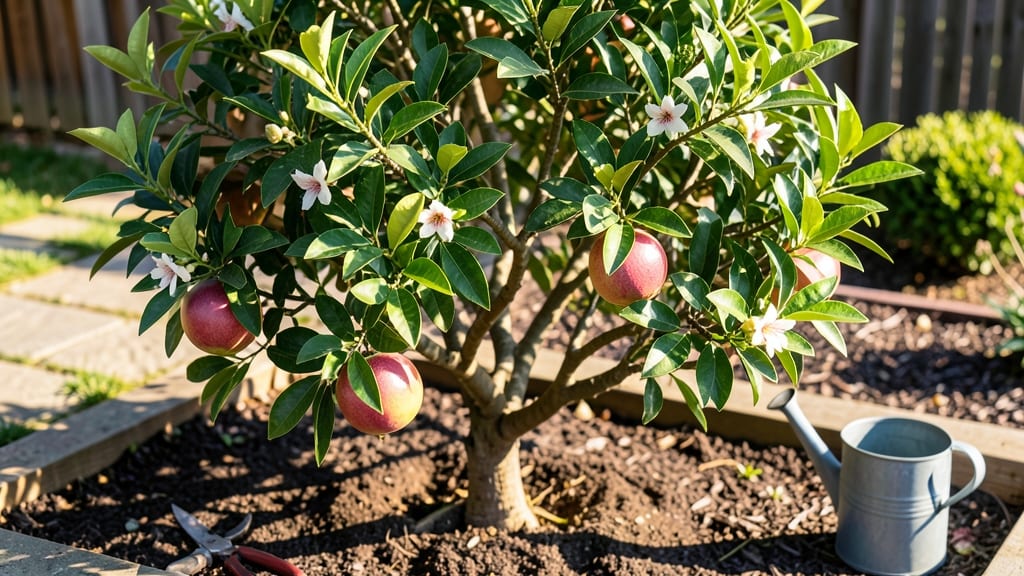
A Rio Red grapefruit tree thrives in your Pacific Northwest yard with the right care—imagine crisp winter mornings with fresh fruit straight from your own backyard. 🌱 The secret isn’t just sunshine; it’s matching this tropical tree’s needs to your region’s cooler climate.
Most gardeners assume citrus can’t survive here, but with proper soil, shelter, and pruning, you’ll get vibrant blooms and sweet, ruby-red fruit even in Zone 8.
Start with well-draining soil mixed with compost—think "sandy loam" with a touch of grit to prevent root rot. Your tree needs 6+ hours of sunlight daily, but afternoon shade helps in summer.
Water deeply 2-3 times a week in growing season, then cut back in winter. The key? Mimicking its native Florida humidity with mulch and occasional misting during dry spells.
Pruning in late winter removes dead wood and shapes the tree for airflow, while summer trims encourage fruit production. With patience, your tree will reward you with harvests from late fall through winter—long after store-bought citrus arrives.
The tart-sweet flavor of Rio Reds makes homemade marmalade or fresh slices worth every effort.
For PNW growers, winter protection is non-negotiable: wrap the trunk, use frost cloth, and move potted trees indoors if temps dip below 28°F. Even with these steps, some years yield fewer fruits—but the lush foliage and fragrant blossoms make it a win. Ready to grow your own citrus oasis?
📚 In This Guide
- What you need
- Instructions
- Tips and common mistakes
- Wrapping up and next steps
What you need
- ● Rio Red grapefruit tree: A healthy, Citrus × paradisi 'Rio Red' sapling (ensure it’s cold-hardy or potted for indoor/outdoor flexibility).
- ● Large container or planter: Minimum 15–20 gallon capacity (if growing in pots) with drainage holes. Pro tip: Terracotta or fabric pots help prevent root rot! 💡
- ● High-quality potting mix: 50% well-draining citrus mix (e.g., 40% peat moss, 30% perlite, 20% sand) + 50% compost.
- ● Cold protection: Insulating wrap (e.g., burlap or frost cloth) for winter.
- ● Grow lights or a sunroom (if indoors during PNW winters).
- ● Pruning tools: Bypass pruners (for clean cuts).
- ● Sterilizing solution (70% isopropyl alcohol or bleach water).
- ● Sharp knife or loppers (for thicker branches).
- ● Fertilizer: Citrus-specific fertilizer (e.g., 6-6-6 NPK ratio) or organic options like fish emulsion.
- ● Gloves: Heavy-duty gardening gloves (to protect from thorns and sap).
- ● pH testing kit: To monitor soil acidity (ideal range: 5.5–6.5).
- ● Mulch: Wood chips or straw (to retain moisture and regulate temperature).
- ● Support stakes: For young trees (if needed for stability).
- ● Humidifier or pebble tray: Boosts humidity in dry indoor environments (PNW winters can be harsh!).
- ○ Tree fruit bag (optional): Protects fruit from pests (e.g., Citrus leafminer).
How to grow a thriving Rio Red grapefruit tree in the Pacific Northwest
Here's how to transform your PNW yard into a citrus paradise with this cold-hardy favorite.
🌱 Step 1: Select the Right Location and Container
Rio Red grapefruit thrives in full sun—at least 6-8 hours daily—so choose a spot with maximum southern exposure. In the Pacific Northwest's cooler climate, a large container (15+ gallons) gives you mobility to protect from frost. I use a 50-gallon half-barrel with drainage holes drilled in the base—this prevents root rot while mimicking the tree's native Mediterranean soil.
Fill the container with a mix of 60% high-quality potting soil and 40% perlite or coarse sand for drainage. The key is keeping roots aerated—grapefruit trees hate soggy feet. Place a 2-inch layer of gravel at the bottom before adding soil to create a drainage reservoir. This ensures excess water flows away while keeping roots hydrated.
☀️ Step 2: Plant and Provide Winter Protection
Dig a hole twice as wide as the root ball but only as deep. Gently remove the tree from its nursery pot and loosen any circling roots with your fingers. Place it in the hole so the top of the root ball sits level with the container rim—burying too deep suffocates the trunk. Backfill with your soil mix, pressing lightly to eliminate air pockets.
Water deeply until it drains from the bottom holes, then add a 2-inch layer of mulch (like pine bark fines) around the base, keeping it 6 inches away from the trunk. For PNW winters, move the container to a garage or sheltered patio when temperatures drop below 25°F. A frost blanket draped over the tree adds another 5°F of protection—critical for this subtropical fruit.
💧 Step 3: Water and Fertilize for Optimal Growth
Water when the top 2 inches of soil feel dry—usually every 5-7 days in summer, less in winter. Overwatering is the #1 killer of container citrus. I use a soaker hose to deliver moisture slowly at the root zone, avoiding wetting leaves (which invites fungal diseases). In late spring, add a slow-release citrus fertilizer (like Osmocote) following package rates—Rio Reds are heavy feeders but sensitive to excess salts.
Watch for yellowing leaves, which signal overwatering or nutrient deficiency. If new growth appears weak, flush the soil with clean water to leach out built-up salts. A foliar spray of seaweed extract every 4 weeks boosts resilience, especially in our damp PNW summers.
✂️ Step 4: Prune and Harvest for Year-Round Fruit
Prune in late winter to remove dead, crossing, or inward-growing branches. I cut just above an outward-facing bud to encourage an open canopy that catches sunlight. Avoid heavy pruning—Rio Reds produce best when slightly pot-bound. Thin fruit clusters to 3-4 per branch in early summer; this prevents overburdening and ensures larger, sweeter grapefruits.
Harvest when fruit feels heavy for its size and yields slightly to gentle pressure. PNW-grown Rio Reds ripen 2-3 weeks later than Florida trees—typically in late fall to early winter. Store unripe fruit at room temperature until fully colored, then refrigerate for up to 2 weeks. The secret to sweetness? Less watering in late summer—this concentrates sugars before harvest.
Tips & tricks for perfect Rio Red grapefruit tree care in the PNW
Growing a thriving Rio Red grapefruit tree in our chilly climate takes a few smart strategies—here's what I've learned after years of trial and error.
Sunlight Secret: That 6-8 hours of daily sun is non-negotiable, but don't just slap your tree anywhere. South-facing windowsills or patios work great for containers, but if you're planting in ground, choose the sunniest spot you have—even a few hours less can mean smaller fruit. I've seen trees in partial shade produce grapefruits half the size of fully sun-exposed trees.
Container Upgrade: While a 15+ gallon container works, I've found that 20-gallon grow bags actually perform even better in our climate. They're lighter for moving but have more volume for root growth. Just make sure any container has drainage holes—root rot will kill your tree faster than frost. If you're using a half-barrel, drill holes in a diamond pattern for even better drainage.
Winter Protection Hack: When temps drop below 25°F, I don't just move the tree—I create a mini greenhouse effect. After moving to the garage, I wrap the container in bubble wrap (the clear kind) before adding the frost blanket. This extra layer adds another 5°F of protection without taking up extra space. Plus, it's reusable year after year.
Fertilizer Timing: That slow-release citrus fertilizer in late spring is crucial, but here's the part nobody tells you: split your dose. Apply half when you plant in spring, then the second half 6-8 weeks later. This prevents salt buildup that can burn roots—something I learned after my first tree's leaves turned crispy despite following all other instructions.
Pro Tips for Rio Red Grapefruit Tree
- Growing a thriving Rio Red grapefruit tree in our chilly climate takes a few smart strategies—here's what I've learned after years of trial and error.
- Sunlight Secret: That 6-8 hours of daily sun is non-negotiable, but don't just slap your tree anywhere.
- Container Upgrade: While a 15+ gallon container works, I've found that 20-gallon grow bags actually perform even better in our climate.
Frequently asked questions
Got questions about growing your own Rio Red Grapefruit Tree in the Pacific Northwest? You’re not alone! Here are some of the most common queries—plus expert answers to keep your citrus oasis thriving year-round.
Can a Rio Red Grapefruit Tree survive winters in the PNW?
While Rio Reds are tropical natives, they’re hardier than most grapefruits, tolerating brief dips to 15–20°F with proper care. Protect young trees with frost cloth or move potted trees indoors during freezes. Mature trees in USDA Zones 9–11 thrive outdoors; in cooler zones (like PNW’s 8–9), grow them in large containers for mobility.
How long does it take for a Rio Red Grapefruit Tree to bear fruit?
Patience is key! With ideal conditions (full sun, well-draining soil, and consistent water), expect first fruit in 3–5 years for container-grown trees or 5–7 years for in-ground plants. Dwarf varieties (like ‘Foster’ or ‘Rio Star’) may fruit sooner. Pro tip: Feed with citrus-specific fertilizer in early spring to boost fruiting potential.
Why aren’t my Rio Red Grapefruit Tree’s fruits turning red?
Color develops with sun exposure and maturity. If fruits stay green, they may need:
- More sunlight (6–8+ hours daily).
- Ripe, red-skinned grapefruits take 6–9 months to mature.
- Balanced fertilizer (high potassium/phosphorus encourages color).
Troubleshoot: Thin overripe fruit to redirect energy to younger, reddening ones.
What’s the best alternative if Rio Red is too finicky for my climate?
If grapefruits prove tricky, try these PNW-friendly citrus alternatives:
- Calamondin Orange: Cold-hardy (20°F), tiny fruits, great for cooking.
- Meyer Lemon: Thrives in containers, sweeter, and more frost-tolerant.
- Satsuma Mandarin: Cold-resistant (10°F), seedless, and prolific.
All three handle PNW’s mild winters better than Rio Reds but still need winter protection.
When and how should I prune my Rio Red Grapefruit Tree?
Prune late winter/early spring (before new growth) to:
- Remove dead/diseased branches.
- Open the canopy for airflow (prevents fungal issues).
- Shape the tree for container growth.
Avoid pruning in fall—it stimulates tender new growth vulnerable to frost. Use sterilized tools and seal cuts with pruning paste to prevent sap loss.
How often should I water a potted Rio Red Grapefruit Tree?
Potted trees dry out faster than in-ground ones. Water when the top 2–3 inches of soil are dry (usually every 2–3 days in summer, less in winter). Overwatering causes root rot! Ensure pots have drainage holes and use a well-draining citrus mix. Pro tip: Mulch the soil surface to retain moisture.
Wrapping up and next steps
Growing a Rio Red grapefruit tree in the Pacific Northwest isn’t just about adding beauty to your yard—it’s about creating a year-round citrus oasis that rewards you with sweet, tangy fruit and lush greenery.
With the right pruning techniques, you’ll ensure strong growth, better air circulation, and a bountiful harvest. 🌿✨
Ready to take the next step? Start by assessing your tree’s needs this season—whether it’s shaping young branches, removing deadwood, or preparing for winter. Grab your pruners and get growing!