Pruning
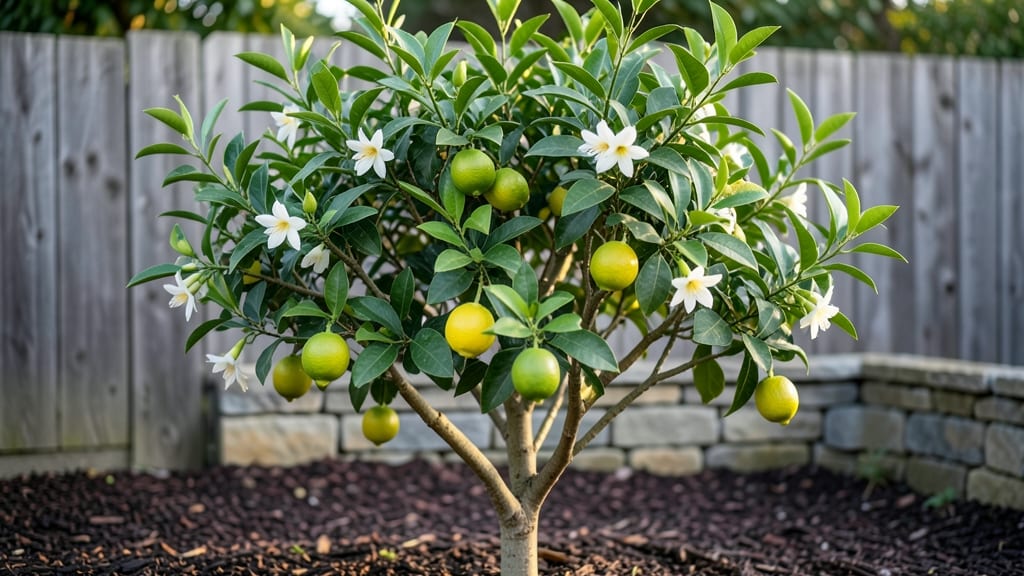
Finding a Meyer lemon tree nearby in the Pacific Northwest is like uncovering a hidden treasure—this cold-hardy citrus gem thrives where other lemons would freeze.
I’ve watched mine survive winters down to 20°F with just a little protection, and the fragrant blossoms in spring make the whole neighborhood smell like a Mediterranean breeze.
The key isn’t just sourcing one locally (more on that soon) but placing it where it can shine—sun-drenched spots, sheltered from harsh winds, and close enough to enjoy those bright yellow fruits year-round.
The Pacific Northwest’s mild winters make this tree a standout, but placement matters just as much as the tree itself. Aim for 6-8 hours of sunlight daily, ideally against a south-facing wall or fence that absorbs heat during the day.
A few feet from your patio or kitchen lets you pluck lemons straight from the tree for baking or fresh juice—no grocery store needed. Just avoid planting too close to foundations, as roots can spread wider than the canopy grows.
Once you’ve got your tree situated, the rewards come fast: glossy green leaves by summer, fragrant white blossoms by late spring, and lemons by fall that taste sweeter than anything you’ve ever bought.
The tree’s compact size (8-10 feet tall) makes it perfect for small yards, and its glossy foliage adds a touch of exotic beauty to any landscape. With the right spot, your Meyer lemon tree won’t just survive—it’ll become the star of your garden.
Ready to find your tree? Local nurseries and specialty growers often carry Meyer lemons, or check gardening forums for trades—many PNW gardeners are happy to share cuttings or saplings.
Just remember: the right location turns this citrus gem into a year-round centerpiece that’s as functional as it is beautiful. Let’s get planting!
📚 In This Guide
- What you need
- Instructions
- Tips and common mistakes
- Wrapping up and next steps
What you need
- ● Pruning shears: Bypass pruners (sharp, clean, and sterilized with rubbing alcohol) for small branches (up to ½-inch thick).
- ● Loppers: For medium branches (½-inch to 2-inches thick)—look for bypass-style for precision cuts.
- ● Pruning saw: For thick branches (2+ inches)—choose a curved-tooth saw to avoid tearing wood.
- ○ Disinfectant: Rubbing alcohol (70% or higher) or a pruning sealant (optional but recommended) to prevent disease spread.
- ● Garden gloves: Heavy-duty, cut-resistant gloves (e.g., Mechanix or similar) to protect your hands.
- ● Ladder or step stool: Sturdy and tall enough to reach the tree’s canopy safely (ensure it’s non-slip and rated for your weight).
- ● Trash bags or bucket: For collecting pruned branches and debris (1–2 large bags or a 5-gallon bucket).
- ● Sharpie or marker: Permanent marker to label cuts (e.g., "Remove" or "Fruit Zone") if needed.
- ○ Pruning tape or twist ties: (Optional but helpful) To secure large cuts temporarily if needed.
- ● Hand sanitizer: For before/after pruning to avoid contaminating cuts.
- ● Tree wound paint: (Controversial but some swear by it for larger cuts—use sparingly!)
- ● Camera or phone: To document the tree’s structure before/after pruning.
- ● Compost bin: If you plan to compost pruned branches (avoid diseased wood).
- ● Safety goggles: To protect against debris if working near power lines or in windy conditions.
How to grow a cold-hardy Meyer lemon tree in the Pacific Northwest
Here’s how to nurture this citrus treasure through our famously damp, chilly winters.
Select the Right Variety and Location
Meyer lemons thrive in USDA Zones 8-11, but the Pacific Northwest’s Zone 7-8 climate means you’ll need a dwarf variety (like ‘Improved Meyer’ or ‘Ponderosa’) to keep it manageable. These compact trees stay under 6 feet tall, perfect for containers or small yards. Choose a sun-drenched spot—at least 6-8 hours of direct sunlight daily—and avoid low-lying areas where cold air pools.
I always plant mine near a south-facing wall or fence to capture reflected heat. If your yard lacks full sun, a large container (15+ gallons) lets you move the tree indoors during winter. The key is warmth: Meyer lemons hate cold drafts and will drop leaves if temperatures dip below 25°F. Mulch heavily around the base to insulate roots, but keep mulch 3 inches away from the trunk to prevent rot.
Plant in Well-Draining Soil with Winter Protection
Pacific Northwest soil is often too dense and acidic for citrus. Amend native soil with equal parts compost and coarse sand (or use a citrus-specific potting mix if container-growing). Dig a hole twice as wide as the root ball but no deeper—Meyer lemons resent buried trunks, which invites disease. Gently loosen roots if they’re circling before placing the tree in the hole.
Backfill with amended soil, then water deeply to settle it. The top of the root ball should sit 1 inch above ground level—this prevents waterlogging. For in-ground plantings, wrap the trunk in burlap or frost cloth in late fall, securing it loosely. If potted, move the container to a garage or basement (with no heat source nearby) where temperatures stay above freezing. I’ve lost trees to sudden freezes, so I double-check the thermostat—40°F is the safe minimum for short-term indoor storage.
Water and Fertilize for Pacific Northwest Conditions
Meyer lemons detest soggy soil—overwatering in our rainy climate is the #1 killer. Water only when the top 2 inches of soil feel dry, and use a soaker hose or drip irrigation to avoid wetting leaves (fungus loves damp foliage). In winter, reduce watering to every 3-4 weeks—the tree’s growth slows dramatically. If container-grown, ensure pots have drainage holes and empty saucers after watering to prevent root rot.
Feed with a balanced citrus fertilizer (like 6-6-6) in early spring and again in midsummer, following label rates. I swear by organic options like fish emulsion or citrus-specific compost teas—they mimic the tree’s natural Mediterranean diet. Avoid high-nitrogen fertilizers in winter; the tree’s dormant, and extra food just encourages weak growth that won’t survive our cold snaps. Look for new yellowing leaves as a sign of nutrient deficiency—time to boost the feed!
Prune and Protect Through Winter
Prune in late winter or early spring (February-March) to shape the tree and remove any dead or crossing branches. Use sterilized shears to make clean cuts just above a leaf node. Never prune in fall—new growth won’t harden off before winter. In the PNW, winter pruning is critical: Cold snaps can kill tender new shoots, so wait until after the last frost date in your area.
For extra protection, wrap the trunk in tree wrap or bubble wrap (remove in spring to avoid girdling). If your tree is in a container, insulate the pot with burlap or foam boards—this prevents the soil from freezing solid. I’ve seen potted Meyer lemons survive 20°F nights with this method. Watch for leaf drop in fall—it’s normal as the tree prepares for dormancy, but if it happens in warm weather, check for pests like scale or spider mites (common in indoor winter setups).
Harvest and Overwinter for Next Year’s Fruit
Meyer lemons ripen late fall through winter, so plan to harvest before the first hard freeze. Gently twist fruits from the tree—they’ll release easily when ripe. Unripe lemons stay green; ripe ones turn bright yellow with a slight orange tint. Store harvested fruit in a cool, dark place (like a pantry) where they’ll keep for weeks. If you miss the harvest window, don’t worry—healthy trees produce year after year with proper care.
As winter ends, harden off container-grown trees by gradually reintroducing them to outdoor conditions. Move them outside for 1-2 hours daily, increasing time over 10-14 days. This prevents sunburn or shock when leaves re-emerge. In-ground trees will sprout new growth naturally, but keep an eye out for aphids or whiteflies—they love tender new shoots. A neem oil spray applied in early spring keeps pests at bay without harming bees.
Tips & tricks for growing a cold-hardy Meyer lemon tree
Growing a Meyer lemon tree in the Pacific Northwest takes some extra care—but these tricks will help you avoid common pitfalls and keep your citrus thriving through our unique climate.
Sunlight Strategy: Those 6-8 hours of direct sunlight are non-negotiable, but don't panic if your yard falls short. I've had success supplementing with a grow light for 4-6 hours daily during winter months when days are shortest. Position it 12-18 inches above the tree and use a timer for consistency. The key is maintaining that sunlight exposure even when natural light dwindles.
Soil Preparation Tip: When amending soil with equal parts compost and coarse sand, I like to add a handful of perlite or pumice to the mix—it improves drainage even more. This is especially important in our rainy climate where soggy soil can quickly become the #1 killer. After mixing, do a quick water test: if water pools on top after 10 minutes, add more sand or perlite.
Winter Protection Hack: For container-grown trees, I've found that wrapping the pot in bubble wrap (not just the trunk) creates an extra insulating barrier. The 40°F minimum for indoor storage is a good guideline, but I've kept trees safe at 35°F for short periods by adding an extra layer of insulation around the pot. Just monitor closely—citrus roots are sensitive to prolonged cold.
Fertilizer Timing: That early spring and midsummer feeding schedule works perfectly, but I've noticed even better results when I add a light application of citrus fertilizer in late summer (around August). This gives the tree a final boost before winter dormancy. Always follow package rates—over-fertilizing in cooler months can actually stress the tree more than help.
Pro Tips for Meyer Lemon Tree Nearby
- Growing a Meyer lemon tree in the Pacific Northwest takes some extra care—but these tricks will help you avoid common...
- Sunlight Strategy: Those 6-8 hours of direct sunlight are non-negotiable, but don't panic if your yard falls short. I...
- Soil Preparation Tip: When amending soil with equal parts compost and coarse sand, I like to add a handful of perlite...
Frequently asked questions
Got questions about growing a Meyer lemon tree nearby in the Pacific Northwest? You’re not alone! Here are some of the most common concerns—and their solutions—to help you cultivate this cold-hardy citrus gem with confidence.
Can a Meyer lemon tree survive winter in the PNW?
A Meyer lemon tree nearby can thrive in the PNW with the right care! While they’re more cold-hardy than traditional lemons (tolerating temps down to 15–20°F), young trees or exposed roots may need winter protection. Use mulch, frost cloth, or move potted trees to a sheltered spot. Pro tip: Prune in late winter to remove dead wood and encourage new growth!
When is the best time to plant a Meyer lemon tree in the PNW?
Plant your Meyer lemon tree nearby in early spring (March–April) or early fall (September–October). Avoid planting in late fall or winter, as cold soil can stunt root growth. If buying a potted tree, transplant it after the last frost date for your zone—usually mid-May in most of the PNW.
How do I keep my Meyer lemon tree from getting too large?
Pruning is key! Trim back 1/3 of the new growth in late winter or early spring to maintain shape and encourage fruit production. Remove dead, crossing, or overcrowded branches with clean, sharp pruners. For container trees, prune more aggressively to control size. Bonus: Pruned branches can be propagated for new trees!
What pests should I watch for on my Meyer lemon tree?
Common PNW pests include aphids, spider mites, and scale insects. Inspect leaves regularly for sticky residue, yellowing, or tiny webs. Treat mild infestations with neem oil or insecticidal soap. For severe cases, introduce beneficial insects like ladybugs or consult a local nursery. Prevention tip: Keep your tree healthy with balanced fertilization to deter pests!
Can I grow a Meyer lemon tree in a container in the PNW?
Container growing is ideal for the PNW’s cooler climate. Choose a 15–20 gallon pot with drainage holes and use a well-draining citrus mix. Move pots indoors or to a garage during freezing temps. Ensure the tree gets 6+ hours of sunlight daily (a sunny windowsill or grow lights work). Pro move: Rotate the pot monthly for even growth!
Wrapping up and next steps
Growing a Meyer lemon tree nearby in the Pacific Northwest is not only possible but incredibly rewarding! With the right pruning techniques, you’ll ensure a thriving, productive tree that brings bursts of citrusy joy—even in cooler climates. 🌿✨
Now that you’re armed with the know-how, take the next step: grab your pruners and get started! Whether you’re shaping your tree for the first time or refining your skills, every cut brings you closer to a bountiful harvest. Happy pruning—and may your Meyer lemons be plentiful! 🍋😊