Pruning
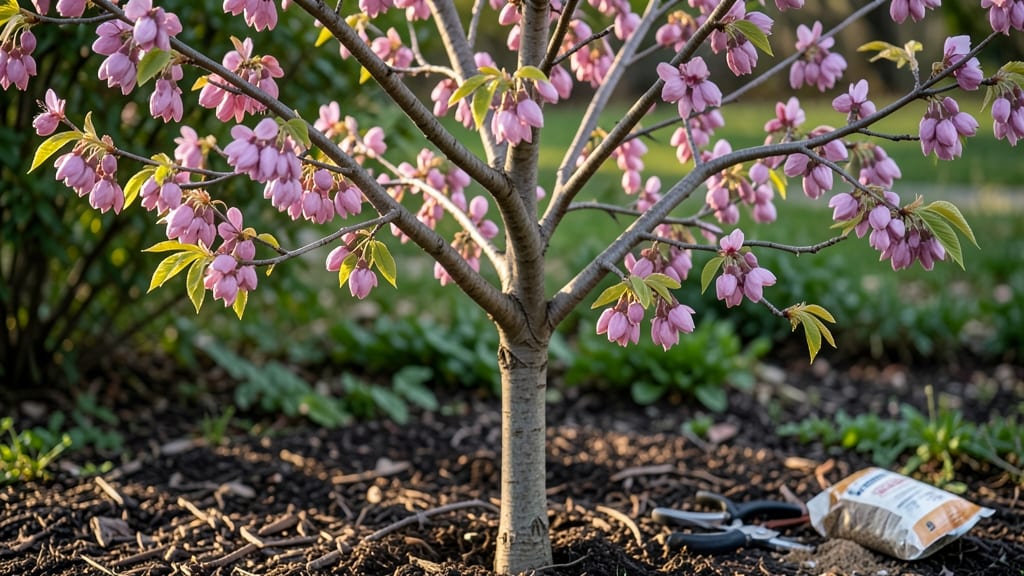
The Rising Sun redbud tree bursts into color when most spring trees are still sleeping—bright pink blooms that turn your yard into a dreamy focal point. I planted mine last April, and by May, neighbors were stopping to ask what magic I’d used.
The secret isn’t magic, though: it’s choosing the right spot, knowing how much water to give, and a little pruning to keep those blossoms coming back bigger every year.
This tree thrives in zones 4-8, making it perfect for the Pacific Northwest’s damp winters and mild summers. It’s happy in partial shade but rewards full sun with even more vibrant blooms.
The soil? Just don’t let it sit in soggy ground—well-draining loam or amended native soil works best. Once established, it’s drought-tolerant, but young trees need consistent moisture to root deeply.
By summer, you’ll have glossy green foliage that turns golden-yellow in fall, and next spring, those pink blossoms return—sometimes even on bare branches before leaves appear. The 3-4 foot height at maturity makes it ideal for small yards or as a striking container specimen.
Prune after blooming to shape it, and you’ll have a tree that feels like a showstopper with almost no effort.
Whether you’re adding color to a shady corner or brightening a sunny border, this redbud is the PNW’s underrated gem. Let’s get it planted so you can enjoy that first flush of pink next spring.
📚 In This Guide
- What you need
- Instructions
- Tips and common mistakes
- Wrapping up and next steps
What you need
- ● Pruning shears: Bypass pruners (sharp, clean, and rated for branches up to ½ inch thick). Example: Felco F-2 or Corona Tools 5220S.
- ● Loppers: For branches ½ to 1½ inches thick. Look for anvil or bypass loppers with long handles (e.g., Fiskars PowerGear or Bahco Forester).
- ● Pruning saw: For branches over 1½ inches thick. A curved-tooth pruning saw (like the Felco F-24) minimizes tear-out.
- ● Gloves: Heavy-duty gardening gloves (e.g., Wolverine Waffle Grip) to protect against thorns and rough bark.
- ● Disinfectant: 70% isopropyl alcohol or a pruning sealant (e.g., Tanglefoot Tree Wound Pruning Sealer) to prevent disease spread.
- ○ Extension pole: Optional but helpful for high branches (e.g., Fiskars 36-inch pruning pole).
- ● Bucket or bag: A 5-gallon bucket or heavy-duty trash bag to collect pruned branches.
- ● Ladder (if needed): A stable, non-slip ladder (e.g., Little Giant 24-foot extension ladder) for taller trees.
- ● Hand saw: For stubborn, thick branches that loppers can’t handle.
- ● Pole pruner: Extendable pruners (e.g., Fiskars 10-foot telescopic pruner) for hard-to-reach spots.
- ● Tree wound dressing: Controversial but some gardeners swear by Tanglefoot Tree Wound Pruning Paste for large cuts.
- ● Notebook & pen: To jot down notes on pruning decisions or tree health observations.
- ● Safety gear: Safety glasses (e.g., Pyramex Clear Lens Goggles) to protect against debris.
How to plant and care for a rising sun red bud tree
This Pacific Northwest favorite thrives with the right placement and care—here’s how to get it growing strong.
Choose the Perfect Planting Location
Rising Sun Red Bud trees need full sun to partial shade—at least 6 hours of sunlight daily—but they tolerate light shade better than most redbuds. In the Pacific Northwest’s cooler climate, a spot with morning sun and afternoon shade works best, especially in hotter inland areas.
Look for a site with well-draining soil—this tree hates soggy roots. If your yard has heavy clay, amend the planting area with 2-3 inches of compost mixed into the top 12 inches of soil. The tree’s roots spread wide but not deep, so avoid planting near large structures or sidewalks.
Dig the Hole and Plant at the Right Depth
Dig a hole twice as wide as the root ball but no deeper—this encourages outward root growth. Gently loosen the roots if they’re circling the container, then place the tree so the top of the root ball sits level with the ground. Fill the hole with native soil, tamping lightly every 4-6 inches to remove air pockets.
Water deeply after planting to settle the soil and remove any air gaps. The soil should feel moist but not soggy—think of a damp sponge. Mulch the base with 2-3 inches of organic mulch, keeping it 3-4 inches away from the trunk to prevent rot. This helps retain moisture and regulate soil temperature.
Water Consistently for the First Year
Newly planted trees need deep watering once a week during the first growing season, more often in dry spells. Check moisture by sticking your finger 2 inches into the soil—if it’s dry, water again. Overwatering is worse than underwatering, so let the top 1-2 inches of soil dry out between waterings.
In the Pacific Northwest’s mild winters, you can reduce watering but don’t let the soil dry completely. The tree’s frost resistance means it’ll handle occasional dry spells, but consistent moisture helps it establish strong roots for spring blooms.
Prune for Shape and Health
Prune in late winter or early spring before new growth begins. Remove any dead, damaged, or crossing branches first—these can harbor pests or block sunlight. Thin out crowded branches to improve airflow, which reduces disease risk.
For shape, prune selectively to maintain an open, vase-like form. Avoid heavy pruning in summer, as it can stimulate tender new growth that may not survive fall frosts. The Rising Sun Red Bud blooms on old wood, so pruning after flowering won’t affect next year’s flowers.
Fertilize Lightly for Vibrant Blooms
Apply a balanced, slow-release fertilizer (like 10-10-10) in early spring when new leaves emerge. Follow the package instructions for application rates—too much fertilizer can harm the tree. In the Pacific Northwest’s nutrient-rich soils, you might not need to fertilize at all, but a light feeding encourages stronger growth and brighter blooms.
Skip fertilizing in late summer or fall, as new growth won’t harden off before winter. Focus on watering and mulching instead—these two steps do more for the tree’s health than fertilizer ever will.
Tips & tricks for perfect rising sun red bud tree planting
Here's what I've learned from years of growing these stunning Pacific Northwest trees—these tricks make all the difference for healthy, vibrant growth.
Location is Everything: When choosing your spot, pay special attention to the morning sun requirement. Eastern exposures get the gentle morning light that's perfect for this tree, while western exposures can get too hot in summer. If you're in a hot inland area, consider a location with afternoon shade to protect the delicate blooms from afternoon sun. I've seen trees in full sun struggle during heatwaves, while those with afternoon shade thrive.
Soil Preparation Secret: The 2-3 inches of compost mixed into the top 12 inches of soil is non-negotiable for heavy clay soils. I recommend using a mix of compost and coarse sand to improve drainage while retaining moisture. For existing trees in poor soil, you can top-dress with compost annually in early spring—this helps the wide-spreading roots access better nutrients without disturbing the plant.
Planting Depth Matters: Getting the depth right during planting is crucial for establishing strong roots. The top of the root ball should be level with the ground, but don't bury it too deeply—this can suffocate the tree. I always check by comparing the root flare (where roots spread from the trunk) to the surrounding soil level. If the root flare is below ground, you've planted too deeply and may need to dig it out later.
Watering Wisdom: That once-a-week deep watering is essential, but timing matters too. Water in the morning so the foliage has time to dry before evening—this prevents fungal issues. I've found that watering deeply but less frequently encourages deeper root growth. Use a hose with a gentle spray attachment or soaker hose to avoid compacting the soil around the roots.
Pro Tips for Rising Sun Red Bud Tree
- Here's what I've learned from years of growing these stunning Pacific Northwest trees—these tricks make all the difference for healthy, vibrant growth.
- Location is Everything: When choosing your spot, pay special attention to the morning sun requirement.
- Soil Preparation Secret: The 2-3 inches of compost mixed into the top 12 inches of soil is non-negotiable for heavy clay soils.
Frequently asked questions
Got questions about the stunning Rising Sun Red Bud Tree? You’re not alone—this Pacific Northwest favorite is packed with charm but comes with a few quirks! Here are answers to the most common queries, from pruning tips to care hacks.
When is the best time to prune a Rising Sun Red Bud Tree?
Prune your tree after it blooms in late spring (May-June) to avoid cutting off next year’s flowers. Light shaping in early spring is fine, but avoid heavy pruning—this tree blooms on old wood! Use sterilized tools to prevent disease.
How cold-hardy is the Rising Sun Red Bud Tree?
This tree thrives in USDA Zones 5-8 and handles winter temps down to -15°F (-26°C). In snowy PNW winters, its branches may droop under ice, but they bounce back in spring. Mulch the base for extra frost protection!
Why aren’t my Rising Sun Red Bud flowers as vibrant as expected?
Duller blooms often mean too much shade or over-fertilizing. Aim for full sun (6+ hours/day) and use a balanced fertilizer (10-10-10) in early spring. Deadhead spent flowers to encourage reblooming.
Can I grow a Rising Sun Red Bud Tree in a container?
Yes! Choose a large pot (20+ gallons) with drainage holes and use well-draining soil. Repot every 2-3 years and move it outdoors in spring/summer. Containers limit root growth, so expect slightly smaller blooms than in-ground trees.
Are Rising Sun Red Bud Trees prone to pests or diseases?
They’re generally tough, but watch for aphids (spray with water) or powdery mildew (improve airflow). Japanese beetles may munch leaves—handpick them or use neem oil. Prune infected branches promptly to keep your tree healthy!
What’s a good alternative if I want a similar tree but with fewer pruning needs?
Try the Eastern Redbud (Cercis canadensis)—it’s equally stunning but more forgiving with pruning. For PNW climates, the Western Redbud (Cercis occidentalis) is another drought-tolerant option with fewer pests. Both bloom pink/purple!
Wrapping up and next steps
The Rising Sun Red Bud Tree is a stunning, frost-resistant gem that brings vibrant color and life to the Pacific Northwest’s landscapes. With its early blooms, hardy nature, and low-maintenance care, it’s the perfect choice for gardeners eager to add beauty without the fuss.
Whether you’re a seasoned pruner or just starting out, this tree rewards patience with breathtaking results—so roll up your sleeves and give it a try!
Next steps: Grab your tools, mark your calendar for late winter or early spring, and start pruning with confidence. Your Rising Sun Red Bud will thank you with a dazzling spring display! 🌸✂️