
Trees
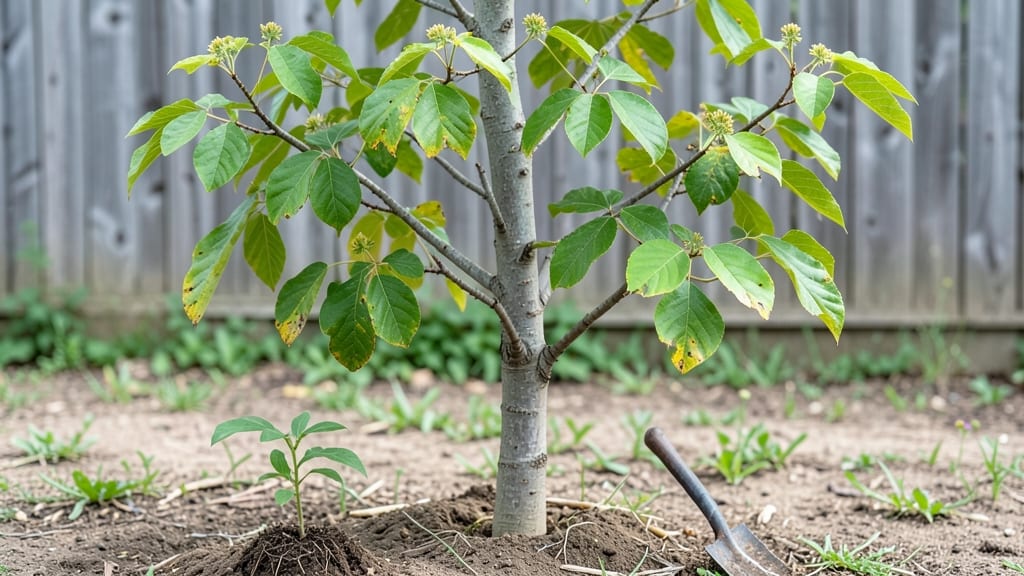
Planting sassafras trees in the Pacific Northwest means you get a tree that thrives where others struggle—frost-resistant, drought-tolerant, and adaptable to your region’s unique climate.
I’ve planted these in my own yard, and their vibrant fall foliage and spicy-sweet roots make them a standout choice for shade and wildlife support.
The key is timing: late fall or early spring when the soil is workable but not frozen, giving roots time to establish before summer heat arrives.
You’ll need a sunny spot with well-draining soil—sassafras hates soggy roots but handles dry spells once established. Dig a hole twice as wide as the root ball but no deeper, and mix in compost to loosen the native soil.
Spacing matters too: 15-20 feet apart ensures they have room to grow into their signature pyramid shape without competing for nutrients. The seedlings I’ve used come from bare-root stock, which is easier to handle than container-grown trees.
After planting, water deeply to settle the soil and encourage root spread, then mulch with wood chips to keep moisture in and weeds out. The first year is critical—you’ll see slow but steady growth, with new leaves unfurling by spring.
By year three, you’ll notice the real magic: bright yellow fall foliage, aromatic roots, and a canopy that casts dappled shade—perfect for Pacific Northwest gardens where other trees might struggle.
Common challenges? Watch for root competition from nearby plants and avoid overwatering once established. Sassafras is tough once settled, but early care makes all the difference. Ready to grow one that outlasts the frost and thrives in your yard?
📚 In This Guide
- What you need
- Instructions
- Tips and common mistakes
- Wrapping up and next steps
What you need
- ● Sassafras seedlings or saplings: 1–3 plants (choose Sassafras albidum, hardy to USDA Zones 4–9). Opt for 1–2-year-old trees (4–6 feet tall) for faster establishment.
- ● Shovel or trowel: 1 heavy-duty shovel (for digging holes) + 1 hand trowel (for delicate root work).
- ● Compost or well-aged manure: 2–3 gallons per tree (boosts soil fertility without burning roots).
- ● Mulch (wood chips, straw, or pine needles): 2–3 inches per tree (retains moisture, suppresses weeds).
- ● Watering can or hose with adjustable nozzle: 1 (for gentle, deep watering).
- ○ Organic mulch ring (optional but helpful): 1–2 feet wide (keeps mulch in place).
- ● Tree stakes (2–3 per sapling) + soft ties: Only for young trees in windy areas (Pacific Northwest tip: stake only if needed!).
- ● Soil test kit: Check pH (ideal: 5.0–7.0) and amend if needed (lime for acidity, sulfur for alkalinity).
- ● Mycorrhizal fungi granules: 1 packet (enhances root growth in native soils).
- ● Tree guard or wire mesh: To deter deer/browsing (common in PNW forests!).
- ● Drip irrigation system: For large plantings (saves time and water).
- ● Pruning shears: For shaping young trees (sterilize blades with rubbing alcohol).
Step-by-Step instructions for planting sassafras trees in the Pacific Northwest
Here's the method I've perfected for establishing hardy sassafras saplings that thrive through PNW winters.
Select and Prepare the Planting Site
Sassafras thrives in partial shade to full sun and tolerates a wide range of soil types, but it performs best in well-draining, slightly acidic soil with a pH between 5.0 and 6.5. Choose a location that receives at least 4-6 hours of sunlight daily—morning sun with afternoon shade works best in hotter microclimates. Avoid low-lying areas where cold air settles, as sassafras is more frost-sensitive when young.
Test your soil's drainage by digging a 12-inch deep hole—if water pools after 30 minutes, amend with 2-3 inches of compost or sand to improve drainage. Sassafras roots are sensitive to waterlogged conditions, which can lead to root rot. I always dig a 3-foot diameter planting area to give roots room to establish without competition from surrounding vegetation.
Acclimate and Handle the Sapling
If planting in fall or early spring, choose a bare-root sapling for best survival rates. Soak the roots in lukewarm water for 1-2 hours before planting to rehydrate them—this jumpstarts root growth. For container-grown saplings, gently remove the plant from its pot and loosen any circling roots with your fingers. Sassafras roots are fibrous, so avoid aggressive pruning unless you see tight spirals.
Inspect the sapling for pests or disease—look for chewed leaves, webbing, or black spots. If you spot any issues, treat with neem oil before planting. I always plant on a cool, overcast day to reduce transplant shock. If you must plant in full sun, do it in the late afternoon so the young tree isn’t exposed to midday heat immediately.
Dig the Hole and Plant Correctly
Dig a hole twice as wide as the root ball but no deeper—sassafras roots should sit no more than 1 inch below the original soil line. The hole should be 18-24 inches deep for a 2-3 foot sapling. Mix the removed soil with 1-2 cups of compost and a handful of bone meal (for phosphorus) to encourage root development. This ensures the planting hole has better nutrients than the surrounding soil.
Place the sapling in the hole, ensuring the root flare (where the roots meet the trunk) is level with the soil surface. Fill the hole with the amended soil, pressing gently to eliminate air pockets but avoiding compaction. Water deeply until the soil is saturated to a depth of 12 inches—you’ll know it’s right when water runs out the bottom of the hole. Mulch with 3 inches of wood chips, keeping the mulch 6 inches away from the trunk to prevent rot.
Water and Monitor for Early Growth
Water the sapling every 2-3 days for the first 4-6 weeks, ensuring the soil remains evenly moist but not soggy. Sassafras is drought-tolerant once established, but young trees need consistent moisture to develop strong roots. I use a soaker hose to water slowly at the base, avoiding wetting the leaves to prevent fungal diseases like powdery mildew.
Watch for new leaf growth—this is your signal that the tree is adapting. If leaves appear yellow or wilted, it may be overwatered or underwatered. In the Pacific Northwest’s mild winters, young sassafras can handle light frosts once established, but protect newly planted saplings with burlap wraps if temperatures drop below 20°F. Prune any dead or damaged branches in early spring to encourage healthy regrowth.
Fertilize and Maintain Long-Term Health
Apply a balanced, slow-release fertilizer (10-10-10) in early spring and again in mid-summer, following package instructions. Sassafras is a low-maintenance tree, but young specimens benefit from annual feeding to build root strength. Avoid high-nitrogen fertilizers, which promote leafy growth at the expense of root development. I also top-dress with 1-2 inches of compost in late fall to improve soil structure over time.
Mulch annually to maintain a 3-inch layer, replenishing as it breaks down. This helps regulate soil temperature and retains moisture. By year three, your sassafras should be fully established with a strong root system capable of withstanding PNW winters. Prune only to remove deadwood or crossing branches—sassafras has a natural, airy growth habit that requires minimal shaping.
Tips & tricks for planting sassafras trees in the Pacific Northwest
A few key insights will help you avoid common pitfalls and give your sassafras the best chance to thrive in our region's unique climate.
Soil Preparation Matters: In Step 1, when testing your soil's drainage, don't just rely on the 30-minute water test. I also recommend mixing in 1 part perlite or vermiculite to the 2-3 inches of compost for even better drainage. Sassafras roots are particularly sensitive to waterlogging, and this extra step creates an ideal root zone that mimics their natural forest understory habitat. The slightly acidic soil requirement is crucial—you can test your soil's pH with a simple kit available at garden centers.
Timing is Everything: The instructions mention planting in fall or early spring, but I've found that late October to early November is actually ideal for the Pacific Northwest. At this time, the soil is still warm enough to encourage root growth, but the cooler temperatures reduce transplant shock. For container-grown saplings, the 1-2 hour soaking time is perfect—just use lukewarm water to avoid shocking the roots with cold. I always add a splash of seaweed extract to the soaking water for extra stress protection.
Planting Depth and Positioning: In Step 3, getting the root flare exactly level with the soil surface is critical. I use a small wooden stake to mark the original soil level before removing the sapling from its container. For the 18-24 inch hole depth, remember that sassafras roots spread horizontally, not vertically. The wider hole gives them room to establish their characteristic shallow but extensive root system. When filling, I press the soil gently with my hands rather than stomping—this creates just enough contact without compacting.
Winter Protection Strategy: The instructions mention protecting against temperatures below 20°F, but I've developed a more comprehensive approach. After planting, I wrap the trunk and lower branches with burlap and then cover the entire tree with a lightweight frost cloth for the first winter. This two-layer system protects against both cold and windburn. In subsequent winters, once the tree is established, I only need to wrap the trunk itself. The key is to remove these protections in early spring before new growth begins.
Pro Tips for Planting Sassafras Trees
- A few key insights will help you avoid common pitfalls and give your sassafras the best chance to thrive in our region's unique climate.
- Soil Preparation Matters: In Step 1, when testing your soil's drainage, don't just rely on the 30-minute water test.
- Timing is Everything: The instructions mention planting in fall or early spring, but I've found that late October to early November is actually ideal for the Pacific Northwest.
Frequently asked questions
Got questions about planting sassafras trees?
You’re not alone! Here are answers to the most common concerns—from timing to troubleshooting—so you can grow these hardy, aromatic trees with confidence.
When is the best time to plant sassafras trees in the Pacific Northwest?
Plant sassafras in early spring (March–April) or fall (September–October) for optimal success. Avoid planting in summer heat or winter frost, as young roots are sensitive. Spring planting gives roots time to establish before summer droughts, while fall planting lets them settle before winter dormancy. Pro tip: If planting in late fall, mulch heavily to insulate roots!
How cold-hardy are sassafras trees, and do they need winter protection?
Sassafras trees thrive in USDA Zones 5–9 and tolerate temperatures down to -15°F (-26°C). In the Pacific Northwest, they rarely need extra winter protection, but young saplings (<3 years old) benefit from a 4–6 inch layer of mulch around the base. Avoid piling mulch against the trunk to prevent rot. Pro tip: If heavy snow bends branches, gently brush it off to avoid breakage!
Can I grow sassafras from seed, or should I buy a nursery-grown tree?
While sassafras can grow from seed, nursery-grown trees (1–2 years old) establish faster and are more reliable. Seeds require stratification (cold treatment) for 60–90 days to germinate, which adds time. If starting from seed, plant in late winter in a cold frame or refrigerate seeds in moist sand. For easiest results, opt for a young tree—just ensure it’s container-grown to avoid root shock!
Why aren’t my sassafras leaves turning the classic red/purple in fall?
Sassafras leaves turn bright red, purple, or yellow in fall—but only if they get full sun (6+ hours/day) and well-draining soil. Shady spots or poor drainage can dull colors. Troubleshooting: Prune nearby trees to improve light, amend heavy clay soil with compost, and avoid overwatering. Fun fact: Leaf color intensity also depends on the specific cultivar—some varieties are more vibrant than others!
Are there non-invasive alternatives to sassafras for Pacific Northwest gardens?
If you love sassafras’s fragrant foliage and adaptability but want lower-maintenance options, consider:
- Pacific Dogwood (Cornus nuttallii) – Stunning spring blooms, shade-tolerant, and native.
- Oregon Grape (Mahonia aquifolium) – Evergreen, drought-resistant, and pollinator-friendly.
- Vine Maple (Acer circinatum) – Compact, colorful fall foliage, and great for small spaces.
Wrapping up and next steps
Planting sassafras trees in the Pacific Northwest is a rewarding way to add beauty, fragrance, and resilience to your landscape. 🌿 With the right soil, location, and care, these frost-hardy trees will thrive and even offer delicious roots for tea or mulch.
Whether you're a seasoned gardener or just starting, now’s the perfect time to take the next step—dig in, plant with confidence, and enjoy the journey!
Next up: Monitor your saplings, watch them grow, and share your progress with fellow PNW gardeners. Happy planting! 🌱