Trees
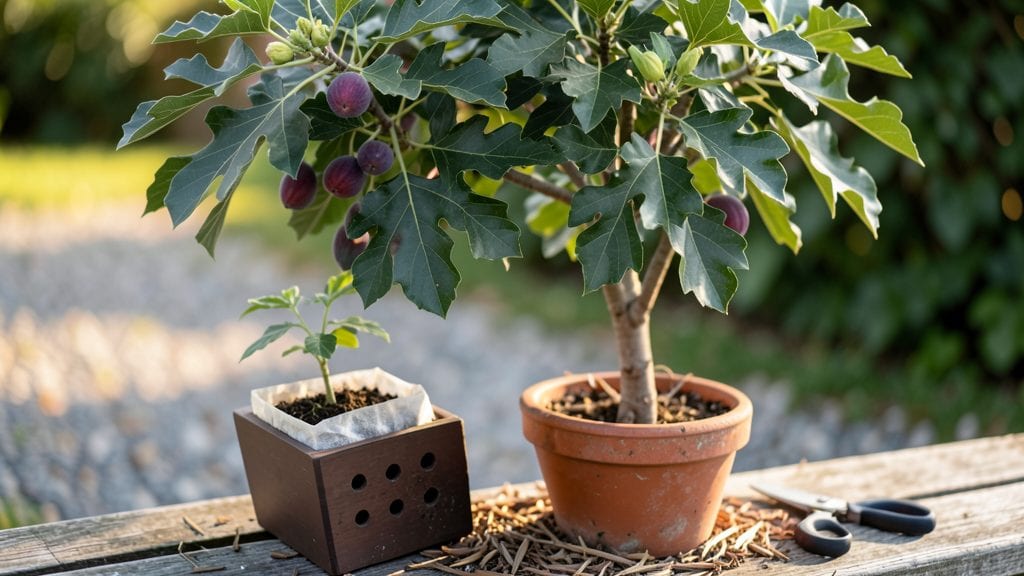
Planting box trees in containers lets you grow stunning Pacific Northwest varieties that survive winter freezes—without sacrificing curb appeal or space. 🌿 I learned the hard way that not all trees thrive in pots, but these frost-resistant picks (like dwarf Japanese maples and ornamental cherries) prove it’s possible with the right setup.
The key is matching root size to container volume, using well-draining soil, and protecting them from wind chill.
You’ll need 15-25 gallon containers for mature trees (scalable for smaller varieties), a mix of 50% potting soil and 50% perlite, and saucers to catch runoff. My favorite PNW-friendly varieties include ‘Centennial’ Japanese maple (holds color through winter) and ‘Stellar Pink’ flowering cherry (blooms reliably in Zone 7-9).
These aren’t just pretty—they’re built to handle your region’s cold snaps.
Once planted, water deeply twice a week (more in summer) and mulch with 2-3 inches of bark chips to insulate roots. The payoff? Trees that stay compact, colorful, and productive for decades—even when temps dip below freezing.
You’ll skip the backbreaking digging and still get that showstopper landscape impact every season.
Container trees need annual root checks (yes, really) and repotting every 3-5 years to refresh soil. The trade-off? You’ll avoid gophers, soil compaction, and the headache of transplant shock. Perfect for patios, balconies, or even front porches where space is tight but style isn’t.
📚 In This Guide
- What you need
- Instructions
- Tips and common mistakes
- Wrapping up and next steps
What you need
- ● Boxwood plants: Choose from frost-hardy varieties like Buxus ‘Green Velvet’ or Buxus ‘Winter Gem’ (3–5 plants per linear foot for hedges, or 1–2 for standalone trees).
- ● Planting holes: Dig holes twice as wide as the root ball and 1 inch deeper than the container.
- ○ Well-draining soil: Mix 1 part native soil with 1 part compost (optional: add perlite for sandy soil areas).
- ● Mulch: 2–3 inches of organic mulch (cedar chips or pine bark) to retain moisture and insulate roots.
- ● Watering can or hose: With a gentle spray nozzle for post-planting hydration.
- ● Garden gloves (to protect hands from thorns and rough bark).
- ● Shovel or spade (for digging holes; 18–24 inches wide for multiple plants).
- ● Pruning shears (to trim dead branches or shape new plants).
- ● Measuring tape (to ensure proper spacing—2–4 feet apart for hedges, 5+ feet for standalone trees).
- ○ Stakes & twine (optional)—for young trees in windy PNW sites.
- ○ Frost cloth (optional)—for newly planted trees during late fall/winter.
Step-by-step guide for planting frost-resistant box trees in the Pacific Northwest
Here’s how to plant boxwoods that thrive in our cool, damp climate without succumbing to frost.
🪴 Step 1: Choose the Right Variety for Pacific Northwest Conditions
Select cold-hardy boxwood varieties like 'Winter Gem' or 'Green Velvet', which tolerate temperatures down to 10°F without browning. These cultivars handle the Pacific Northwest’s wet winters and acidic soils better than traditional boxwoods. Avoid 'English Box'—it’s less resilient to our region’s dampness and can develop fungal issues.
Check the root ball for signs of drying before purchasing. Roots should feel slightly damp but not soggy. If you’re planting in late fall or early spring, timing matters—boxwoods establish best when soil temperatures are above 40°F but not yet scorching.
🌱 Step 2: Prepare the Planting Site for Optimal Drainage
Boxwoods hate soggy roots, so amend the soil with 2-3 inches of compost mixed into the top 12 inches of native soil. In heavy clay common to the PNW, blend in 1 part perlite or coarse sand to improve drainage. Test your site’s moisture by digging a 6-inch hole—if water pools after 30 minutes, raise the planting area or create a mound.
For 4 plants, dig holes twice as wide as the root ball but no deeper. Space them 3-5 feet apart for mature size, or closer (2-3 feet) if you’re using them as a low hedge. The PNW’s coastal areas may need slightly tighter spacing to prevent wind damage.
☀️ Step 3: Plant at the Correct Depth and Mulch Properly
Place the boxwood so the top of the root ball sits 1 inch above ground level—this prevents root suffocation from buried soil. Backfill with native soil mixed with compost, tamping gently to eliminate air pockets. Water deeply to settle the soil, then add a 2-inch layer of mulch (cypress or pine bark works well in PNW climates). Keep mulch 6 inches away from the trunk to avoid rot.
Here’s the thing—boxwoods in the Pacific Northwest often struggle with winter desiccation. To prevent this, water once a month during frost-free months, even if rain is frequent. You’ll know it’s time when the soil feels dry 2 inches below the surface.
🌿 Step 4: Prune for Shape and Frost Protection
Wait 3-4 weeks after planting before pruning—this lets roots establish. Then, shape lightly in early spring, cutting just outside the branch collar to encourage dense growth. Avoid heavy pruning in fall, as new growth won’t harden off before winter. In the PNW, late winter (February) is ideal for shaping, as it’s past frost but before new buds swell.
For added frost protection, apply a light layer of anti-desiccant spray (like Wilt-Pruf) in late fall. This creates a temporary barrier against winter winds and sun scald. Watch for brown leaf edges in spring—a sign of winter damage—but don’t panic. New growth will fill in within 4-6 weeks if the roots stayed healthy.
⏰ Step 5: Maintain Through the First Year for Long-Term Success
Water weekly during the first growing season, aiming for 1 inch of moisture per week. In the PNW’s rainy climate, this might mean supplemental watering even if it rains—boxwoods need consistent moisture, not just occasional downpours. Use a soaker hose to water at the base, avoiding wetting the foliage to reduce fungal risks.
Fertilize lightly in early spring with a balanced, slow-release fertilizer (10-10-10). Too much nitrogen causes weak growth that’s more prone to frost damage. By late summer, reduce watering slightly to harden off the plants before winter. You’ll know they’re ready when new growth slows and leaves turn slightly tougher.
Tips & tricks for planting frost-resistant box trees
Here's what nobody tells you about getting boxwoods to thrive in the Pacific Northwest's tricky climate—these are the details that separate a struggling hedge from a lush, frost-resistant beauty.
Soil Temperature Timing: The instructions mention soil temperatures above 40°F, but here's the thing—this is especially critical in coastal areas where ocean breezes keep soil cooler. If you're planting in early spring, check soil temps with a thermometer before digging. If it's below 40°F, wait 1-2 weeks or use black plastic mulch for 2-3 weeks to warm the soil naturally.
Root Ball Inspection: When you receive your boxwoods, don't just glance at the roots—give them a proper examination. Gently remove the burlap or container and check for any circling roots or signs of root binding. If you find them, make 2-3 vertical cuts through the root ball with a sharp knife to encourage outward growth. This is particularly important for boxwoods that spend long periods in containers before sale.
Mulch Depth and Timing: The 2-inch mulch layer is perfect, but timing matters just as much. Apply mulch immediately after planting, but wait until soil temperatures drop below 50°F in fall to add a second, thicker layer (3-4 inches) for winter protection. In coastal PNW areas, this might mean mulching as early as October. Also, keep that mulch 6 inches from the trunk—this prevents rot while still protecting roots from temperature swings.
Winter Watering Strategy: While the instructions mention monthly watering during frost-free months, here's my game-changer: in the PNW's wet climate, we often need to water less frequently than you'd think. The key is to check soil moisture at 2 inches deep with your finger—if it feels dry, water deeply. But if it's still damp from recent rains, hold off. Overwatering in winter is a common mistake that leads to root rot in our cool, damp conditions.
Pro Tips for Planting Box Trees
- Here's what nobody tells you about getting boxwoods to thrive in the Pacific Northwest's tricky climate—these are the details that separate a struggling hedge from a lush, frost-resistant beauty.
- Soil Temperature Timing: The instructions mention soil temperatures above 40°F, but here's the thing—this is especially critical in coastal areas where ocean breezes keep soil cooler.
- Root Ball Inspection: When you receive your boxwoods, don't just glance at the roots—give them a proper examination.
Frequently asked questions
Got questions about planting box trees in your Pacific Northwest garden? You’re not alone! Here are some of the most common concerns—and straightforward answers—to help you get started with confidence.
What’s the best time of year to plant box trees in the PNW?
Plant your box trees in early spring (March–April) or early fall (September–October). These windows give roots time to establish before winter’s chill or summer’s heat. Avoid planting in late fall—young trees may struggle with frost before settling in.
How deep and wide should the planting hole be for box trees?
The hole should be twice as wide as the root ball and just as deep. This prevents root stress and encourages outward growth. Loosen the sides of the hole to help roots spread into native soil. Pro tip: Amend the bottom with a handful of compost for a nutrient boost!
Can box trees survive PNW winters without extra protection?
Most frost-resistant varieties (like Buxus ‘Winter Gem’) handle PNW winters well, but young trees or severe cold snaps may need help. Mulch heavily (3–4 inches) around the base and wrap the trunk with burlap if temps dip below 10°F. Older trees usually thrive on their own!
What’s a good alternative if box trees don’t thrive in my yard?
If your soil is too acidic or compacted, try Pacific Ninebark (Physocarpus capitatus) or Oregon Grape Holly (Mahonia aquifolium). Both are PNW-native, drought-tolerant, and offer similar structure. For evergreen options, Leyland Cypress (if space allows) is another sturdy pick.
Why are my box tree leaves turning yellow or brown?
Yellowing leaves often signal overwatering or fungal issues (like box blight). Brown edges? It could be drought stress or salt buildup from winter de-icing. Prune affected branches, improve drainage, and avoid wetting foliage. Fungicide sprays (like neem oil) can help if disease spreads.
Still stumped? Drop your specific challenge in the comments—we’re happy to help!
Wrapping up and next steps
Transforming your Pacific Northwest garden with frost-resistant box trees is easier—and more rewarding—than you think! 🌿 Whether you’re adding structure, privacy, or a touch of elegance, these hardy varieties thrive in your climate while demanding minimal fuss.
Start small with a single specimen or plan a bold hedge; either way, your green thumb will thank you.
Ready to get growing? Pick your favorite variety, gather your tools, and plant with confidence! For extra success, check local nurseries or extension offices for region-specific care tips. Happy planting—your future garden awaits! 🌱