
Trees
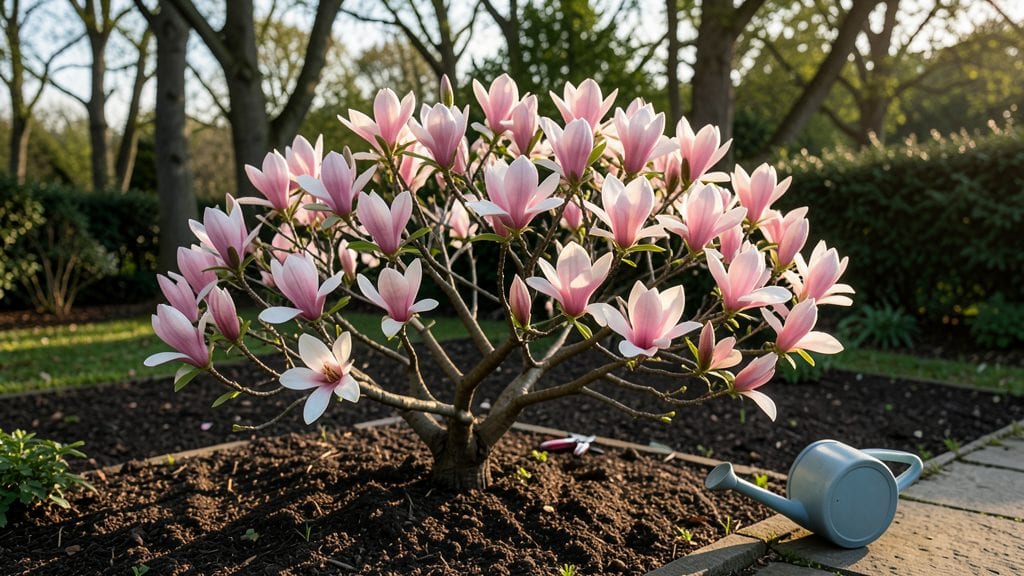
The Pacific Northwest’s pink and white flowering trees aren’t just pretty—they’re hummingbird magnets with intoxicating fragrance that turns spring into a sensory feast. 🌸 I’ve planted three varieties in my own yard, and the dogwood’s delicate blooms always steal the show, while the magnolia’s heavy perfume lingers for days.
These trees thrive in our damp, mild climate, but the right placement makes all the difference. A sunny border highlights their blooms, while a moist, well-drained spot keeps roots happy. Pair them with ferns or hostas for contrast—those deep greens make the pink and white pop even harder.
Hummingbirds arrive within weeks of first bloom, and the fragrance draws bees too.
You’ll get three seasons of interest: spring flowers, summer shade, and fall color (especially on dogwoods). The magnolia’s glossy leaves stay vibrant all year, while cherry blossoms create a dreamy canopy by June. Even small gardens can fit a dwarf variety—just choose wisely based on your space.
For maximum impact, plant one as a focal point near seating areas or pathways. In larger yards, mix heights for layered blooms. And here’s the secret: prune lightly after flowering to encourage next year’s display. Let’s make your garden a hummingbird hotspot!
📚 In This Guide
- What you need
- Instructions
- Tips and common mistakes
- Wrapping up and next steps
What you need
- ● Pink & white flowering tree sapling: Choose a native or well-adapted species like Corylus avellana 'Contorta' (Harry Lauder’s Walking Stick) or Magnolia stellata (Star Magnolia). Opt for a 1-3 gallon container size for best establishment.
- ● High-quality potting soil: 2-3 cubic feet (or a 50 lb bag) of well-draining, organic-rich soil (e.g., Miracle-Gro Garden Soil or Espoma Organic Potting Mix).
- ● Organic mulch: 2-3 inches of cedar chips or pine bark (avoid dyed mulch—it can harm roots!).
- ● Slow-release fertilizer: 1 lb of 10-10-10 or 5-10-5 organic fertilizer (e.g., Dr. Earth Tree & Shrub Fertilizer).
- ● Shovel or spade: A round-point shovel (for digging) or garden spade (for precision).
- ● Garden gloves: Heavy-duty, water-resistant gloves (e.g., Fellex Leather Palms).
- ● Watering can or hose: With a soft spray nozzle (e.g., Hozelock Adjustable Nozzle).
- ● Pruning shears: Bypass pruners (e.g., Fiskars Steel Pruners) for shaping.
- ● Measuring tape: 10-foot tape for spacing (ensure 10-15 ft from structures or other trees).
- ● Epsom salt: 1 tbsp mixed into soil at planting to boost magnesium (great for vibrant blooms!).
- ● Tree stakes & ties: 2-3 biodegradable stakes (e.g., Tree Stakes by Gardeners.com) for young saplings.
- ● Hummingbird feeder: A red glass feeder (e.g., Perky-Pet) to pair with your new pollinator magnet!
- ● Soil pH tester: To ensure your soil is slightly acidic (pH 5.5-6.5), ideal for many flowering trees.
Step-by-step guide to planting and caring for Pacific Northwest pink-and-white flowering trees
Here's how to establish your fragrant, hummingbird-friendly tree with confidence.
🌱 Step 1: Select the Right Location and Prepare the Site
Choose a spot with 6+ hours of sunlight daily—most Pacific Northwest flowering trees thrive in full sun to partial shade. Avoid low-lying areas where cold air pools, as these trees prefer well-drained soil and protection from late frosts. I always test the soil pH first; these trees prefer slightly acidic to neutral (6.0-7.0). If your soil is heavy clay, amend it with 3 inches of compost mixed into the top 12 inches of soil.
Dig a hole twice as wide as the tree's root ball but only as deep. The top of the root ball should sit 1-2 inches above ground level—this prevents water from pooling around the trunk. Loosen the sides of the hole with a shovel to encourage root spread. I like to add a 5-gallon bucket of organic mulch around the perimeter (not touching the trunk) to retain moisture and regulate soil temperature.
☀️ Step 2: Plant at the Correct Depth and Water Thoroughly
Gently remove the tree from its container and inspect the roots. If they're circling, tease them outward with your fingers—this prevents girdling as the tree matures. Place the tree in the hole so the root flare (where roots meet trunk) is visible above the soil line. Backfill with native soil, tamping lightly every 6 inches to eliminate air pockets.
Water immediately after planting with 10-15 gallons of water, enough to settle the soil completely. You'll see the ground around the base firm up and any settled areas fill in. Mulch with 2-3 inches of wood chips or bark, keeping it 6 inches away from the trunk to prevent rot. Water again in 3-5 days to encourage root establishment—this second soaking ensures the roots don't dry out during their critical first weeks.
💧 Step 3: Establish a Watering and Fertilizing Routine
For the first year, water deeply once a week (or more often in summer heat) until the soil is 6 inches deep and moist. You'll know it's right when the top 2 inches dry out between waterings—stick your finger in to check. Overwatering is the biggest mistake; soggy soil suffocates roots and invites fungal diseases. I use a soaker hose for slow, even moisture that doesn't disturb the soil surface.
Apply a balanced, slow-release fertilizer (10-10-10) in early spring and again in midsummer. Follow the package rate, but half it for the first year—new trees don't need heavy feeding. These trees respond well to organic amendments like composted manure or worm castings in late winter to boost bloom production. Prune only to remove dead or crossing branches in late winter or early spring—never prune after flowering, as next year's blooms form on current season's growth.
✂️ Step 4: Prune for Health and Encourage Abundant Blooms
Prune in late winter or early spring, before new growth begins. Remove dead, diseased, or weak wood first—this opens the canopy to better airflow and sunlight penetration. Cut back overly vigorous shoots by one-third to maintain the tree's natural shape. I always sterilize my pruners with rubbing alcohol between cuts to prevent spreading disease.
Thin out crowded branches to improve light exposure to the center of the tree. Aim for an open vase shape that lets sunlight reach all branches—this ensures even flowering. Avoid heavy pruning in fall or winter, as it stimulates new growth that won't harden off before cold weather. After pruning, apply a layer of mulch around the base (but not touching the trunk) to protect roots and retain moisture.
🪴 Step 5: Monitor for Pests and Diseases Year-Round
Inspect your tree monthly for signs of aphids, scale, or spider mites—common pests that thrive on new growth. Treat infestations early with neem oil or insecticidal soap, applying in the early morning when bees are least active. I spray the undersides of leaves first, as that's where pests hide. For fungal issues like powdery mildew, improve airflow with pruning and apply copper fungicide as a preventive measure in humid summers.
Watch for leaf curl or discoloration, which often signals environmental stress. If leaves yellow between veins, it's usually iron chlorosis—common in alkaline soils. In that case, apply chelated iron in early spring. Pacific Northwest flowering trees are generally low-maintenance, but consistent care in their first 3 years ensures they establish strong roots and develop into fragrant, hummingbird-magnet powerhouses for decades.
Tips & tricks for perfect pink-and-white flowering trees
These essential tips will help you nurture a thriving, fragrant tree that becomes a Pacific Northwest hummingbird magnet.
Soil Preparation Secret: Before planting, I always conduct a simple soil test using a DIY kit from the garden center. These trees prefer slightly acidic to neutral soil (6.0-7.0), and if your test reveals heavier clay, mix in 3 inches of compost into the top 12 inches of soil. This amendment improves drainage and mimics the natural forest floor conditions these trees evolved with. For best results, spread the compost evenly and water thoroughly to help it integrate with the native soil.
Root Ball Handling: When removing your tree from its container, gently squeeze the sides to loosen any circling roots—this prevents girdling as the tree matures. I like to use my fingers to tease apart any tightly wound roots, being careful not to damage the main root structure. The key is to create a natural, outward growth pattern that encourages the tree to establish quickly in its new home. This step often gets overlooked but makes a huge difference in long-term health.
Watering Wisdom: The initial 10-15 gallons of water after planting is absolutely critical—this settles the soil completely around the roots. I recommend using a garden hose with a gentle flow to avoid disturbing the soil structure. For the follow-up watering in 3-5 days, I use a soaker hose to deliver moisture slowly and evenly, which helps prevent surface crusting that can block water penetration. This two-step approach ensures proper root establishment during those critical first weeks.
Pruning Precision: When pruning in late winter or early spring, I always sterilize my pruners with rubbing alcohol between cuts to prevent spreading disease. Focus first on removing dead, diseased, or weak wood—this creates better airflow and sunlight penetration throughout the canopy. For overly vigorous shoots, I cut back by about one-third to maintain the tree's natural shape while encouraging stronger growth. This strategic approach prevents the tree from becoming too dense, which can reduce flowering potential.
Pro Tips for Pink And White Flowering Tree
- These essential tips will help you nurture a thriving, fragrant tree that becomes a Pacific Northwest hummingbird magnet.
- Soil Preparation Secret: Before planting, I always conduct a simple soil test using a DIY kit from the garden center.
- Root Ball Handling: When removing your tree from its container, gently squeeze the sides to loosen any circling roots—this prevents girdling as the tree matures.
Frequently asked questions
Got questions about pink and white flowering trees? You’re in the right place! Here are some of the most common queries from gardeners, homeowners, and nature lovers in the Pacific Northwest.
What’s the best pink-and-white flowering tree for attracting hummingbirds?
The Pacific Dogwood (Cornus nuttallii) is a top pick—its fragrant, pink-and-white blooms in spring and summer are irresistible to hummingbirds. Other great options include Oregon Grape (Mahonia aquifolium) and Red Flowering Currant (Ribes sanguineum), both native and hummingbird magnets!
When is the ideal time to plant a pink-and-white flowering tree?
Late fall or early spring (before buds swell) is best. The cooler temps and moist soil help roots establish before summer heat. Avoid planting in extreme heat or drought—your tree will thank you with stronger growth and blooms!
Why isn’t my flowering tree blooming this year?
Several factors could be at play: age (young trees may take 2–5 years to bloom), pruning timing (cutting back after flowering can reduce next year’s blooms), or nutrient deficiencies. Check for pests or disease too—yellow leaves or spots could signal trouble. A soil test helps!
Are there low-maintenance alternatives to Pacific Dogwood?
Try Western Redbud (Cercis occidentalis) for drought tolerance and early spring blooms, or Salal (Gaultheria shallon) for evergreen foliage and delicate white flowers. Both thrive in PNW shade and require minimal fuss.
How cold-hardy are these trees in the Pacific Northwest?
Most pink-and-white flowering PNW natives handle temps down to 0°F (-18°C) with ease. Pacific Dogwood and Red Flowering Currant are especially resilient. Just mulch well in winter to protect roots—especially for younger trees!
Wrapping up and next steps
Adding a pink and white flowering tree to your Pacific Northwest garden isn’t just about beauty—it’s about creating a vibrant, fragrant ecosystem that hummingbirds and pollinators will adore. 🌸 From the delicate blooms of the Pacific Dogwood to the bold charm of the Flowering Cherry, these trees bring color, fragrance, and life to your outdoor space.
Whether you’re a seasoned gardener or just starting, now’s the perfect time to plant one and enjoy the rewards for years to come!
Next steps:
- Research the best species for your climate and soil.
- Check local nurseries for young saplings or seeds.
- Start planning your planting spot—sunlight and drainage are key!