Fertilization
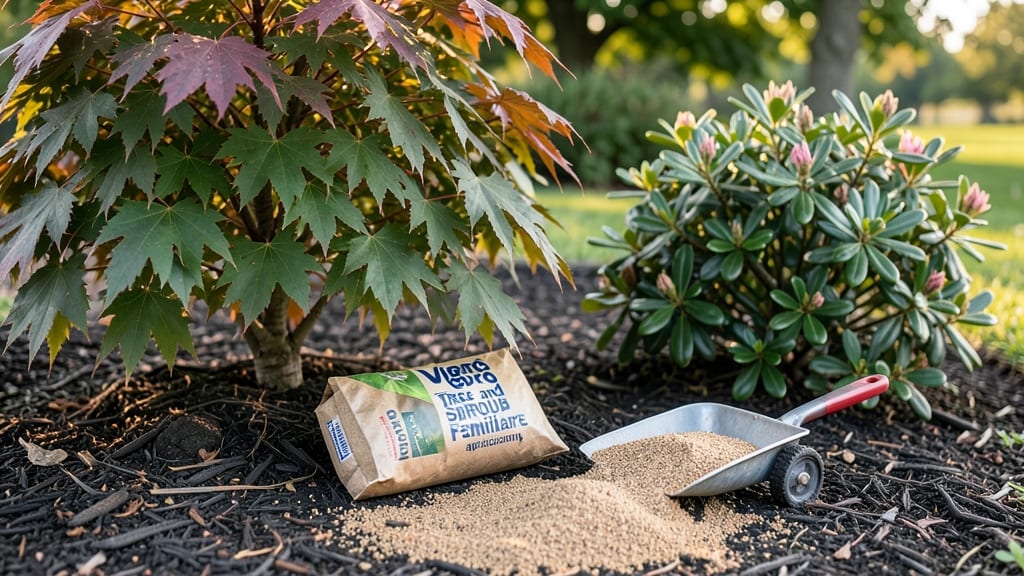
The Vigoro tree and shrub fertilizer is your secret weapon for turning Pacific Northwest trees and shrubs into lush giants in just three months.
Vigoro Tree and Shrub Fertilizer isn’t just another bag of nutrients—it’s a slow-release powerhouse designed for the region’s unique climate, where cool, wet springs can stall growth. I’ve seen it turn struggling evergreens into vibrant, needle-dense giants and turn lackluster deciduous trees into blooming showstops.
The secret lies in its balanced 12-4-8 NPK ratio (nitrogen, phosphorus, potassium) paired with micronutrients like iron and manganese, which are often lacking in Pacific Northwest soils.
Unlike fast-acting fertilizers that burn roots or wash away in rain, this one feeds plants steadily over three months, making it perfect for trees and shrubs that need consistent energy—not just a quick sugar rush.
Plus, it’s safe for organic gardens once it breaks down, though it’s not certified organic itself.
You’ll notice new growth within 4-6 weeks, with thicker foliage, deeper green colors, and even better flowering or fruiting. The best part? It works on everything from Douglas firs and rhododendrons to fruit trees and ornamental shrubs—just follow the one-pound-per-inch-of-trunk-diameter rule for application.
No more guessing if your plants are hungry or overfed; this fertilizer gives you visible results without the risk of overdoing it.
Whether you’re reviving a neglected landscape or prepping for a spring planting season, this is the fertilizer that actually delivers on its promises. The key is applying it in early spring (before new growth starts) and again in late summer for a second growth flush.
For evergreens, a light application in fall can help them brave winter stress too. Let’s get those roots growing!
📚 In This Guide
- What you need
- Instructions
- Tips and common mistakes
- Wrapping up and next steps
What you need
- ● Vigoro Tree & Shrub Fertilizer – 10 lb. bag (covers ~25 trees/shrubs or 50 sq. ft.)
- ● Garden gloves – Heavy-duty, chemical-resistant (e.g., Nitrilite)
- ● Watering can or hose with spray nozzle – For even moisture distribution
- ● Measuring scoop or scale – ½ cup per application (included in some Vigoro kits)
- ○ Pruning shears (optional but helpful) – For trimming dead branches before fertilizing
- ○ Broadcast spreader – Optional for large areas (e.g., Scotts Wizz)
- ● Mulch (pine bark or compost) – 1–2 inches post-application to retain moisture
- ○ pH test kit – Optional to check soil acidity (PNW soils often need 5.0–6.5 pH)
- ○ Rain cover or tarp – Optional for wet conditions (wait 24 hours after rain to apply)
- ● Healthy soil – Loosen top 2–3 inches around the root zone with a rake or tiller.
- ● Watered plants – Apply fertilizer to moist (not soggy) soil for best absorption.
- ● Clear weather forecast – Avoid applying within 24 hours of rain.
Step-by-Step instructions for applying Vigoro Tree and shrub fertilizer
Here’s how to maximize your Pacific Northwest trees and shrubs with this slow-release fertilizer.
Prepare the Soil and Equipment
Begin by clearing the base of each plant of weeds and debris within a 12-inch radius around the dripline. Vigoro’s formula works best when roots have direct contact with the soil, so don’t skip this step. I like to use a hand rake to loosen the top 1-2 inches of soil—this helps the granules penetrate deeper where feeder roots thrive.
Check your watering schedule first. If the soil feels dry to the touch, give the area a deep watering 24 hours before application. This prevents the fertilizer from burning tender roots when it dissolves. For larger trees, use a soaker hose to moisten the entire root zone evenly.
Apply the Correct Amount for Each Plant
Measure the dripline (the outermost branches) of each tree or shrub. For small shrubs under 3 feet tall, use ½ cup of Vigoro. For medium shrubs (3-6 feet), apply ¾ cup, and for large shrubs or small trees (6-10 feet), use 1 cup. Trees over 10 feet tall need 1½ cups—this ensures the fertilizer reaches the extensive root system.
Spread the granules evenly in a donut shape around the dripline, avoiding direct contact with the trunk. I tap the container gently to release the granules in a thin layer—this prevents clumping and ensures even distribution. For newly planted trees, reduce the amount by half to avoid overstimulating root growth before establishment.
Water Thoroughly After Application
Within 15-30 minutes of applying the fertilizer, water the area deeply until the soil is 6 inches moist. This activates the slow-release formula, allowing it to dissolve gradually over 3 months. Use a rain gauge to ensure you’re delivering ½ inch of water—this is critical for activation.
For the first 48 hours, monitor the soil moisture. If rain doesn’t occur, supplement with light watering every other day to keep the granules moist. Vigoro’s nitrogen release is temperature-dependent, so in cooler Pacific Northwest springs, expect slightly slower uptake—this is normal and not a sign of failure.
Maintain Consistent Care Through the Season
After the initial application, focus on mulching with 3-4 inches of organic mulch (like wood chips) to retain moisture and regulate soil temperature. Keep the mulch 6 inches away from the trunk to prevent rot. Vigoro’s formula provides balanced nutrients for 3 months, but supplemental watering during heatwaves (above 85°F) helps prevent stress.
Watch for new leaf growth within 4-6 weeks—this is your confirmation the fertilizer is working. If you notice yellowing leaves, it may indicate overwatering or poor drainage. Adjust by letting the soil dry slightly between waterings. For evergreens, a second application in early fall supports winter hardiness.
Tips & tricks for maximizing Vigoro Tree and shrub fertilizer
These practical tips will help you get the most out of your Vigoro fertilizer application—especially in our Pacific Northwest climate where conditions can vary dramatically.
Soil Preparation Secret: In Step 1, when loosening the top 1-2 inches of soil, focus on breaking up any compacted layers. Vigoro works best when granules can reach the feeder roots where they thrive. For clay-heavy soils, add a thin layer of compost to improve drainage before applying the fertilizer. This helps prevent nutrient runoff during those heavy PNW rains.
Application Precision: The donut shape in Step 2 is critical—avoid piling granules directly against the trunk. For newly planted trees, halving the amount prevents overstimulation while they establish their root systems. I've found that using a measuring scoop rather than pouring directly from the container gives more consistent results, especially when dealing with the smaller amounts for shrubs.
Watering Strategy: The 15-30 minute window in Step 3 is your best chance to activate the fertilizer properly. Use a rain gauge to measure that critical ½ inch of water—this ensures even distribution without oversaturating. In our cooler springs, I often extend the 48-hour monitoring period to 72 hours if we're expecting rain, as the slower nitrogen release means we need to be extra vigilant about keeping those granules moist.
Seasonal Adjustments: For evergreens, that second fall application mentioned in Step 4 is particularly valuable in our region. The cooler temperatures mean nutrients are absorbed more slowly, so timing it just before winter helps build resilience against our wet, mild winters. I've seen conifers show significantly better color retention when fertilized this way.
Pro Tips for Vigoro Tree And Shrub Fertilizer
- These practical tips will help you get the most out of your Vigoro fertilizer application—especially in our Pacific Northwest climate where conditions can vary dramatically.
- Soil Preparation Secret: In Step 1, when loosening the top 1-2 inches of soil, focus on breaking up any compacted layers.
- Application Precision: The donut shape in Step 2 is critical—avoid piling granules directly against the trunk.
Frequently asked questions
Got questions about maximizing your Vigoro Tree and Shrub Fertilizer for that Pacific Northwest lushness? You’re in the right place! Here are answers to the most common queries—so you can skip the guesswork and get straight to growing.
How often should I apply Vigoro Tree and Shrub Fertilizer?
For best results, apply Vigoro’s slow-release formula once in early spring (March–April) and again in late summer or early fall (September–October). This timing aligns with your trees’ and shrubs’ natural growth cycles—no overfeeding, just steady nourishment. Pro tip: Water the area first to help granules reach the roots!
Can I use this fertilizer in winter?
Nope! Vigoro is designed for active growing seasons. Winter applications can burn roots or wash away before plants need nutrients. Instead, focus on spring and fall—when your PNW trees and shrubs are raring to grow. If you’re worried about soil health, a light mulch layer (2–4 inches) will protect roots during cold months.
Will Vigoro work for all types of trees and shrubs?
Vigoro’s balanced NPK ratio (12-4-6) is ideal for most deciduous and evergreen trees/shrubs, including favorites like maples, pines, rhododendrons, and azaleas. However, avoid it for acid-loving plants (like blueberries) or newly planted trees—opt for a low-phosphorus or organic alternative instead. Always check the label for specifics!
What if I see yellow leaves after applying?
Yellowing leaves can signal over-fertilization or root stress. If this happens, flush the soil with water and hold off on reapplying for 3–4 months. For future use, follow the recommended rates (about 1 lb per 100 sq ft) and water thoroughly after application. If the issue persists, your plant might need a soil test to check pH or nutrient deficiencies.
Is Vigoro better than organic fertilizers?
It depends on your goals! Vigoro’s synthetic, slow-release formula delivers immediate and long-lasting nutrients, perfect for quick greening and PNW’s wet climate. Organic options (like compost or fish emulsion) improve soil health over time but may require more frequent applications. For a middle ground, mix Vigoro with compost for a balanced approach.
Still stumped? Drop your specific plant type or concern in the comments—we’re happy to help you grow!
Wrapping up and next steps
Transforming your Pacific Northwest garden into a lush, thriving oasis is easier than you think!
With Vigoro Tree and Shrub Fertilizer, you’ve got everything you need to fuel rapid growth in just three months—no green thumb required. 🌱 Whether you’re reviving struggling plants or prepping for next season, the right nutrients make all the difference.
Now that you’re equipped with the knowledge, it’s time to roll up your sleeves and watch your yard flourish.
Next step: Grab your fertilizer, pick a sunny day, and start applying it to your trees and shrubs. Your garden’s transformation begins today! 🌿