Trees
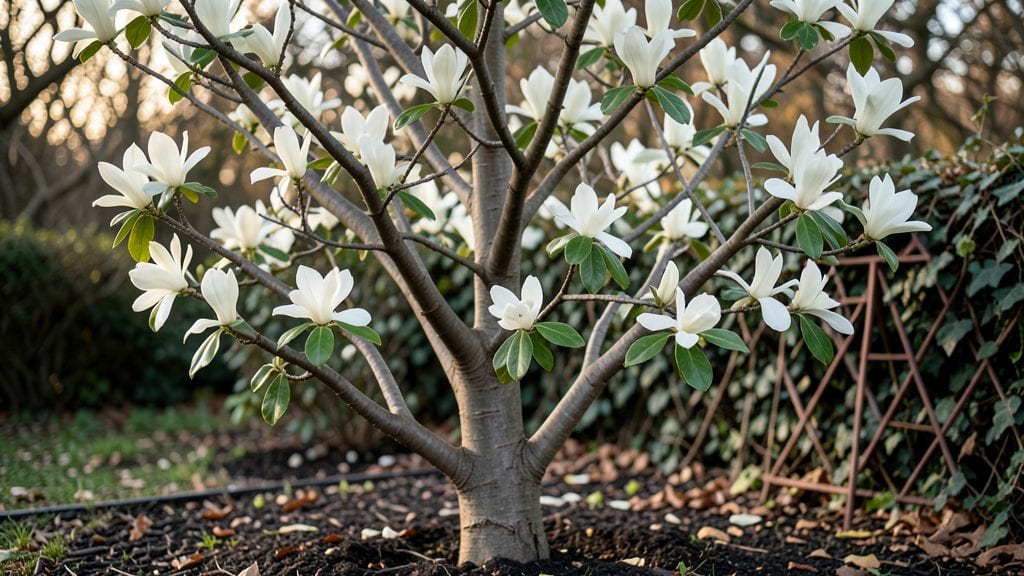
Planting a white star magnolia tree in your Pacific Northwest garden means waking up to clouds of fragrant white blooms before most trees even bud.
I’ve watched mine transform my yard from ordinary to showstopping every March, and the secret isn’t just timing—it’s knowing how to give this frost-resistant giant the perfect start. The first year sets the tone for decades of drama-free blooms, so let’s get the details right from the beginning.
This isn’t your average shade tree—Magnolia stellata thrives where others falter, handling our region’s damp winters and unpredictable springs with ease. You’ll need well-draining soil (amend clay with compost if needed) and a spot with morning sun and afternoon shade to protect those delicate petals from late frost.
Water deeply once a week after planting, then let nature take over—this tree hates soggy roots but loves consistent moisture. Prune only to shape after blooms fade, and you’ll reward yourself with football-sized flowers that last for weeks.
📚 In This Guide
- What you need
- Instructions
- Tips and common mistakes
- Wrapping up and next steps
What you need
- ● White Star Magnolia Tree: 1 bare-root or container-grown sapling (size 1–3 gallons, 3–5 ft tall) from a reputable nursery.
- ● Planting Hole: Twice as wide and deep as the root ball (use a shovel or trenching tool).
- ● Native Soil Mix: 50% native soil + 50% compost or well-aged manure (avoid heavy clay).
- ● Mulch: 2–3 inches of organic mulch (pine bark, cedar chips, or shredded leaves).
- ● Watering Can or Hose: With a gentle spray nozzle for hydration.
- ● Garden Gloves & Trowel: For handling roots and soil.
- ○ Staking System (optional but recommended): 3–4 stakes + tree ties if planting in windy areas.
- ● Slow-Release Fertilizer: Balanced 10-10-10 or organic options like fish emulsion.
- ● Root Stimulator: Mycorrhizal fungi or powdered inoculant for faster establishment.
- ● Drip Irrigation Kit: For consistent moisture in dry spells.
- ● Pruning Shears: For shaping or removing dead branches post-planting.
- ● Soil pH Test Kit: To ensure acidic soil (pH 5.0–6.0) for optimal growth.
Step-by-Step instructions for planting and establishing a White Star magnolia
This hardy beauty thrives in the Pacific Northwest’s climate—here’s how to plant it for decades of dramatic spring blooms.
Choose the Perfect Planting Site
White star magnolias demand full sun—at least 6 hours of direct sunlight daily—to produce their iconic fragrant white flowers. In the Pacific Northwest’s cooler climate, they tolerate partial shade (4-6 hours of sun) but will bloom less abundantly. I always pick a spot with well-draining soil—these trees despise soggy roots. Test your soil by digging a 12-inch hole: if water pools after 30 minutes, amend with 2-3 inches of compost or plant on a slight mound.
Consider mature size early: these trees reach 20-30 feet tall with a 15-20 foot spread. Plant at least 15 feet from structures (like houses or fences) to allow for root expansion and future pruning. In urban areas, I’ve seen them planted near sidewalks, but their roots can lift pavement over time—so check local codes if planting near hardscapes.
Prepare the Planting Hole and Soil
Dig a hole twice as wide as the root ball but no deeper—planting too deep suffocates roots and causes stress. The top of the root ball should sit 1-2 inches above ground level to prevent waterlogging during heavy rains, which the Pacific Northwest is famous for. Loosen the roots gently if they’re circling tightly in the container—this encourages outward growth instead of girdling.
Mix the native soil with the original planting mix from the container (usually a peat-based potting mix). Avoid heavy amendments like manure—magnolias prefer slightly acidic to neutral soil (pH 5.0-7.0). If your soil is clay-heavy, blend in 1 part perlite or coarse sand to improve drainage. Water the hole thoroughly before planting to settle the soil and eliminate air pockets.
Plant and Stake for Stability
Lower the magnolia into the hole, ensuring the root flare (where roots meet the trunk) is visible above soil level. Backfill with the amended soil mixture, tamping down gently in 2-inch layers to remove air gaps. Water deeply as you fill, stopping when the soil surface is 1 inch below the rim—this prevents erosion and compaction.
Stake the tree only if necessary—young magnolias have strong root systems, but in windy Pacific Northwest sites, use two stakes placed 6 inches from the trunk and tie with soft tree ties (never wire, which can girdle the trunk). Water the base thoroughly after planting, providing 1-2 gallons to encourage root spread. Mulch with 3 inches of wood chips, keeping it 6 inches away from the trunk to prevent rot.
Water and Maintain Through the First Year
Water deeply once a week during the first growing season, aiming for 1-2 inches of moisture per week. Check soil moisture by digging 2 inches down—if it’s dry, water again. Overwatering is the biggest mistake; these trees prefer consistent moisture, not soggy soil. In the Pacific Northwest’s rainy climate, you may need to reduce watering in winter unless the ground is frozen.
Fertilize lightly in early spring with a balanced, slow-release fertilizer (10-10-10)—avoid high-nitrogen blends, which promote leafy growth at the expense of flowers. Prune only to remove dead or crossing branches in late winter or early spring before buds swell. Never prune in fall, as it stimulates late-season growth that won’t harden off before winter.
Protect from Late Frosts and Encourage Future Blooms
The White Star magnolia is USDA Zone 4-9 hardy, but young trees benefit from frost protection in early spring. If frost warnings appear when buds swell, drape frost cloth over the tree or use string lights to create a 10°F warmer microclimate. These trees bloom on old wood, so avoid heavy pruning—each bud holds a year’s worth of potential flowers.
By year three, your magnolia should establish a strong root system and begin producing showy, 8-inch-wide white blooms in late spring. In the Pacific Northwest, they often bloom earlier than other magnolias, making them a standout in gardens. With proper care, these trees live for centuries, becoming a cherished landscape centerpiece.
Tips & tricks for perfect White Star magnolia planting
These pro tips will help you establish your White Star magnolia for decades of stunning blooms—especially in the Pacific Northwest's unique climate.
Sunlight Strategy: In Step 1, when choosing your planting site, prioritize the south or west side of your property for those essential 6 hours of direct sunlight. I've seen magnolias planted in partial shade still produce flowers, but they'll be fewer and smaller. For maximum blooms, consider using a reflective surface like a light-colored wall or fence on the north side to bounce extra sunlight onto the tree during winter months when days are shorter. This is particularly helpful in cloudier regions of the Pacific Northwest.
Root Ball Preparation: Before planting, inspect the root ball for any circling roots in Step 2. These roots can strangle the tree as it grows. Use a sharp knife to gently loosen them—this encourages outward growth rather than girdling. I've found that soaking the root ball for 10-15 minutes before planting helps reduce transplant shock, especially important for container-grown trees that may have dried out during shipping. Just make sure to drain any excess water before planting.
Soil Testing Wisdom: While the instructions mention testing for drainage, I recommend going a step further and getting a soil pH test. Magnolias prefer slightly acidic to neutral soil (pH 5.0-7.0), and the Pacific Northwest's natural soil can sometimes be more acidic. If your test shows pH below 5.0, amend with pulverized limestone according to package instructions. This small investment can make a big difference in your tree's long-term health and flowering potential.
Staking Secrets: When staking in Step 3, use three stakes instead of two for extra stability in windy sites. Position them at 120-degree angles around the trunk. I've seen trees topple when only two stakes are used, especially in coastal areas with strong prevailing winds. Also, check the ties every 6-8 weeks—they can become too tight as the tree grows, potentially girdling the trunk.
Pro Tips for White Star Magnolia Tree
- These pro tips will help you establish your White Star magnolia for decades of stunning blooms—especially in the Pacific Northwest's unique climate.
- Sunlight Strategy: In Step 1, when choosing your planting site, prioritize the south or west side of your property for those essential 6 hours of direct sunlight.
- Root Ball Preparation: Before planting, inspect the root ball for any circling roots in Step 2.
Frequently asked questions
Got questions about nurturing your White Star Magnolia? You’re not alone! Here are some of the most common queries from gardeners in the Pacific Northwest and beyond—plus straightforward answers to keep your tree thriving.
How cold can a White Star Magnolia handle?
The White Star Magnolia is one of the most frost-resistant magnolias, surviving temperatures as low as -15°F (-26°C). However, young trees (under 3 years old) may need winter protection like burlap wraps or mulch. Established trees in the PNW typically handle winter beautifully!
When do White Star Magnolias bloom, and how long do the flowers last?
These stars bloom late winter to early spring (February–March in the PNW), often before leaves emerge. Flowers last 7–10 days but are stunning in vase arrangements. For extended blooms, plant in full sun and ensure well-drained soil.
Why aren’t my White Star Magnolia leaves turning green?
Yellow or pale leaves often signal nutrient deficiencies (like iron chlorosis) or poor drainage. Test soil pH (ideal: 5.0–6.0) and amend with compost or iron supplements. Overwatering can also cause yellowing—ensure soil drains well.
Can I grow a White Star Magnolia in a container?
While possible, this tree thrives best in ground planting due to its size (30–40 ft tall). If container-grown, use a large pot (2+ ft wide), well-draining soil, and repot every 2–3 years. Expect slower growth and fewer blooms compared to in-ground trees.
Are White Star Magnolias fragrant?
No, these magnolias are not strongly fragrant—their appeal lies in their showy, creamy-white blooms and glossy foliage. However, they’re a great pollinator magnet for bees and butterflies!
Pro Tip:
Prune after blooming
(late spring) to shape the tree and remove dead wood. Avoid heavy pruning—White Star Magnolias bloom on old wood, so trimming too early can reduce next year’s flowers.
Wrapping up and next steps
The White Star Magnolia isn’t just a tree—it’s a statement of beauty, resilience, and timeless charm for Pacific Northwest gardens. With its stunning blooms, frost-resistant nature, and low-maintenance care, it’s the perfect addition for any outdoor space.
Whether you’re a seasoned gardener or a newcomer, planting one is a rewarding step toward creating a landscape that dazzles year after year.
Ready to bring home your own White Star Magnolia? Start by researching local nurseries or trusted online retailers, then mark your calendar for the best planting season—spring or early fall. Your future garden masterpiece is waiting! 🌸✨