
Trees
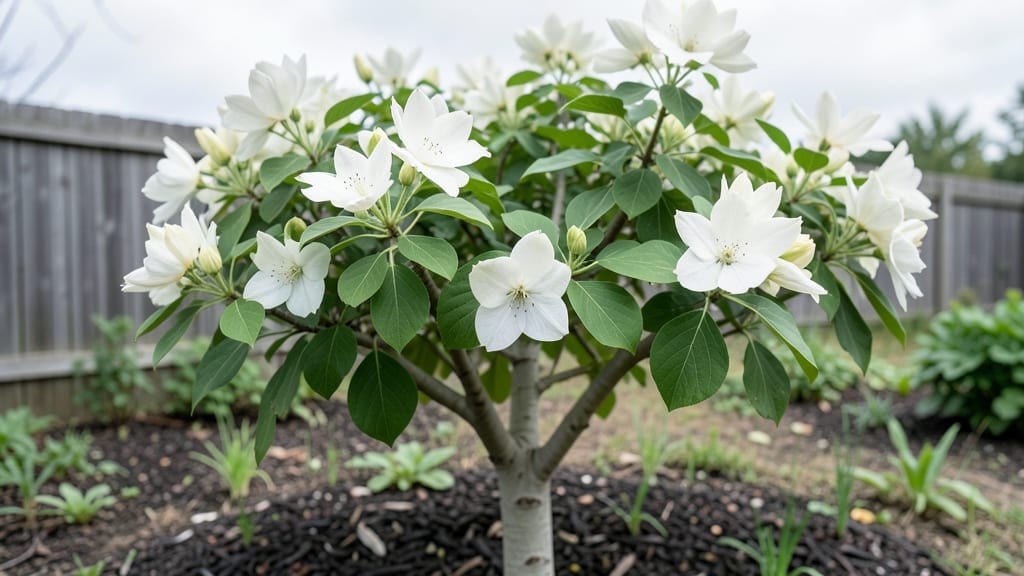
The pink flowering dogwood tree transforms Pacific Northwest gardens into dreamy spring canvases with its blush-pink blooms that stand up to late frosts. 🌸 I planted mine against the house foundation last year, and the way it catches the morning light through misty mornings—it’s like the forest moved into my backyard.
The tree’s bold, layered branches create natural vertical interest, making it a showstopper even when not in bloom.
This isn’t just a pretty face—it’s a four-season performer. Those iconic flowers last for weeks, the summer foliage turns deep red in fall, and the bark provides winter texture.
Pair it with ferns or hostas for dappled shade, or let it shine alone as a focal point under a large window where you’ll watch birds nest in its branches every spring.
For shade gardens, it’s unbeatable—casting soft, filtered light perfect for woodland perennials. In city landscapes, its frost-resistant blooms outshine many spring flowers, and its moderate size (20-30 feet) fits snugly in medium yards.
The key to design is placement: give it room to breathe while anchoring it near seating areas or pathways where you’ll linger to admire it.
Pro tip: Mulch well to protect those shallow roots, and prune only to open the center for better airflow. The payoff? A tree that feels like a living sculpture, year after year, with minimal fuss. Ready to make yours the centerpiece?
📚 In This Guide
- What you need
- Instructions
- Tips and common mistakes
- Wrapping up and next steps
What you need
- ● Pink flowering dogwood tree: 1–3 bare-root saplings (1–2 years old, 2–3 ft tall) OR
- ● 1 container-grown tree (3–5 ft tall, in a 3–5 gallon pot)
- ● Shovel: Heavy-duty, rounded blade (for digging holes up to 2 ft deep)
- ● Garden fork or trowel: For loosening soil and breaking up roots
- ● Compost or well-aged manure: 5–10 gallons (for enriching planting soil)
- ● Mulch: 2–3 inches of wood chips, pine straw, or shredded bark (avoid fresh sawdust)
- ● Watering can or hose with nozzle: For deep, gentle watering
- ○ Tree stakes (optional but recommended): 2–4 stakes (2–3 ft tall) + soft tree ties
- ● Sunlight: Partial shade to full sun (6+ hours of light, but tolerates dappled shade)
- ● Soil: Well-draining, slightly acidic to neutral pH (6.0–7.0)
- ● Amend heavy clay with compost or perlite if needed
- ● Spacing: Plant trees 15–25 ft apart (avoid overcrowding)
- ● Timing: Bare-root saplings: Plant in late fall or early spring (before buds swell)
- ● Container-grown trees: Plant anytime soil isn’t frozen
- ● Water source: Ready access for deep watering 2–3x/week for the first year
- ● Test your soil (use a pH test kit or send a sample to a local extension office) to adjust acidity if needed.
- ● For container-grown trees, soak the root ball in water for 10–15 minutes before planting.
- ● Skip fertilizer at planting—dogwoods thrive in low-nutrient soil.
- ● Mulch within 3–6 inches of the trunk to prevent rot (leave a mulch-free zone).
Step-by-step guide to planting and caring for a pink flowering dogwood tree
Here's how to establish your dogwood for decades of stunning spring blooms.
🌱 Step 1: Choose the Perfect Planting Location
Pink flowering dogwoods thrive in partial shade—4-6 hours of morning sun with afternoon shade protection. In the Pacific Northwest's cooler climate, they tolerate full sun if given consistent moisture, but leaves may scorch in hotter inland areas. I always test the spot by observing how sunlight moves across it throughout the day.
Look for well-draining soil with a slightly acidic pH (6.0-6.5). Dogwoods hate soggy roots, so avoid low spots where water pools. If your soil is heavy clay, amend with 2-3 inches of compost mixed into the top 12 inches of soil before planting. The tree's shallow root system needs loose, airy soil to establish properly.
🪴 Step 2: Plant at the Right Time and Depth
Plant your dogwood in early spring or early fall when temperatures are 50-60°F. Avoid summer heat or winter frosts—both stress young trees. Dig a hole twice as wide as the root ball but no deeper—planting too deep suffocates the roots and leads to poor growth.
Gently remove the tree from its container and loosen any circling roots with your fingers. Place it in the hole so the top of the root ball sits 1-2 inches above ground level—this prevents settling that could bury the trunk over time. Backfill with native soil (not amended mix) and water deeply to eliminate air pockets.
☀️ Step 3: Water Deeply and Mulch Properly
Water your new dogwood deeply every 2-3 days for the first 4-6 weeks until the soil is 6-8 inches deep moist. You'll know it's right when water runs out the drainage holes if planted in a container, or when the top 2 inches of soil feel damp but not soggy. Dogwoods are drought-tolerant once established but need consistent moisture to root in.
Apply 3 inches of mulch (wood chips or shredded bark) in a 3-foot diameter circle around the base, keeping it 6 inches away from the trunk. This conserves moisture, regulates soil temperature, and prevents weed competition. Replenish mulch annually—never let it pile against the trunk where it can cause rot.
✂️ Step 4: Prune for Structure in Early Spring
Wait until late winter or early spring before buds swell to prune your dogwood. Remove dead, diseased, or crossing branches first—these compete with healthy growth. Then shape the tree by cutting back overly vigorous branches to maintain an open center where light can reach all parts of the canopy.
Dogwoods bloom on old wood, so avoid heavy pruning in summer or fall. If you must prune at other times, limit cuts to no more than 25% of the canopy in any one season. Always use clean, sharp pruners and make cuts just outside the branch collar to prevent tearing. The goal is to create a strong framework that supports those iconic 4-inch pink blooms for years to come.
🌿 Step 5: Monitor for Common Pacific Northwest Challenges
Watch for powdery mildew in humid summers—it appears as white powder on leaves. Improve airflow by thinning dense branches and apply neem oil if needed. Dogwoods also attract borers in stressed trees; keep yours healthy with proper watering and avoid over-fertilizing.
In the Pacific Northwest's rainy climate, root rot is a risk if drainage is poor. If leaves yellow and wilt despite consistent watering, your tree may be sitting in soggy soil. Amend the planting area with sand or perlite and consider raising the planting mound slightly if your site stays wet. A thriving dogwood should have deep green leaves and vigorous new growth by mid-summer.
Tips & tricks for perfect pink flowering dogwood planting
A few simple tricks will help your dogwood thrive for decades of stunning spring blooms.
Sunlight Test: Before planting, observe your chosen spot throughout the day to confirm it gets 4-6 hours of morning sun with afternoon shade. I use a small flag or marker to track sunlight movement—this helps avoid scorch marks that can ruin those beautiful pink blooms. In hotter inland areas, afternoon shade is especially critical for protecting delicate leaves.
Soil Prep Secret: When amending heavy clay soil, mix in 2-3 inches of compost only into the top 12 inches of soil—not deeper. The tree's shallow roots need loose, airy soil right where they'll establish. I like to use a garden fork to gently loosen the soil before adding compost, creating perfect pockets for root growth.
Planting Depth Check: After placing your dogwood in the hole, press gently on the soil—it should settle slightly but the top of the root ball should remain 1-2 inches above ground level. This prevents the trunk from being buried over time, which can cause rot. I use a small stake marked at the right height as a reference during backfilling.
Watering Wisdom: For the critical first 4-6 weeks, water deeply until moisture reaches 6-8 inches deep. I check by inserting a screwdriver—if it goes in easily but meets resistance at 6-8 inches, you've got it right. This deep watering encourages strong root development that will support those iconic blooms for years to come.
Pro Tips for Pink Flowering Dogwood Flowering Tree
- A few simple tricks will help your dogwood thrive for decades of stunning spring blooms.
- Sunlight Test: Before planting, observe your chosen spot throughout the day to confirm it gets 4-6 hours of morning sun with afternoon shade.
- Soil Prep Secret: When amending heavy clay soil, mix in 2-3 inches of compost only into the top 12 inches of soil—not deeper.
Frequently asked questions
Got questions about the stunning pink flowering dogwood? You’re not alone! Here are answers to the most common inquiries—from planting tips to troubleshooting—so you can enjoy this Pacific Northwest favorite with confidence.
When is the best time to plant a pink flowering dogwood?
The ideal time to plant is in early spring or fall when temperatures are mild. This gives roots time to establish before summer heat or winter frost. Avoid planting in late fall or winter, as cold soil can stress young trees. If you’re in a cooler PNW climate, fall planting (September–October) is often best!
How cold can a pink flowering dogwood tolerate?
This tree is highly frost-resistant, thriving in USDA zones 5–9. It can handle temperatures as low as -20°F (-29°C), making it perfect for the Pacific Northwest’s chilly springs and winters. Just ensure it’s planted in a spot with some winter sun to prevent bark damage.
Why aren’t my dogwood flowers opening, or are they falling off?
Common culprits include late frosts (which can damage buds), overwatering (leading to root rot), or nutrient deficiencies. If flowers drop early, check for powdery mildew or pests like dogwood borers. Prune dead branches in late winter, and fertilize lightly in early spring to encourage blooms.
What’s a good alternative if I want a similar tree but with fewer pests?
If you love the look but want low-maintenance options, consider:
- Kousa dogwood (Cornus kousa): More pest-resistant, with glossy leaves and vibrant fruit.
- Serviceberry (Amelanchier): White flowers, edible berries, and great fall color.
- Oregon grape (Mahonia aquifolium): Evergreen, drought-tolerant, and pollinator-friendly.
How big should I expect my dogwood to grow, and how much space does it need?
Mature pink flowering dogwoods typically reach 20–35 feet tall with a 20–30-foot spread. Plant at least 15–20 feet from structures, fences, or other trees to allow for airflow and prevent root competition. Dwarf varieties (like ‘Cherokee Brave’) stay under 10 feet, perfect for smaller yards.
Pro Tip: Mulch well!
Apply 2–3 inches of mulch around the base (but keep it 6 inches away from the trunk) to retain moisture, regulate soil temperature, and suppress weeds. Shredded bark or wood chips work best—just refresh it annually!
Wrapping up and next steps
The pink flowering dogwood isn’t just a stunning addition to Pacific Northwest gardens—it’s a resilient, low-maintenance champion that brings joy with its vibrant blooms and graceful presence. Whether you’re a seasoned gardener or a new plant parent, this tree offers beauty, adaptability, and year-round interest. 🌸
Ready to welcome spring’s star into your landscape? Start by choosing the perfect spot, gather your supplies, and plant with confidence—your future blooms will thank you! For extra inspiration, explore local nurseries or connect with gardening communities to share your progress.