
Propagation
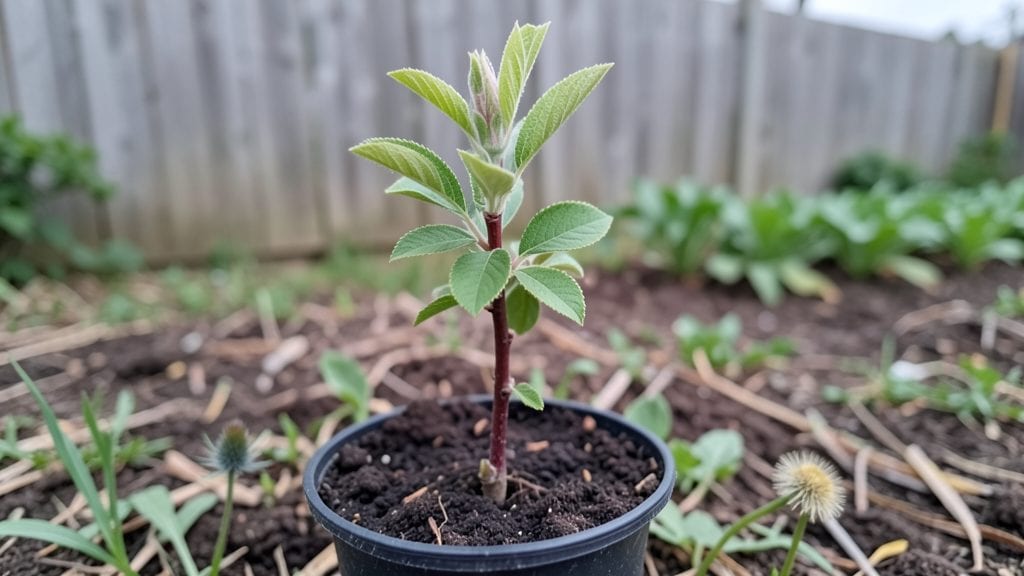
Growing a peach tree from seed is the ultimate long-game gardening project—because a single pit can turn into a cold-hardy sapling that outlasts store-bought trees. 🌱 I learned this the hard way after my first attempt took five years to flower, but the reward of a tree that thrives in your exact climate makes it worth every wait.
The key difference from grafting? Seed-grown trees develop deeper roots and natural resilience, though fruit quality takes patience (and maybe a little luck).
You only need three things to start: a fresh peach pit, a damp paper towel, and a sunny windowsill or greenhouse. The process begins with cold stratification—simulating winter—to break seed dormancy, then moves to warm germination.
Most gardeners skip this step and wonder why their pit never sprouts, but those 10-14 days in the fridge make all the difference. Once the shoot appears, it’s time to transplant into soil and watch it grow.
What you’ll end up with is a sturdy young tree that can handle your local winters better than nursery plants. The trade-off? It may take 5-10 years before you see fruit, but the roots run deep, and the tree’s lifespan stretches decades.
That first blossom—when it comes—feels like winning the gardening lottery. Here’s how to set it up right from the start.
This method works best for home gardeners in zones 5-9, where cold-hardy varieties like ‘Elberta’ or ‘Redhaven’ pits perform well. If you’re impatient for fruit, pair this sapling with a grafted branch later—but the seed-grown roots will anchor it like nothing else. Let’s get those pits sprouting!
📚 In This Guide
- What you need
- Instructions
- Tips and common mistakes
- Wrapping up and next steps
What you need
- ● Peach pit (seed): 1 fresh, organic pit from a ripe, cold-hardy peach variety (e.g., Elberta or Relenta). Avoid pits from store-bought fruit (often treated to prevent germination).
- ○ Small pots or seed trays: 2–3 biodegradable pots (3–4 inches wide) or a seed tray with drainage holes. Optional: Use a shallow container with drainage if repurposing (e.g., yogurt cup with holes poked in the bottom).
- ● Well-draining potting mix: 2–3 cups of a lightweight, sterile mix (e.g., 50% peat moss + 50% perlite or coconut coir). Avoid garden soil—it’s too dense!
- ● Plastic wrap or humidity dome: 1 sheet to create a mini greenhouse effect and retain moisture.
- ● Spray bottle: 1 for gentle watering (avoid over-saturating the seed).
- ○ Grow lights or sunny windowsill: Access to bright, indirect light (6+ hours/day). A LED grow light (optional but ideal for low-light spaces).
- ● Patience and a notepad: Track germination progress (peach seeds can take 4–12 weeks to sprout!).
- ● Stratification supplies: A refrigerator (for cold treatment) or a seed stratification kit to speed up germination (peach seeds need 60–90 days of cold to break dormancy).
- ● Fertilizer: A balanced, water-soluble fertilizer (5-5-5 or 10-10-10) for young seedlings (dilute to half-strength).
- ○ Heat mat: A seedling heat mat (optional for faster germination in cooler climates).
- ● Transplanting tools: Small trowel, peat pots, or biodegradable pots for moving seedlings outdoors later.
- ● Pruning shears: For shaping the tree as it grows (sterilize with rubbing alcohol!).
Step-by-step instructions for growing a peach tree from seed
Here's how to turn a single peach pit into a thriving sapling with minimal fuss.
🌱 Step 1: Stratify the Seed for Successful Germination
First, you'll need to break the seed's natural dormancy through a process called stratification. Place the peach pit in a small plastic bag with a damp paper towel—just enough moisture to keep it damp but not soggy. Seal the bag and refrigerate it for 8-12 weeks. Check periodically to ensure the towel stays moist; if it dries out, add a few drops of water.
This cold treatment mimics winter conditions, tricking the seed into thinking it's ready to sprout. After the stratification period, the pit will feel slightly softer when gently squeezed—this signals it's ready for planting. If you rush this step, germination rates plummet dramatically, often below 20%. Patience here pays off with stronger seedlings.
💧 Step 2: Plant the Stratified Seed in a Controlled Environment
Fill a 4-inch diameter pot with sterile potting mix (never garden soil—it's too dense and may harbor pathogens). Make a small hole about 1 inch deep and place the stratified pit inside, covering it lightly with soil. Water gently until the surface feels evenly moist but not waterlogged. Place the pot in a warm spot with indirect light—a bright windowsill with morning sun works well.
Keep the soil consistently moist but never soggy. You'll notice the first signs of germination in 4-8 weeks, when a tiny sprout breaks through the soil. At this stage, move the pot to a south-facing window or under a grow light for 12-14 hours daily. Avoid direct sunlight initially—it can scorch the delicate new leaves. A humidity dome (like a plastic bag with holes) helps retain moisture and encourages faster growth.
☀️ Step 3: Transplant and Harden Off for Outdoor Survival
Once the seedling reaches 6-8 inches tall and has 4-5 true leaves (not just the initial cotyledons), it's ready for its first transplant. Choose a 5-gallon pot with drainage holes and fill it with a mix of 50% potting soil and 50% compost. Dig a hole slightly larger than the seedling's root ball, place it in, and firm the soil gently around the base. Water deeply to settle everything.
Over the next 2-3 weeks, gradually introduce the seedling to outdoor conditions through a process called hardening off. Start by placing it outside in a sheltered, shaded spot for 1-2 hours the first day, then slowly increase exposure by 1 hour daily. By the end of this period, the sapling should tolerate full sun for 6+ hours without wilting. This slow transition prevents transplant shock, which can stunt growth or even kill young peach trees.
⏰ Step 4: Overwinter and Prepare for Fruit Production
After the first growing season, your sapling will need protection from winter cold. If you live in USDA zones 5-7, plant it in a large container and move it to an unheated garage or basement during freezing months. Water sparingly but keep the soil slightly moist. In zones 8-10, you can plant it directly in the ground, but mulch heavily with 3-4 inches of straw to insulate roots.
Peach trees grown from seed may take 5-7 years to bear fruit, and the quality won't match grafted varieties. However, the process is rewarding, and you'll develop a cold-hardy tree uniquely adapted to your climate. Watch for pink blossoms in spring—that's your first sign of progress toward fruit production. Prune lightly in late winter to encourage a strong structure, and avoid heavy pruning until the tree is at least 3 years old.
Tips & tricks for growing a peach tree from seed
Here's what I've learned from years of growing peach trees from seed—these tricks will help you avoid common pitfalls and give your sapling the best start possible.
Stratification Success: The 8-12 week cold treatment is non-negotiable for peach pits. I've tried skipping it, and germination rates dropped to less than 20%. Place your bag in the crisper drawer of your fridge where temperatures stay consistently cold. If you're impatient, you can speed up the process by using a seed stratification mat, but the fridge method is foolproof and requires no extra equipment.
Planting Depth Matters: When planting your stratified pit in Step 2, make sure it's only covered by about 1 inch of soil—any deeper and it may struggle to break through. I learned this the hard way when my first attempt took 10 weeks to sprout instead of the expected 4-8 weeks. Use your finger to gently press the soil around the pit, ensuring good contact but not compacting it too tightly.
Light Transition Strategy: The shift from indirect to direct light in Step 2 is critical. Start with a south-facing window where morning sun is gentler, then gradually move to a sunnier spot over a week. I use a simple trick: place the pot on a rotating tray so different sides get morning, afternoon, and evening sun without moving it daily. This mimics natural sun movement and prevents leggy growth.
Hardening Off Hack: For the 2-3 week hardening off period in Step 3, I create a DIY shade cloth using an old white bedsheet draped over a frame. This gives 50% shade while still allowing plenty of light. Start with just 1-2 hours of exposure the first day, then increase by 1 hour daily. Watch your seedling's leaves—they'll tell you if you're moving too fast (wilting) or too slow (yellowing).
Pro Tips for Peach Tree From Seed
- Here's what I've learned from years of growing peach trees from seed—these tricks will help you avoid common pitfalls and give your sapling the best start possible.
- Stratification Success: The 8-12 week cold treatment is non-negotiable for peach pits.
- Planting Depth Matters: When planting your stratified pit in Step 2, make sure it's only covered by about 1 inch of soil—any deeper and it may struggle to break through.
Frequently asked questions
Growing a peach tree from seed is rewarding but comes with unique challenges. Here are answers to some of the most common questions to help you succeed!
How long does it take for a peach seed to sprout?
A peach seed typically sprouts in 4–12 weeks after planting, depending on temperature, moisture, and seed viability. Keep the soil consistently moist (but not soggy) and maintain warmth (around 70–80°F) for best results. Patience is key—some seeds take longer!
Can I grow a peach tree from seed in cold climates?
Yes, but cold-hardy varieties are rare. Most peach seeds produce trees that are not winter-hardy. If you live in Zone 5 or colder, consider grafting a cold-resistant cultivar (like 'Contender' or 'Reliance') onto your seedling later. Alternatively, grow in containers and overwinter indoors.
Will my seedling peach tree bear fruit?
Peach trees grown from seed are not true to type—your fruit may differ drastically from the parent tree in size, flavor, or even color! For consistent, edible peaches, graft a known variety onto your seedling later. If you’re okay with surprises, enjoy the adventure!
What’s the best alternative if my peach seed doesn’t sprout?
If your seed fails to sprout after 3 months, try these steps:
- Test viability: Soak the seed in water for 24 hours—if it sinks, it’s likely viable.
- Try stratification: Place the seed in a damp paper towel in the fridge for 4–8 weeks to mimic winter.
- Buy a grafted tree: For guaranteed results, opt for a nursery-bought peach sapling.
Why are my peach seedlings wilting or turning yellow?
Yellowing leaves or wilting often signal overwatering, underwatering, or fungal issues. Check soil moisture (top inch should be dry), ensure pots have drainage holes, and avoid crowded seedlings. If mold appears, treat with a copper fungicide or reduce humidity.
Wrapping up and next steps
Growing a peach tree from seed is a rewarding journey that connects you to nature’s cycle—and yes, you can do it! 🌱 While patience is key (those sweet peaches won’t arrive overnight), each step—from seed selection to nurturing your sapling—builds resilience in your little tree.
With cold-hardy varieties and the right care, you’re not just growing a plant; you’re cultivating a future harvest (or even a stunning ornamental tree!). Ready to take the next step? Start small: Test your soil, monitor moisture, and celebrate every sprout!
For extra confidence, join gardening forums or tag us in your progress—we’d love to cheer you on. Happy growing!