
Propagation
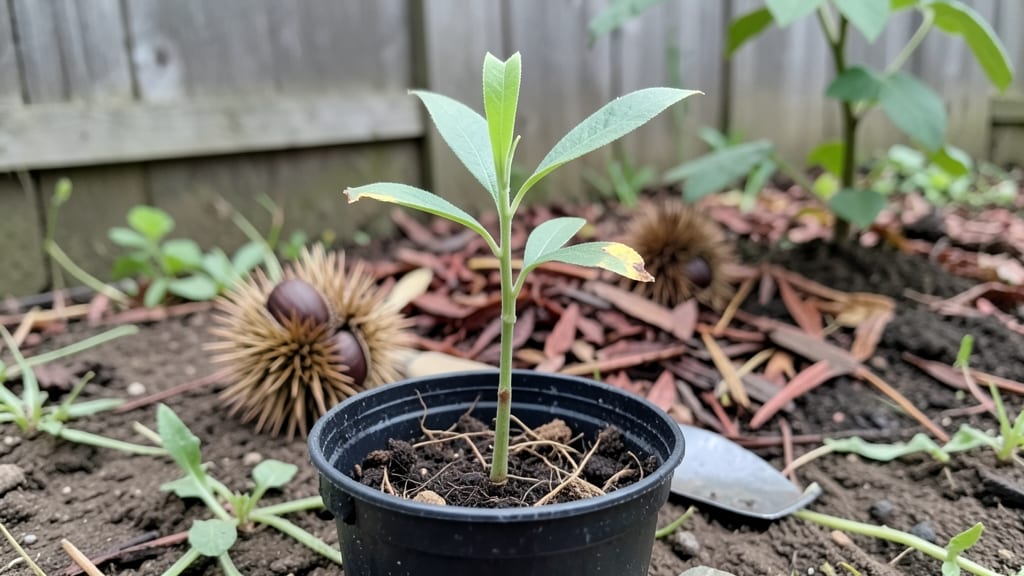
Growing chestnut trees from seed means waiting years for that first harvest—but the patience pays off with a towering, shade-providing giant that outlives us all. 🌱 The real secret isn’t the seed itself, but tricking it into breaking dormancy with a simple cold treatment that mimics winter’s work.
Without this step, your chestnut might never sprout, and even if it does, the roots stay weak and stunted.
You’ll need just three things: fresh chestnuts (not store-bought), a damp paper towel, and a plastic bag for the cold treatment. The process takes 6-8 weeks of refrigeration, but it’s the difference between a scraggly sapling and a sturdy, fast-growing tree.
Once germinated, the seedlings grow slowly at first—think 1-2 inches per year—but they reward you with decades of hardwood, wildlife habitat, and those prized nuts.
By the time your chestnut reaches 10 feet, you’ll have a tree that outshines anything from a nursery. The roots dive deep, the trunk thickens with age, and the canopy becomes a summer retreat.
The trick isn’t rushing it—it’s letting nature handle the hard work while you prepare the perfect spot with well-draining soil and full sun.
This method works best in USDA Zones 4-8, where chestnuts thrive without winterkill. For warmer climates, extend the cold treatment or plant in fall. The first few years are about patience, not perfection—just keep the soil moist and the weeds at bay.
You’re not just growing a tree; you’re planting a legacy.
📚 In This Guide
- What you need
- Instructions
- Tips and common mistakes
- Wrapping up and next steps
What you need
- ● Chestnut seeds: 3–5 fresh, plump chestnuts (harvested in fall, ideally from a healthy tree).
- ● Sandy loam soil: 1–2 gallons (or a mix of 50% potting soil + 50% perlite/sand for drainage).
- ● Pot or container: 6–8 inches deep with drainage holes (or a seed tray with individual cells).
- ● Watering can or spray bottle: For gentle moisture control.
- ● Plastic wrap or humidity dome: To maintain moisture during germination.
- ● Patience! 🕒 Chestnut seeds can take months (sometimes up to a year) to sprout.
- ● Stratification setup: A refrigerator or cold frame (to mimic winter dormancy).
- ○ Seedling heat mat: (Optional) To encourage faster germination in cooler climates.
- ● Fertilizer (balanced 10-10-10): Light application once sprouts emerge (½ tsp per pot).
- ● Sturdy stakes or trellis: For young trees as they grow taller.
Step-by-step instructions for growing chestnut trees from seed
Chestnut seeds need patience—here's how to break their dormancy and grow sturdy saplings.
🌱 Step 1: Harvest and Stratify the Seeds
Collect fresh chestnut seeds in fall when they drop from the tree. Remove the spiky husk and let the nuts dry in a cool, dark place for 2-3 weeks. This mimics winter dormancy. For faster germination, place the nuts in a plastic bag with moist peat moss and refrigerate for 3-4 months at 35-40°F. Check monthly—they're ready when the shell cracks slightly.
Don't skip stratification. Without it, seeds may take 2+ years to sprout. I've tried planting fresh seeds straight into soil, and they just sat there for months. The cold treatment tricks the seed into thinking winter's passed, so it's time to grow.
💧 Step 2: Soak and Plant in Containers
After stratification, soak the seeds in lukewarm water for 24 hours to soften the hard shell. Plant 1-2 inches deep in 6-inch pots filled with a mix of 50% potting soil and 50% perlite. Use the 4 seeds you'll grow into trees. Water lightly until the soil feels damp but not soggy.
Place the pots in a shady spot (chestnut seedlings hate direct sun at first). Keep the soil consistently moist—not wet, not dry. You'll see tiny sprouts in 4-8 weeks, but don't rush this. The first leaves will look like tiny, wrinkled green cups. That's normal.
☀️ Step 3: Gradually Harden Off and Transplant
Once seedlings reach 6-12 inches tall (usually spring of the second year), move them outside for 1-2 hours daily in partial shade. Over 2 weeks, increase their sun exposure to full morning light. Chestnuts need strong roots before full sun—transplanting too soon causes leaf scorch.
Plant in well-draining soil with acidic pH (5.5-6.5). Dig a hole twice as wide as the root ball but no deeper. Water deeply after planting, then mulch with 2-3 inches of wood chips to retain moisture. You'll know they're thriving when new leaves unfurl bright green and glossy—no yellowing.
✂️ Step 4: Prune and Care for Young Trees
Remove any dead or crossing branches in early spring. Chestnut trees grow fast—prune to keep the central leader strong. Water deeply once a week during dry spells, but let the soil dry slightly between waterings. Overwatering causes root rot, which kills young trees.
Fertilize lightly in early spring with a balanced 10-10-10 formula. Too much nitrogen makes leaves grow fast but weak. Watch for chestnut weevils—tiny holes in the husks mean pests are active. Handpick infested nuts to protect your tree.
Tips & tricks for growing chestnut trees from seed
Here's what nobody tells you about growing chestnut trees from seed—these tricks make all the difference between waiting years and seeing sprouts in months.
The Stratification Secret: For the 3-4 months of cold stratification at 35-40°F, I wrap the sealed plastic bag in a thin towel to absorb excess moisture. This prevents mold while keeping the peat moss consistently damp. Check monthly by gently squeezing the bag—it should feel like a wrung-out sponge. If the shell cracks slightly, that's your cue to move to Step 2.
Soak Smarter: The 24-hour lukewarm soak softens the hard shell, but don't let the water get too hot—aim for 90°F or slightly cooler. I use a thermometer to check, especially if I'm in a hurry. After soaking, let the seeds air-dry for 10 minutes before planting to prevent rot in the potting mix. This small step keeps your seedlings healthy from day one.
Light Management: Chestnut seedlings hate direct sun at first, but they also need light to grow. I place my pots under a shade cloth (50% block) for the first 4-8 weeks until sprouts appear. This mimics their natural forest understory. Once they're established, you can gradually move them to brighter light, but never full sun until they're 6-12 inches tall.
Transplanting Hack: When it's time to transplant, I score the bottom of the root ball with a knife before removing from the pot. This encourages new root growth into the surrounding soil. After planting, I water deeply and add 2-3 inches of wood chips—this mulch keeps moisture in while preventing weeds, which compete with your young tree for nutrients.
Pro Tips for Growing Chestnut Trees From Seed
- Here's what nobody tells you about growing chestnut trees from seed—these tricks make all the difference between waiting years and seeing sprouts in months.
- The Stratification Secret: For the 3-4 months of cold stratification at 35-40°F, I wrap the sealed plastic bag in a thin towel to absorb excess moisture.
- Soak Smarter: The 24-hour lukewarm soak softens the hard shell, but don't let the water get too hot—aim for 90°F or slightly cooler.
Frequently asked questions
Got questions about growing chestnut trees from seed? You’re not alone—this process has a few quirks! Here are answers to the most common queries to help you succeed with your slow-germination trick.
How long does it take for chestnut seeds to germinate?
Patience is key! Chestnut seeds can take anywhere from 3 months to over a year to germinate—even with the cold stratification trick. Some seeds may sprout in spring, while others wait until fall. Keep them moist and consistent; don’t rush the process!
Do I need to refrigerate the seeds before planting?
Yes! Cold stratification is critical—chestnut seeds require a 60-90 day cold period (like winter) to break dormancy. Place them in a damp paper towel or peat moss in the fridge (34–40°F) before planting. Mimics nature’s way of waking them up!
Can I grow chestnut trees from store-bought chestnuts?
Not all store-bought chestnuts work—only fresh, unroasted seeds from a tree (not hybrid varieties like "Bonbon" or "Marrons"). Look for plump, intact nuts with a smooth, glossy shell. Avoid canned or roasted chestnuts; they’re treated to prevent sprouting.
What should I do if my seed sprouts mold or rots?
Mold or rot usually means too much moisture or poor airflow. If you spot fuzzy growth, remove the seed immediately and replant it in fresh, sterile potting mix. Keep containers in a bright, shaded spot (not direct sun) and ensure drainage holes are present.
How long until my chestnut tree produces nuts?
Chestnut trees are slow growers—expect nuts in 15–20 years for grafted trees, but seed-grown trees may take 25+ years. Focus on nurturing strong roots and branches first; patience pays off with heavy, delicious harvests later!
Wrapping up and next steps
Growing chestnut trees from seed is a rewarding journey that combines patience with the joy of nurturing life. With the right techniques—like the slow-germination trick—you’ll give your future tree the strong roots it needs to thrive.
Whether you’re a seasoned gardener or a curious beginner, every small step brings you closer to a thriving orchard or a stunning shade tree!
Now that you’re armed with knowledge, take the next step: gather your supplies, pick those plump chestnuts, and start your germination process. Soon, you’ll be watching tiny sprouts emerge—proof that your green thumb is working its magic. 🌱✨