
Pruning
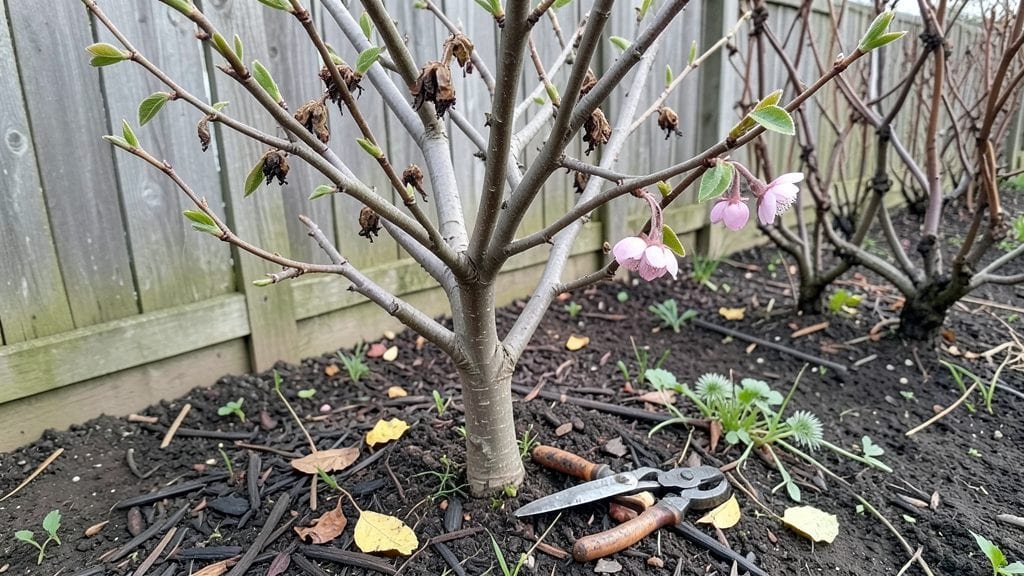
Trimming peach trees in Texas during the hot season isn’t just about shaping branches—it’s about fighting the heat to keep your tree productive and healthy. 🌞 I’ve seen firsthand how a single summer pruning session can mean the difference between a tree that struggles through Texas summers and one that thrives, bearing juicy fruit year after year.
The key is timing: prune right after harvest but before the brutal August heat sets in. You’ll need sharp bypass pruners, a saw for thicker branches, and a bottle of pruning sealant to prevent disease entry.
Texas’s dry climate means cuts heal faster than in humid areas, but pests like peach tree borers are always lurking—so clean up fallen branches immediately.
What you’ll end up with is a tree that’s easier to harvest, produces more fruit, and recovers faster from pruning. The branches will be open enough for sunlight to reach the center, reducing the risk of fungal issues that plague peach trees in our long, hot summers.
Plus, you’ll cut back on the time spent wrestling with overgrown limbs come winter.
This method works for both young trees you’re training and mature trees that need rejuvenation. The same principles apply whether you’re dealing with a backyard peach tree or a small orchard—just adjust the scale. Let’s get those branches in shape before the heat peaks.
📚 In This Guide
- What you need
- Instructions
- Tips and common mistakes
- Wrapping up and next steps
What you need
- ● Pruning shears: Bypass pruners (sharp, clean, and disinfected) for small branches (2–3 inch cuts). Pro tip: 💡 Use sterilized alcohol wipes between cuts to prevent disease spread.
- ● Loppers: For medium branches (3–6 inches thick). Opt for bypass loppers with a 36-inch handle for leverage.
- ● Pruning saw: For thick branches (>6 inches). A bow saw or pruning saw with a 10–12-inch blade works best.
- ● Gloves: Heavy-duty, cut-resistant gloves (e.g., mechanics’ gloves) to protect from thorns and sap.
- ● Ladder: A stable, extendable ladder (16–20 ft) if your tree is tall. Safety first! 🌡️ Secure it to the tree if needed.
- ● Disinfectant: 70% isopropyl alcohol or a copper-based fungicide to sterilize tools between cuts.
- ○ Sealant (optional but recommended):strong> Pruning sealant (e.g., Tanglefoot Tree Wound Pruning Seal) for cuts larger than ½ inch to prevent disease.
- ● Work bag: A durable canvas bag (10–15 gallons) to collect trimmings and tools.
- ● Work gloves with grip: For extra comfort during long sessions.
- ● Tree wound paint: If you prefer a natural seal (e.g., beeswax-based).
- ● Safety glasses: To shield from flying debris.
- ● Hose or spray bottle: For rinsing tools or cleaning sap off branches.
- ● Marking twine or flags: To tag branches for future reference (e.g., red twine for removal).
Step-by-Step instructions for trimming peach trees in Texas
Hot Texas summers demand smart pruning—here’s how to shape your peach tree for bigger fruit and better airflow.
✂️ Step 1: Prune During the Dormant Season (Late Winter)
Peach trees in Texas need their biggest pruning cut in late winter—right before buds swell but before leaves appear. This timing prevents disease spread and lets the tree heal before summer’s heat. Grab your pruning shears and loppers (for thicker branches) and start by removing dead, diseased, or crossing branches first. These are your top priorities—they rob energy from fruit production.
Look for branches that rub against each other or grow inward. Cut them back to the branch collar (the swollen area where the branch meets the trunk). Avoid leaving stubs—this invites rot. I always sanitize my tools with rubbing alcohol between cuts to stop fungal spores from jumping between branches.
☀️ Step 2: Thin Out the Canopy for Airflow (Early Spring)
Once buds break but before flowers open, do a light thinning to open up the tree’s center. Peach trees in Texas suffer from humidity and heat stress—good airflow prevents fungal diseases like brown rot. Remove 10-20% of the smallest branches from the interior, cutting them back to a lateral branch or bud. This keeps the tree’s energy focused on fruit-bearing branches rather than dense foliage.
Watch for suckers (shoots growing from the base or trunk) and water sprouts (vertical shoots). These steal nutrients from your fruit. Snip them off at the base with clean cuts. If a branch is too thick for shears, use your loppers—but never leave jagged edges.
⏰ Step 3: Light Summer Pruning After Harvest (Mid-Summer)
After your peaches are picked, do a light maintenance trim to shape the tree and encourage next year’s growth. Focus on deadheading spent flowers (if any) and lightly thinning overcrowded branches. Texas summers are brutal—prune on a cool, cloudy morning to reduce stress on the tree. Avoid heavy cuts now; you’ll risk inviting pests or disease.
Look for branches growing straight up or downward—they’re weak and won’t bear much fruit. Cut these back to a lateral branch or outward-facing bud. If a branch is damaged by storm or disease, remove it entirely. Seal larger cuts with pruning paint (optional but helpful in humid Texas summers).
🌿 Step 4: Clean Up and Monitor (Fall)
After the growing season, rake up and remove all fallen leaves and debris from under the tree. This prevents fungal spores from overwintering. Sterilize your tools again with bleach or rubbing alcohol to kill any lingering pathogens. Store pruned branches in a compost bin (not near the tree) to avoid spreading disease.
Keep an eye out for peach tree borers—a common Texas pest. If you see sawdust-like frass or holes in the bark, treat infested areas with neem oil or insecticidal soap. A healthy tree with good airflow is your best defense against pests and disease.
Tips & tricks for perfect peach tree trimming in Texas
Texas heat turns ordinary pruning into a game-changer—these pro tips will keep your peach tree thriving while preventing common mistakes that ruin fruit production.
Timing is Everything: Late winter pruning (right before buds swell) is critical—this prevents disease spread during Texas's humid summers. I always check the forecast and prune on a dry day to avoid fungal issues. The goal is to finish before spring rains arrive, which can turn fresh cuts into infection sites. Mark your calendar for late February to early March for best results.
Branch Collar Matters: When cutting back branches in Step 1, always cut just outside the branch collar—the swollen area where the branch meets the trunk. This ensures proper healing and prevents rot. I use a sharp pruning saw for thicker branches to avoid tearing, which creates entry points for pests. For smaller branches, clean cuts with pruning shears work perfectly.
Texas-Specific Airflow Strategy: In Step 2, focus on creating an open center—this is especially important in Texas's heat and humidity. I aim for a vase-like shape that allows sunlight to reach all parts of the tree. Remove any branches growing straight up or down, as these are weak and won't bear much fruit. The open canopy reduces brown rot risk by improving airflow during Texas's long, hot summers.
Tool Sanitation Can't Be Overstated: Between every cut, I sanitize my tools with rubbing alcohol or a bleach solution (1 part bleach to 9 parts water). This prevents spreading fungal spores and bacterial infections between branches. In Texas's climate, disease prevention is just as important as the actual pruning. I keep a small spray bottle of sanitizer handy during the entire process.
Pro Tips for Trimming Peach Trees Texas
- Texas heat turns ordinary pruning into a game-changer—these pro tips will keep your peach tree thriving while preventing common mistakes that ruin fruit production.
- Timing is Everything: Late winter pruning (right before buds swell) is critical—this prevents disease spread during Texas's humid summers.
- Branch Collar Matters: When cutting back branches in Step 1, always cut just outside the branch collar—the swollen area where the branch meets the trunk.
Frequently asked questions
Got questions about trimming peach trees in Texas? You’re not alone! Here are answers to the most common concerns—from timing to tools—to help you prune like a pro.
When is the best time to trim peach trees in Texas?
Prune peach trees in late winter to early spring (February–March) before buds swell. Avoid summer pruning unless removing diseased branches—heat stress can harm the tree. Pro tip: Texas’ unpredictable weather? Wait until after the last frost for safety!
Do I need special tools for truning peach trees?
Basic tools suffice: sharp bypass pruners (for small branches), loppers (medium branches), and a pruning saw (thick limbs). Disinfect tools with rubbing alcohol to prevent disease spread. No power tools? Hand pruners work—just take your time!
Will trimming reduce my peach harvest?
Not if done right! Proper pruning increases fruit quality by improving airflow and sunlight. Remove dead, crossing, or overcrowded branches—this boosts yield and fruit size. Warning: Over-pruning (removing >25% of foliage) can stress the tree and cut production.
How do I handle peach tree trimming in Texas heat?
Prune early morning or late evening to avoid heat stress. Water deeply before/after pruning, and mulch the base to retain moisture. Hot tip: If pruning in summer, focus on removing only diseased or damaged branches—limit stress on the tree.
What if my peach tree has fire blight? Should I still prune?
Yes—but sterilize tools between cuts and remove all infected branches (blackened, oozing, or wilted). Cut 6–12 inches below visible damage to prevent spread. Dispose of infected branches (don’t compost!) and apply copper fungicide afterward.
Wrapping up and next steps
Trimming your peach trees in Texas during the hot season isn’t just about aesthetics—it’s a game-changer for healthier growth and bountiful fruit.
By following the right techniques, timing, and tools, you’ll set your trees up for success, even in our sun-soaked climate. 🌞 Now that you’re armed with the know-how, roll up your sleeves—grab those pruners and give your peach trees the care they deserve!
Ready to take the next step? Schedule your first pruning session before the next heatwave hits, and watch your peach trees thrive! 🌱