Pruning
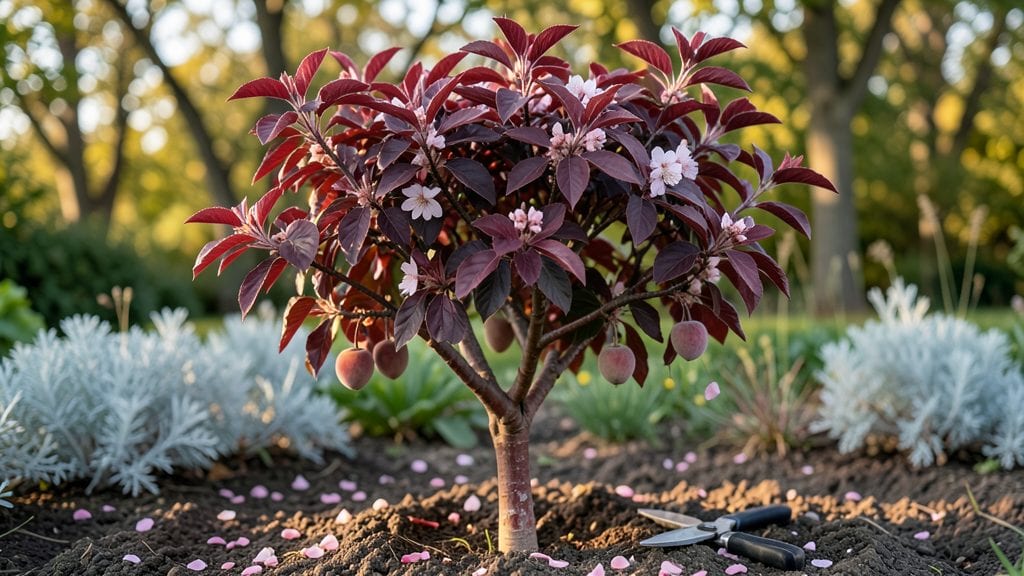
The blood peach tree thrives in the Pacific Northwest’s cooler climates, offering deep red-fleshed fruit that’s sweeter and more complex than standard varieties. 🌿 I’ve grown them for years, and the key to success lies in understanding how to prune for cold hardiness—something most guides overlook.
These trees handle our region’s damp springs and chilly summers better than you’d think, but they need the right approach to produce reliably.
Start with well-draining soil and full sun—at least 6 hours daily—and space trees 15-20 feet apart to prevent disease. The real magic happens in winter pruning: open the center to let light and air circulate, and cut back damaged branches early to encourage strong new growth.
I’ve seen trees that nearly died back to the ground in harsh winters bounce back with proper pruning, producing fruit within just 2-3 years.
You’ll end up with vibrant red fruit that’s richer in flavor than store-bought peaches, plus a tree that becomes the centerpiece of your yard. The harvest season stretches from late July to early August, and the deep color of the flesh makes every slice feel like a special occasion.
Even in our rainy climate, these trees deliver when given the right care.
This method works for both backyard gardens and small orchards, and the same principles apply whether you’re growing Redhaven or Blood Red varieties. The biggest mistake? Waiting too long to prune—do it in late winter while the tree is still dormant for best results.
Let’s get those branches shaped right from the start!
📚 In This Guide
- What you need
- Instructions
- Tips and common mistakes
- Wrapping up and next steps
What you need
- ● Blood peach tree sapling or bare-root tree (choose a cold-hardy variety like ‘Bloodpeach’ or ‘Redhaven’ for PNW climates).
- ● Well-draining soil mix (compost, perlite, and native soil in a 50/30/20 ratio for planting).
- ● Organic mulch (wood chips or straw, 2-3 inches thick) to protect roots in winter.
- ● Slow-release fertilizer (10-10-10 or organic options like fish emulsion).
- ● Bypass pruners (sharp, for clean cuts on small branches).
- ● Loppers (for thicker branches, 1.5–2 inches in diameter).
- ● Pruning saw (for large branches over 2 inches thick).
- ● Disinfectant spray (70% isopropyl alcohol or bleach solution) to sterilize tools between cuts.
- ● Garden gloves (heavy-duty, to protect from thorns and sap).
- ● Tree wrap (for young trees to prevent sunscald in winter).
- ● Drip irrigation system (to maintain consistent moisture, especially during dry PNW summers).
- ● Soil moisture meter (to monitor root zone hydration).
- ● Cold-frame or frost cloth (for young trees in late frosts).
Step-by-step guide to planting and pruning a blood peach tree in the Pacific Northwest
Here's how to establish a thriving cold-hardy peach tree that thrives in our cooler climate.
🌱 Step 1: Plant Your Blood Peach Tree in the Right Spot
Choose a location with at least 6 hours of full sun daily—peaches need warmth to ripen properly. The Pacific Northwest's cooler summers mean you'll want to maximize sunlight exposure. I always plant mine against a south-facing wall or fence to capture extra heat.
Dig a hole twice as wide as the root ball but only as deep. The top of the root ball should sit 1-2 inches above ground level—this prevents waterlogging and encourages strong root growth. Gently loosen the roots if they're circling the root ball before placing the tree in the hole.
☀️ Step 2: Protect Against Late Frosts and Winter Chill
Blood peaches need 200-400 hours of winter chill below 45°F to fruit properly, which our PNW climate provides. However, late spring frosts can damage blossoms. I wrap young trees in frost cloth during bloom time (usually late April to early May) and remove it once the danger of frost has passed.
Mulch heavily with 4-6 inches of wood chips or straw around the base, keeping it 6 inches away from the trunk to prevent rot. This insulation protects roots from both winter cold and summer heat. Water deeply after planting to settle the soil around roots—you'll see the ground firm up slightly as moisture penetrates.
✂️ Step 3: Prune for Cold-Hardiness and Fruit Production
Prune in late winter (February-March) before buds swell. Remove any dead, diseased, or crossing branches first—these are easy to spot as they'll be brown or growing inward. Cut back to an outward-facing bud to encourage proper growth patterns.
Open the center of the tree by removing 25-30% of the smallest branches to improve airflow and sunlight penetration. This prevents fungal diseases common in our damp climate. For young trees, I limit pruning to 15% of the canopy to avoid stressing the plant during establishment.
💧 Step 4: Water and Fertilize for Pacific Northwest Conditions
Water deeply once a week during the first growing season, providing 1-2 gallons per inch of trunk diameter. Our region's cool summers mean less evaporation, so you won't need to water as frequently as in hotter climates. Let the top 6 inches of soil dry out between waterings—this encourages deep root growth.
Apply a balanced 10-10-10 fertilizer in early spring and again after harvest. Blood peaches respond well to organic matter, so I top-dress with 2-3 inches of compost annually in fall. Avoid high-nitrogen fertilizers—they promote leafy growth at the expense of fruit production.
⏰ Step 5: Monitor for Common PNW Challenges
Watch for peach leaf curl, a fungal disease common in our rainy climate. Remove and destroy infected leaves immediately. I apply a copper fungicide spray in late fall and again in early spring as prevention—this timing helps protect new growth before symptoms appear.
Thin fruit when they're 1 inch in diameter to 6-8 inches apart on the branch. This ensures larger, higher-quality peaches and prevents branches from breaking under the weight. Our cooler summers mean fruit matures more slowly, so be patient—harvest when peaches easily separate from the tree with gentle twisting.
Tips & tricks for perfect blood peach tree care in the Pacific Northwest
Growing a thriving blood peach tree in our cooler climate takes some smart adjustments—here's what I've learned after years of trial and error.
Sunlight Strategy: Those 6 hours of daily sun are non-negotiable, but here's the thing: in our cloudy PNW summers, you might need to supplement with reflective surfaces. I've seen dramatic improvements by planting near a light-colored fence or wall that bounces sunlight back onto the tree. Think of it as giving your peach tree a little extra warmth boost during our cooler growing season.
Chill Hours Check: While our region typically provides the required 200-400 hours below 45°F, recent mild winters have caused issues for some growers. If you're in a particularly warm microclimate, consider planting a variety with slightly lower chill requirements (around 300 hours) for better reliability. The key is matching your location's actual chill hours to your tree's needs.
Pruning Precision: When you're removing those 25-30% of smallest branches in Step 3, focus on creating an open center that lets sunlight reach all parts of the canopy. I make my cuts just above outward-facing buds—this encourages new growth that will naturally form a more open structure. For young trees, remember that 15% limit is crucial; over-pruning can stress the tree when it's still establishing its root system.
Watering Wisdom: That once-a-week deep watering recommendation works perfectly, but here's a pro move: use a rain gauge to track your weekly rainfall. If we've had more than 1 inch of rain, you can skip that watering session. The top 6 inches drying out between waterings is your guide—stick your finger in the soil to check. Our damp climate means we often overwater without realizing it.
Pro Tips for Blood Peach Tree
- Growing a thriving blood peach tree in our cooler climate takes some smart adjustments—here's what I've learned after years of trial and error.
- Sunlight Strategy: Those 6 hours of daily sun are non-negotiable, but here's the thing: in our cloudy PNW summers, you might need to supplement with reflective surfaces.
- Chill Hours Check: While our region typically provides the required 200-400 hours below 45°F, recent mild winters have caused issues for some growers.
Frequently asked questions
How cold-hardy is a blood peach tree, and can it survive PNW winters?
A blood peach tree (Prunus persica ‘Blood’) is surprisingly tough for the PNW, tolerating temperatures down to 15°F (-9°C) with proper care. Key tips: Plant in a sheltered spot, mulch heavily in winter, and avoid late-season pruning. Young trees may need winter protection like burlap wraps or frost cloth.
When’s the best time to prune a blood peach tree in the Pacific Northwest?
Prune your tree during late winter or early spring (February–March), before buds swell but after the worst cold snaps. This timing promotes vigorous growth while avoiding frost damage. Skip summer pruning—it stresses the tree and invites disease. Pro tip: Remove dead, crossing, or diseased branches first!
What’s the difference between pruning a blood peach tree and a standard peach tree?
Blood peach trees are more cold-hardy but still need open-center pruning to improve airflow and sunlight penetration. Focus on:
- Thinning cuts (remove entire branches at the base) to reduce crowding.
- Heading cuts (shortening branches) to shape the tree and encourage fruit production.
- Avoid heavy pruning—these trees are slower to recover than standard peaches.
Why aren’t my blood peach tree’s fruits ripening, even though the tree looks healthy?
If your tree is leafy but not fruiting, check these common issues:
- Insufficient sunlight: Blood peaches need 6+ hours of direct sun daily.
- Over-fertilizing with nitrogen: Too much = lush leaves, fewer fruits. Balance with phosphorus/potassium.
- Late frost damage: Young flowers are frost-sensitive. Use frost cloth during bloom (April–May in PNW).
- Age of the tree: Young trees (under 3 years) may not fruit heavily.
Can I grow a blood peach tree in a container, or does it need to be planted in the ground?
While possible in large containers (20+ gallons), blood peach trees thrive best in the ground due to their size (15–20 ft tall) and deep root systems. If container-growing, use:
- A well-draining mix (60% soil, 30% compost, 10% perlite).
- Winter protection: Move containers to a sheltered spot or use insulation wraps.
- Frequent watering—containers dry out faster, stressing the tree.
Wrapping up and next steps
Growing a blood peach tree in the Pacific Northwest is totally doable with the right pruning know-how! By mastering cold-hardy techniques, you’ll ensure vibrant blooms, bountiful fruit, and a tree that thrives year after year. Your efforts will pay off with stunning red peaches that steal the show!
Now that you’re armed with expert tips, roll up your sleeves and get pruning—your tree (and future harvest) will thank you! Ready to take the next step? Check out our seasonal pruning calendar to keep your blood peach tree in peak shape all year. 🌱✂️