
Propagation
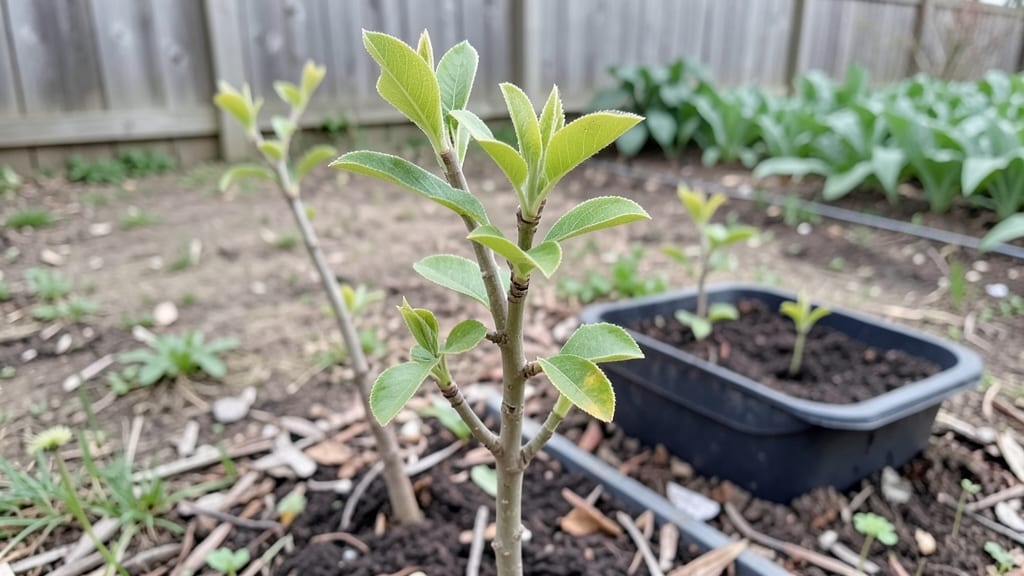
Growing a peach tree from seed to fruit is the ultimate gardening marathon—one that rewards you with sun-warmed, juicy peaches in just five years. 🌱 I started mine from a grocery store pit last spring, and now I’m watching the first blossoms form.
The key isn’t luck—it’s patience, the right soil, and knowing exactly when to prune, fertilize, and protect those delicate flowers.
This isn’t a quick project, but it’s far from complicated. You’ll need a sunny spot with well-draining soil, a sturdy pot for the first year, and a little help from nature (like cross-pollination).
Most people quit after germination, but sticking with it through the three critical growing seasons—seedling, sapling, and fruit-bearing—makes all the difference. By year five, you’ll have a tree that produces enough peaches to share with neighbors.
The payoff comes in late summer, when the branches bend under sweet, freestone peaches that taste nothing like store-bought. You’ll know you’ve done it right when the first ripe fruit gives just slightly under gentle pressure—that’s the moment years of care become worth it.
And yes, you can absolutely grow one in containers if space is tight, though full-size trees thrive in the ground.
Here’s the thing about peach trees: they’re forgiving but particular. Too much water? Root rot. Not enough sun? Stunted growth. But get it right, and you’ll have a tree that produces year after year with minimal effort.
Let’s break it down step by step—starting with the seed you already have in your pocket.
📚 In This Guide
- What you need
- Instructions
- Tips and common mistakes
- Wrapping up and next steps
What you need
- ● Peach pit (seed): 1-2 fresh, high-quality pits from a ripe, organic peach (avoid store-bought pits treated to prevent sprouting).
- ● Growing containers: 1 small pot (4-6 inches deep) for germination.
- ● 1 gallon pot (for seedling stage).
- ● 5-gallon pot (when transplanting outdoors).
- ● Potting soil: 1 bag of well-draining, sterile seed-starting mix (avoid garden soil).
- ● Watering can or spray bottle: For gentle hydration.
- ● Plastic wrap or humidity dome: To maintain moisture during germination.
- ● Fertilizer: Balanced organic fertilizer (e.g., 10-10-10 or compost tea) for seedlings.
- ● Slow-release citrus/peach-specific fertilizer (e.g., 6-6-6) for mature trees.
- ● Pruning shears: Sharp, sterilized shears for trimming.
- ● Trowel or small shovel: For transplanting.
- ○ Grow lights (optional): LED or fluorescent for indoor seedlings (12-16 hours/day).
- ● Mulch: Organic mulch (e.g., straw or wood chips) to retain moisture.
- ● pH test kit: To monitor soil acidity (ideal pH: 6.0-7.0).
- ● Climate: Peach trees thrive in USDA Zones 5-9 with full sun (6+ hours/day).
- ● Patience: Seed-grown trees take 5-7 years to bear fruit (vs. 2-3 years for grafted trees).
- ● Cross-pollination: Plant at least two peach trees for fruit production (unless your seed is from a self-pollinating variety).
How to grow a peach tree from seed to fruit
Here's the straightforward method I've used to nurture peach trees from seed to fruit-bearing maturity.
🌱 Step 1: Select and Prepare the Seed
Start with a fresh, high-quality peach pit from a ripe, organic peach—avoid store-bought fruit treated with sprays. Remove the pit, clean off all flesh, and let it dry for 2-3 days at room temperature. This prevents mold and prepares it for stratification.
Place the dried pit in a plastic bag with slightly damp sphagnum moss or a paper towel. Seal the bag and refrigerate for 8-12 weeks—this mimics winter's cold period and breaks seed dormancy. Check monthly to ensure the moss stays lightly damp but not soggy.
☀️ Step 2: Germinate and Transplant the Seedling
After stratification, plant the pit 1 inch deep in a small pot filled with well-draining potting mix. Keep the soil consistently moist (not wet) and place the pot in a warm, sunny spot. Germination can take 3-6 weeks, so be patient—you'll know it's working when a tiny sprout emerges.
Once the seedling reaches 4-6 inches tall with 3-4 true leaves, transplant it into a larger pot (at least 1 gallon) or directly into the ground in a permanent location. Choose a spot with full sun (6+ hours daily) and well-draining soil—peach trees hate soggy roots.
🌿 Step 3: Care for the Young Tree
Water deeply once a week during the first year, ensuring the soil is moist to a depth of 6 inches. Mulch around the base with 2-3 inches of organic mulch to retain moisture and regulate soil temperature. Fertilize lightly in spring with a balanced 10-10-10 fertilizer to encourage strong root and shoot growth.
Prune any dead, damaged, or crossing branches in late winter or early spring. This keeps the tree healthy and shapes its structure early. Watch for signs of pests like aphids or peach leaf curl—treat with neem oil or copper fungicide if needed. By year 3, your tree should be 6-8 feet tall with a sturdy trunk.
⏰ Step 4: Support the Tree for Fruit Production
By year 4, your peach tree will need more support. Stake it if necessary to prevent wind damage, and ensure it gets full sun and consistent watering (1-2 inches per week). Apply a high-phosphorus fertilizer in early spring to promote flowering. Thin out excess branches to improve airflow and fruit development.
Peach trees typically bear fruit 4-6 years from seed, so be patient. Once flowers appear, protect them from frost and pollinate by hand if necessary (peaches are self-pollinating but benefit from cross-pollination). Harvest fruit when it's fully colored and slightly soft to the touch—usually in late summer.
🍑 Step 5: Maintain for Long-Term Fruit Production
After the first harvest, prune annually in late winter to remove dead wood and shape the tree. Thin out crowded branches to ensure proper airflow, which reduces disease risk. Fertilize lightly in early spring and water deeply during dry spells, especially during fruit development.
Watch for common issues like brown rot or peach scab—prevent them with proper spacing, sanitation, and fungicidal sprays if needed. With consistent care, your peach tree will produce fruit for decades, rewarding your patience with sweet, homegrown peaches.
Tips & tricks for growing a peach tree from seed
Growing a peach tree from seed takes patience and care, but these tips will help you avoid common pitfalls and maximize your success.
Seed Selection Matters: Don't just grab any peach pit—choose one from a ripe, organic peach that's been grown in your region. Store-bought fruit often has chemical treatments that can inhibit germination. I always look for pits from heirloom varieties when possible, as they tend to produce more reliable trees. The size of the pit also matters: larger pits usually indicate healthier seeds.
Stratification Success: That 8-12 week cold period in Step 1 is absolutely critical. I've learned the hard way that skipping or shortening this process often results in weak seedlings that struggle to grow. Place a small note on your refrigerator bag so you don't forget to check it monthly. If you notice mold developing, discard the pit immediately and start fresh with a new one—mold means the pit has spoiled.
Germination Environment: When planting your stratified pit in Step 2, keep the soil consistently moist but never soggy. I like to use a clear plastic dome or bag over the pot initially to create a mini greenhouse effect, which helps speed up germination. Once you see the first sprouts, remove the cover immediately to prevent fungal growth. Place your pot in the warmest, sunniest spot you have—even a south-facing windowsill works well initially.
Transplanting Timing: Wait until your seedling reaches 4-6 inches with 3-4 true leaves before transplanting—this gives it enough strength to handle the move. I've found that transplanting too early often results in shock and stunted growth. When moving outdoors, do it on a cloudy day or in the evening to reduce stress on the young plant. Water thoroughly before and after transplanting to help it establish in its new home.
Pro Tips for Peach Tree From Seed To Fruit
- Growing a peach tree from seed takes patience and care, but these tips will help you avoid common pitfalls and maximize your success.
- Seed Selection Matters: Don't just grab any peach pit—choose one from a ripe, organic peach that's been grown in your region.
- Stratification Success: That 8-12 week cold period in Step 1 is absolutely critical.
Frequently asked questions
Got questions about growing a peach tree from seed to fruit? You’re not alone! Here are some of the most common queries—plus straightforward answers to help you avoid pitfalls and maximize your harvest.
How long does it take for a peach tree grown from seed to bear fruit?
A peach tree grown from seed typically takes 5–7 years to produce fruit, though some varieties may take longer. Patience is key—seed-grown trees are not grafted (like nursery trees), so they’re less predictable. To speed things up, choose a self-pollinating variety or plant a second tree nearby for cross-pollination.
Can I grow a peach tree from seed indoors, or does it need to be outside?
Peach seeds must be stratified (cold-treated) before sprouting, so starting indoors is tricky—but possible! Soak the pit in water for 24 hours, then refrigerate it in a damp paper towel for 4–6 weeks to mimic winter. Once sprouted, transplant it outside after the last frost. Note: Seedlings are delicate; direct outdoor planting (after stratification) is easier for beginners.
Will my homegrown peaches taste the same as store-bought?
Probably not—and that’s the fun part! Seed-grown peaches often have unique flavors (sometimes sweeter, sometimes tart) because they’re not cloned from commercial varieties. However, they may be smaller, less uniform, or prone to cracking. For consistent taste, graft a known variety onto your seedling later. Bonus: Homegrown peaches are way fresher and packed with more nutrients!
What’s the biggest challenge when growing peach trees from seed?
The top three hurdles are:
- Disease susceptibility: Seedlings lack the disease resistance of grafted trees. Use resistant rootstock or spray with neem oil preventatively.
- Pollination issues: Many peaches need cross-pollination. Plant two trees 50+ feet apart for better fruit set.
- Patience: Seedlings grow slowly at first. Prune regularly to encourage strong branches.
Can I grow a peach tree in a container, or does it need garden space?
Peach trees can grow in containers, but they’re not ideal for heavy fruit production. If you must pot yours:
For best results, plant in the ground where roots can spread freely. Containers work for small trees or urban growers—but expect fewer peaches than in-ground trees.
Wrapping up and next steps
Growing a peach tree from seed to fruit is a rewarding journey that blends patience, care, and a touch of magic—because nothing beats the taste of a peach you’ve nurtured yourself! 🌱 From selecting the perfect seed to savoring your first homegrown harvest, every step is a lesson in resilience and joy.
Now that you’re armed with the know-how, it’s time to roll up your sleeves and plant that seed—your future peach tree is waiting!
Ready to take the next step? Start small:
- Pick a sunny spot in your yard or garden.
- Grab your supplies and follow the steps—one season at a time.
- Celebrate each milestone, from sprouts to blossoms to fruit!