
Pruning
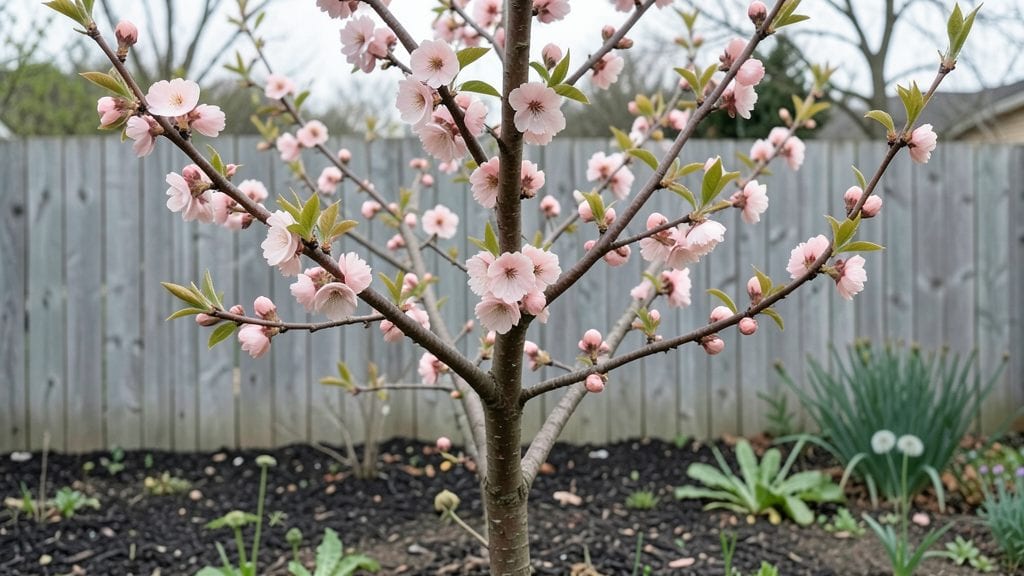
A peach-colored flowering tree turns your Pacific Northwest garden into a hummingbird magnet. 🌸 These frost-resistant beauties—like the Cercis canadensis 'Forest Pansy' or Prunus sargentii—bring soft blush blooms that stand out against evergreen backdrops.
Their delicate petals contrast perfectly with deep greens or bold purples, creating a showstopping focal point.
What makes them special? They thrive in zones 5-8, handle late frosts, and attract pollinators all season. Plant them near patios or entryways where you can enjoy their fragrant blooms up close. Pair with lavender or ornamental grasses for a layered, textured look that feels effortlessly refined.
You’ll love how they transform a space from ordinary to extraordinary—imagine spring mornings filled with the hum of hummingbirds sipping nectar from their blossoms. The trees even put on a fall show with golden foliage, extending their seasonal appeal.
Perfect for both urban courtyards and rural landscapes, these trees adapt beautifully to different soil types and light conditions. Whether you’re designing a pollinator garden or adding color to a shady corner, they deliver year-round interest with minimal fuss.
📚 In This Guide
- What you need
- Instructions
- Tips and common mistakes
- Wrapping up and next steps
What you need
- ● Peach-colored flowering tree: Choose a frost-resistant variety like Prunus sargentii (Sargent Cherry) or Exochorda × macrantha (Pearl Bush). Ensure it’s 1–3 years old for best transplant success.
- ● Shovel or tree spade: A round-point shovel (16–18 inches wide) for digging planting holes or a tree spade for minimal root disturbance.
- ● Pruning tools: Bypass pruners (for branches ½-inch thick)
- ● Loppers (for branches ½–2 inches thick)
- ● Pruning saw (for branches 2+ inches thick)
- ● Gloves: Heavy-duty gardening gloves (nitrile-coated for grip and protection).
- ● Mulch: 3–4 inches of organic mulch (cedar chips, pine bark, or compost) to retain moisture and protect roots.
- ● Root stimulator: A mycorrhizal fungus powder or rooting hormone gel to boost establishment.
- ● Tree stake & ties: For young trees in windy PNW areas (use soft fabric ties to avoid girdling).
- ● Soil amendments: Compost or well-rotted manure to improve drainage in heavy clay soils.
- ● Hose with nozzle: For gentle watering post-planting (aim for 1–1.5 gallons per day for the first 2 weeks).
- ● Disinfectant: 70% isopropyl alcohol or bleach solution (1:9 ratio) to clean pruning tools between cuts.
- ● Location: Choose a spot with full sun (6+ hours/day) and well-draining soil. Avoid low areas where frost or water pools.
- ● Timing: Planting: Late fall or early spring (avoid summer heat).
- ● Pruning: Late winter to early spring (before buds swell).
- ● Safety: Wear closed-toe shoes and eye protection when pruning large branches.
Step-by-step guide to planting and caring for peach-colored flowering trees
These stunning trees thrive in the Pacific Northwest’s climate and attract hummingbirds year after year.
🌱 Step 1: Choose the Right Tree Variety for Your Climate
For the Pacific Northwest’s frost-prone winters, opt for varieties like Prunus cerasifera 'Pissardii' (Purple Leaf Plum) or Exochorda 'The Bride'—both offer peach-colored blooms and tolerate 10-20°F without damage. Avoid tender species like Japanese cherry, which succumb to cold snaps below 25°F. Check your hardiness zone (PNW ranges from Zone 6-9) and select a tree labeled for your specific area.
I always verify the tree’s mature size—15-25 feet is ideal for most yards—so it doesn’t outgrow its space. Dwarf varieties like Prunus 'Flame' (10-12 feet) work well for smaller gardens. Look for 1-3 gallon container-grown trees at nurseries; they establish faster than bare-root stock in colder regions.
🪴 Step 2: Select and Prepare the Planting Site
Peach-colored flowering trees crave full sun (6-8 hours daily) and well-draining soil. In the PNW’s damp climate, avoid low-lying areas where water pools—roots rot quickly in soggy conditions. Test your soil’s drainage: dig a 12-inch hole, fill it with water, and wait. If it drains in under 2 hours, the site is safe. If not, amend with 2-3 inches of compost mixed into the top 12 inches of native soil.
Space the planting hole twice the tree’s root ball width away from structures, sidewalks, or other plants. For example, a 5-gallon tree needs a hole 3 feet wide and deep. Loosen the native soil around the edges with a shovel to encourage root spread. In windy PNW sites, plant on the leeward side of fences or buildings to reduce stress.
💧 Step 3: Plant at the Correct Depth and Water Thoroughly
Remove the tree from its container and gently loosen the roots if they’re circling. Place it in the hole so the top of the root ball sits 1-2 inches above ground level—settling will occur over time. Backfill with native soil (don’t use amended mix here) and tamp lightly every 3 inches to eliminate air pockets. Water deeply to 1 inch below the root ball to encourage roots to expand into surrounding soil.
Mulch the base with 2-3 inches of wood chips, keeping it 6 inches away from the trunk to prevent rot. In the PNW’s cool, wet springs, mulch retains soil warmth and prevents temperature fluctuations that stress young roots. Water 2-3 times per week for the first month, then taper to once weekly once leaves appear—deep soaking is key, not light sprinkles.
☀️ Step 4: Provide Seasonal Care for Frost Resistance and Blooms
In late winter (just before buds swell), apply a 2-inch layer of mulch to insulate roots from 20-30°F frosts. Prune in late winter or early spring (before buds break) to remove dead, crossing, or weak branches. Cut just above a bud facing outward to encourage an open canopy—this prevents snow or ice buildup that can snap branches in PNW winters.
Fertilize in early spring with a balanced 10-10-10 formula (follow label rates) to support blooming. Avoid high-nitrogen fertilizers—they promote leafy growth at the expense of flowers. In summer, water deeply every 10-14 days if rainfall is scarce. Watch for aphids or spider mites (common in PNW summers)—spray with neem oil if you spot sticky residue on leaves.
⏰ Step 5: Prepare for Winter and Encourage Hummingbirds
By mid-October, reduce watering to every 2-3 weeks unless the ground is frozen. In Zone 6-7, wrap the trunk of young trees with burlap or tree guard to protect against rodent gnawing and sunscald (common in PNW’s cold snaps). Older trees (5+ years) rarely need protection. Prune again in late winter to remove any frost-damaged branches—healthy wood is smooth and green, while dead wood is brown and brittle.
Hummingbirds are drawn to peach-colored blooms—plant near sunny windows or patios where you can watch them feed. Leave seed heads or dead flowers on the tree in fall/winter; they provide winter interest and food for birds. If the tree fails to bloom, it may need more sunlight or less nitrogen—adjust care accordingly.
Tips & tricks for perfect peach-colored flowering trees
Here's what I've learned after years of growing these stunning trees in the PNW—details that make all the difference between a struggling plant and a thriving hummingbird magnet.
Hardiness Zone Double-Check: The instructions mention Zone 6-9 suitability, but I can't stress enough how critical this is. If you're in Zone 6, opt for Exochorda 'The Bride'—it handles the colder winters better. In Zone 9, you can push the limits with varieties like Prunus cerasifera 'Pissardii', but watch for heat stress in summer. I always verify with my local extension office if I'm on the border between zones.
Root Ball Preparation Secret: When you remove your 1-3 gallon container-grown tree from its pot, don't just shake off the soil—gently tease apart the roots with your fingers. This prevents the "pot-bound" shock that causes many newly planted trees to struggle. I've seen trees that looked healthy in the pot fail within weeks because their roots were circling tightly. This simple step gives them a much better start in their new home.
Sunlight Strategy for Cloudy Days: The instructions call for 6-8 hours of full sun daily, but let's be real—PNW summers have plenty of overcast days. If your site gets only 4-5 hours of direct sun, choose Exochorda varieties which tolerate partial shade better than Purple Leaf Plums. I've had great success with 'The Bride' in my 5-hour sun spot—it still produces those gorgeous peach blooms, though slightly later in the season.
Winter Protection Hack: For young trees in Zone 6-7, I've found that wrapping the trunk with burlap or tree guard isn't just about rodents—it also creates a microclimate that prevents sunscald. Paint the south-facing side of the trunk with white latex paint (yes, the kind for walls) before adding your protective wrap. This reflects sunlight away during winter days when the sun can actually burn the bark. I've saved multiple trees this way after forgetting to wrap them in time.
Pro Tips for Peach Colored Flowering Tree
- Here's what I've learned after years of growing these stunning trees in the PNW—details that make all the difference between a struggling plant and a thriving hummingbird magnet.
- Hardiness Zone Double-Check: The instructions mention Zone 6-9 suitability, but I can't stress enough how critical this is.
- Root Ball Preparation Secret: When you remove your 1-3 gallon container-grown tree from its pot, don't just shake off the soil—gently tease apart the roots with your fingers.
Frequently asked questions
Got questions about peach-colored flowering trees? You’re not alone! Here are some of the most common queries—and their answers—to help you grow (and enjoy) these stunning hummingbird magnets with confidence.
What’s the best time to prune a peach-colored flowering tree?
Prune your tree right after flowering (late spring to early summer) to encourage fresh blooms for next season. Avoid heavy pruning in fall or winter, as cold weather can stress the tree. Light shaping in late winter (before buds swell) is fine, but focus on removing dead or crossing branches.
Can peach-colored flowering trees survive harsh Pacific Northwest winters?
Yes! Many frost-resistant varieties (like Prunus ‘Okame’ or Cercis canadensis ‘Lavender Twist’) thrive in the PNW’s cold snaps. Still, protect young trees with a light burlap wrap or mulch the base to shield roots. Avoid pruning in winter—wait until spring to assess frost damage.
How do I encourage more peach-colored blooms?
Blooms love sunlight and balanced care! Ensure your tree gets at least 6 hours of sun daily and prune to improve airflow. Feed with a low-nitrogen, high-phosphorus fertilizer in early spring. Overwatering or soggy soil can stress the tree—let the top inch dry between waterings.
Why aren’t hummingbirds visiting my tree’s flowers?
Hummingbirds adore peach blooms, but they might skip if flowers are overly crowded (thinning branches helps) or lacking nectar. Add a hummingbird feeder nearby with a 4:1 sugar-water mix (no dye!) to lure them. Also, ensure the tree isn’t near predators like cats or competing for attention with other bright flowers.
What’s a good alternative if I can’t find a peach-colored flowering tree?
Try these PNW-friendly picks with similar charm:
- ‘Royal Purple’ Smokebush (Cotinus coggygria) – Deep pink-purple blooms and fall color.
- Japanese Maple (Acer palmatum ‘Bloodgood’) – Soft pinkish buds and fiery fall hues.
- Weigela (Weigela florida ‘Wine & Roses’) – Coral-pink flowers that hummingbirds adore.
What should I do if my tree’s leaves turn yellow or drop?
Yellow leaves often signal overwatering, nutrient deficiency, or fungal issues. Check soil moisture (it should be evenly damp, not soggy), and test for pests like aphids or spider mites. Apply a balanced fertilizer in spring and prune to improve airflow. If spots appear, treat with neem oil for fungi.
Wrapping up and next steps
Transforming your Pacific Northwest garden with a peach-colored flowering tree isn’t just about beauty—it’s about creating a vibrant, hummingbird-friendly haven that thrives even in chilly climates. 🌸 From selecting the right frost-resistant varieties to mastering pruning techniques, every step brings you closer to a stunning, low-maintenance landscape.
Now that you’re armed with the how-to’s and answers to common questions, it’s time to roll up your sleeves and get growing!
🌱 Your Next Step: Plant & Prune with Confidence!
Start by choosing your favorite peach-hued tree—whether it’s the Pacific Dogwood or Oregon Grape Holly—and mark your calendar for the best planting season (early spring or fall). Then, grab your pruners and give your tree the TLC it deserves.
Before you know it, you’ll be sipping tea under a canopy of blush-pink blooms, with hummingbirds darting joyfully around you. Let’s make your garden the talk of the neighborhood!