
Trees
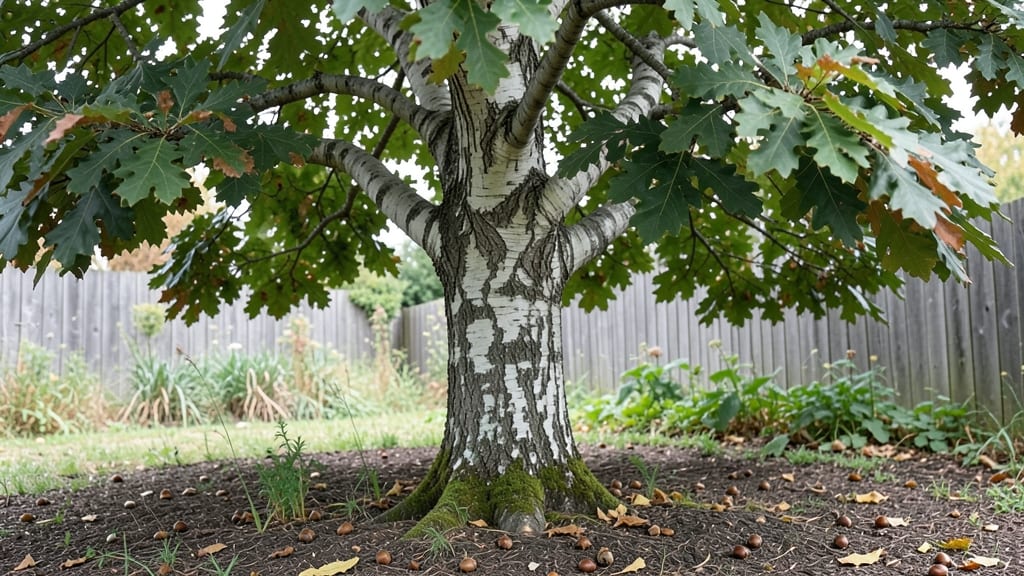
These stunning native trees of Ohio pictures reveal just how much beauty thrives in our forests, backyards, and wildlife habitats—far beyond what most folks expect. 🌳 The first time I saw a sugar maple's fiery fall colors against a gray November sky, I knew these trees deserved a place in every Ohio landscape.
These aren't just pretty faces—they're tough, adaptable, and built for our climate. You'll find shade-loving giants like white oaks that last centuries, delicate understory trees like serviceberries that feed birds all summer, and evergreens like eastern hemlocks that keep winter color alive.
The best part? They thrive with minimal fuss once planted, unlike fussy imports that struggle in our soil.
What you'll discover is how these trees transform yards into ecosystems. Imagine morning coffee under a stately tulip tree while hummingbirds flit through its flowers, or a shagbark hickory providing acorns for squirrels while its bark adds winter texture.
Each species brings something unique—seasonal interest, wildlife support, or that "wow" factor when neighbors ask what tree that is.
Whether you're restoring a wild corner of your property or designing a polished front yard, these native trees deliver year-round beauty with ecological benefits you can see—and hear. Let's explore which ones fit your space best.
📚 In This Guide
- What you need
- Instructions
- Tips and common mistakes
- Wrapping up and next steps
What you need
- ● Digital camera or smartphone – A high-resolution device (12MP or better) to capture clear images of leaves, bark, and branches.
- ● Field guidebook or app – A printed guide like Trees of Ohio or a free app (e.g., LeafSnap or iNaturalist) for instant ID help.
- ● Hand lens (magnifying glass) – A 10x magnification tool to inspect fine details like leaf veins or bark texture.
- ● Measuring tape (6-foot) – For noting tree height, trunk diameter, and branch spread.
- ● Notebook & pencil – To sketch tree features (shape, leaf arrangement, etc.) if you’re old-school!
- ● GPS device or mapping app – To log locations for future reference (e.g., Google Maps or AllTrails).
- ● Pruners or small saw – Only for fallen branches! Never harm live trees. Use for collecting safe, dead samples.
- ● Gloves & insect repellent – For comfort and safety during outdoor exploration.
How to identify Ohio’s native trees at a glance
Ohio’s forests hide 20 iconic native trees—here’s how to spot them instantly using simple visual cues.
🌿 Step 1: Look for Bark Patterns and Colors
Bark is your first clue. Sugar maples have smooth, silvery-gray bark that ripples like a lake surface, while white oaks feature deep, blocky ridges that look like stacked bricks. Black walnut bark is dark and deeply furrowed, almost like a fingerprint. I always check bark first because it rarely changes with seasons.
Shagbark hickory stands out with its peeling, papery strips that hang like tattered curtains. And if you see a tree with bark that looks like burnt orange candy wrappers, that’s the scarlet oak. Bark gives you an instant "maybe" before examining leaves or fruit.
🌱 Step 2: Examine Leaf Shape and Arrangement
Leaves tell the real story. White ash leaves have 5-7 leaflets arranged opposite each other, like a feather. Buckeye leaves are palmate with 5-7 pointed lobes that look like tiny hands. And don’t overlook compound leaves—black cherry leaves have 7-9 serrated leaflets that smell like bitter almonds when crushed.
Look for leaf edges too. Red maple leaves have 3 pointed lobes with jagged edges, while tulip poplar leaves are heart-shaped with smooth edges. I always run my fingers along the leaf edges to confirm—smooth means one species, jagged means another.
☀️ Step 3: Check for Fruit, Flowers, or Seed Pods
Seasonal clues seal the ID. In fall, look for helicopter-like samaras—those are box elder or ash trees. Black cherry trees produce small, dark red drupes that birds love. And if you see spiky seed balls hanging from branches, that’s the American beech.
Spring is easier—sycamore trees bloom with ball-shaped white flowers, while redbuds burst with pink trumpet-shaped blossoms before leaves appear. I take a small bag on walks to collect fallen fruit or seed pods, then match them to field guides later.
⏰ Step 4: Note Tree Height and Growth Habit
Tall and straight? Northern red oak can reach 70-80 feet with a rounded crown. Short and stout? The American beech stays 50-75 feet but has a broad, flat-topped silhouette. Even without leaves, growth habit narrows it down—look for spreading branches (white oak) vs. upright trunks (sugar maple).
Young trees give the best clues. A sapling with thin, flexible branches is likely a silver maple, while a stiff, upright youngster is probably a black walnut. I kneel to examine the base too—some trees send up suckers (like black cherry), while others have single trunks (like tulip poplar).
📸 Step 5: Compare with a Field Guide or App
Now cross-reference your notes. I use the iNaturalist app to snap bark/leaf close-ups, then match them against Ohio’s native species database. Pay attention to leaf arrangement (alternate vs. opposite) and bud shapes—some trees have pointy buds (sycamore), others have rounded ones (hickory).
If you’re still unsure, check the understory plants nearby. Ohio’s native trees often grow with specific companions—white oak thrives with wild grapevines, while black cherry pairs with foxtail grass. Nature’s teamwork gives you a final hint.
Tips & tricks for identifying Ohio's native trees
A few quick tricks that'll make all the difference when you're out spotting Ohio's native trees.
Seasonal Timing Tip: Spring and fall are the best times to identify trees. In spring, look for flowers and fresh leaves—white ash blooms in April, while redbuds burst with pink blossoms in early May. In fall, focus on fruit and seed pods like the helicopter-like samaras of box elders or the spiky seed balls of American beech. I've found that early morning walks after rain reveal the most vibrant colors and textures.
Leaf Arrangement Secret: Pay close attention to how leaves attach to branches. Trees like white ash have opposite leaf arrangement (leaves grow directly across from each other), while most Ohio natives have alternate arrangement (leaves grow singly along the branch). This is one of the most reliable clues—especially for young trees where bark patterns aren't fully developed. I always run my fingers along the branch to check this first.
Bud Shape Insight: Winter is your best time to identify trees by their buds. Sycamore buds are pointy and sharp, while hickory buds are rounded and fuzzy. Look for bud clusters too—black cherry has single buds along the branch, while white oak has multiple buds clustered together. I keep a small magnifying glass in my pocket during winter walks to examine these details up close.
Understory Companion Strategy: Ohio's native trees often grow with specific understory plants. White oak trees frequently have wild grapevines growing at their base, while black cherry often appears with foxtail grass. This natural pairing can give you a second clue when you're unsure. I've used this trick to confirm multiple trees in dense forests where individual features were hard to see.
Pro Tips for Native Trees Of Ohio Pictures
- A few quick tricks that'll make all the difference when you're out spotting Ohio's native trees.
- Seasonal Timing Tip: Spring and fall are the best times to identify trees.
- Leaf Arrangement Secret: Pay close attention to how leaves attach to branches.
Frequently asked questions
Got questions about Ohio’s native trees? You’re not alone! Whether you’re identifying a backyard mystery or planning a landscaping project, here are answers to the most common queries—plus some pro tips to keep your green thumbs happy.
What’s the easiest way to identify native Ohio trees from pictures?
Start with leaf shape, bark texture, and fruit/seeds. Use our gallery as a reference—compare your tree’s features to the 20 species listed. For tricky IDs, note the tree’s height, habitat (wet/dry soil), and season (e.g., fall colors). Apps like iNaturalist or National Arbor Day Foundation’s tool can cross-check your guesses. Pro tip: Snap photos in morning light to highlight details!
When is the best time of year to plant native Ohio trees?
Ohio’s ideal window is early spring (March–April) or fall (October–November). Why? Soil is workable, temps are mild, and trees establish roots before extreme heat or cold. Avoid planting in summer’s drought or winter’s freeze. Bare-root saplings (sold dormant) can go in late winter if soil isn’t frozen. Pro tip: Mulch heavily (3–4 inches) after planting to retain moisture.
Are native trees more expensive than non-native ones?
Not necessarily! While some rare natives (like Ohio Buckeye) may cost more, most native trees are priced similarly to common non-natives (e.g., $50–$150 for a 1–3 ft. specimen). The real savings? Lower maintenance—natives thrive without pesticides, need less water, and support local wildlife. Check Ohio State University Extension for local nurseries selling native stock at fair prices.
Do native trees attract pests like insects or diseases?
Native trees are naturally resistant to many local pests because they’ve co-evolved with Ohio’s ecosystem. However, stress from poor soil, drought, or overwatering can weaken them—making them vulnerable. Common issues:
- Emerald Ash Borer: Targets ash trees (e.g., Green Ash); monitor for D-shaped holes.
- Gypsy Moths: Defoliate oaks (e.g., White Oak); use ODA’s pest alerts.
- Fungal diseases (e.g., anthracnose on Sugar Maple) thrive in wet conditions.
Pro tip: Encourage beneficial insects (like ladybugs) by planting diverse natives—they create a balanced ecosystem!
Can I replace a non-native tree with a native one? How?
Start by removing the old tree safely (hire pros for large specimens). Then:
- Test your soil: Ohio’s clay-heavy soil often needs compost or sand for drainage.
- Choose a match: Replace a fast-growing non-native (e.g., Bradford Pear) with a native like Eastern Redbud (similar size/shape).
- Plant 2–3x wider than the root ball and stake only if needed (most natives stabilize quickly).
Pro tip: Pair your new tree with native understory plants (e.g., Virginia Bluebells) to mimic its natural habitat.
Wrapping up and next steps
Ohio’s native trees aren’t just beautiful—they’re the backbone of the state’s ecosystems, offering shelter, food, and breathtaking scenery.
From the towering sugar maple to the resilient eastern redbud, each species tells a story of resilience and natural beauty. 🌳 Now that you’ve spotted these 20 icons, why not take action?
Ready to make a difference? Plant a native tree in your yard or community—it’s a simple way to support local wildlife and future-proof Ohio’s forests. Need help identifying more? Bookmark this guide and explore local parks or arboretums for hands-on learning!