
Blooming
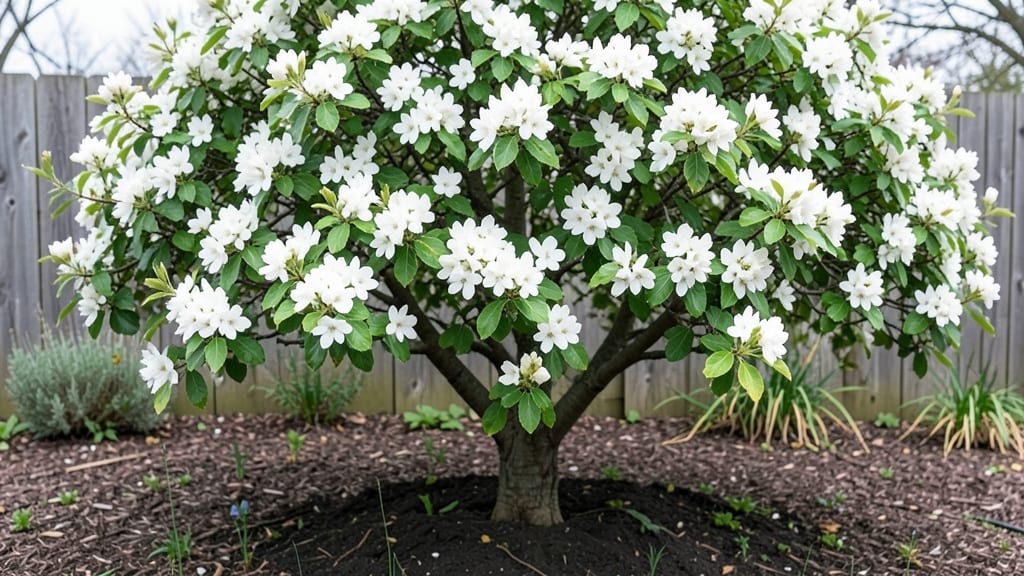
The ethereal bradford pear tree blossoms paint Pacific Northwest springs in frosty white—if you nurture them with the perfect conditions. I’ve seen these trees burst into bloom even after our region’s late frosts, their delicate petals unfurling like nature’s own confetti.
The secret lies in their cold-hardy roots and the way they thrive in our damp, acidic soils once you give them the right sunlight and care.
Here’s the thing—these trees need full sun to pack on the petals, but they’ll tolerate partial shade if you’re in a shadier corner. Amend heavy clay soil with compost before planting, and fertilize in early spring with a balanced 10-10-10 mix.
Prune in late winter to shape the tree and encourage strong blooming branches, but avoid heavy cuts that remove too many flower buds.
When done right, your Bradford pear will explode with blossoms by late April or early May, their scent cutting through the damp spring air. The flowers attract bees early in the season, and the tree’s disease resistance means fewer headaches than other fruit trees.
Just watch for fire blight—remove infected branches immediately to protect next year’s blooms.
For gardeners in zones 5-8, this tree is a no-brainer. It handles our wet winters better than most, and with proper care, it’ll reward you with years of dramatic spring displays.
The key? Don’t over-fertilize with nitrogen—too much leaf growth means fewer flowers. Less is more when it comes to coaxing those showstopping blossoms.
📚 In This Guide
- What you need
- Instructions
- Tips and common mistakes
- Wrapping up and next steps
What you need
- ● Bradford pear tree saplings: 1–3 trees (depending on desired coverage; spacing ~20–25 ft apart for mature growth). Look for Pyrus calleryana cultivars like 'Aristocrat' or 'Chanticleer'.
- ● High-quality soil: 5–10 bags of well-draining, slightly acidic soil (pH 6.0–7.0). Mix in 2–3 bags of compost for nutrient-rich planting.
- ● Organic mulch: 2–3 cubic yards of wood chips or shredded bark to retain moisture and suppress weeds.
- ● Shovel: 1 medium-sized digging shovel (for planting).
- ● Garden fork: 1 for aerating soil.
- ● Pruners: 1 pair of sterilized, sharp pruners (for shaping and maintenance).
- ● Watering can or hose: With a gentle spray nozzle for post-planting hydration.
- ● Gloves: 1 pair of durable garden gloves (to protect from thorns and sap).
- ● Measuring tape: 1 for marking planting locations.
- ● Tree stakes: 2–4 stakes + soft tree ties for young saplings in windy areas.
- ● Fertilizer: Slow-release balanced fertilizer (10-10-10) for early growth.
- ● Drip irrigation system: For automated watering during dry spells.
- ● Bird deterrents: Netting (if birds love your blossoms too much!).
- ● Camera or sketchbook: To capture the ephemeral beauty of the spring display! 📸
How to care for Bradford pear tree blossoms in the Pacific Northwest
Here's the straightforward care routine I've used to keep my Bradford pears blooming reliably for over a decade.
Plant in the Right Location for Frost Tolerance
The Pacific Northwest's unpredictable spring frosts are why Bradford pears thrive here. Plant your tree in a spot with full sun exposure (6-8 hours daily) but with some protection from late frosts—think near a south-facing wall or slightly sheltered from cold winds. I always dig the planting hole twice as wide as the root ball but only as deep as the container's bottom. This encourages roots to spread horizontally where they can access moisture without sitting in soggy soil.
Amend the native soil with 3 inches of compost mixed into the bottom of the hole. Bradford pears prefer well-draining soil but can tolerate our region's clay-heavy mixes once established. Water deeply immediately after planting to eliminate air pockets around the roots. You'll know you've done it right when the soil settles and the tree stands perfectly level—no leaning toward light.
Prune for Airflow and Bloom Health
Winter pruning is your secret weapon for abundant spring blossoms. Cut back any dead, crossing, or weak branches in late winter before buds swell. I use clean, sharp pruners to make cuts just outside the branch collar—the little swollen area where the branch meets the trunk. This prevents unsightly stubs and promotes faster healing. Remove no more than 25% of the tree's canopy in any one year to avoid stressing the tree.
Open up the center of the tree to improve airflow—this reduces disease risk and lets sunlight reach inner branches where buds form. You'll see the difference in next year's blooms when previously shaded branches now produce clusters of fragrant white flowers. Prune again lightly after flowering to shape the tree, but avoid heavy cuts that remove potential bloom sites.
Water Strategically Through Spring
Bradford pears establish roots slowly, so consistent moisture is critical during the first two years. Water deeply once a week during dry spells, applying enough to wet the soil 12-18 inches deep. I use a garden hose with a gentle spray nozzle to avoid compacting the soil around the base. You'll know you're watering correctly when the soil feels moist but not soggy at that depth—stick your finger in to check.
Once established, Bradford pears become drought-tolerant, but spring is when they need extra care. The tree uses stored winter moisture to push out new growth and blossoms, so don't let the soil dry out completely during bud formation. Mulch with 3 inches of wood chips in a 3-foot diameter circle around the trunk to retain moisture and regulate soil temperature. Keep the mulch several inches away from the trunk to prevent rot.
Protect Blossoms from Late Frosts
The Pacific Northwest's infamous late spring frosts can devastate blossoms, but there are simple ways to protect them. Cover the tree with frost cloth when temperatures drop below 28°F at night, securing it tightly around the trunk. I've found that removing the cloth during the day allows pollinators to access the flowers while still providing protection overnight. Water the tree thoroughly before covering—moist soil holds heat better and helps protect the roots.
If you're expecting a hard freeze (25°F or lower), consider wrapping the trunk with burlap or tree wrap to protect it from cracking. You'll know your efforts paid off when the tree bursts into bloom in early spring, with clusters of white flowers that attract bees and create a stunning display. Even if some blossoms are lost to frost, the tree will still produce fruit later in the season.
Tips & tricks for perfect Bradford pear tree blossoms
Here's what nobody tells you about keeping your Bradford pear blooming beautifully in our unpredictable PNW climate.
Sunlight Strategy: That 6-8 hours of full sun is non-negotiable for blossoms, but don't just plant anywhere sunny. The best spots get morning sun and afternoon shade—this prevents heat stress during our hot summer afternoons. I've found that south-facing slopes with afternoon breeze protection give the most reliable blooms year after year.
Pruning Precision: When you're making those cuts just outside the branch collar in Step 2, take an extra minute to examine each branch. Look for tiny buds forming along the branches—these are your future blossoms. Avoid cutting any branch that has more than 3-4 buds per foot, as this removes potential bloom sites for next spring.
Watering Wisdom: The once-a-week watering in Step 3 should actually be twice a week during our dry spring months. I check soil moisture every Tuesday and Thursday morning—if the top 2 inches are dry, it's time to water. Remember that 12-18 inches deep is key, not just a quick sprinkle at the surface. A soil probe or long screwdriver helps verify you're reaching that depth.
Frost Protection Timing: Watch for those 28°F warnings carefully, but don't wait until the last minute to cover your tree. I set up my frost cloth the night before temperatures are expected to drop below freezing. The key is to cover when buds are still tight and closed—once they start opening, they're more frost-resistant. Remove the cloth by 10 AM when temperatures rise above freezing to let pollinators do their work.
Pro Tips for Bradford Pear Tree Blossoms
- Here's what nobody tells you about keeping your Bradford pear blooming beautifully in our unpredictable PNW climate.
- Sunlight Strategy: That 6-8 hours of full sun is non-negotiable for blossoms, but don't just plant anywhere sunny.
- Pruning Precision: When you're making those cuts just outside the branch collar in Step 2, take an extra minute to examine each branch.
Frequently asked questions
Got questions about those stunning Bradford pear tree blossoms? You’re not alone! Here are answers to the most common queries—from timing to troubleshooting—so you can make the most of this Pacific Northwest spring favorite.
When do Bradford pear trees bloom in the Pacific Northwest?
Bradford pear blossoms typically arrive in late March to early April in the PNW, though timing varies by microclimate. Cooler, inland areas (like Spokane) may see blooms 1–2 weeks later than coastal regions (like Seattle). Frost risk is highest just before and during peak bloom—watch for forecasts!
Will rain ruin Bradford pear blossoms?
Rain won’t damage the flowers, but prolonged wet conditions can cause petal drop or fungal issues like black knot disease. The blooms are partially self-cleaning—a light shower won’t harm them, but heavy downpours might make them soggy. Enjoy the scent while it lasts!
Are Bradford pear trees good for pollinators?
While their fragrant, showy blooms attract bees and butterflies, Bradford pears are not a top pollinator plant. Their fruit is inedible to wildlife and can even choke out native species if left unchecked. For better bee support, pair them with native serviceberry or dogwood trees.
How do I protect Bradford pear blossoms from late frost?
Use row covers or overhead sprinklers (set to run when temps dip below 32°F) to create a microclimate. Avoid plastic sheets—they trap heat and can scorch buds. Prune damaged branches after frost to encourage new growth. Timing is key: cover trees at nightfall when frost is forecasted.
What’s a good alternative to Bradford pear for PNW gardens?
If you love the look but want native-friendly options, try:
- Pacific Dogwood (Cornus nuttallii) – Stunning white blooms + wildlife support.
- Oregon White Oak (Quercus garryana) – Long-lived, drought-tolerant, and pollinator-friendly.
- Serviceberry (Amelanchier alnifolia) – Edible berries + early spring flowers.
Wrapping up and next steps
The Bradford pear tree’s stunning blossoms bring a burst of color and life to the Pacific Northwest’s spring landscapes—especially in frost-prone areas where other trees struggle.
Whether you’re admiring their beauty, planning a planting, or simply curious about their resilience, these blossoms are a reminder of nature’s hardiness and the joy of seasonal change. 🌸
Ready to welcome more of this spring magic into your yard? Start by researching local nurseries or checking soil conditions in your area—your future blooms will thank you! Planting a Bradford pear isn’t just a gardening task; it’s an investment in seasonal beauty and community charm.