
Pruning
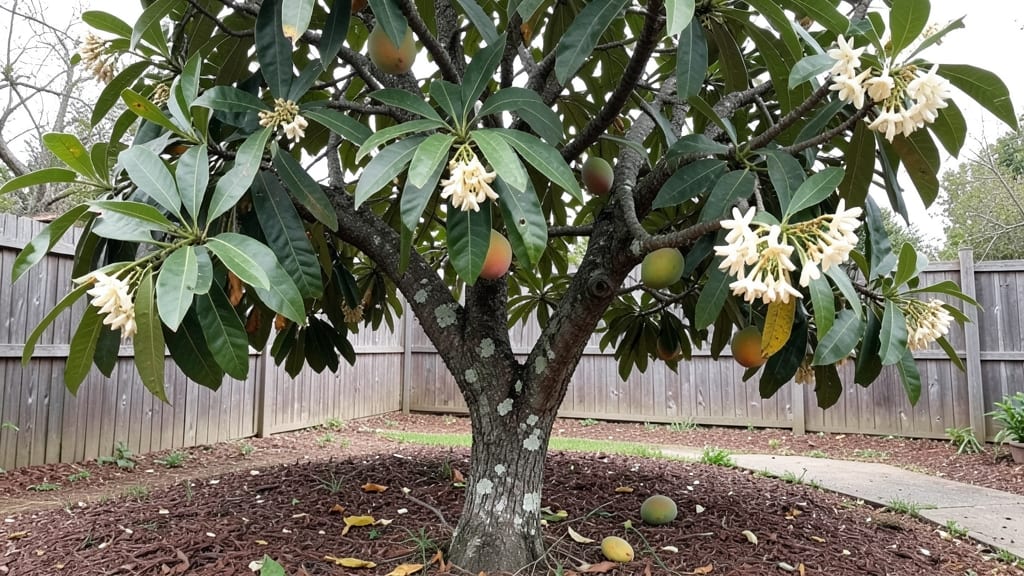
Growing a mango tree in India isn’t just about planting a seed—it’s about unlocking the sweetest reward of the year. 🌱 The monsoon rains, the golden sun, and the rich red soil all conspire to help this tropical giant thrive, but only if you understand its rhythms.
I’ve watched my own sapling go from a spindly sapling to a fruit-bearing giant in just five years, and the secret lies in matching its needs to India’s climate.
The key is patience and precision: well-drained soil, full sun, and the right timing for pruning after the harvest. Most gardeners in India skip the soil test, but that’s where problems start—especially in heavy clay or waterlogged areas.
A simple mix of farmyard manure and sand works wonders, and regular mulching keeps roots cool during summer. The first few years are about building a strong structure, not rushing for fruit.
By your third year, you’ll see those first creamy blossoms—then the promise of fruit. A properly pruned tree in India’s heat produces larger, sweeter mangoes with fewer pests, and the harvest season stretches from May to July.
The real magic happens when you combine traditional knowledge (like tapping sap for natural fertilizer) with modern techniques (like drip irrigation for water efficiency).
Whether you’ve got a backyard in Kerala or a balcony in Mumbai, this method scales. The challenges—like powdery mildew or fruit flies—have simple solutions once you know the signs. Let’s turn your land into a mango grove, the Indian way.
📚 In This Guide
- What you need
- Instructions
- Tips and common mistakes
- Wrapping up and next steps
What you need
- ● Mango Sapling: Choose a disease-resistant variety like Alphonso, Dasheri, or Langra. Buy from a certified nursery (1 sapling per tree).
- ● Well-Draining Soil: Mix 50% topsoil, 30% compost, and 20% sand (or coconut coir for water retention).
- ● Fertilizers: Organic: Cow dung manure (20 kg per tree annually).
- ● Chemical: NPK (10:10:10) or NPK (12:32:16) for flowering (500g per tree, 3 times/year).
- ● Watering Can or Drip Irrigation System: 10-15 liters capacity (or a 20-liter tank for drip systems).
- ● Support Stakes: 2-3 bamboo stakes (2 inches in diameter, 6 feet tall) per young tree.
- ● Pruning Tools: Sharp bypass pruners (for small branches).
- ● Pruning saw (for thicker branches, 10-inch blade).
- ● Disinfectant (alcohol or bleach solution) to sterilize tools.
- ○ Grafting Kit (Optional): For advanced growers—includes grafting knife, tape, and grafting wax.
- ● Pest Control: Neem oil (100ml), copper-based fungicide (500ml), and insecticidal soap.
- ● Climate: Full sun exposure (6+ hours daily) and a tropical/sub-tropical climate (ideal for most of India).
- ● Spacious Plot: Minimum 10x10 feet per tree (expand to 15x15 feet as it matures).
- ● Water Source: Reliable access to soft water (avoid hard water with high calcium).
- ● Patience: Mango trees take 3-5 years to bear fruit!
Step-by-Step instructions for growing a mango tree in India
Here's how to cultivate a thriving mango tree using time-tested methods from India's tropical regions.
🌱 Step 1: Select and Prepare Your Mango Variety
Choose a disease-resistant variety suited to your region, like Alphonso or Dasheri, which thrive in India's climate. I always buy grafted saplings from reputable nurseries—they fruit faster and avoid the 3-5 year wait of seed-grown trees. Handle the root ball carefully; rough treatment stresses young plants and delays growth.
Soak the roots for 10-15 minutes in a bucket of water before planting to revive any dried sections. This simple step ensures better root establishment. If you're planting during the monsoon season, schedule it for the first week of June when rains are consistent but not excessive.
🪴 Step 2: Choose the Perfect Planting Location
Mango trees need full sun exposure (6+ hours daily) and protection from strong winds. In India, the ideal spot is near your home's eastern or southern side where morning sun warms the ground gradually. Avoid low-lying areas where cold air collects—mangoes are tropical and can't tolerate frost.
Dig a hole twice as wide as the root ball but only as deep. The top of the root ball should sit 1-2 inches above ground level—this prevents waterlogging while allowing roots to spread easily. Mix the excavated soil with a handful of well-rotted cow dung manure (available at any Indian nursery) for organic nutrients.
💧 Step 3: Plant and Establish Your Sapling
Place the sapling in the hole, spreading roots gently without bending them. Fill the hole with soil, pressing lightly around the base to remove air pockets. Water immediately with 5 gallons of water to settle the soil and encourage root contact. You'll see water seep into the hole—this confirms proper root coverage.
Apply a 3-inch layer of mulch (use dry leaves or straw) around the base, keeping it 6 inches away from the trunk to prevent rot. This mulch retains moisture during India's hot summers while protecting roots from temperature swings. Water every 3-4 days until the first rains arrive—your tree will drink deeply during its first growing season.
☀️ Step 4: Care for Your Tree Through the First Year
Fertilize twice a year: once after the monsoon (September) with 1 cup of 10-10-10 fertilizer and again in February with 1 cup of nitrogen-rich compost. Scatter the fertilizer 2 feet from the trunk and water it in immediately—this prevents root burn. You'll notice new leaves appearing within 3-4 weeks of fertilization.
Prune only to remove dead or crossing branches during the dry season (November-February). Never prune during monsoon season—wet cuts invite fungal infections. Thin the canopy to let sunlight reach the center, where future fruit will develop. A well-pruned tree develops a strong structure that supports heavy mango crops.
⏰ Step 5: Prepare for First Fruiting and Beyond
By year three, your tree may produce its first flowers. Remove these early blooms—the tree needs 4-5 years to build sufficient energy for quality fruit. You'll know it's ready when branches develop a 1-inch diameter and leaves reach 4-6 inches long. From year five onward, expect 50-100 fruits annually with proper care.
During fruiting season (April-May), increase watering to 10 gallons weekly and apply potassium-rich fertilizer to improve fruit quality. Watch for mango malformation disease—remove affected fruits immediately to protect the tree. With patience and these steps, you'll harvest sweet, juicy mangoes straight from your Indian backyard.
Tips & tricks for perfect mango tree cultivation in India
Here's what I've learned from years of growing mango trees in India's climate—these small details make all the difference between a struggling sapling and a thriving fruit-bearing tree.
Root Revival Technique: That 10-15 minute root soak in Step 1 isn't just about hydration—it's about reviving any damaged root tips that might have dried out during transport. I've seen saplings with roots that looked completely dry come back to life after this simple soak. For extra insurance, add a tablespoon of honey to the water—it acts as a natural antibacterial agent and gives the roots a quick energy boost.
Location Secrets: When selecting your planting spot in Step 2, pay attention to the microclimate. The eastern or southern side of your home gets morning sun that warms gradually, which is gentler on young mango trees than the harsh midday sun. Also, avoid planting near large trees that will compete for water and nutrients—mango trees need space to grow their extensive root systems.
Mulching Mastery: The 3-inch mulch layer in Step 3 serves two critical purposes: moisture retention and temperature regulation. In India's hot summers, mulch acts like a blanket, keeping roots cool and preventing soil moisture from evaporating. I use a mix of dry leaves and straw because they break down slowly, adding organic matter to the soil over time. Just remember to keep it 6 inches away from the trunk to prevent rot.
Fertilization Timing: The twice-yearly fertilization in Step 4 is crucial, but timing matters just as much as the fertilizer itself. After the monsoon in September, your tree needs phosphorus and potassium (the 10-10-10 fertilizer) to build strong roots. In February, switch to nitrogen-rich compost to support new leaf growth. I always water the fertilizer in immediately to prevent root burn—a common mistake that can set your tree back for months.
Pro Tips for Mango Tree India
- Here's what I've learned from years of growing mango trees in India's climate—these small details make all the difference between a struggling sapling and a thriving fruit-bearing tree.
- Root Revival Technique: That 10-15 minute root soak in Step 1 isn't just about hydration—it's about reviving any damaged root tips that might have dried out during transport.
- Location Secrets: When selecting your planting spot in Step 2, pay attention to the microclimate.
Frequently asked questions
Got questions about growing your own mango tree in India? You’re not alone! Here are answers to the most common queries—from planting to troubleshooting—to help you nurture a thriving tree and enjoy those juicy harvests year after year.
How long does it take for a mango tree to bear fruit in India?
A mango tree typically takes 3 to 5 years to bear fruit, depending on the variety, climate, and care. Dwarf varieties like Amrapali or Dasheri may fruit sooner (2–3 years), while larger trees like Alphonso can take up to 6 years. Patience is key—focus on proper watering, soil health, and pruning to speed up the process!
Can I grow a mango tree in colder regions of India (e.g., Delhi, Punjab)?
Mango trees thrive in tropical/subtropical climates (25–35°C), but they can survive mild winters in regions like Delhi or Punjab if planted in well-drained, sunny spots and protected from frost. Choose cold-hardy varieties like Langra or Chausa, and mulch the root zone to retain warmth. Avoid waterlogging during monsoons!
What’s the best time to prune a mango tree in India?
Prune your mango tree right after harvest (May–June) to remove dead/diseased branches and shape the tree for better airflow and fruit production. Avoid heavy pruning during monsoon season (July–September) or flowering (February–March), as this can stress the tree. Use sharp tools and sterilize cuts to prevent infections!
Why are my mango leaves turning yellow, and how do I fix it?
Yellow leaves often signal nutrient deficiency, overwatering, or pests. Check for:
- Nitrogen deficiency: Apply compost or urea.
- Iron deficiency: Use chelated iron or lime (if soil is alkaline).
- Fungal diseases (like powdery mildew): Spray neem oil or copper-based fungicide.
- Pests (e.g., aphids, mites): Use insecticidal soap or horticultural oil.
Can I grow a mango tree in a pot, or do I need a garden?
Yes! Dwarf mango varieties like Dwarf Langra or Mini Alphonso thrive in large pots (30+ inches deep) with well-draining soil. Place the pot in full sun and water regularly, but avoid overwatering. Repot every 2–3 years and fertilize with citrus/mango-specific NPK (e.g., 10-10-10). Ideal for balconies or small urban spaces!
Pro Tip:
For faster fruiting, graft a mature mango branch onto your sapling (best done in monsoon season). This bypasses the 3–5-year wait and lets you enjoy Alphonso or Langra flavors in just 1–2 years! Ask local nurseries for grafting services.
Wrapping up and next steps
Growing a mango tree in India is a rewarding journey that blends tradition with tropical passion! 🌿 With the right soil, climate, and care—especially pruning techniques—you can enjoy luscious, year-round harvests. Whether you're a beginner or a seasoned gardener, every step brings you closer to that sweet, golden reward.
Ready to take the next step? Start by observing your tree this season—note its growth patterns and adjust your pruning schedule accordingly. And why stop here? Share your progress with fellow gardeners or even explore advanced grafting methods to diversify your orchard.
The king of fruits awaits—your hands can help it thrive! 🌟