Pruning
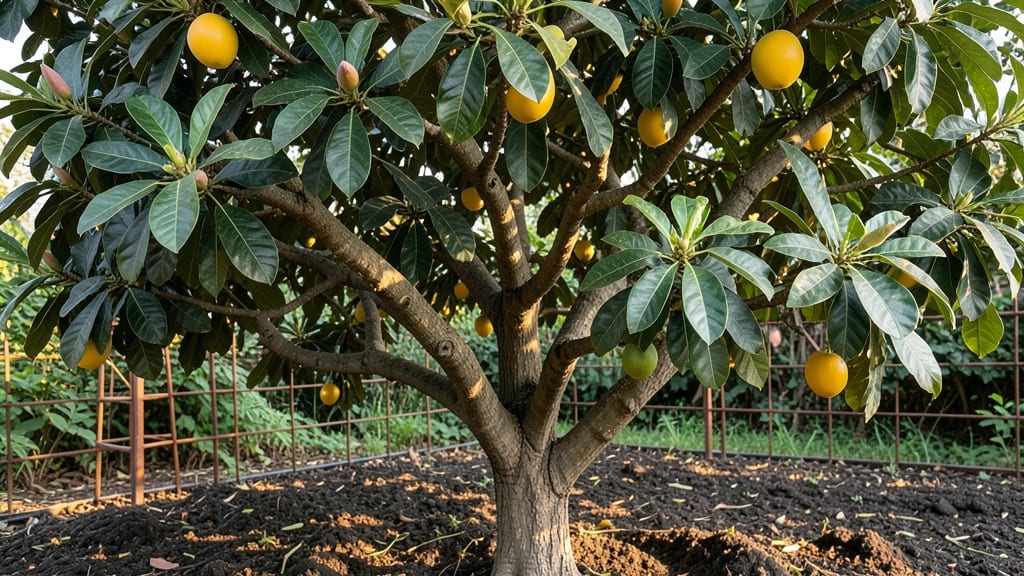
A mature mango tree can produce fruit year-round with the right pruning strategy—it’s all about timing and technique. I’ve seen trees that once struggled to bear fruit transform into heavy-fruiters after just one careful pruning session.
The key is understanding when to cut for airflow, sunlight, and new growth without sacrificing the tree’s structure.
Most gardeners make the mistake of pruning too late in the season, which delays fruit production. Instead, focus on three key cuts: shaping cuts in late winter, thinning cuts in early spring, and light maintenance pruning after harvest.
You’ll need sharp pruners, a ladder (for taller trees), and a clear day to work—no rushing. The payoff? A tree that flowers more consistently and bears fruit earlier in the season.
After pruning, you’ll notice fresh green shoots within weeks, signaling the tree is healing and preparing for its next flush of flowers. The fruit that follows will be sweeter, larger, and more abundant because the tree isn’t overcrowded.
Plus, fewer branches mean easier harvesting and less risk of disease spreading between limbs. This is how you turn a good mango tree into an exceptional one.
Works for both backyard trees and container-grown varieties, though larger trees may need a team for safety. The same principles apply whether you’re in a tropical climate or a warm microclimate—adjust timing based on your local frost dates. Let’s get those branches in shape for next season’s harvest!
📚 In This Guide
- What you need
- Instructions
- Tips and common mistakes
- Wrapping up and next steps
What you need
- ● Pruning shears: Bypass pruners (for small branches, 4–6" blade length) or anvil pruners (for thicker cuts, 6–8" blade length). Must be sharp!
- ● Loppers: 1 pair (18–24" cutting length) for branches ½–2" in diameter.
- ● Pruning saw: 1 (for branches >2" thick; bow saw or pruning saw with 8–10" blade).
- ● Extension pole: 6–10 ft (for high branches; attach pruners/loppers for safety).
- ● Disposable gloves: 1–2 pairs (nitrile or leather for grip; thorn-proof if your tree has them!).
- ● Cleaning supplies: 70% isopropyl alcohol (for sterilizing tools between cuts).
- ● Rag or paper towels (to wipe blades).
- ● Heavy-duty trash bags: 2–3 (for debris; mango leaves/branches can be heavy!).
- ○ Ladder (optional): Sturdy, 3-section (12–16 ft) with non-slip feet and a spotter if working solo.
- ● Safety glasses: 1 pair (to shield eyes from debris or sap splashes).
- ● Long sleeves/pants: Wear lightweight, breathable fabric (mango sap can irritate skin).
- ● Weather check: Prune on a dry, cloudy day (avoid midday heat or wind).
- ● Tree health assessment: Inspect for diseased or pest-infested branches before cutting—bag these separately!
- ● Handheld leaf blower: For clearing debris from under the tree post-prune.
- ● Tree wound sealant: Pruning paste (for large cuts >½" diameter; skip if your tree is tropical—it’s often unnecessary!).
- ● Notebook & pen: To sketch your tree’s structure or note branch directions.
- ● Camera: Snap before/after pics—great for tracking growth!
Instructions for pruning a mature mango tree
Pruning keeps your mango tree healthy, productive, and accessible—here’s how to do it right.
Identify the Right Time to Prune
Prune your mango tree during the dormant season—typically late winter to early spring before new growth begins. This timing ensures the tree directs energy into fruit production rather than healing wounds. Avoid pruning during summer or fall, when the tree is actively growing or preparing for dormancy, as this can stress the plant and reduce fruit yield.
Look for dry, leafless branches as a visual cue—this indicates dormancy. If your region has a mild winter, wait until you see new buds swelling along the branches. Pruning too early can expose the tree to cold damage, while pruning too late may remove potential fruit-bearing wood.
Remove Dead, Diseased, or Crossing Branches
Start by inspecting the tree for dead, diseased, or damaged branches—these are your top priority. Dead branches are brown, brittle, and hollow, while diseased branches may show fungal growth, oozing sap, or unusual discoloration. Use clean, sharp pruning shears to make 45-degree cuts just outside the branch collar (the swollen area where the branch meets the trunk).
Next, remove crossing or rubbing branches—these create wounds that invite pests and disease. If two branches grow too close, cut the smaller one back to its point of origin. Avoid leaving stubs, as they can rot and weaken the tree. For larger branches over 2 inches thick, use a pruning saw to make clean cuts without tearing the bark.
Thin the Canopy for Better Airflow and Sunlight
Mango trees thrive with open, airy canopies that allow sunlight to penetrate. Focus on thinning out 20-30% of the foliage by removing overcrowded or inward-growing branches. Start at the outer edges and work inward, cutting branches that block light from reaching the center. This encourages even fruit distribution and reduces the risk of fungal diseases.
Look for suckers (fast-growing shoots at the base of the tree) and remove them completely—they drain energy from the main tree. Also, prune water sprouts (vertical shoots growing from the trunk or branches) to redirect the tree’s energy toward fruit production. Use sterilized tools between cuts to prevent spreading disease.
Shape the Tree for Accessibility and Fruit Yield
Mango trees benefit from a balanced, rounded shape that makes harvesting easier and improves airflow. Focus on raising the canopy by cutting back low-hanging branches that obstruct movement. Aim to keep the lowest branches at least 6 feet off the ground to prevent damage and make fruit picking safer.
For horizontal branches, prune back to a bud facing outward to encourage upward growth. Avoid topping the tree (cutting the very top), as this can lead to weak, leggy growth. Instead, make selective cuts to maintain the tree’s natural form while improving its structure. Step back occasionally to visualize the tree’s shape—this helps you avoid over-pruning.
Clean Up and Apply Protective Measures
After pruning, remove all debris from the ground to prevent pests and diseases from taking hold. Dispose of diseased branches away from the tree to avoid reinfection. Sterilize your tools with rubbing alcohol or a bleach solution (1 part bleach to 9 parts water) to kill any lingering pathogens.
Apply a layer of mulch around the base of the tree (but not touching the trunk) to retain moisture and suppress weeds. Water the tree deeply after pruning to help it recover. Monitor the tree closely in the weeks following pruning—new growth should appear within 4-6 weeks, signaling the tree is healing well.
Tips & tricks for pruning a mature mango tree
Pruning a mature mango tree might seem intimidating, but these practical tips will help you avoid common mistakes and achieve the best results for your tree's health and fruit production.
Timing is Everything: The late winter to early spring window is critical because it aligns with the tree's natural dormancy period. I learned this the hard way—pruning during summer heat stress caused my tree to lose more energy than it gained. If you're in a mild climate where winters aren't harsh, wait until you see those first buds swelling along the branches. That's your cue to start pruning.
Cutting Technique Matters: When making those 45-degree cuts just outside the branch collar, take your time. I used to rush and end up with uneven cuts that healed poorly. For branches over 2 inches thick, use a pruning saw and make clean cuts without tearing the bark. This prevents disease entry points and promotes faster healing. Remember, the goal is to make the wound as small as possible while removing the problematic branch completely.
Visual Cues for Healthy Pruning: In Step 3, when thinning the canopy, focus on removing branches that block sunlight from reaching the center. A good rule of thumb is to aim for an open, airy structure where you can see light filtering through. Look for suckers at the base and water sprouts growing vertically—they're energy vampires that drain resources from your fruit production. These visual cues will help you make better decisions about what to cut and what to keep.
Post-Pruning Care: After you've finished pruning, don't just walk away. The weeks following are crucial for your tree's recovery. I've found that applying a 2-3 inch layer of mulch around the base (keeping it away from the trunk) helps retain moisture and suppress weeds. Water deeply right after pruning to help the tree recover, and keep an eye out for new growth within 4-6 weeks. This is your sign that the tree is healing well and ready to focus on fruit production.
Pro Tips for Mature Mango Tree
- Pruning a mature mango tree might seem intimidating, but these practical tips will help you avoid common mistakes and...
- Timing is Everything: The late winter to early spring window is critical because it aligns with the tree's natural do...
- Cutting Technique Matters: When making those 45-degree cuts just outside the branch collar, take your time. I used to...
Frequently asked questions
Got questions about keeping your mature mango tree thriving with strategic pruning? Here are answers to the most common concerns—so you can enjoy year-round fruitfulness without the guesswork!
When is the best time to prune a mature mango tree?
The ideal time is late winter to early spring (just before new growth starts), but light pruning can happen year-round to remove dead or diseased branches. Avoid heavy cuts during the fruiting season (summer) to prevent stress. Pro tip: Prune after harvest to redirect energy into next year’s flowers!
How much can I trim back a mature mango tree?
For established trees, never remove more than 25% of the canopy at once—this prevents shock. Focus on selective cuts: thin out crowded branches, open the center for airflow, and shape for sunlight access. Over-pruning reduces fruit production, so patience is key!
What if my tree isn’t fruiting after pruning?
Lack of fruit could mean improper timing, nutrient deficiency, or pest damage. Check for:
- Pruning cuts: Were they made at the right time (post-harvest)?
- Fertilizer: Mature trees need potassium and phosphorus for flowering.
- Pests/disease: Inspect leaves for mites or fungal spots.
If the issue persists, consult a local arborist—sometimes soil or climate factors play a role!
Can I prune a mature mango tree in containers or small yards?
Yes! Dwarf or semi-dwarf varieties (like ‘Cogshall’ or ‘Julie’) thrive in containers, but pruning is even more critical to control size. Use escalating pruning—trim lightly each year to shape, and never let branches touch the pot edges to prevent disease. Drainage and root pruning (every 2–3 years) are a must!
What should I avoid when pruning a mature mango tree?
Steer clear of these common mistakes:
- Topping the tree: Cutting the main trunk stump encourages weak growth.
- Pruning during wet seasons: Open wounds invite fungal infections.
- Using dull tools: Ragged cuts slow healing—always use sterilized, sharp pruners.
- Ignoring the tree’s natural shape: Mangoes bloom on older wood—preserve structure!
Recap: Clean cuts = faster recovery!
Wrapping up and next steps
Caring for a mature mango tree with strategic pruning isn’t just about shaping its branches—it’s about unlocking its full potential for year-round fruitfulness and long-term health. 🌱 By understanding the right timing, tools, and techniques, you’re not just trimming; you’re investing in a bountiful harvest for seasons to come.
Whether you’re a seasoned gardener or just starting your mango-growing journey, every careful cut brings you closer to that sweet, sun-ripened reward.
Ready to take the next step? Start by scheduling your first pruning session this spring—your tree (and future fruit bowl!) will thank you. Grab those pruners and get growing! 🍈✨