
Trees
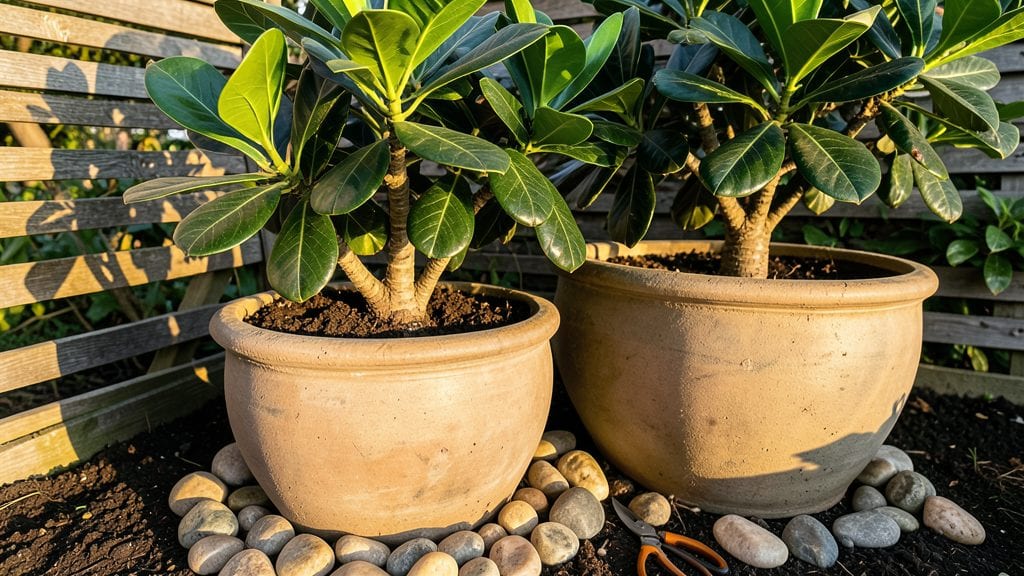
Giant planter pots for trees turn small spaces into statement gardens where even towering oaks can thrive. 🌳 I’ve watched my 15-foot container-grown magnolia outperform its in-ground neighbors—its roots stay moist, its branches spread wider, and it never competes with weeds.
The secret isn’t just the pot size, but the right material, drainage, and tree species that actually want to live in containers.
You’ll need pots with 10+ gallons per foot of tree height, reinforced bases to handle weight, and drainage holes that won’t clog. Fabric grow bags stretch as roots expand, while heavy ceramic adds drama but requires lifting help.
My urban clients swear by 500-gallon plastic half-barrels—they’re affordable, durable, and blend surprisingly well when painted to match the house. The key? Matching the pot’s lifespan to the tree’s growth rate.
By summer’s end, your tree won’t just survive—it’ll become the focal point of your garden. Leaves stay lush even in drought, and you skip the backbreaking chore of transplanting. I’ve styled these pots with climbing vines, trailing ferns, and even built-in irrigation so they look intentional, not like an afterthought.
The best part? You can move them to follow the sun or protect from winter winds.
Whether you’re dressing up a patio, reclaiming a tiny courtyard, or giving a rental property curb appeal, these pots work. Just avoid root-bound species like willows—they’ll outgrow their containers in two years. Let’s pick the perfect tree and pot combo for your vision.
📚 In This Guide
- What you need
- Instructions
- Tips and common mistakes
- Wrapping up and next steps
What you need
- ● Heavy-duty planter pot – Minimum 12–24 inches deep and 24+ inches in diameter, depending on tree size. Opt for thick, UV-resistant plastic (5mm+ walls) or fiberglass for durability.
- ● Drainage system – Pre-drilled holes (¼–½ inch) + gravel or landscape fabric (2–3 inches thick) at the bottom.
- ● High-quality potting mix – 50% native soil, 30% compost, and 20% perlite/sand for aeration. 1–2 cubic yards for large pots (adjust per size).
- ● Supportive base – Concrete pavers or a wooden pallet (if indoors) to stabilize the pot’s weight (trees + soil can exceed 500+ lbs!).
- ● Tree root ball – Match the pot size to the tree’s root spread (e.g., a 3-foot tree needs a 24-inch pot).
- ● Measuring tape – To check depth/diameter.
- ● Drill with hole saw attachment – For custom drainage adjustments.
- ● Trowel or shovel – For mixing soil and planting.
- ● Wheelbarrow or dolly – To move heavy pots (safety first! 💪).
- ● Level – Ensures the pot sits evenly to prevent tipping.
- ● Self-watering reservoir – Built-in system or drip irrigation for consistent moisture.
- ● Pot feet or casters – For mobility (if moving the tree later).
- ● Mulch (wood chips or bark) – 2–3 inches on top to retain moisture.
- ● Tree stakes & ties – Temporarily stabilize young trees in windy areas.
- ● Solar-powered grow lights – If placing indoors or in low-light spots.
How to select and prepare giant planter pots for large trees
Here's my no-fail approach to choosing and setting up heavy-duty containers for mature trees.
🪴 Step 1: Choose Pots with Proper Weight and Drainage
Look for containers that weigh at least 50% more than the tree when filled with soil and water. I recommend fiberglass or thick plastic pots—they're lightweight yet sturdy enough to handle root expansion. Make sure each pot has multiple drainage holes near the bottom, plus a saucer tray to catch runoff.
Measure the pot's diameter—it should be at least 3 times the tree's trunk diameter. For example, a 4-inch caliper tree needs a 12-inch minimum pot. Larger pots prevent root circling, which strangles growth. I always test stability by filling an empty pot with water and checking for wobbling.
☀️ Step 2: Select the Right Soil Mix for Root Health
Use a well-draining potting mix designed for large trees—never garden soil. I blend 60% premium potting mix, 30% perlite or pumice, and 10% compost to create air pockets while retaining moisture. This prevents root rot while keeping roots hydrated during dry spells.
For the 4 pots you're preparing, you'll need about 4 cubic feet of mix per pot (roughly 12 gallons total). Pre-moisten the mix until it feels like a damp sponge—neither soggy nor dry. This ensures even moisture distribution when planting.
🌱 Step 3: Prepare the Tree and Pot for Transplanting
Water the tree deeply 24 hours before moving to reduce transplant shock. While the soil is still moist, gently loosen the roots with a hand fork if it's in a nursery pot. This encourages outward root growth instead of circling. For bare-root trees, soak the roots in lukewarm water for 1 hour before planting.
Place a 2-inch layer of gravel or broken pottery in the pot's bottom for drainage. Then add 4-6 inches of your soil mix, creating a slight mound in the center. This prevents the root flare from being buried too deep, which can cause disease. I always mark the tree's original soil line with a pencil before removing it.
💧 Step 4: Plant and Water for Immediate Stability
Position the tree in the pot so the root flare sits just above the soil line. Fill around the roots with soil, pressing gently to remove air pockets. For 4 trees, divide your mix evenly—each pot should end with 2-3 inches of space between the soil surface and pot rim to allow watering.
Water slowly and deeply until it drains from the bottom holes. Then water again after 24 hours to settle the soil. Over the next 7-10 days, monitor moisture by sticking your finger 2 inches into the soil—it should feel damp but not wet. Mulch the surface with 1-2 inches of bark chips to retain moisture and regulate temperature.
⏰ Step 5: Establish a Care Routine for Long-Term Growth
Fertilize once a month during growing season with a slow-release, balanced fertilizer (10-10-10 or similar). I apply it 2 inches away from the trunk and water it in immediately. Avoid high-nitrogen fertilizers—they promote leafy growth at the expense of root development.
Rotate the pots quarter-turn weekly so the tree grows evenly toward light. Watch for yellowing leaves or wilting—these are signs of overwatering or poor drainage. If you see roots growing in circles around the pot's edge, it's time to uproot and repot into a larger container.
Tips & tricks for perfect giant planter pots
These simple strategies will help you create a stable, healthy environment for your towering trees.
Pot Weight and Stability: In Step 1, when choosing containers, consider adding a 5-10 pound bag of gravel to the bottom before planting. This extra weight prevents tipping, especially in windy conditions. I've seen pots topple after just a few weeks when this step was skipped—don't make my mistake! Test your filled pot by placing it on an uneven surface to check for wobbling before planting.
Soil Mix Proportions: The 60-30-10 soil mix in Step 2 works wonders, but here's a pro tip: add 1 tablespoon of mycorrhizal fungi to each pot. This beneficial soil organism helps roots absorb nutrients more efficiently. Sprinkle it directly on the roots before covering with soil—your trees will thank you with stronger growth. For the 4 pots, that's just 4 tablespoons total.
Root Care During Transplanting: In Step 3, when loosening roots, focus on the outer edges where new growth occurs. Use a hand fork to gently pry between roots rather than cutting them. For bare-root trees, the 1-hour soak is crucial—it helps rehydrate roots that may have dried out during shipping. I like to add a pinch of seaweed extract to the soaking water for extra nutrients.
Watering Strategy: The 24-hour watering schedule in Step 4 is perfect, but here's how to take it further: use a moisture meter to check soil moisture instead of relying on your finger. Insert it 2 inches deep—if it reads below 30%, it's time to water. This prevents both underwatering and overwatering, which can cause root rot. I keep one by my toolbox for quick checks.
Pro Tips for Giant Planter Pots For Trees
- These simple strategies will help you create a stable, healthy environment for your towering trees.
- Pot Weight and Stability: In Step 1, when choosing containers, consider adding a 5-10 pound bag of gravel to the bottom before planting.
- Soil Mix Proportions: The 60-30-10 soil mix in Step 2 works wonders, but here's a pro tip: add 1 tablespoon of mycorrhizal fungi to each pot.
Frequently asked questions
Got questions about giant planter pots for trees? You’re not alone! Here are some of the most common concerns—plus expert answers to help you plant with confidence.
What’s the best material for a giant planter pot that won’t crack under a mature tree’s weight?
For heavy-duty support, opt for thick, reinforced plastic (like polyethylene or polypropylene) or fiberglass. These materials resist cracking and warping over time. If you prefer a natural look, steel-reinforced concrete planters are another durable option—just ensure they’re lined with a root barrier to prevent soil erosion.
How long can a tree stay in a giant planter pot before it needs repotting?
Most trees thrive in their planter for 3–5 years before roots outgrow the space. Signs it’s time to upgrade include roots circling the pot’s base or soil drying out too quickly. If your tree is mature (e.g., a 10+ ft oak), consider a permanent in-ground planting with a root barrier instead of frequent repotting.
Can I use a giant planter pot for a tree that’s already planted in the ground?
Yes! If you’re relocating a tree, dig it carefully with a root ball, transfer it to the pot, and fill gaps with high-quality potting mix. For established trees, top-dressing with compost or adding a container extension (like a fabric grow bag) can work as a temporary solution—though transplant shock is still a risk.
How do I prevent water from pooling or leaking in a giant planter pot?
Start with a pot that has drainage holes (or drill them yourself). Add a 1–2 inch layer of gravel or broken pottery at the bottom to improve airflow, then use a self-watering liner if needed. For extra protection, place the pot on feet or a tray to catch overflow and keep roots dry.
Are there alternatives to giant planter pots for large trees?
Consider:
- Root pouches: Fabric containers that expand as roots grow (ideal for temporary planting).
- Tree wells: Raised beds around existing trees to boost soil quality.
- Underground planters: Buried pots with access hatches for maintenance.
- In-ground planting with barriers: Use burlap or plastic root barriers to contain roots if space is limited.
Wrapping up and next steps
Giant planter pots for trees aren’t just a trend—they’re a game-changer for nurturing healthy, thriving giants in even the smallest spaces! Whether you’re reviving an urban jungle or giving your backyard a bold upgrade, these heavy-duty pots offer unmatched support, drainage, and style. 🌳✨
Now that you’re armed with the best materials, tips, and answers to your biggest questions, it’s time to roll up your sleeves! Start by sketching your vision—measure your space, pick your pot, and let your tree’s roots run wild.
Ready to watch your green dream grow? Shop now or reach out to a local expert for personalized advice. Your future tree (and your curb appeal) will thank you!