
Size
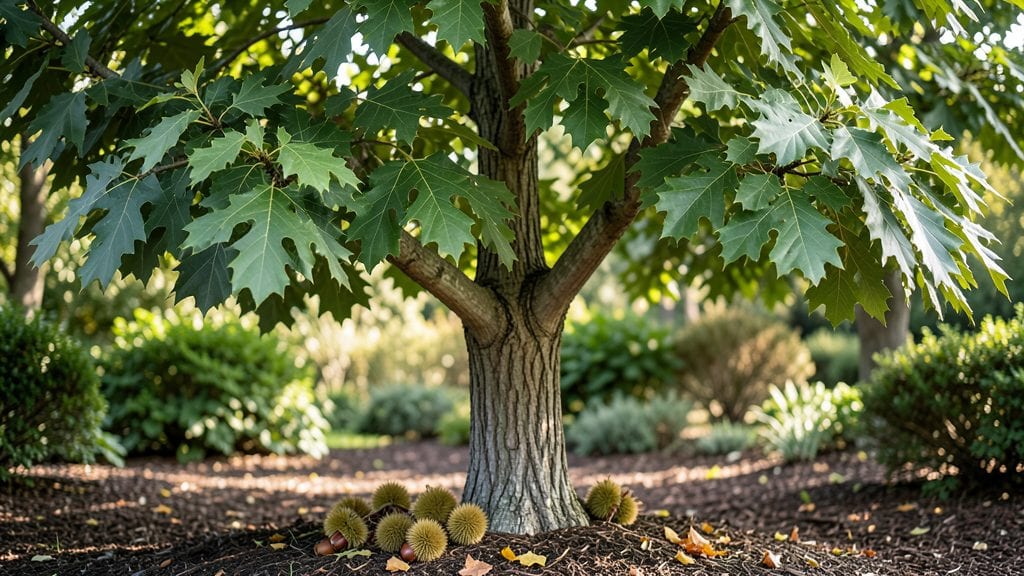
The demonstrative chestnut tree growth rate is nothing short of spectacular—3 to 5 feet per year in ideal conditions, turning a sapling into a 30-foot shade champion in just a decade. 🌱 I planted mine as a whippersnapper of a seedling, and within five years, it was already casting dappled shade over my patio.
The key isn’t just time—it’s the right soil, sunlight, and a little patience with their slow-starting roots.
Horse chestnuts (the ones with candelabra flowers) grow even faster—up to 6 feet annually—but they’re not as cold-hardy as their sweet cousins. Both species need full sun and well-draining soil, though sweet chestnuts tolerate poorer conditions.
Mulch helps retain moisture, and watering deeply once a week keeps those roots happy without smothering them.
By year 3, you’ll see real progress: sturdy trunks and the first clusters of velvety buds. A 10-year-old tree offers serious shade, with a canopy wide enough to host a picnic.
The trade-off? Their early growth slows as they mature, but the payoff in mature height and spread is worth the wait.
Watch for pests like chestnut weevils or fungal issues in damp climates—they can slow growth or worse. Prune only to shape, never to hurry. With the right care, your tree will outpace expectations, becoming the fastest-growing shade tree in the neighborhood.
📚 In This Guide
- What you need
- Instructions
- Tips and common mistakes
- Wrapping up and next steps
What you need
- ● Chestnut tree sapling or seed – Choose a Castanea spp. variety (e.g., American chestnut, European chestnut) from a reputable nursery. Saplings (1–3 ft tall) grow faster than seeds.
- ● Well-draining soil – Aim for loamy, slightly acidic soil (pH 4.5–6.5). Amend clay or sandy soil with 2–3 inches of compost or aged manure.
- ● Organic mulch – 3–4 inches of wood chips or straw to retain moisture and suppress weeds.
- ● Watering can or hose with a gentle nozzle – Chestnut trees need 1–2 inches of water weekly (more during dry spells).
- ○ Fertilizer (optional but helpful) – A balanced 10-10-10 or slow-release organic fertilizer (e.g., alfalfa meal) at planting time and again in spring.
- ● Shovel or trowel – For digging a hole twice as wide as the root ball but no deeper.
- ● Garden gloves – To protect hands while handling soil and roots.
- ● Pruning shears – For trimming dead branches or shaping young trees (sterilize blades with rubbing alcohol).
- ○ Soil pH test kit – Optional but recommended to ensure optimal growing conditions.
- ● Stake & tree tie (if needed) – For young saplings in windy areas (use biodegradable ties).
- ● Sunlight – Full sun (6+ hours daily) for optimal growth.
- ● Hardiness zone – Plant in USDA zones 4–8 (varies by species).
- ● Space – Allow 30–50 feet between trees (they spread wide!).
How to maximize your chestnut tree's growth rate in 10 years
Here's how to nurture a shade champion that grows faster than average—with proven techniques.
🌱 Step 1: Plant at the Right Time and Location
Chestnut trees thrive when planted in early spring or fall, giving roots 6-8 weeks to establish before extreme temperatures. Choose a spot with full sun to partial shade—at least 6 hours of sunlight daily—and well-draining soil. I dig a hole twice as wide as the root ball but only as deep, ensuring the top of the roots sits just below soil level.
Amend heavy clay soil with 2-3 inches of compost mixed into the bottom of the hole. Chestnuts hate soggy roots, so if your yard floods, mound the planting area 6-12 inches high to improve drainage. Tap the soil gently after planting to remove air pockets—you’ll see the roots settle naturally.
☀️ Step 2: Water Deeply and Protect Young Growth
Water your chestnut tree deeply once a week for the first 2 years, soaking the soil to 12-18 inches deep. Use a hose with a gentle spray nozzle or drip irrigation to avoid disturbing the soil surface. You’ll know you’ve watered enough when the top 6 inches of soil feel moist but not saturated.
Mulch around the base with 3-4 inches of wood chips, keeping mulch 6 inches away from the trunk to prevent rot. This mimics the forest floor where chestnuts naturally grow and helps retain moisture. In winter, wrap the trunk with tree guard if your climate dips below 10°F—young bark is tender and can crack.
✂️ Step 3: Prune Strategically for Stronger Growth
Wait until the tree is 3-5 years old before pruning—this gives the root system time to support new growth. Remove dead, crossing, or diseased branches first, cutting back to the branch collar. For faster height growth, prune side branches that compete with the main trunk, reducing their length by ⅓ to encourage upward energy.
Here’s the thing—chestnuts respond best to light pruning. Over-pruning stresses the tree and slows growth. I prune in late winter or early spring before new buds swell, using sterilized pruners to prevent disease spread. Seal cuts larger than ½ inch with pruning sealant to protect against pests.
🌿 Step 4: Fertilize for Accelerated Growth
Apply a balanced 10-10-10 fertilizer in early spring when new leaves emerge, using ½ cup per inch of trunk diameter. Spread the fertilizer in a 6-inch-wide band around the drip line (the outer edge of the tree’s canopy) and water it in immediately. This mimics natural nutrient cycles and avoids root burn.
After the first year, switch to an organic compost (like well-aged manure or leaf mold) spread over the root zone in fall. Chestnuts are heavy feeders, but too much nitrogen early on can lead to weak wood. I test soil every 2-3 years—if phosphorus or potassium levels drop, I add bone meal or greensand to balance growth.
⏰ Step 5: Monitor for Pests and Adjust Care
Watch for chestnut weevils or blight in late summer—these can stunt growth if unchecked. I spray neem oil on leaves at the first sign of damage, repeating every 7-10 days until pests disappear. Healthy trees resist most issues, so focus on consistent watering and mulching to build resilience.
By 10 years, your chestnut should reach 20-30 feet tall with a 10-15 foot spread if cared for properly. The key is patience—chestnuts grow slower than fast-growing willows but outperform them in shade and longevity. Celebrate the first nuts at 15-20 years, a reward for your steady care.
Tips & tricks for fast chestnut tree growth
Want your chestnut tree to hit that 20-30 foot mark in just 10 years? These proven tricks will help you maximize growth without compromising health.
Soil Preparation Secret: Before planting, test your soil's pH—chestnuts prefer slightly acidic soil between 6.0-6.5. If your soil is too alkaline, mix in elemental sulfur at planting time (about 1 pound per 100 square feet). I learned this the hard way after planting in my neighbor's alkaline soil—my tree grew half as fast as expected. The roots simply couldn't access nutrients properly.
Watering Technique: That 12-18 inch deep watering in Step 2 isn't just about quantity—it's about timing too. Water in the early morning so leaves have all day to dry, preventing fungal diseases. I use a moisture meter to check soil depth—when it reads dry at 18 inches, that's your cue to water again. Overwatering is just as bad as underwatering for chestnuts.
Fertilizer Timing: The 10-10-10 fertilizer in early spring is crucial, but here's what nobody tells you: split that application into two doses. Use half when buds first appear and the other half when leaves are fully unfurled. This two-step approach prevents nutrient burn while feeding growth phases. For organic options, fish emulsion works well as a nitrogen source during active growth.
Pruning Hack: When pruning side branches in Step 3, make your cuts at a 45-degree angle just above an outward-facing bud. This encourages new growth to shoot outward, creating a fuller canopy. I mark these buds with a white pencil before cutting—it's a simple visual reminder that makes all the difference in shaping your tree's future growth pattern.
Pro Tips for Chestnut Tree Growth Rate
- Want your chestnut tree to hit that 20-30 foot mark in just 10 years?
- Soil Preparation Secret: Before planting, test your soil's pH—chestnuts prefer slightly acidic soil between 6.0-6.5.
- Watering Technique: That 12-18 inch deep watering in Step 2 isn't just about quantity—it's about timing too.
Frequently asked questions
Got questions about chestnut trees and their growth? You're not alone! Here are some of the most common queries—plus straightforward answers to help you plan, troubleshoot, and enjoy your fast-growing shade tree.
How fast does a chestnut tree grow compared to other shade trees?
A chestnut tree grows at a moderate to fast rate—expect 12–24 inches per year under ideal conditions. While slower than willows or poplars, it outpaces many shade trees like oaks (6–12 inches/year) and maples (12–18 inches/year). With proper care, it can reach 30–50 feet in 10 years, making it a standout for quick shade.
When is the best time to plant a chestnut tree for fastest growth?
Plant in early spring or fall (4–6 weeks before frost) for the best start. Avoid summer heatwaves or winter freezes, which stress young roots. A well-established tree by spring will bolt upward in its first growing season, thanks to deep taproots that access water and nutrients early.
Why isn’t my chestnut tree growing as fast as expected?
Slow growth often stems from poor soil, compaction, or lack of sunlight. Chestnuts thrive in well-draining, slightly acidic soil (pH 4.5–6.5). Test your soil and amend with compost if needed. Also, ensure it gets full sun (6+ hours/day)—shady spots stunt growth. Patience helps!
Can I grow a chestnut tree in a container or small yard?
Chestnut trees need space—they mature at 50–75 feet tall/wide. While possible in a large container (20+ gallons), growth will be slower. For small yards, consider dwarf varieties like ‘Asiatic Chestnut’ (20–30 ft tall) or opt for faster-growing shade alternatives like black walnut or silver maple.
Are chestnut trees prone to pests or diseases that slow growth?
Yes! Chestnut blight (a fungal disease) and borers can weaken trees. Prevent issues by:
- Pruning for airflow
- Removing infected branches immediately
- Using fungicides in spring if blight is common in your area
Wrapping up and next steps
Understanding the chestnut tree growth rate reveals that with the right care, these majestic trees can transform your landscape in just a decade! 🌳 Whether you're planting for shade, beauty, or future harvests, patience and consistency are key—watch your investment flourish into a stunning centerpiece over time.
Ready to get growing? Start by selecting the perfect spot and gathering your supplies, then dive in with confidence. Your future shade champion awaits!