Pruning
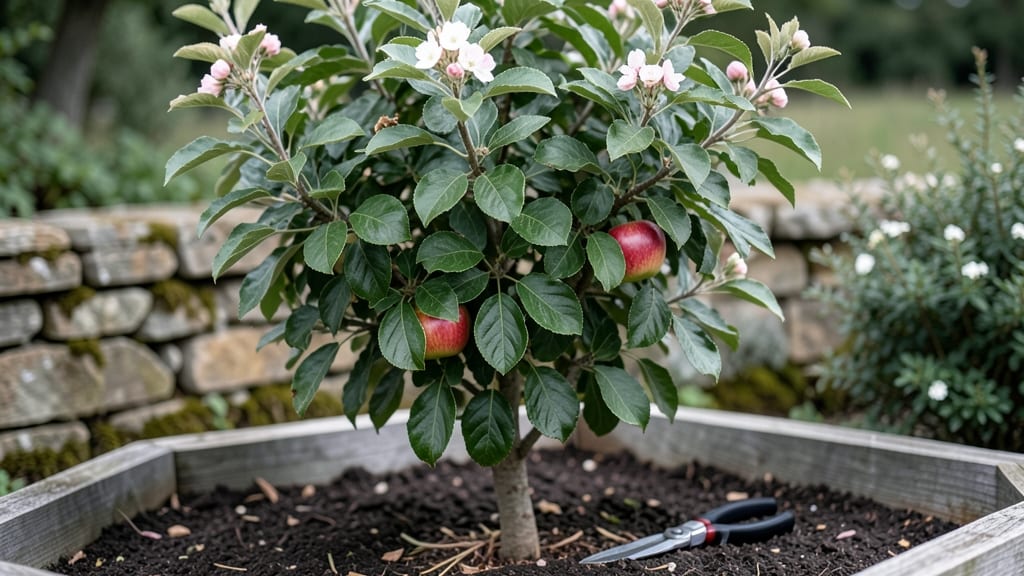
Growing a dwarf Fuji apple tree in the Pacific Northwest means sweet, crisp fruit without the space of a full-sized tree. 🌟 I planted mine last spring, and this year’s harvest already has neighbors asking for cuttings—proof that even small yards can produce big rewards.
The secret starts with the right spot: 6+ hours of sun, sheltered from harsh winds, and well-draining soil. My tree thrives in a raised bed because PNW clay can get waterlogged, and dwarf varieties hate soggy roots.
A 5-gallon container works too if your yard is tight, though you’ll need to fertilize more often. The key is matching the tree’s needs to your space, not forcing it into a corner.
By summer, you’ll be pinching back new growth to shape the tree and thin fruit for larger, sweeter apples. Fuji’s are heavy producers, so pruning isn’t optional—it’s how you keep branches from snapping under the weight.
With the right care, you’ll harvest dozens of apples from a tree that fits in a 4-foot square of space.
PNW’s cool, wet climate means watching for apple scab and codling moths, but organic sprays and netting keep pests in check. The real magic? Your first harvest will taste like childhood—juicy, honeyed, and worth every pinch of pruners. Let’s get that tree planted!
📚 In This Guide
- What you need
- Instructions
- Tips and common mistakes
- Wrapping up and next steps
What you need
- ● Pruning shears: Bypass pruners (sharp, clean, and not dull—1 pair).
- ● Loppers: For thicker branches (1 pair, 6–8" cutting capacity).
- ● Pruning saw: For stubborn, woody branches (1, curved blade preferred).
- ○ Hand pruners (optional but handy): For fine-tuning small cuts (1 pair).
- ● Disinfectant: 70% isopropyl alcohol or 1-part bleach to 9-parts water (to sterilize tools between cuts).
- ● Garden gloves: Cut-resistant, 1 pair (to protect from thorns and sap).
- ○ 5-in-1 pruning tool: Optional but convenient (1, for shears + saw + hook).
- ○ Pruning sealant: Optional but recommended for large cuts (>1" diameter) (1 small tub, like Tanglefoot Tree Wound Pruning Seal).
- ● Timing: Prune during dormant season (late winter/early spring, before buds swell) or right after harvest (summer).
- ● Weather: Choose a dry, overcast day (wet wood splinters; sunny days stress the tree).
- ● Safety gear: Long sleeves/pants (to avoid sap burns) and closed-toe shoes.
- ● Cleanup supplies: Buckets/bags (2–3) for clippings (compost or dispose of diseased branches).
Step-by-Step instructions for planting and caring for a dwarf Fuji apple tree
Here's how to get your cold-hardy Fuji tree thriving in the Pacific Northwest's unique climate.
🌱 Step 1: Choose the Perfect Planting Location
Fuji trees need 6-8 hours of full sun daily, but they also appreciate afternoon shade in hotter inland areas. I always pick a spot with morning sun and afternoon shade—this prevents fruit from sunburn while still giving the tree enough energy to produce sweet apples. The soil should drain well, so avoid low spots where water pools after rain.
Check your site in early spring when the ground is workable. Dig a hole about twice as wide as the root ball but only as deep—planting too deep suffocates the roots. The top of the root ball should sit just above ground level. I like to add a handful of compost to the backfill soil to give the tree a nutrient boost right from the start.
🪴 Step 2: Plant Your Dwarf Fuji Tree Properly
Remove the tree from its container and gently loosen any circling roots with your fingers. This encourages outward root growth instead of a tangled mess. Place the tree in the hole so the graft union (the bump near the base) sits 2-3 inches above soil level—this prevents buried bark from rotting.
Backfill with the native soil (mixed with your compost) and tamp gently as you go. Water deeply to settle the soil around the roots, then add 2-3 inches of mulch (straw or wood chips work well) to retain moisture and regulate soil temperature. Keep the mulch 3 inches away from the trunk to prevent rot.
☀️ Step 3: Water and Fertilize for Strong Growth
Water your new tree deeply once a week during the first growing season, giving it 1-2 gallons depending on pot size. You'll know it's getting enough when the top 6 inches of soil feel dry to touch. Overwatering is a common mistake—Fuji trees hate soggy roots.
In early spring, apply a balanced fruit tree fertilizer (10-10-10 ratio) following package instructions. I fertilize again in early summer, but avoid late-season feeding—it encourages tender new growth that won't harden off before winter. Always water after fertilizing to prevent root burn.
✂️ Step 4: Prune for Shape and Fruit Production
Prune your Fuji tree in late winter or early spring before buds swell. Remove any dead, crossing, or inward-growing branches first. Then shape the tree by cutting back about 1/3 of the new growth from the previous year. This encourages a strong framework and better fruit distribution.
Thin fruit clusters in late spring to 6-8 inches apart. Smaller, well-spaced apples grow larger and sweeter. I also remove any fruit that's misshapen or too close to the trunk—these won't ripen properly and compete with healthier fruit.
🌿 Step 5: Protect and Maintain Through Seasons
In fall, apply 4-6 inches of mulch around the base to insulate roots from winter cold. The Pacific Northwest's wet winters can cause rot, so keep the mulch loose and well-drained. I also wrap the trunk with tree guard fabric for the first few winters to protect against gnawing rodents.
Watch for pests like aphids or codling moths—these love Fuji trees. I use neem oil spray in early summer as a preventive measure. Harvest apples when they're fully colored and slightly soft to touch, usually in late August to September depending on your microclimate.
Tips & tricks for perfect dwarf Fuji apple tree care
These practical tips will help you avoid common pitfalls and maximize your dwarf Fuji apple tree's potential in the Pacific Northwest.
Location is Everything: The 6-8 hours of full sun in Step 1 is non-negotiable for fruit production, but here's what nobody tells you: In coastal areas, afternoon shade becomes even more critical. I've seen trees in full sun all day develop sunburned apples—look for spots where the tree gets morning sun but afternoon shade from nearby structures or taller trees. This balance gives you sweet fruit without the bitter patches.
Root Care During Planting: When loosening circling roots in Step 2, don't just pull them—gently tease them apart with your fingers. I learned this the hard way after seeing roots grow in tight circles underground. This outward growth pattern prevents girdling as the tree matures. Also, that 2-3 inch graft union elevation is crucial: I've seen trees with buried unions develop cankers within two years.
Watering Wisdom: The once-weekly deep watering in Step 3 works perfectly, but here's the secret: Water in the morning so the foliage has all day to dry. Wet leaves at night invite fungal diseases common in our damp climate. I also check soil moisture by lifting the mulch—if the top 6 inches feel damp, wait another day. Overwatering is the #1 killer of young Fuji trees.
Pruning Pro Tips: When thinning fruit clusters to 6-8 inches apart in Step 4, focus on keeping the largest, healthiest apples. I remove any apples growing toward the center of the tree first—they'll never get enough sun to ripen properly. And here's a trick: Prune on a dry day when the tree isn't stressed. Wet tools can spread disease, and stressed trees heal more slowly.
Pro Tips for Dwarf Fuji Apple Tree
- These practical tips will help you avoid common pitfalls and maximize your dwarf Fuji apple tree's potential in the Pacific Northwest.
- Location is Everything: The 6-8 hours of full sun in Step 1 is non-negotiable for fruit production, but here's what nobody tells you: In coastal areas, afternoon shade becomes even more critical.
- Root Care During Planting: When loosening circling roots in Step 2, don't just pull them—gently tease them apart with your fingers.
Frequently asked questions
How often should I prune my dwarf Fuji apple tree?
Prune your dwarf Fuji once a year, ideally in late winter or early spring (before buds swell). Focus on removing dead, diseased, or crossing branches to improve airflow. Light shaping pruning can also be done after harvest to encourage next year’s fruit. Pro tip: Use sterilized tools to prevent disease!
Can a dwarf Fuji survive Pacific Northwest winters?
Dwarf Fuji apple trees are cold-hardy (USDA Zones 5-8) and thrive in PNW’s chilly winters. Just ensure it’s planted in well-draining soil and mulched 3–4 inches deep in fall to protect roots. Young trees may need winter wrap for extra safeguarding.
When will my dwarf Fuji apple tree bear fruit?
With proper care, expect first fruit in 2–3 years! Dwarf varieties mature faster than standard trees. For best results, plant two trees (or nearby pollinators) since Fuji apples are self-pollinating but benefit from cross-pollination. Patience pays off—sweet, crisp fruit awaits!
What if my dwarf Fuji isn’t flowering or fruiting?
Common culprits: lack of sunlight (6+ hours/day), over-pruning, or poor pollination. Check for thinning fruit (leave 6–8 inches between apples) and ensure balanced fertilizer (high in potassium). If issues persist, test soil pH (ideal: 6.0–6.5).
Can I grow Fuji apples in containers?
Yes! Dwarf Fuji trees thrive in containers (15–20 gallon pots) if you live in urban areas. Use well-draining potting mix and repot every 2–3 years. Place in full sun and water deeply when soil dries. Just note: container-grown trees may produce slightly smaller fruit but are perfect for patios!
Wrapping up and next steps
Growing a dwarf Fuji apple tree in the Pacific Northwest is a rewarding journey—packed with fresh, sweet fruit and year-round beauty!
With the right pruning techniques, cold-hardy care, and a little patience, you’ll enjoy a thriving tree that fits perfectly in small spaces. Now’s the time to roll up your sleeves and get growing!
Ready to take the next step? Start by sketching your pruning plan or explore companion planting ideas to maximize your tree’s potential. Happy gardening! 🌳🍏