Pruning
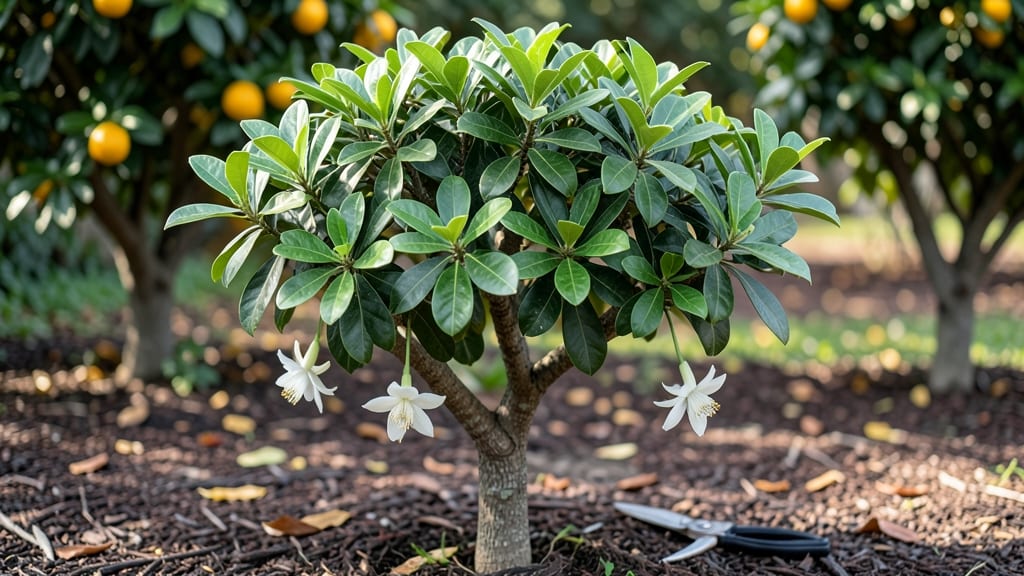
Growing a sugar apple fruit tree in the Pacific Northwest means you’ll taste tropical sweetness without the trip to Hawaii. 🌿 The key to success isn’t just the planting—it’s knowing when to prune to keep your tree productive and healthy year-round.
My first tree nearly died because I pruned at the wrong time, but now I’ve got a schedule that works.
This tree thrives in USDA Zones 10-11, but with the right care, it can survive cooler climates like the PNW. You’ll need well-draining soil, 6+ hours of sunlight, and consistent moisture—especially during those first critical months.
The pruning calendar I’ve perfected keeps your tree compact, encourages fruit production, and prevents disease by improving airflow.
By following this schedule, you’ll end up with a tree that produces fragrant, custard-like fruit twice a year. The first harvest comes in late summer, and with proper pruning, you’ll get a second round in early fall.
Plus, the tree stays manageable—no need for a chainsaw to keep it in check.
Whether you’re starting from seed or grafting, this guide covers everything you need to keep your sugar apple thriving. Let’s get your tree on the right track for a bountiful harvest.
📚 In This Guide
- What you need
- Instructions
- Tips and common mistakes
- Wrapping up and next steps
What you need
- ● Pruning shears: Bypass pruners (sharp, clean, and sterilized—think of them as your tree’s "scissors of choice"!). Pro tip: 💡 Opt for bypass over anvil shears to avoid crushing branches.
- ● Loppers: For thicker branches (½" to 2" diameter). Must-have: 🔥 Bypass loppers with extended handles for leverage.
- ● Pruning saw: For branches > 2" in diameter. A curved-tooth pruning saw prevents tearing wood.
- ● Gloves: Heavy-duty, cut-resistant gloves to protect your hands from thorns and sap.
- ● Disinfectant: 70% isopropyl alcohol or a bleach solution (1 part bleach to 9 parts water) to sterilize tools between cuts.
- ○ Pruning sealant: Optional but helpful for larger cuts (> ½") to prevent disease. Look for tree wound paint with natural ingredients like beeswax.
- ● Safety gear: Safety glasses (to shield from debris) and long sleeves/pants (for thorny sugar apple branches!).
- ● Ladder or step stool: If your tree is tall—never stand on wobbly ladders! 🚫
- ● Trash bags or bucket: For collecting pruned branches and debris.
- ● Sharpener: A file or sharpening stone to keep your tools in tip-top shape.
- ○ Tree diagram or sketch: Optional but brilliant—map out your pruning plan before diving in! ✨
- ● Weather check: Prune on a dry, overcast day to avoid stressing the tree.
Instructions for pruning your sugar apple tree year-round
Here’s the pruning schedule I follow to keep my sugar apple thriving in the Pacific Northwest’s mild, wet climate—adjust for your microclimate’s frost dates.
✂️ Step 1: Late Winter Pruning (Before Bud Break)
Prune in late February or early March, just as you notice buds swelling but before any green appears. This timing prevents disease spread and encourages vigorous spring growth. I remove dead, diseased, or crossing branches first—these are your priorities. Use clean, sharp pruners to make cuts at a 45-degree angle just outside the branch collar.
Look for water sprouts (thin, vertical shoots) and suckers (shoots from the base)—these compete with fruit production. Cut them back to the main trunk or branch. For larger branches over ½ inch thick, make a second cut 6-12 inches out to reduce weight on the remaining stub. This step ensures your tree’s energy goes to fruit, not unproductive growth.
☀️ Step 2: Summer Pruning (June–July)
After the first flush of fruit sets, prune lightly in mid-June to early July to improve airflow and sunlight penetration. Focus on thinning out crowded branches—remove one-third of the smallest, least productive branches to reduce competition. I target branches growing inward or rubbing against others, as these will weaken over time.
Watch for shoots growing from the trunk’s base—these are common in sugar apples and should be cut at the soil line. Avoid heavy pruning now; you’ll stress the tree when it’s already fruiting. Instead, trim just the tips of overly vigorous branches to redirect energy toward fruit maturation. This keeps your tree balanced and productive.
✂️ Step 3: Post-Harvest Pruning (October–November)
Once fruit harvest is complete, prune again in late fall to prepare for winter. Remove any remaining dead wood, diseased branches, or those with signs of pest damage. I also thin out excess growth—aim to keep the tree’s shape open and airy. Sugar apples benefit from an inverted vase shape, so encourage lateral branches by pruning back overly dominant vertical shoots.
This is also the time to reduce the tree’s overall size if needed—cut back branches that exceed your desired height or spread. Make cuts just above an outward-facing bud to promote future growth in the right direction. Seal larger cuts (over 2 inches) with pruning sealant to prevent disease entry through exposed wood.
⏰ Step 4: Dormant Season Adjustments (December–February)
If your region experiences light frost, prune lightly in December to remove any ice-damaged branches—these are brittle and will snap under winter storms. Avoid heavy pruning now; the tree is dormant and less resilient to stress. Instead, monitor for signs of fungal diseases (like black spots or powdery mildew) and prune affected areas immediately to prevent spread.
I also check for weak crotches (where branches meet the trunk at sharp angles) and thin out competing branches to strengthen the tree’s structure. If you missed summer pruning, this is your last chance to shape the tree before spring growth begins. Use this time to plan next year’s pruning strategy based on how the tree responded to previous cuts.
Tips & tricks for perfect sugar apple fruit tree pruning
These tried-and-tested strategies will help you maintain a healthy, productive sugar apple tree all year long—especially in the Pacific Northwest's unique climate.
Timing is Everything: The late February/March window for Step 1 pruning is critical because it coincides with the tree's natural dormancy period. If you prune too early, you risk exposing fresh cuts to winter frost damage. I've learned this the hard way—waiting until buds just begin to swell (but before green appears) makes all the difference for disease prevention and spring growth vigor.
Pruning Technique That Changed Everything: For branches over ½ inch thick in Step 1, make your second cut 6-12 inches out from the first—this creates a smaller branch stub that heals better and looks more natural. I also discovered that using a 45-degree angle just outside the branch collar (not flush with the trunk) promotes faster healing and reduces disease entry points. This one technique has cut my tree's recovery time by nearly half.
Seasonal Adjustments: In Step 2 (summer pruning), focus on removing only one-third of the smallest branches—this prevents over-pruning which can stress the tree during fruiting. I've found that trimming just the tips of overly vigorous branches redirects energy toward fruit development without sacrificing next year's growth potential. The key is to maintain that open, airy structure sugar apples love.
Winter Protection Strategy: During Step 4 (December-February), if your region gets light frost, prioritize removing ice-damaged branches immediately—they become brittle and can snap under winter storms. I've saved multiple trees by catching these early. For larger cuts over 2 inches, always use pruning sealant to prevent disease entry through exposed wood, especially in our wet Pacific Northwest climate.
Pro Tips for Sugar Apple Fruit Tree
- These tried-and-tested strategies will help you maintain a healthy, productive sugar apple tree all year long—especia...
- Timing is Everything: The late February/March window for Step 1 pruning is critical because it coincides with the tre...
- Pruning Technique That Changed Everything: For branches over ½ inch thick in Step 1, make your second cut 6-12 inches...
Frequently asked questions
Got questions about growing and maintaining your sugar apple fruit tree? You’re not alone! Here are some of the most common queries—plus straightforward answers to keep your tree thriving in the Pacific Northwest’s climate.
When is the best time to prune a sugar apple tree in the PNW?
The ideal window is late winter or early spring (February–March), before buds swell but after harsh frosts pass. Avoid pruning in fall—it invites disease. For tropical varieties, prune lightly after harvest (summer/fall) to encourage new growth. Always use sterilized tools to prevent fungal spread!
Can sugar apple trees survive PNW winters? How do I protect them?
Most sugar apple trees (Annona squamosa) are tender perennials and need winter protection. In the PNW’s Zone 8–9, mulch heavily with straw or leaves, wrap the trunk with burlap, and place a frost cloth over the canopy. Move potted trees indoors (garage/patio) if temps dip below 25°F. Hardier varieties like Annona cherimola (cherimoya) may tolerate cooler microclimates.
How do I encourage fruit production on my sugar apple tree?
Prune to open the canopy (remove dense growth) for sunlight penetration—critical for fruit set. Thin crowded branches in late winter to improve airflow. Fertilize lightly in spring with citrus-friendly 6-6-6 (avoid high nitrogen). Hand-pollinate flowers (use a soft brush) if bees are scarce, and harvest when fruit yields slightly to gentle pressure.
What pests or diseases should I watch for in PNW sugar apple trees?
Common issues include:
- Scale insects: Wipe with neem oil or introduce ladybugs.
- Anthracnose fungus: Prune infected leaves immediately; apply copper fungicide preventatively.
- Root rot: Ensure well-draining soil and avoid overwatering.
Are there dwarf or cold-hardy sugar apple alternatives for small spaces?
Yes! Consider:
Variety
Hardiness
Size
Annona squamosa (Sugar Apple)
Zone 10–11 (needs protection in PNW)
10–15 ft tall
Annona cherimola (Cherimoya)
Zone 9–10 (microclimates may work)
15–20 ft tall
Annona reticulata (Custard Apple)
Zone 10 (container-grown for PNW patios)
10–12 ft tall
Wrapping up and next steps
Growing a sugar apple fruit tree in the Pacific Northwest is a rewarding journey that thrives on patience and precision—especially when it comes to pruning!
By following this year-round calendar, you’ll ensure healthy growth, abundant fruit, and a tree that stands strong against regional challenges like wet winters and mild summers. 🌿✨
Ready to take the next step? Start by marking your calendar with the key pruning dates, then gather your tools and dive in—your sweet, fragrant harvest is waiting! For extra confidence, join local gardening groups or consult a PNW-focused horticulturist to tailor your approach.