Trees
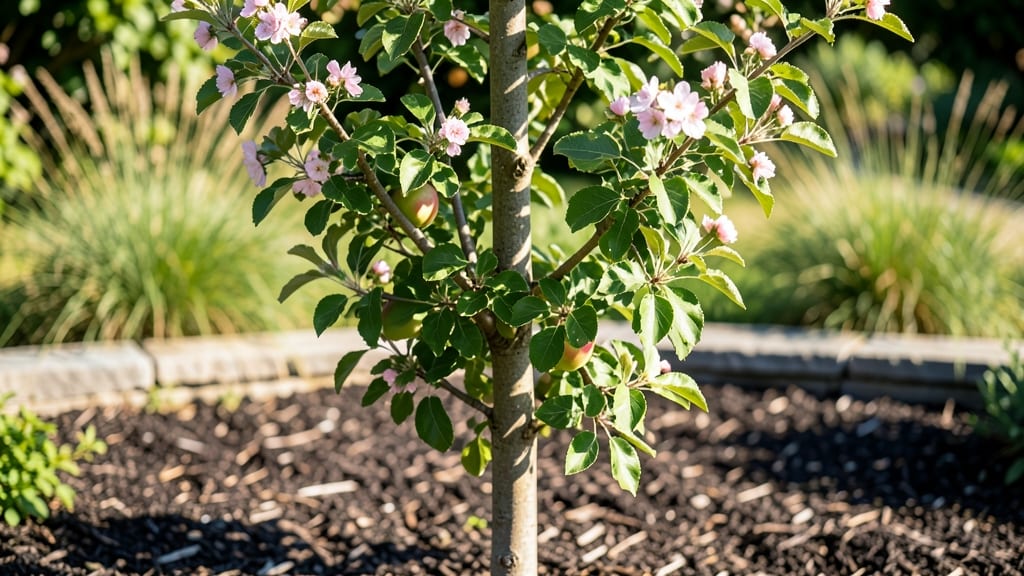
Growing mini apple trees in your backyard means fresh fruit without the orchard-sized footprint. 🍏 I planted my first dwarf apple tree last spring, and within two years, I was harvesting enough apples for pies and sharing with neighbors—all from a 5-foot-wide spot in my tiny urban yard.
The key isn’t just the right variety; it’s knowing how to coax those tiny trees into producing big harvests year after year.
You’ll need sunlight, well-draining soil, and a little patience—but no fancy equipment. Dwarf varieties like ‘Columnar’ or ‘Semi-Dwarf’ fit containers or small gardens, and their compact size means less pruning.
The real magic happens when you pair compatible pollinators (like a Granny Smith with a Honeycrisp) and protect them from winter’s harshest winds. Even in small spaces, these trees can yield 50-100 pounds of fruit annually—enough to feed a family or stock a pantry.
Picture this: crisp, red apples hanging within arm’s reach, their scent mixing with autumn leaves as you pick them straight from the tree. With the right care, your mini orchard will thrive for decades, offering shade, beauty, and harvests that taste like childhood memories.
The best part? You’ll never need to drive to a grocery store again for apples that actually ripen properly.
Whether you’re working with a balcony, a backyard corner, or even a large pot, dwarf apple trees adapt—just adjust their care to your space. Let’s get those roots in the ground and those branches heavy with fruit!
📚 In This Guide
- What you need
- Instructions
- Tips and common mistakes
- Wrapping up and next steps
What you need
- ● Dwarf apple tree varieties: Choose from popular options like ‘Liberty,’ ‘Honeycrisp,’ or ‘Fuji.’ (1-2 trees for cross-pollination if needed.)
- ● 5-gallon pots or containers: Ensure they have drainage holes (minimum 12" diameter).
- ● High-quality potting mix: Use a well-draining blend (e.g., 60% soil, 30% compost, 10% perlite).
- ● Slow-release fertilizer: Look for a balanced formula (10-10-10 or 20-20-20).
- ● Pruning shears: Sharp, clean tools for shaping and maintenance.
- ○ Staking kit (optional but helpful): For young trees in windy areas.
- ● Gloves: Protect your hands from thorns and dirt.
- ● Watering can or hose with gentle nozzle: Avoid overwatering.
- ● Mulch (e.g., straw or wood chips): Helps retain moisture and regulate soil temperature.
- ○ Fruit tree spray (optional): For pest/disease prevention (e.g., neem oil or copper fungicide).
- ○ Sunlight meter (optional): Ensures your mini orchard gets 6-8 hours of sun daily.
How to grow dwarf apple trees in containers
Here's how I've successfully grown fruit-bearing apple trees in small spaces—no yard required.
🌱 Step 1: Select the Right Dwarf Variety and Container
Choose a dwarf apple tree variety like 'Columnar' or 'Semi-Dwarf' types, which stay under 6 feet tall and thrive in containers. I always pick a self-pollinating variety like 'Liberty' or 'Enterprise' to avoid needing multiple trees. The container must be at least 18 inches deep with drainage holes—apple trees hate soggy roots.
I use a 20-gallon fabric grow bag because it's lightweight, allows roots to breathe, and prevents root circling. Fill the bottom 3 inches with gravel for drainage, then add high-quality potting mix mixed with 20% perlite for aeration. This combo prevents compaction and keeps roots healthy.
🪴 Step 2: Plant at the Correct Depth and Stake for Support
Remove the tree from its nursery pot and loosen the roots gently if they're circling. Plant it so the graft union (the bump near the base) sits 1-2 inches above the soil line. This prevents the tree from growing a new root system below the graft and ensures it stays dwarf-sized.
Fill the container with the potting mix, pressing lightly around the roots to eliminate air pockets. Insert a 5-foot bamboo stake next to the tree and tie it loosely with soft plant ties—you don’t want to strangle the trunk as it grows. Water deeply until it drains from the bottom holes.
☀️ Step 3: Provide Full Sun and Consistent Watering
Dwarf apple trees need 6-8 hours of direct sunlight daily. Place the container in the sunniest spot you have—even partial shade will reduce fruit production. If you're growing indoors near a window, supplement with a grow light for 12-14 hours a day to mimic natural light cycles.
Water when the top 2 inches of soil feel dry. I check this by sticking my finger in the soil—if it's dry past my first knuckle, it's time to water. Apple trees are thirsty but hate soggy conditions, so always let excess water drain away completely. During hot summers, I water every 2-3 days, but I reduce this to once a week in winter.
✂️ Step 4: Prune for Shape and Fruit Production
Prune your dwarf apple tree twice a year: in late winter (before buds swell) and summer (after fruiting). In winter, remove any dead, crossing, or inward-growing branches to improve airflow and sunlight penetration. Cut just above an outward-facing bud to encourage healthy growth.
In summer, thin out excessive fruit to 6-8 inches apart on each branch. Overloading the tree with fruit stresses it and can lead to small, poor-quality apples. I also pinch back new growth by one-third to encourage a bushier shape. Always use clean, sharp pruners to prevent disease.
🍎 Step 5: Fertilize and Winterize for Long-Term Success
Feed your dwarf apple tree with a balanced, slow-release fertilizer (10-10-10) in early spring and again in mid-summer. I mix in 2 tablespoons of granular fertilizer into the top 2 inches of soil and water it in. Avoid high-nitrogen fertilizers—they promote leafy growth at the expense of fruit.
Before winter, move the container to a protected spot like a garage or under an eave to shield it from freezing winds. Wrap the container in bubble wrap or tree wrap to insulate the roots. In very cold climates, bring the tree indoors near a south-facing window or under a grow light until spring.
Tips & tricks for perfect mini apple trees
Here's what I've learned after growing these little fruit powerhouses—these tricks make all the difference for happy, productive trees.
Container Selection: While the instructions mention an 18-inch deep container, I've found that wider containers (like 24-inch diameter) actually work better for stability. The extra width gives roots room to spread without becoming root-bound. If you're using a pot without drainage holes, drill them yourself—apple trees absolutely despise soggy roots.
Graft Union Protection: In Step 2, when positioning that graft union 1-2 inches above soil, I add a small mound of soil around the base to create a protective barrier. This prevents water from pooling against the graft, which can cause rot. Think of it like creating a little moat around your tree's neck!
Sunlight Strategy: For the required 6-8 hours of sunlight, I recommend moving your container to follow the sun's path throughout the day. If you're on a balcony or patio, rotate it every few hours. And if you're using grow lights for 12-14 hours indoors, position them 6-12 inches above the tree—closer for seedlings, farther as it grows.
Pruning Pro Tip: When thinning fruit in summer, I look for apples that are evenly spaced and facing outward. Remove any that are clustered or growing inward—they'll compete for nutrients and likely stay small. This spacing also improves airflow, reducing disease risk. Remember, fewer perfect apples beat many poor-quality ones!
Pro Tips for Mini Apple Trees
- Here's what I've learned after growing these little fruit powerhouses—these tricks make all the difference for happy,...
- Container Selection: While the instructions mention an 18-inch deep container, I've found that wider containers (like...
- Graft Union Protection: In Step 2, when positioning that graft union 1-2 inches above soil, I add a small mound of so...
Frequently asked questions
Got questions about growing mini apple trees? You’re not alone! Here are some of the most common queries—plus quick, practical answers to help you get started with confidence.
What’s the best dwarf apple tree variety for beginners?
Start with ‘Liberty,’ ‘Golden Delicious,’ or ‘Honeycrisp’—they’re disease-resistant, cold-hardy, and produce reliable fruit. For small spaces, ‘Columnar’ varieties (like ‘Wijcik’) grow narrow and yield heavily with minimal pruning. Check your USDA zone for climate-matched picks!
How long does it take for a dwarf apple tree to bear fruit?
Most dwarf apple trees fruit in 2–4 years after planting, but some precocious varieties (like ‘Anna’) may produce in as little as 1–2 years. Patience pays off—young trees focus on root growth first. Feed with citrus-free fertilizer in early spring to speed up fruiting!
Can I grow a dwarf apple tree in a container?
Use a 15–20 gallon pot with drainage holes and well-draining soil. Opt for self-pollinating varieties (like ‘Gala’) or plant two trees nearby for cross-pollination. Move pots to a sunny spot in summer and protect from frost in winter with burlap wraps.
Do dwarf apple trees need bees for pollination?
Yes! Even dwarf trees rely on bees or wind for pollination. Plant two compatible varieties (e.g., ‘Fuji’ + ‘Gala’) within 50 feet to ensure fruit set. If bees are scarce, hand-pollinate with a soft brush in spring during bloom time. Bonus: Plant pollinator-friendly flowers nearby to attract them!
Why aren’t my dwarf apple tree’s leaves turning green?
Yellow or pale leaves often signal nutrient deficiencies (like nitrogen or iron) or overwatering. Test soil pH (ideal: 6.0–6.5) and amend with compost or chelated iron. Check for pests like aphids, which sap sap. Prune dead branches and water deeply but infrequently to avoid root rot.
Wrapping up and next steps
Mini apple trees are the perfect way to enjoy fresh, homegrown fruit without sacrificing space! Whether you’re a city dweller with a tiny balcony or a gardener with limited yard room, dwarf apple varieties deliver big rewards in small packages.
With the right care—sunlight, pruning, and patience—you’ll soon be harvesting sweet, crisp apples that taste even better than store-bought.
Ready to take the next step? Start small with a dwarf variety—like ‘Liberty’ or ‘Columnar’—and watch your garden (or patio!) transform into a fruitful oasis. Happy planting! 🌱🍏