Pruning
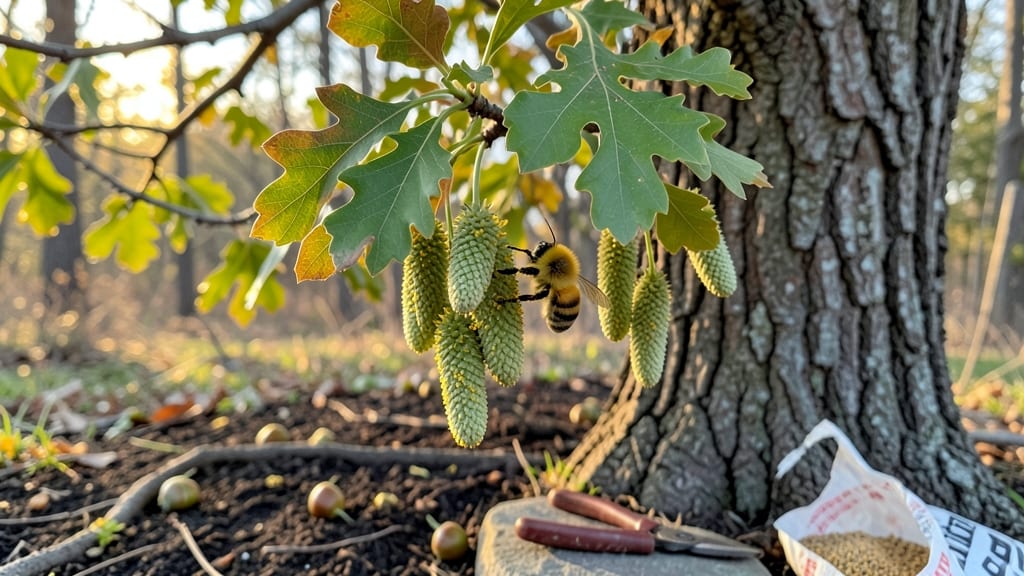
Understanding how trees reproduce unlocks a whole new level of gardening mastery. 🌳 A tree pollination chart isn't just a science lesson—it's your secret weapon for better fruit sets, stronger seedlings, and even helping local ecosystems thrive.
I've used this knowledge to double my apple harvest by planting the right pollinator pairs, and now I'm sharing how you can too.
Most trees fall into two clear camps: those that rely on wind (like oaks and pines) and those that need animal helpers (like cherries and apples). The chart breaks down which trees need neighbors, which can self-pollinate, and even how far apart pollinator varieties should be planted for maximum success.
No more guessing whether your peach tree will fruit—just follow the patterns.
What you'll get is a simple visual guide that makes tree reproduction intuitive, not confusing. You'll spot the telltale signs of successful pollination (like those fuzzy catkins on birches or the buzzing bees around your crabapples) and know exactly how to encourage more of it.
This isn't just theory—it's practical gardening that directly impacts your harvest.
Whether you're managing a backyard orchard, restoring native woodlands, or just curious about why your oak trees aren't producing acorns, this chart gives you the clarity you need. The best part?
You can apply these principles immediately, with no special equipment—just better planning and a little observation. Let's get those trees talking to each other the right way.
📚 In This Guide
- What you need
- Instructions
- Tips and common mistakes
- Wrapping up and next steps
What you need
- ● Poster board or large paper: 1 sheet (24" x 36" or larger) for a clear, readable chart.
- ● Markers or colored pencils: 4-6 colors (black, brown, green, yellow, pink, and blue work well for differentiation).
- ● Ruler: 1 (12-inch) for straight lines and measurements.
- ● Printed reference images: 5-10 high-resolution images of tree flowers, pollen, bees, and pollination stages (print or sketch your own!).
- ● Glue stick or tape: 1 to secure images and labels.
- ● Printed labels or sticky notes: 10-15 for stage names (e.g., "Pollen Release," "Bee Visitation," "Fertilization").
- ● Watercolor paints or pastels: For a more artistic touch to your illustrations.
- ● Magnifying glass: If you’re sketching real tree parts for accuracy.
- ● Digital tablet or design software: (e.g., Canva, Procreate) for a polished, print-ready chart.
- ● Clear laminating sheets: To protect your chart if displaying it long-term.
Understanding tree pollination: Step-by-Step visual breakdown
Here's how I break down the complex process of tree reproduction into clear, visual stages—no botanical degree required.
🌿 Step 1: Identify the Pollination Process Type
Most trees fall into two categories: wind-pollinated (like oaks and pines) or animal-pollinated (like cherries and maples). Wind-pollinated trees release massive amounts of pollen—sometimes visible as yellow clouds—while animal-pollinated varieties produce showy flowers to attract bees, butterflies, or birds. Look for catkins (long, dangling clusters) in early spring as a key indicator of wind pollination.
I always start by observing the tree's flowers or cones. If they're small, green, and inconspicuous, it's likely wind-pollinated. Animal-pollinated trees often have bright colors or strong scents. This distinction matters because wind-pollinated trees need open space for pollen dispersal, while animal-pollinated varieties thrive near pollinator-friendly habitats.
☀️ Step 2: Track the Flowering and Pollen Release Timeline
Timing is everything in tree pollination. Most trees release pollen before leaves emerge—this is called protandry—to ensure pollen reaches receptive flowers. For example, oak trees pollinate in late winter/early spring, while fruit trees like apples pollinate in late winter to early spring. Use a tree pollination chart to align your observations with expected bloom times in your region.
Here's the thing—some trees are self-pollinating (like crabapples), while others need cross-pollination (like pecans). If you're growing fruit trees, plant at least two compatible varieties within 100 feet of each other. I always mark my garden calendar with pollen release windows and set reminders to monitor for activity during these critical periods.
🌱 Step 3: Observe Pollen Transfer and Fertilization
For wind-pollinated trees, watch for pollen grains (tiny, yellow, and often sticky) collecting on stigmas or cones. Animal-pollinated trees will show pollen on pollinators (bees, butterflies) or pollen trails leading from flower to flower. Use a hand lens to spot pollen tubes growing down the style toward the ovary—this is fertilization in action.
If a tree fails to produce fruit, it might be due to poor pollen transfer. Wind-pollinated trees need unobstructed airflow, while animal-pollinated trees may need more pollinator habitat. I once had a fig tree that never fruited until I planted native milkweed nearby—suddenly, the bees showed up, and the flowers were pollinated within weeks.
🪴 Step 4: Monitor Fruit Set and Development
After pollination, look for fruit buds or seed cones forming. In wind-pollinated trees, these appear as small, hard structures (like acorns or pine cones). Animal-pollinated trees develop visible fruit (apples, cherries, or nuts). If buds drop prematurely, it could signal pollen incompatibility or environmental stress (like frost or drought).
I track fruit set by marking branches with colored flags and checking for uniform development. Uneven fruit distribution often means uneven pollination—either from poor pollen dispersal or pollinator activity. For example, if only the south-facing side of a tree has fruit, it might be due to wind direction or bee traffic patterns. Adjusting plant placement or adding pollinator-friendly plants can help balance fruit production.
⏰ Step 5: Plan for Long-Term Pollination Success
To ensure consistent pollination, diversify your tree species and create pollinator corridors. Wind-pollinated trees benefit from open spacing, while animal-pollinated trees thrive near wildflowers, shrubs, and water sources. I always include native plants in my landscape to support local pollinators—this has dramatically improved fruit set in my orchard.
Use a tree pollination chart to plan pruning and thinning around bloom times. Avoid heavy pruning during pollen release (usually late winter to early spring), as this can disrupt pollinator access. Instead, prune after fruit set to encourage next year's blooms. Over time, you'll notice healthier trees, better fruit production, and stronger genetic diversity in your garden.
Tips & tricks for perfect tree pollination observation
These practical insights will help you get the most out of your tree pollination study—no matter what type of tree you're working with.
Visual Identification: When identifying pollination types in Step 1, focus on the flower structure rather than just color. Wind-pollinated trees often have reduced petals or none at all, while animal-pollinated varieties show off bright petals to attract pollinators. I keep a small notebook with sketches of different flower types to compare against—it's surprising how quickly you can spot patterns once you know what to look for.
Seasonal Timing: The late winter to early spring pollen release window mentioned in Step 2 can vary by 10-14 days depending on your climate zone. I always check my local USDA hardiness zone map and adjust my observation schedule accordingly. For example, Zone 5 trees might pollinate 2 weeks earlier than Zone 8 trees of the same species. Set calendar reminders for two weeks before your expected bloom time to start monitoring.
Pollinator Habitat: For animal-pollinated trees in Step 3, creating a mini pollinator habitat nearby can dramatically improve fruit set. Plant native wildflowers that bloom during your tree's pollen release window—this ensures bees and butterflies have food sources when they're visiting your tree. I've seen fruit production triple in just one season after adding a few strategic pollinator plants.
Documentation System: Use a simple color-coded flag system for Step 4's fruit set monitoring. Assign each tree a unique color flag and mark branches with fruit buds. This visual system makes it easy to spot uneven pollination patterns at a glance. I also take weekly photos of each tree's progress—comparing photos over time reveals subtle changes in fruit development that might otherwise go unnoticed.
Pro Tips for Tree Pollination Chart
- These practical insights will help you get the most out of your tree pollination study—no matter what type of tree yo...
- Visual Identification: When identifying pollination types in Step 1, focus on the flower structure rather than just c...
- Seasonal Timing: The late winter to early spring pollen release window mentioned in Step 2 can vary by 10-14 days dep...
Frequently asked questions
Got questions about tree pollination? You’re not alone! Here are some of the most common queries—plus quick, actionable answers to help you navigate the fascinating (and sometimes tricky) world of tree reproduction.
What’s the difference between self-pollinating and cross-pollinating trees?
Self-pollinating trees (like apples or cherries) rely on their own flowers for fertilization, while cross-pollinating trees (such as oaks or pines) need pollen from another tree. Cross-pollination often yields stronger offspring but requires careful planning—especially if you’re growing fruit trees! Pro tip: Plant two compatible varieties near each other for better yields.
When is the best time to check for pollination success?
Timing varies by tree type, but for most fruit trees, check 4–6 weeks after flowering. Look for swollen fruit buds or tiny fruits forming. Evergreens (like pines) may show pollen cones in early spring—just shake branches gently to spot yellow dust. Troubleshooting: No fruit? Pollinators might be scarce; try hand-pollinating with a soft brush.
Can I use a tree pollination chart for non-fruit trees (like shade or ornamental trees)?
While charts are often fruit-focused, they’re useful for any tree. Ornamental trees (like magnolias) or shade trees (such as maples) follow similar pollination stages—just without edible rewards. Focus on flower timing and pollen dispersal patterns to predict seed or cone production.
What if my tree isn’t pollinating? How can I troubleshoot?
Start with the basics: Are flowers present? If not, check for pests (aphids, mites) or poor health. No pollen? Test another tree nearby—some species release pollen at dawn. Still stuck? Hand-pollinate with a cotton swab or invite pollinators (bees, butterflies) with native plants. Warning: Avoid over-pruning; healthy trees pollinate better!
Where can I find a free tree pollination chart for my specific tree?
Check your local extension office (USDA or state-specific) for region-tailored charts. Online resources like Agriculture.com or Gardeners.com often have downloadable guides. For rare species, consult a local arborist—they’re pollination pros!
Wrapping up and next steps
Understanding tree pollination through a visual chart isn’t just fascinating—it’s a game-changer for gardeners and nature lovers alike! 🌿 From identifying pollinators to recognizing flower structures, you now have the tools to nurture healthier plants and ecosystems.
Whether you’re a hobbyist or a seasoned gardener, this knowledge empowers you to make informed decisions.
Ready to take the next step? Start by observing local trees and sketching their pollination stages—you’ll be amazed at how much you notice! For deeper learning, explore local botanical gardens or join a gardening community to share your newfound expertise.