
Pruning
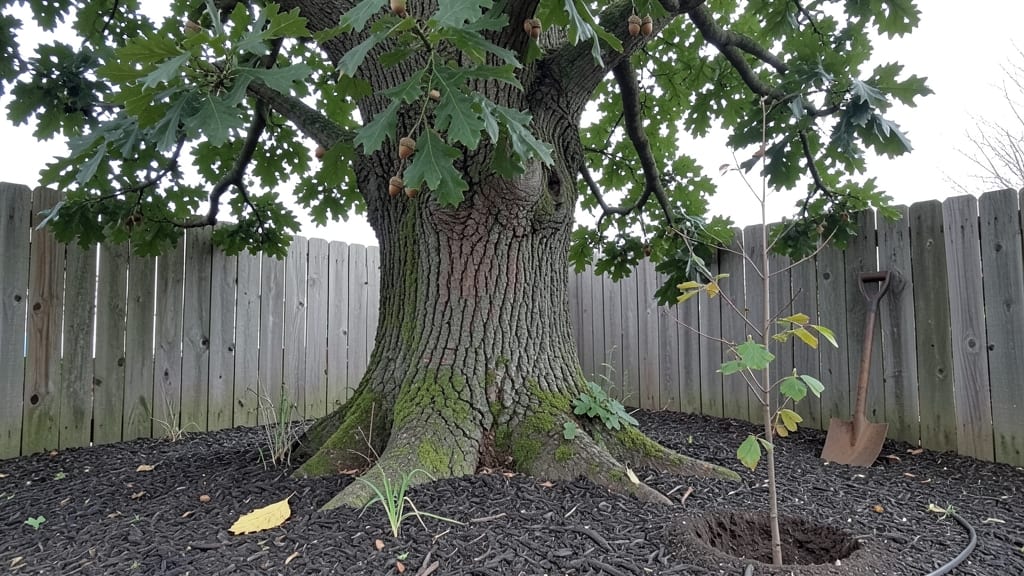
A tree in memory of someone becomes more than wood and leaves—it becomes a living legacy that grows with time. 🌳 I planted mine after my grandmother passed, and every spring, the new leaves remind me of her stories.
The right tree doesn’t just survive; it thrives as a daily tribute, its roots running deeper with each passing year.
Start with a tree that matches your climate and symbolism—native species like oak or maple offer resilience, while flowering varieties like cherry or dogwood bring seasonal beauty. Consider sunlight needs: some trees flourish in full sun, while others prefer partial shade.
The soil matters too; amend heavy clay or sandy soil to give your memorial tree the best start.
You’ll end up with a space that feels sacred, where visitors pause to remember and children ask questions about the past. The tree’s growth mirrors the enduring love you want to honor, its branches stretching wider with each season.
Maintenance is simple: water deeply in dry spells, prune gently to shape, and watch it become a natural monument.
Whether it’s a towering oak for strength or a delicate weeping willow for grace, the choice reflects the person you’re remembering. Let the tree’s presence remind you that love, like roots, grows deeper over time—even when we can’t see it.
📚 In This Guide
- What you need
- Instructions
- Tips and common mistakes
- Wrapping up and next steps
What you need
- ● Tree sapling or seedling: Choose a native or symbolic species (e.g., oak for strength, cherry blossom for beauty). Quantity: 1 (or more for a grove).
- ● Potting soil or compost: High-quality, well-draining mix (5–10 lbs for planting).
- ● Garden tools: Trowel or shovel
- ● Pruning shears (for shaping)
- ● Gloves (to protect your hands)
- ● Watering can or hose: With a gentle spray nozzle.
- ● Mulch: Organic (wood chips) or inorganic (gravel) to retain moisture (2–3 inches, ~10 sq ft coverage).
- ○ Memorial plaque or marker: Weather-resistant material (brass, stone, or engraved wood). Optional: Custom engraving with a quote or name.
- ● Stakes and ties: For young trees (2–4 stakes + soft ties).
- ● Decorative elements: Solar-powered lights, wind chimes, or painted rocks for a personal touch.
- ● Plant companions: Flowers or shrubs around the base for added beauty.
- ● Time capsule: Bury a small box with mementos (letters, photos) near the roots.
- ● Ceremonial items: Ribbon, candles, or a small frame for planting day.
- ● A suitable planting spot: Sunlight, drainage, and space for growth (check local tree guidelines).
- ● Permission: If planting on public land or a neighbor’s property.
- ● Patience: Trees take time to grow—plan for long-term care!
Step-by-step guide to planting a memorial tree
Planting a tree as a lasting tribute is one of the most meaningful ways to honor someone special.
🌱 Step 1: Choose the Right Tree and Location
Select a tree species that reflects the person’s spirit—perhaps one they loved or that thrives in your climate. Deciduous trees symbolize renewal, while evergreens represent enduring love. I always opt for native species because they require less maintenance and support local ecosystems.
Find a sunny spot with well-draining soil, away from sidewalks or structures. Measure the tree’s mature size to ensure it won’t outgrow the space. A 6-foot clearance from buildings and 10 feet from sidewalks gives roots room to spread safely.
🪴 Step 2: Prepare the Planting Site
Dig a hole twice as wide as the tree’s root ball but no deeper. Loosen the soil at the bottom with a shovel to encourage root growth. Avoid amending the native soil with compost or fertilizer—this can burn young roots. Instead, focus on breaking up compacted layers.
Place the tree in the hole so the top of the root ball sits 1-2 inches above ground level. This prevents water from pooling around the trunk. Gently backfill with the native soil, tamping lightly every 6 inches to remove air pockets. Never pack the soil tightly.
☀️ Step 3: Water and Mulch for Long-Term Health
Water the tree deeply right after planting—10 gallons for small trees, more for larger ones. This helps settle the soil and eliminates air gaps. Over the next few weeks, water once a week unless rainfall provides 1 inch of moisture. Young trees need consistent hydration to establish strong roots.
Spread 3 inches of mulch over the soil surface, keeping it 6 inches away from the trunk to prevent rot. Use wood chips or shredded bark—avoid dyed or treated mulches that can harm soil. Mulch retains moisture, regulates temperature, and suppresses weeds, giving your memorial tree the best start.
✂️ Step 4: Protect and Maintain Through the Years
Stake the tree only if necessary—windy areas or weak stems may need temporary support. Use soft ties (like tree straps) to avoid girdling the trunk. Remove stakes after 1-2 seasons to encourage natural trunk strength. Prune dead or crossing branches in late winter or early spring, but avoid heavy pruning early in the tree’s life.
Monitor the tree’s health annually. Yellowing leaves may signal overwatering, while browning edges could mean drought. A slow-growing tree is normal—patience is part of the tribute. Over time, this living memorial will grow into a symbol of enduring love and remembrance.
Tips & tricks for planting a meaningful memorial tree
Planting a tree as a tribute is deeply personal—here's how to ensure your memorial grows strong and meaningful for generations.
Tree Selection Wisdom: Native species aren't just practical—they're symbolic. Research which trees were meaningful to the person you're honoring. For example, a cherry blossom honors springtime memories, while an oak represents strength. I once planted a redbud tree in memory of my grandmother who loved its delicate pink flowers—it became our family's springtime tradition. Check with local nurseries about species that thrive in your climate and soil type.
Location is Everything: That 6-foot clearance from buildings isn't arbitrary—it prevents future root damage to foundations. When selecting your spot, consider how the tree will grow over time. Think about sunlight patterns throughout the day and how the tree's mature height will affect views or sunlight in your yard. I always sketch a rough outline of the tree's mature size on paper to visualize its future presence.
Planting Depth Matters: The 1-2 inches above ground level is crucial—this prevents water from pooling around the trunk, which can cause rot. When placing your tree, use a level to ensure the root ball sits straight. I like to make a small mound of soil at the bottom of the hole first, then place the tree on top before backfilling. This gives you a reference point for that perfect 1-2 inch elevation.
Watering Strategy: Those 10 gallons aren't just a suggestion—they're essential for settling the soil around the roots. After planting, I always create a small berm around the base to help direct water straight to the roots. For the first few weeks, I use a hose with a gentle spray nozzle to water deeply rather than quickly. This mimics natural rainfall and encourages deep root growth.
Pro Tips for Tree In Memory Of Someone
- Planting a tree as a tribute is deeply personal—here's how to ensure your memorial grows strong and meaningful for generations.
- Tree Selection Wisdom: Native species aren't just practical—they're symbolic.
- Location is Everything: That 6-foot clearance from buildings isn't arbitrary—it prevents future root damage to foundations.
Frequently asked questions
Got questions about planting a tree as a lasting tribute? Here are some of the most common ones—and their answers—to help you get started on this meaningful journey.
What’s the best type of tree to plant in memory of someone?
Consider native, long-lived species like oak, maple, or dogwood—they symbolize strength and endurance. Fast-growing trees (e.g., willow or birch) offer quicker visual impact, while flowering trees (e.g., cherry blossom) add seasonal beauty. Choose based on climate, soil, and the person’s personality or interests!
How soon after someone passes should you plant the tree?
There’s no strict timeline, but many people plant within 6–12 months to honor the person while the memory is fresh. Others wait for a special date (birthday, anniversary). The key is planting when you’re ready—the tree will grow regardless of timing!
Are there affordable ways to plant a memorial tree?
Yes! Opt for small saplings (often $20–$50) from local nurseries or community programs. Nonprofits like American Forests offer free or low-cost tree-planting ceremonies. Check with local parks or schools—they may have memorial tree programs too!
What if I can’t plant a tree myself—are there alternatives?
Consider:
- Symbolic planting: Partner with organizations (e.g., Ecosia) to plant trees in their name.
- Urban forests: Many cities have memorial groves where you can donate a tree.
- Digital tributes: Websites like The Memory Tree let you "plant" a virtual tree.
What if the tree doesn’t survive? How can I troubleshoot?
Trees may struggle due to poor soil, pests, or weather. If yours falters:
- Check watering (deep, infrequent watering is best).
- Add mulch to retain moisture and protect roots.
- Consult a local arborist for pruning or pest advice.
- If all else fails, replace it—the gesture still honors their memory.
Wrapping up and next steps
A tree in memory of someone isn’t just a plant—it’s a living legacy, a whisper of love that grows with time. Whether you choose a sapling for resilience or a grand oak for enduring strength, this tribute honors their spirit while creating a space for reflection and healing.
Let their memory root deeply in your heart and the earth, where it can flourish for generations.
Ready to plant your tribute? Start by selecting a tree that resonates with their story—then take that first step. 🌱 Whether it’s a quiet backyard ceremony or a public park dedication, your gesture will leave a mark that time can’t erase.