Blooming
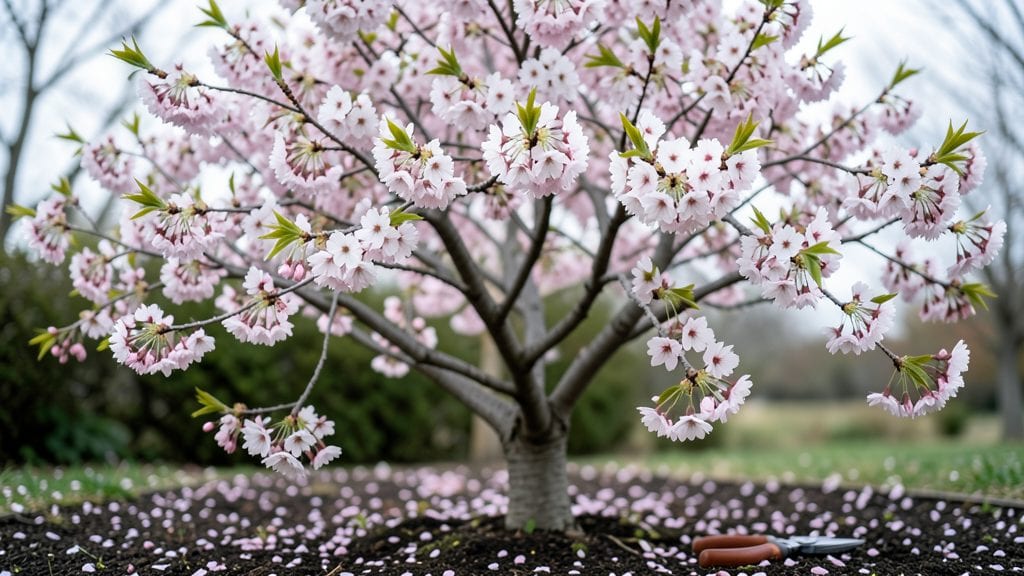
Planting a cherry blossom tree in the Pacific Northwest means waking up to clouds of pink and white every spring—no matter how cold the winter gets. 🌸 I’ve grown these trees through our region’s damp, chilly winters, and the right frost-resistant varieties like Yoshino or Kwanzan make all the difference.
They don’t just survive—they thrive, with sturdy branches that hold blossoms even after late frosts.
The secret starts with the soil: well-draining but rich in organic matter, and a spot where they get full sun for at least six hours a day. Most people overlook the importance of spacing—these trees need room to grow, so give them at least 20 feet between trunks.
Watering is simple once established, but young trees need consistent moisture, especially during their first two years.
By late spring, you’ll be rewarded with weeks of fragrant blooms that attract bees and fill your yard with color. The trees stay healthy with minimal pruning—just remove dead branches in late winter—and their disease resistance means fewer headaches than you’d expect.
Even in our rainy climate, they handle it better than most ornamentals.
Perfect for urban yards, college campuses, or as a statement piece in any landscape. The key is choosing the right variety for your microclimate—some handle coastal fog better, while others prefer inland dryness. Let’s get yours planted for next year’s showstopper season.
📚 In This Guide
- What you need
- Instructions
- Tips and common mistakes
- Wrapping up and next steps
What you need
- ● Cherry Blossom Tree: Frost-resistant variety like Prunus serrulata (e.g., 'Kwanzan' or 'Yoshino'). Choose a 1-3 year old sapling (5-6 ft tall) from a reputable nursery.
- ● High-quality potting soil: 50 lbs of well-draining, slightly acidic soil (pH 5.5–6.5). Mix with 10 lbs of compost for nutrients.
- ● Container or planting area: For containers: A 15-20 gallon pot with drainage holes (minimum 24" diameter). Use fabric grow bags for better root aeration.
- ● For in-ground planting: A hole 3x wider and 2x deeper than the root ball.
- ● Mulch: 2-3 inches of organic mulch (wood chips or bark) to retain moisture and regulate soil temperature.
- ● Hand trowel or spade for planting.
- ○ Garden gloves (optional but recommended).
- ● Watering can or hose with a gentle spray nozzle (for young trees).
- ● Pruning shears (sterilized with rubbing alcohol).
- ○ pH testing kit (optional, to monitor soil acidity).
- ● Slow-release fertilizer (balanced 10-10-10 or acid-loving plant fertilizer).
- ● Tree support stake (if planting in windy areas).
- ● Drip irrigation system for consistent moisture.
- ● Frost cloth (for young trees during unexpected late frosts).
Step-by-step guide to planting frost-resistant cherry blossom trees
Here’s how to grow stunning, resilient cherry blossoms that bloom reliably in the Pacific Northwest’s chill climate.
🌱 Step 1: Choose the Right Variety for Cold Hardiness
Select a Pacific Northwest-tested variety like 'Kanzan,' 'Stella Compact,' or 'Royal Celebration'—these handle 10-20°F without bud damage. Avoid tender species like 'Somei-Yoshino,' which struggle below 25°F. Nurseries in your region often carry cold-proven stock; ask for USDA Zone 6-8 labeled trees.
Look for 3-5 gallon container-grown trees (smaller than 6 feet tall) for easier handling. Bare-root trees are cheaper but require immediate planting—spring is best, but fall works if planted before 6 weeks before first frost. Avoid balled-and-burlapped trees unless you can plant them right away; their roots dry out fast.
🪴 Step 2: Prepare the Planting Site for Winter Survival
Site your tree where it gets 6+ hours of sun daily—morning sun and afternoon shade helps prevent leaf scorch in summer. Dig a hole twice as wide as the root ball but only as deep—planting too deep suffocates roots. Amend the native soil with 3 inches of compost mixed into the bottom of the hole to improve drainage and fertility.
Loosen the roots if they’re circling in the container, then spread them gently outward. Place the tree so the graft union (a visible bump near the base) sits 2-3 inches above soil level—this prevents rot in wet winters. Backfill with native soil, tamping lightly every 6 inches to eliminate air pockets.
☀️ Step 3: Water and Mulch for Winter Protection
Water deeply immediately after planting—soak the root zone until water drains 6-8 inches down. Repeat every 7-10 days until the first hard frost, then reduce to monthly in winter unless snow cover is minimal. Overwatering in cold weather can rot roots, but dry soil stresses trees in both summer and winter.
Apply 3-4 inches of mulch (wood chips or bark) around the base, keeping it 6 inches away from the trunk to prevent moisture buildup. Mulch insulates roots from temperature swings and retains moisture. In your region, add a 12-inch layer of straw or leaves around the base in late fall for extra frost protection—remove it in early spring.
✂️ Step 4: Prune for Structure and Winter Damage Prevention
Prune in late winter (February-March) before buds swell, removing dead, crossing, or weak branches with clean cuts at a 45° angle. Never prune in fall—new growth won’t harden off before winter. Thin the canopy to let light penetrate to the center, which reduces snow breakage in heavy winters.
If your tree shows winter damage (brown, shriveled branches), wait until late spring to prune—some branches may recover. Never prune more than 25% of the canopy in one season, or you’ll stress the tree. A well-pruned tree blooms more reliably and handles frost better.
⏰ Step 5: Monitor and Maintain Through the Seasons
Check the tree monthly for pests like cherry leaf spot (black spots on leaves) or borers (sawdust-like frass). Treat with neem oil if needed, but avoid chemicals in bloom season—they harm pollinators. Fertilize lightly in early spring with 10-10-10 at half strength, then again in mid-summer if growth slows.
In your climate, watch for late spring frosts—cover young blossoms with frost cloth if temperatures dip below 28°F after buds swell. Mature trees handle frost better, but young trees need this protection. With proper care, your cherry blossom will reward you with 2-3 weeks of spectacular blooms every spring.
Tips & tricks for perfect cherry blossom tree planting
These little details make all the difference when planting your frost-resistant cherry blossom—trust me, I've learned these the hard way!
Variety Verification: When you're selecting your tree at the nursery, ask to see the label showing its cold hardiness rating. The 10-20°F range is critical—some 'Kanzan' trees I bought were actually mislabeled and struggled through our first winter. Also, check that the graft union (that little bump near the base) is clearly visible—this ensures you're getting a true variety rather than a seedling.
Planting Timing Secret: Spring planting gives your tree the entire growing season to establish roots before winter, but if you must plant in fall, mark your calendar for 6 weeks before first frost. I planted one too late and lost it to early cold—now I set reminders for both spring and fall planting windows. Pro tip: Check your local frost dates online if you're unsure!
Root Care During Transplant: When you remove your tree from the container, gently loosen any circling roots with your fingers—don't cut them! I used to just dump the tree into the hole, and those circling roots would strangle the root system. After loosening, spread the roots outward in the hole like fingers of a hand. This simple step can double your tree's survival rate in our harsh winters.
Winter Protection Layering: That extra 12-inch layer of straw or leaves in late fall is your tree's winter blanket. I've seen people skip this and their trees still survive, but I've also seen beautiful trees lose branches when they don't. The key is to mound it up around the base and roots, not just the trunk. Remove it in early spring before new growth starts—don't leave it too long or it can smother emerging shoots.
Pro Tips for Cherry Blossom Treee
- These little details make all the difference when planting your frost-resistant cherry blossom—trust me, I've learned these the hard way!
- Variety Verification: When you're selecting your tree at the nursery, ask to see the label showing its cold hardiness rating.
- Planting Timing Secret: Spring planting gives your tree the entire growing season to establish roots before winter, but if you must plant in fall, mark your calendar for 6 weeks before first frost.
Frequently asked questions
Got questions about growing your own cherry blossom tree in the Pacific Northwest? You’re not alone! Here are some of the most common queries—and their answers—to help you get started with confidence.
How cold can cherry blossom trees tolerate in the PNW?
Most frost-resistant varieties, like Prunus serrulata ‘Kwanzan’ or Prunus × yedoensis, handle temperatures down to -10°F to -15°F (-23°C to -26°C). Always check the specific variety’s hardiness zone (typically 5-8) to match your local climate. Pro tip: Young trees may need winter mulch for extra protection!
When is the best time to plant a cherry blossom tree in the PNW?
The ideal window is late fall (October-November) or early spring (March-April) when the soil is workable but not frozen. Avoid planting in summer heat, as it stresses the tree. If you’re in a cooler microclimate, early spring gives roots time to establish before winter.
Do cherry blossom trees need full sun, or can they grow in partial shade?
While they thrive in full sun (6+ hours daily), some varieties (like Prunus ‘Shirofugen’) tolerate partial shade (4-6 hours), especially in hotter PNW summers. If planting in shade, expect fewer blooms but slower growth. Orient the tree to maximize morning sun for best results.
Why aren’t my cherry blossoms blooming this year?
Common culprits include young age (trees <5 years old may not bloom), over-fertilizing (too much nitrogen = leaves, not flowers), or improper pruning (cutting back flowering wood). Ensure your tree gets adequate sunlight and well-draining soil. If it’s been years, check for pests or disease (like bacterial canker).
Can I grow a cherry blossom tree in a container, or does it need ground planting?
While possible in large containers (20+ gallons), cherry blossoms are best suited for ground planting due to their size (20-30 ft tall/mature). If container-grown, use fast-draining mix and repot every 2-3 years. Note: Container trees may bloom less and have shorter lifespans.
Are cherry blossom trees messy? Do they drop petals or fruit?
Yes! After blooming, petals fall heavily (lasts ~1-2 weeks), creating a stunning (but temporary) mess. Most ornamental varieties are sterile (no fruit), but some may produce small, inedible cherries. Plan for regular cleanup or plant under patios where petals can be swept away easily.
Wrapping up and next steps
Growing a cherry blossom tree in the Pacific Northwest is a rewarding journey that brings beauty and joy to your landscape—especially with frost-resistant varieties! 🌸 From selecting the right soil to protecting young trees from winter chill, each step ensures your tree thrives year-round.
Whether you’re a seasoned gardener or just starting, the key is patience and care.
Ready to plant your dream tree? Start by choosing a healthy sapling from a trusted nursery, then mark your calendar for spring planting. Watch as your efforts bloom into stunning pink and white petals—your garden (and neighbors!) will thank you. 🌱✨